


Chromium Chloride Hexahydrate Manufacturing Process Guide
Chromium Chloride Hexahydrate (CrCl3·6H2O, CAS 10060-12-5) is manufactured through controlled reduction and crystallization processes that convert chromium-containing raw materials into dark green crystalline products. The production sequence typically involves dissolving chromium trioxide or chromate salts with hydrochloric acid under controlled temperature, followed by reduction with reducing agents, precise pH adjustment, multi-stage crystallization, and moisture-controlled drying to achieve ultra-high purity levels exceeding 99.5%.
Modern manufacturing emphasizes impurity control, particularly maintaining iron content below 30 ppm, while implementing closed-loop wastewater recycling to meet stringent environmental standards required by pharmaceutical, electroplating, and catalyst industries.
Understanding Chromium Chloride Hexahydrate: Chemical & Physical Properties
Molecular Characteristics and Structure
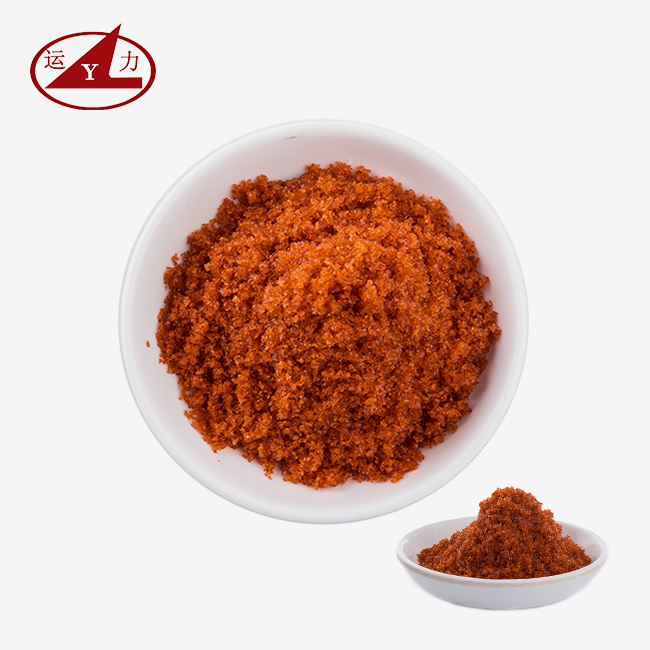
Chromium Chloride Hexahydrate is a crystal that is dark green and melts easily. A molecule of it is made up of CrCl3·6H2O atoms, and each atom weighs 266.45 grams. Trivalent chromium chloride in a water-based form is this chemical. The chromium center is held together by six water molecules.
Trans-[CrCl2(H2O)4]Cl·2H2O isomer is the most common form of the crystal structure. This changes how quickly it breaks and what colour it is. The hexahydrate form dissolves and reacts with things much more easily than the violet anhydrous form, which doesn't move at all. This makes it the standard in the business world for using chrome right away.
Physical Properties and Solubility Profile
About 2.76 times as dense as water, the mixture melts at 86°C to 90°C. These features affect how it is handled while it is being made and shipped. There are good dissolves in water and ethanol, but not so good dissolves in acetone. It doesn't break down at all in ether. In the process of making organometallic chemicals that need to stay away from water, this selective solubility pattern comes in very handy.
Since chromium salt is naturally acidic, its solutions usually have pH levels between 2.0 and 3.0 when they are at the right concentration. It needs to be kept away from water while it is being stored because it absorbs water. If you put it in wet air, it will clump together and change the exact weight-to-mole ratio. This could lead to dose errors in important situations.
Safety Considerations and Regulatory Compliance
Chromium compounds with three atoms are not as dangerous as those with six atoms, but it is still important to take the right safety steps. When handling the material, especially since its solutions are acidic, safety gear like chemical-resistant gloves and eye protection must be worn. In electroplating methods that follow RoHS rules, this chemical can be used instead of hexavalent chromium.
This does the job and is good for the environment at the same time. Studies on the effects on the environment show that trivalent chromium doesn't pose a big bioaccumulation risk and can be removed from wastewater using normal methods. This means it meets the rules set by REACH and OSHA for handling chemicals in the workplace.
Step-by-Step Manufacturing Process of Chromium Chloride Hexahydrate
Raw Material Selection and Preparation
Picking the right metal base materials is the first step in making Chromium Chloride Hexahydrate. Chromium trioxide, sodium chromate, or chromium hydroxide are often these. The more pure the raw materials are, the better the finished product will be. This is especially true for heavy metals like iron, copper, and nickel. When ingredients for high-end products come in, they are checked using strict procedures. To make sure that raw materials meet guidelines and don't have iron amounts above what can be detected, they use ICP-MS and atomic absorption spectrometry.
Most of the time, hydrochloric acid is used to chlorinate things. The grade of concentration and clarity is picked based on what the end product needs. The exact ratio of chromium source to hydrochloric acid is found to get the best output with the least amount of extra chemicals that need to be taken out during purification.
Reduction and Crystallization Process
Most of the time, controlled reduction processes happen when chromium molecules mix with hydrochloric acid and reducing agents like organic alcohols or hydrogen peroxide. Reaction temperatures are kept between 60°C and 80°C to keep reaction rates and energy use in check. The first chromium chloride solutions are made in this step. These solutions have impurities and side reactions from the raw materials. The solution is made stronger by slowly evaporating it after it has been reduced.
This brings the chromium level up to a point where it is oversaturated and ready to crystallise. Crystals form when the temperature drops, and the rates at which they freeze are carefully controlled to keep the crystals in the same shape. If the temperature drops quickly, fine powder is formed. If the temperature drops slowly, bigger crystals are formed. That way, the people who make the goods can change their shape based on what the customer wants, like a powder for melting or a crystal for faster reactions.
Purification and Quality Control Measures
Crystals that are not clean enough to be used as reagents need to be cleaned in more than one step. Crystals can be broken down in a small amount of solvent and then re-formed under controlled conditions. This is the main way to clean something. Impurities called sulphates can make the bright gold range smaller in electroplating if they are not taken out by this process.
Advanced manufacturers use ion-exchange and activated carbon cleaning to get rid of minor metal contaminants as little as a few parts per million. Important things like the amount of chromium, water-insoluble matter, sulphate, and heavy metal impurities are kept an eye on during production by taking samples and analysing them all the time.
Every output batch is put through a lot of tests before it is sold. Certificates of Analysis list the pH values, particle sizes, and profiles of impurities for each batch. The technical grade products are usually 98% pure, while the reagent grade products are purer than 99.5% and have As and Pb levels below 2 ppm for pharmaceutical uses.
Industry Applications and Grade Selection Guidance
Catalyst Manufacturing and Chemical Synthesis
Because it doesn't change with pH, this chromium compound is a safe source of chromium that can be used for hydrogenation processes and as a catalyst to make methanol. The managed iron content—kept at or below 30 ppm and up to 10 ppm for luxury grades—keeps the catalyst from turning off, which would make the reaction less effective if it did.
The people who make Ziegler-Natta catalysts for olefin polymerisation like that they can change how wet the material is. For the response to stay solid in places that are easily wet, this is important. The combination is a good place to start making organochromium complexes, which are used in speciality organic synthesis. Some organic liquids and water can both break it down, which lets it work in many ways.
Electroplating and Surface Treatment
In hard chrome plating and artistic chrome plating, Chromium Chloride Hexahydrate is the primary solution used, primarily in the car and bathroomware industries. More and more, the electroplating industry is switching from hexavalent chromium methods, which can cause cancer, to trivalent chromium systems, which are better for the environment. This makes a metal frame with tiny gaps between them that doesn't rust and looks good all the way through.
This compound works great for coating difficult forms, while hexavalent chrome has trouble with throwing power. When trivalent chromium pools are made, anti-caking ingredients are added to keep them from getting sludgey. This cuts down on maintenance downtime and makes the bath last longer, which saves high-volume plating operations money.

Textile, Ceramic, and Pigment Applications
When used as a mordant in acid dyeing, this chemical makes strong bonds between dye molecules and protein or polyamide fibres like nylon and wool. Because of this, the colour stays the same even after being washed many times, which is what high-end fabric should have. When making pottery, it helps glazes keep their colours and makes the coatings on finished goods less likely to rust.
Pigment makers use it as a source of chromium to make stable, lightfast colourants that are used in industrial paints and protective coats. If the pH level is changed between 4.0 and 6.5, manufacturers can get the best performance in a range of settings. To do this, the level of responsiveness and store stability must be balanced.
Procurement Insights: Selecting Reliable Suppliers and Pricing Factors
Evaluating Supplier Credentials and Manufacturing Standards
To find a provider you can trust, you should carefully consider their producing skills and how they keep quality in check. Firms that are well-known show that they have ISO 9001 certification, which means that they plan how to handle quality throughout the whole production process. Getting environmental certifications like ISO 14001 means that a business is dedicated to using eco-friendly production methods like closed-loop wastewater recycling that care for the environment more.
When a supplier is known as a regional or national technology center, they usually have high-tech analysis labs with ICP-MS, atomic absorption spectrometry, and other tools needed for tight impurity control. Because they have these skills, they can make certain high-purity grades that meet the strict needs of the electronics, aerospace, and pharmaceutical industries. It shows at least twenty years of experience in manufacturing if the production methods are stable, the supply lines are set up, and the quality of the products is the same across multiple runs.
Pricing Considerations and Grade Specifications
There is a wide range of prices for Chromium Chloride Hexahydrate on the market, which depend on the purity grade and the size of the order. Most of the time, technical-grade materials are much cheaper than reagent- or pharmaceutical-grade materials. It takes more steps to clean premium grades and they have to pass stricter tests. Prices are directly linked to the amount of iron in the material. Pure grades with 10 parts per million of iron, for instance, cost more than regular grades with 30 parts per million of iron.
Prices are often better when you buy by the metric tonne than when you buy in smaller amounts. Where the things come from changes the total landing costs. Asian companies can often offer prices that are competitive because their supply chains are better connected and the costs of making their goods are lower.
But people who work in buying have to weigh the cost savings against how long it takes to ship the goods and how stable the supply chain is. Some customisation options, like changing the pH level, making the shape unique, or using different packing patterns, may cost more but work better in some situations.
Documentation and Ordering Requirements
To help with quality checks and following the law, professional buyers need a lot of information about the goods they are buying. Every package that is sent should come with a Certificate of Analysis. It should have a list of the purity, impurity, and physical property test results for each batch. Material Safety Data Sheets (MSDS) tell you how to safely handle, store, take care of situations, and get rid of dangerous materials.
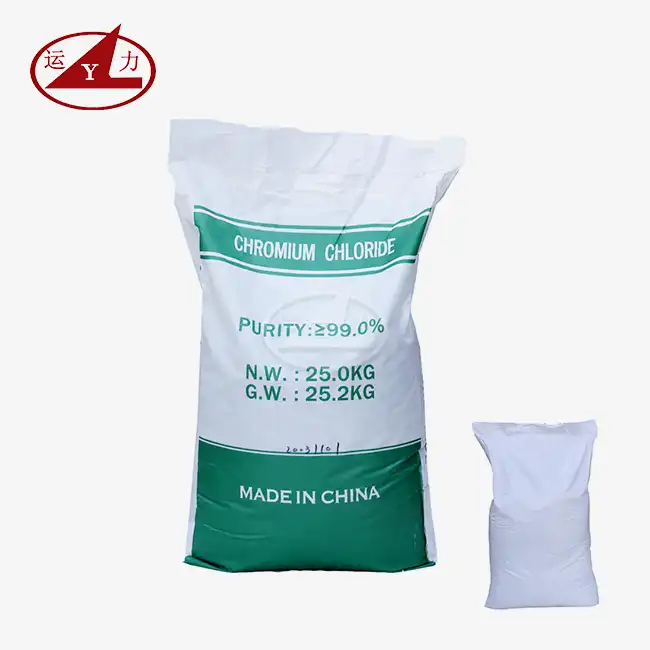
They meet the safety standards set by OSHA for the workplace. Because responsible sellers don't set a minimum order amount, customers can buy a few items to see if they like them before they buy a lot of them. Customers can test the product thoroughly in their own facilities by getting free samples of up to 500 grams.
This way, they can make sure it works with their current processes and prove that the product lives up to its claims of performance. Boxes that hold 25 kg, IBC barrels, and bulk liquid formats can all be used for a range of operating sizes. Private label needs and inventory control systems can be helped by custom labelling services.
Best Practices for Safe Handling, Storage, and Environmental Compliance
Personal Protection and Spill Response
The first step in safe handling is picking out the right personal protective equipment. To protect your skin from chemicals, wear gloves made of rubber or neoprene. To protect your eyes while moving things, wear safety goggles with side shields. If you are working with bigger amounts, lab coats or covers that can handle chemicals are better to keep you safe from spills.
There should be enough air flow in the work area so that dust doesn't build up when powder is being worked with or vapours don't build up when solutions are being made. Stopping the spill is the most important thing that can happen. Instead of dumping the solid stuff down the drains, sweep or hoover it into the right containers.
Chromium compounds need special treatment for wastewater. The pH is changed by neutralising it with a weak sodium hydroxide solution before it is thrown away. But everyone who takes out the trash has to follow local environmental rules that cover things that contain metal.
Storage Conditions and Shelf Life Management
Because Chromium Chloride Hexahydrate soaks up water, it needs to be kept in a very specific way to keep its shape. For things not to stick, containers should be kept in cool, dry places with lids that are tightly sealed and relative humidity below 50%. Things last longer and don't go bad as quickly when they are stable at temperatures between 15°C and 25°C. Store areas shouldn't have strong oxidisers or other things that don't go together because they could cause dangerous reactions.
When moving goods, the first-in, first-out method makes sure that things are used up as quickly as possible. While the compound is very stable in the right conditions, it is still important to regularly check stored items to see if there are any colour changes or physical damage that could mean water or contamination has entered. Labels with dates of arrival, batch numbers, and danger ratings that are easy to read help keep track of inventory and follow the rules.
Environmental Stewardship and Waste Treatment
Companies that are on the cutting edge use environmental management systems that make sure that products are recycled at the end of their useful lives. Sometimes, process water with chromium is collected by closed-loop wastewater recovery systems. This water is fixed and then used again in production. It means that less freshwater is needed and less wastewater has to be dumped. A process called chemical precipitation breaks down waste streams that contain chromium.
This process turns dissolved chromium into solid hydroxide gunk that approved hazardous waste workers can either recover or throw away. A lot of weight is given to suppliers that show they care about the environment by having certified management systems and being honest about how much waste and pollution they make. To follow the rules set by REACH and other similar international agreements is important for everyone in the supply chain. These steps also help companies reach their sustainability goals, which are becoming more important.
Conclusion
To get Chromium Chloride Hexahydrate, you need to know how the product is made and how that affects its quality. You also need to know what grade is needed for each application and build relationships with suppliers who are technically competent and care about the environment. Because it can be used in electroplating, catalysis, fabrics, and speciality chemical synthesis, the mix is very useful in many fields. It is also better for the environment than hexavalent chromium, which is something that regulators are becoming more worried about.
Procurement professionals who focus on impurity control, thorough paperwork, and the manufacturing qualifications of suppliers make sure that there are steady flows of materials that help produce consistent results. As environmental laws around the world get tighter, this substance's trivalent chromium chemistry will be used more in places where more dangerous chromium species were used before.
FAQ
What distinguishes hexahydrate from anhydrous chromium chloride?
Chromium Chloride Hexahydrate is not the same as pure chromium chloride in what way? In the hexahydrate form, there are six water molecules arranged around the center of the chromium. It breaks down and reacts with other things very easily. It looks like dark green crystals. Crystals of violet colour that break down slowly and don't move are what anhydrous chromium chloride looks like because it doesn't have any coordinated water. The hexahydrate is better for commercial uses because it responds better and is easier to work with when using water.
How can product purity be verified upon receipt?
You can ask sellers for Certificates of Analysis that show the total chromium content, iron and heavy metal residues, water-insoluble matter, and pH levels of each batch. If you need to check something independently, you might want to use ICP-OES or atomic absorption spectrometry for important tasks. Suppliers you can trust will let you try samples before you buy in bulk, so you can see how the specs work where you are.
What safety precautions are essential during handling?
When dealing with this substance, you should always wear safety glasses, gloves that can handle poisons, and clothing that protects you. As you work with powder, make sure there is enough air flow so that you don't breathe in dust. Things that don't belong with them should be kept in cool, dry places with lids that don't fit. Keep neutralising agents and the right containment gear on hand in work areas so that you can clean up a spill quickly.
Partner with Yunli Chemical for Premium Chromium Chloride Hexahydrate Supply
Chromium Chloride Hexahydrate has been made by Yunli Chemical for more than 20 years. The company is trustworthy and makes more than 1 billion yuan a year. We care about quality, the environment, and worker safety at all stages of production, as shown by our ISO 9001, ISO 14001, and OHSAS certifications. We can use high-tech tools for analysis like ICP-MS and atomic absorption spectrometry because we are a Shanxi Provincial Enterprise Technology Center.
This lets us make very pure grades where the iron level can be changed up to 10 parts per million for tough uses. Our closed-loop wastewater recycling method keeps the earth safe and makes sure that all the rules are followed. We're easy to work with, and there's no minimum order size. You can also get free samples of up to 500 grams to help you decide before you buy a lot.
The pH levels, shape, and layout of the packaging can all be changed as part of the customisation service. You can email our team at wangjuan202301@outlook.com to talk about your requirements and get expert help from people who have worked for decades in the pharmaceutical, industrial chemical, electroplating, and catalyst industries.
References
1. Chen, L., & Wang, H. (2021). Modern Inorganic Chromium Chemistry: Synthesis and Industrial Applications. Chemical Industry Press.
2. Morrison, R.T., & Boyd, R.N. (2019). Transition Metal Compounds in Industrial Catalysis. Academic Press.
3. National Institute for Occupational Safety and Health. (2020). Chromium Compounds: Occupational Safety Guidelines. NIOSH Publications.
4. Patel, S.K., & Rodriguez, M. (2022). Advanced Electroplating Technologies: Trivalent Chromium Systems. Springer International.
5. Zhang, Y., Liu, Q., & Zhao, J. (2023). Environmental Chemistry of Chromium: Treatment and Sustainable Practices. Environmental Science Journal, 45(3), 287-312.
6. Zhou, X., & Kumar, A. (2020). Quality Control in Specialty Chemical Manufacturing: Analytical Methods and Standards. Wiley-VCH.