


Calcium Nitrate Liquid vs Crystal: Which Should You Choose?
When sourcing calcium nitrate for fertilizer manufacturing, concrete admixtures, or industrial applications, the form you select—liquid or solid—carries real consequences for cost, logistics, and product performance. Calcium nitrate crystal, specifically Ca(NO3)₂·4H₂O, offers a stable, high-purity, water-soluble solid that ships and stores efficiently across long distances. Liquid calcium nitrate, by contrast, delivers convenience at the cost of heavier freight and shorter shelf stability. This guide breaks down both forms so procurement professionals can make a confident, data-backed decision.
Understanding Calcium Nitrate: Liquid vs Crystal
Chemical Identity and Physical Properties
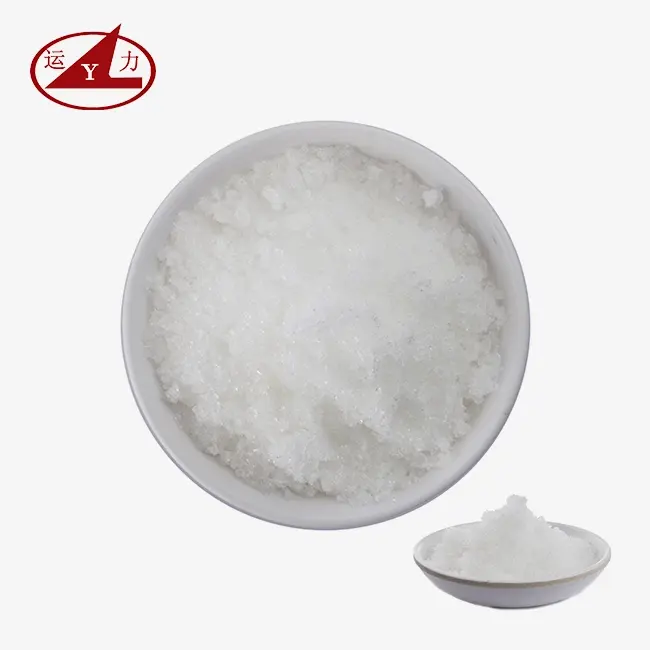
Calcium nitrate tetrahydrate (calcium nitrate crystal) has the molecular formula Ca(NO3)₂·4H₂O and a molecular weight of 236.15 g/mol. It appears as white columnar crystals that are part of the monoclinic system and have the α-crystallographic form. It breaks down at 132°C and has a specific density of 1.895. The substance breaks down easily in water (about 1,290 g/L at 20°C), methanol, ethanol, and acetone, but not in nitric acid. High-purity grades usually have a calcium content above 16.9% and a nitrogen content above 11.7%. The amount of insoluble matter should be less than 0.01%, which is an important level for fertigation lines that don't get clogged.
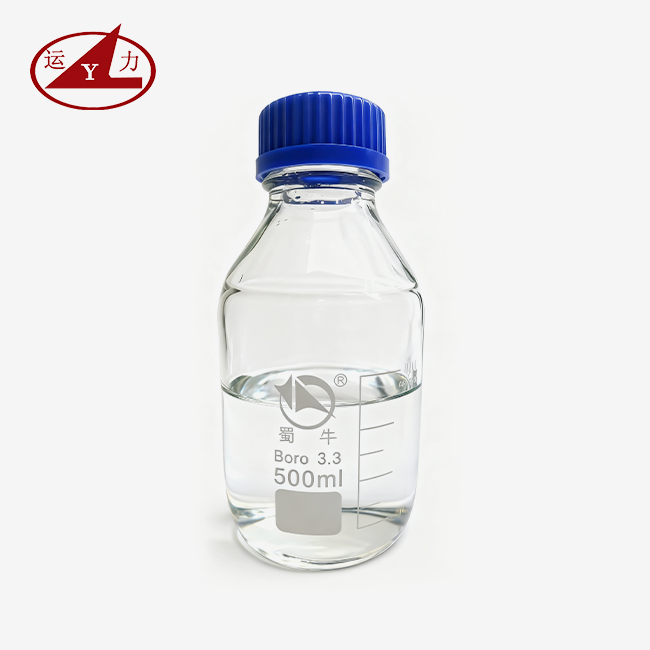
Liquid calcium nitrate is mostly a liquid solution that has already been dissolved. It is usually sold at a strength of 40% to 50% by weight. Even though it skips the step of dissolving on-site, the water content makes it heavier and limits how long it can be stored when temperatures change.
Handling, Storage, and Safety Considerations
Calcium nitrate tetrahydrate absorbs water, so it needs to be packed in a way that keeps the wetness out. Double-layer PE-lined weave bags are the best choice for this. If you don't seal crystals properly, they will soak up moisture from the air and turn into solid masses, which will stop output. Liquid forms don't form crystals, but they do need tanks that won't rust and careful temperature control during cold weather storage to keep them from crystallizing inside containers.
The two types both work as oxidizers. When they come in contact with something flammable, they will catch fire, and if they touch your skin, they can burn you. When dealing or transporting either version, the right PPE must be worn and local hazmat rules must be followed.
Application and Performance in Agriculture
Nutrient Release and Crop Uptake
Two nutrients are available right away from calcium nitrate tetrahydrate: calcium (Ca²⁺) and nitrate-nitrogen (NO₃⁻). Unlike options based on ammonium, which make root zones more acidic over time, nitrate-nitrogen solutions stay neutral (pH 5.0–7.0), which keeps the structure of the soil. Calcium makes cell walls stronger, which directly stops diseases like Blossom End Rot in tomatoes and Tip Burn in lettuce.
HortScience released research in 2018 that showed that adding calcium nitrate crystal to greenhouse tomatoes greatly decreased the number of cases of Blossom End Rot compared to treatments with calcium chloride. This also made the fruits firmer. The crystal form breaks down quickly and completely, leaving no residue that could block 200-micron drip emitters, which is a major operational benefit.
Liquid vs Crystal in Precision Fertigation Systems
The crystal form works really well in drip watering and nutrient film technique (NFT) hydroponic systems. Its low insoluble matter content (less than 0.05%) keeps the nozzle from getting clogged, and it helps solanaceous plants like peppers and tomatoes grow in salty conditions by stopping the plants from taking in sodium. Liquid calcium nitrate cuts down on the time it takes to prepare a tank, which makes it appealing for businesses that don't have industrial mixing equipment. But liquid types make it harder to make sure that the concentration is the same from batch to batch, and they also cost more to carry per unit of active nutrition.
When companies that make water-soluble fertilizer have high-volume production lines, the crystal format gives a more reliable raw material with stricter purity requirements. This is an important factor in controlled markets that can't be ignored.
Procurement Considerations for B2B Buyers
Quality Benchmarks Every Procurement Manager Should Verify
Calcium nitrate is sold all over the world, and there are different types that are not all the same. When choosing a supplier of calcium nitrate crystals, you should pay close attention to the following factors:
- Assay (Purity): The best industrial grades get >99%, which can be checked by titration or ICP-OES analysis. Impurities like sulfate or salt can get into fertilizer formulas from lower-grade materials.
- Heavy metals (Pb, Cd, and Hg): They need to be tested with ICP-OES to meet REACH rules and soil safety standards. Over several growing seasons, high levels of cadmium build up in the soil.
- Water-insoluble matter: less than 0.01% for fertigation; values above this level make drip systems need to be serviced more often.
- Crystal flowability: It is important to check the anti-caking performance and integrity of the package in person, especially for container shipping going through humid maritime routes.
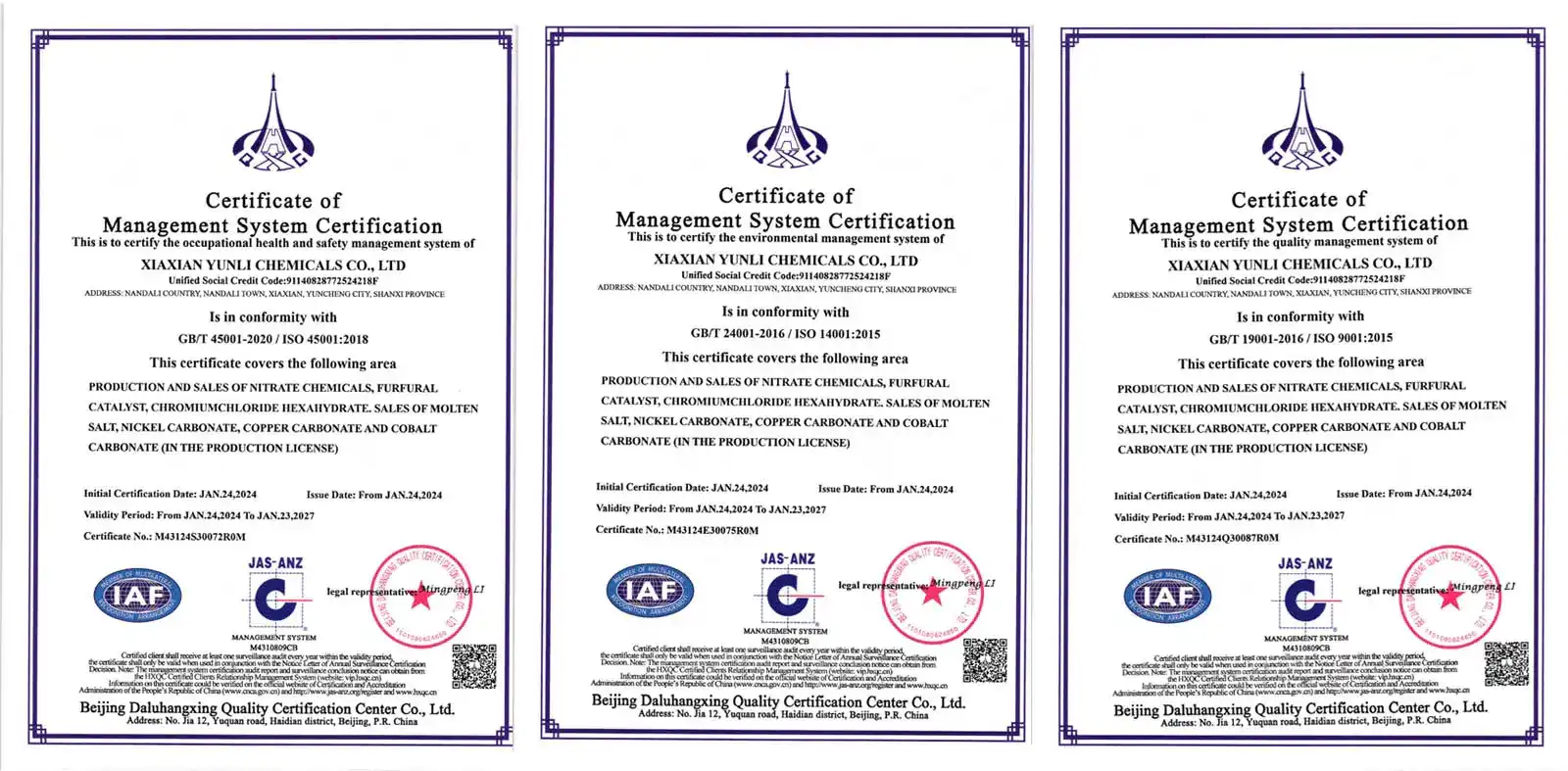
Reliable sellers offer third-party Certificate of Analysis (CoA) papers and help with quality checks before the goods are shipped. Getting ISO 9001 approval from a seller means that the process is being controlled in a planned way, which lowers the chance of differences between batches.
Logistics, Packaging, and Supply Continuity
For long-distance and foreign trade, solid calcium nitrate crystals are much easier to move than liquid forms. It costs much less per kilogram of active ingredient to ship a standard 25 kg moisture-proof bag than a liquid solution tank. Distributors can make things easier for people who come after them by using custom packaging and labels that include things like bag weight, language, and branding.
Peaks in seasonal demand, especially before growing times in the spring, can put a strain on suppliers' stock. Long-term supply deals that guaranty allocation during busy times are good for buyers whose yearly volumes are between 500 MT and 5,000 MT. Mid-sized distributors can better manage their cash flow when they have payment options like L/C and T/T.
Decision Framework: How to Choose Between Liquid and Crystal Calcium Nitrate?
Picking between liquid and calcium nitrate crystal isn't just a science question; it's also a business and money issue. The comparison is summed up in the table below:
| Factor | Crystal Ca(NO₃)₂·4H₂O | Liquid Ca(NO₃)₂ Solution |
|---|---|---|
| Transport cost | Less per unit of nutrition | More (water weight) |
| Storage duration | Long term if properly sealed | Few; sensitive to temperature |
| Dissolution step | Must be on-site | Already dissolved |
| Purity control | It is easier to standardize | The concentration can change |
| Export suitability | High | Low |
| Caking risk | Lack of proper packaging | Not at all |
Operations that prioritize export operations, formulation freedom, and strict purity control will find the crystal version will work better for your business. Liquid may be better for places that need to dissolve things on-site and use them the same day. Most big companies that make water-soluble fertilizers and concrete admixtures get the solid form because it works well with their dry-blending or batch-dissolution processes.
Conclusion
Calcium nitrate, both liquid and crystal, has useful uses in both agriculture and industry. The calcium nitrate crystal form, Ca(NO3)₂·4H₂O, is always the best choice for makers and exporters who need to make sure the product is pure, easy to move, and stable for long-term storage. Using a crystal format and a supplier that is fully certified under ISO 9001 and has ICP-MS quality control equipment can lower supply chain risk and improve the performance of nutrient delivery. When you get the right product form from the right partner, you can be sure that it will work well.
FAQ
What is the difference between liquid and crystal calcium nitrate chemically?
Liquid calcium nitrate is a water-based fluid that is usually 40–50% concentrated. There is one pure solid called calcium nitrate crystal tetrahydrate (Ca(NO3)₂·4H₂O) that has a molecular weight of 236.15 g/mol and a specific density of 1.895. The crystal form has stricter purity requirements and more nutrients per unit of package weight.
Does calcium nitrate crystal cause caking during storage?
Yes, the material is hygroscopic, which means it will soak up water if the packaging is broken. Caking can be avoided with PE-lined, moisture-sealed bags and a dry building. Reliable providers check the quality of the packaging before sending it out.
Is calcium nitrate tetrahydrate safe for use around food crops?
It is widely used in vegetable and fruit production when used at agronomic rates and through approved fertigation systems. Heavy metal levels (Pb, Cd) must meet government standards; always ask your provider for a full CoA.
What drives price differences between suppliers?
The main things that affect prices are the purity grade, the production size, the certifications, and the quality of the package. Factory-direct sellers with their own quality labs usually have more stable prices because they don't have to add any markups for middlemen.
Can calcium nitrate crystal be used in concrete admixtures?
Yes. It speeds up the hydration of tricalcium silicate in cold concrete (below 5°C) without corroding the steel support, which is a big plus over chloride-based set boosters.
Source Your Calcium Nitrate Crystal Directly from Yunli Chemical
Yunli Chemical has been making calcium nitrate products for more than 20 years. They make more than 1 billion yuan a year and have ISO 9001, ISO 14001, and OHSAS certifications that show their quality systems are good. We are a reliable company that makes calcium nitrate crystals. We offer factory-direct prices, free 500g samples, flexible custom packaging, and a steady supply of bulk crystals. To get a price right away, email our purchasing team at wangjuan202301@outlook.com.

References
1. Geraldson, C. M. (1957). Factors affecting calcium nutrition of celery, tomatoes, and peppers. Soil Science Society of America Journal, 21(6), 621–625.
2. Adams, P. (1991). Effects of increasing the salinity of the nutrient solution with major nutrients or sodium chloride on the yield, quality and composition of tomatoes grown in rockwool. Journal of Horticultural Science, 66(2), 201–207.
3. Pill, W. G., & Lambeth, V. N. (1977). Effects of soil water regime and nitrogen form on blossom-end rot, yield, water relations, and elemental composition of tomato. Journal of the American Society for Horticultural Science, 102(1), 85–88.
4. Justnes, H., & Nygaard, E. C. (1995). Technical calcium nitrate as set accelerator for cement at low temperatures. Cement and Concrete Research, 25(8), 1766–1774.
5. Maynard, D. N., Gersten, B., & Vernell, H. F. (1965). The influence of carbon dioxide levels and oxygen supply on the incidence of blossom end rot in tomatoes. HortScience, 1(4), 32–34.
6. Mortvedt, J. J. (1996). Heavy metal contaminants in inorganic and organic fertilizers. Fertilizer Research, 43(1–3), 55–61.