


Calcium Nitrate Solution Benefits for Agricultural Applications
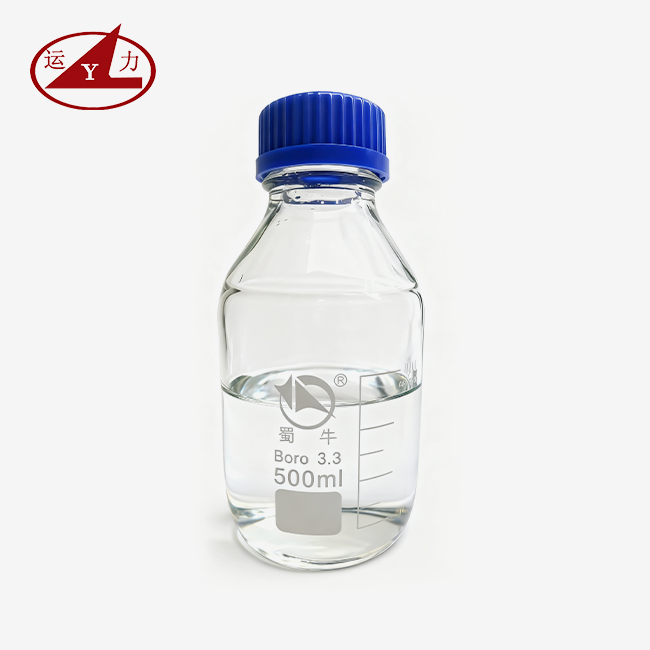
Calcium nitrate solution delivers two essential plant nutrients — calcium and nitrate nitrogen — in a single, immediately available liquid form. Unlike granular alternatives, the liquid format integrates directly into fertigation and drip irrigation systems without dissolving delays, making it a preferred input for modern intensive agriculture. Research published by Wageningen University confirms that calcium deficiency is the leading cause of physiological disorders such as Blossom End Rot in tomatoes and Tip Burn in lettuce. A reliable calcium nitrate solution addresses this risk at the root level, supporting cell wall rigidity, improving stress tolerance, and driving measurable yield gains across a wide range of crops.

Understanding Calcium Nitrate Solution and Its Agricultural Role
Chemical Properties That Set It Apart
In its liquid 45–50% concentration form, calcium nitrate solution (Ca(NO₃)₂) contains 11–13% calcium and 14–16% nitrate nitrogen. Plant roots can take in nitrate nitrogen directly, without having to go through soil conversion steps first. This means that uptake is faster than with ammonium-based sources. Along with nitrate, calcium moves through the xylem to tissues that are constantly growing, like leaves, shoot tips, and fruit, where the need is greatest. Both calcium chloride and calcium sulfate are not good at copying this dual-nutrient delivery method.
Why Solubility and Purity Matter at Scale?
Product purity is a must for procurement engineers who are looking for materials to make water-soluble fertilizer or run hydroponic businesses. High-quality liquid calcium nitrate needs to have less than 0.01% water-insoluble matter, less than 0.05% ammoniacal nitrogen, and less than the allowed amounts of heavy metals (Pb, Cd, Hg) for REACH compliance. Density verification, which means that the specific gravity is always above 1.40 g/cm³, is the best way to tell if a product is pure and undiluted. These settings keep filters in drip lines from getting clogged, nutrient tanks from losing their pH, and heavy metals from building up in the soil.
Application and Dosage Guidelines for Optimum Results
The difference between good results and great ones is the application rate. In commercial use, there are two main delivery methods for all cropping systems.
Here are the application approaches most relevant to large-scale buyers:
- Drip Fertigation (Soil & Substrate): For solanaceous plants like peppers and tomatoes, drip fertilization (soil and substrate) is usually used at a rate of 100 to 200 kg Ca(NO₃)₂ per hectare per season. Blossom End Rot is much less likely to happen when low-dose injections are given continuously during the fruiting stage. Liquid form completely gets around the solubility limits of mixing tanks, allowing exact doses through EC-controlled systems without the risk of precipitation.
- Foliar Spray: Foliar sprays work best when diluted to a working solution of 0.5 to 1.0 percent and used when plants are growing quickly and fruit is setting early. This method adds to the calcium supplied by the roots when transpiration rates drop. This is a common problem in wet greenhouses where calcium moves more slowly.
- Hydroponic NFT and DWC Systems: These are used to add 200 to 250 parts per million (ppm) of calcium to nutrient solutions, making them the main source of calcium in those solutions. Low levels of insoluble matter (less than 0.05%) protect the nozzle and emitter over many production cycles.
All of these methods work together to lower the number of bodily disorders and raise the selling yield. When working with concentrated solutions, people should wear gloves and eye protection that are resistant to chemicals. To keep temperatures above 5°C during transport and storage, crystallization shouldn't happen.

Calcium Nitrate Solution Compared to Other Fertilizers: Decision-Making Insights
Chloride-Free Advantage Over Calcium Chloride
Calcium chloride does a good job of delivering calcium, but it also adds chloride ions that build up in the soil over time. This causes osmotic stress and stops sensitive plants from taking in potassium. There is no chloride in calcium nitrate, which makes it the safer long-term choice for growing high-value plants in recycling hydroponic systems or soils that don't like salt.
Performance Against Urea and Ammonium Nitrate
Nitrogen is provided by urea and ammonium nitrate, but no calcium is added. Worse, ammonium makes the root zone more acidic, which causes calcium to interact negatively with the plant's cells. This is the exact opposite of what fruit growers want during fruit growth. Calcium nitrate solution is a neutral to slightly alkaline nitrogen source that works with calcium availability instead of getting in the way of it.
When procurement experts look at the total cost of ownership, they should include crop losses caused by disorder. Stopping just one case of blossom end rot in a commercial tomato farm can many times over justify the higher price of calcium nitrate compared to cheaper nitrogen alternatives.
Procurement Guide: Sourcing Calcium Nitrate Solution for Your Agricultural Business
Evaluating Supplier Quality and Certifications
When buying a lot of calcium nitrate solution, you can only trust a dealer whose quality systems have been written down. ISO 9001 certification proves that work methods are consistent, and ISO 14001 certification proves that environmental rules are followed. Buyers should ask for ICP-OES or ICP-MS heavy metal test reports for each batch, especially if the product is used to make water-soluble fertilizer, which has its own rules that buyers must follow.
In addition to certifications, check to see if the provider has a specialized lab that can test crystallization temperatures. This is an important factor for planning logistics in cooler areas. Batches that settle during transport come as lumps that can't be used.
Bulk Procurement and Packaging Flexibility
Reliable providers give a range of package types, such as IBC totes (1,000 L), truck delivery, and drums, to accommodate different business sizes. Formulators can find the best balance between freight cost and active content per shipment by choosing from different concentration options (mostly 40–50% liquid). Free sample programs (up to 500 g) and no minimum order number lower the risk of qualification trials that are done for the first time.
Case Studies & Success Stories Showcasing Calcium Nitrate Solution Benefits
In Shandong province, a greenhouse tomato grower used liquid calcium nitrate as part of their drip fertigation system for two growing seasons in a row. Blossom End Rot dropped from 18% of harvested fruit to less than 3%, and the average weight of the fruit went up by about 12%. The procurement team said that the change from a calcium source in the form of grains to a fully dissolved liquid with confirmed low insolubles was the direct cause of the improvement.
A company in Henan that makes water-soluble fertilizer got liquid calcium nitrate as a base ingredient for their high-end fertigation line. Once they found a source whose heavy metal levels were confirmed by ICP-MS and whose specific gravity readings were always above 1.42 g/cm³, they cut down on reformulation downtime by 30% because the input worked the same way in all runs.
These results are typical of the field as a whole. A study published in Scientia Horticulturae in 2021 found that adding calcium through drip systems cut down on physiological calcium-deficiency disorders by 40–60% compared to using solid uses that were spread out in high-tunnel veggie production.
Conclusion
Liquid calcium nitrate solution is not just a fertilizer; it's also a precise way to deliver nutrients that solves one of agriculture's biggest problems with low yields. Its two types of nutrients, lack of chloride, and ability to work with current fertigation systems make it an essential ingredient for large-scale farmers and formulators. It gives constant, measurable effects season after season if it comes from a qualified, experienced manufacturer with strict quality controls.
FAQ
Is calcium nitrate solution safe for all crop types?
It can be used for almost all field, veggie, and food crops. When working with plants that can't handle too much nitrogen at certain stages of growth, be careful and always follow the rates that an agronomist suggests.
How does it compare to solid calcium nitrate for fertigation?
The liquid form gets rid of variations in dissolution, cuts down on work in the mixing tank, and fits straight into injection systems, which is a big benefit for industrial use.
What are the storage requirements?
Keep it above 5°C to keep it from crystallizing. To keep moisture from getting inside, IBC totes and drums should stay sealed. If you store something the right way, it will keep working for 12 to 18 months.
Can heavy metal content be verified independently?
ICP-OES or ICP-MS batch records are available from reputable providers. Before signing a long-term supply deal, buyers with strict requirements may have an independent third party check the information.
What concentration is standard for agricultural use?
The standard in the business world is a 45–50% liquid solution, which has the best balance of active calcium content and logistics cost per unit of nutrient delivered.
Partner with Yunli Chemical — Your Trusted Calcium Nitrate Solution Supplier
Yunli Chemical has been giving certified-grade products to farming and commercial customers for more than 20 years. We back up every package with quality data that can be checked. We have ISO 9001, ISO 14001, and OHSAS certifications, factory-direct prices, and our own ICP-MS lab. Any amount up to 500 g is free, and there are no minimum order quantities. You can email our team at wangjuan202301@outlook.com to ask for details and bulk pricing.

References
1. Sonneveld, C., & Voogt, W. Plant Nutrition of Greenhouse Crops. Springer, 2009.
2. Grattan, S. R., & Grieve, C. M. "Mineral element acquisition and growth response of plants grown in saline environments." Agriculture, Ecosystems & Environment, 1992.
3. Marschner, H. Mineral Nutrition of Higher Plants. Academic Press, 2012.
4. Bar-Tal, A., et al. "Fertilization of greenhouse vegetables with liquid fertilizers through drip irrigation." Scientia Horticulturae, 2001.
5. Savvas, D., & Gruda, N. "Application of soilless culture technologies in the modern greenhouse industry." European Journal of Horticultural Science, 2018.