


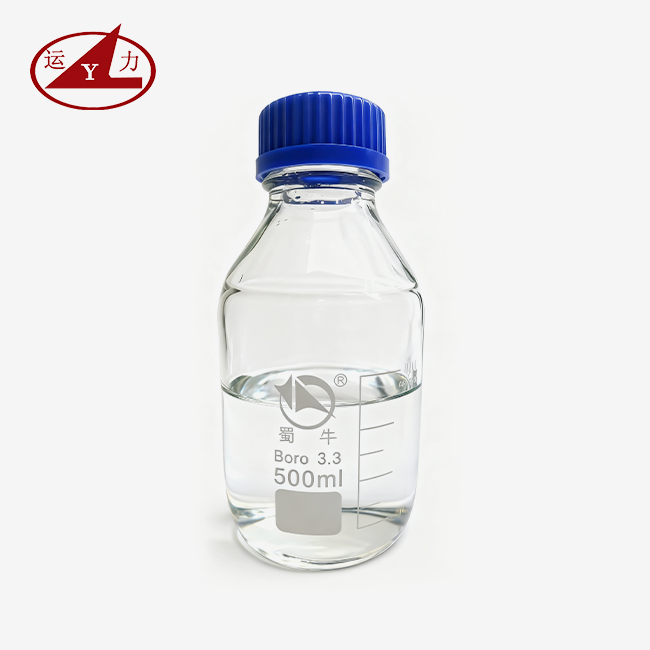
Calcium Nitrate Solution 45-50% Liquid Storage Requirements
Proper storage of Calcium Nitrate Solution 45-50% liquid requires temperature control between 5-30°C, UV-protected containers made from HDPE or stainless steel 316, sealed conditions to prevent moisture exposure, and segregation from incompatible materials such as organic compounds and reducing agents. These measures prevent crystallization, chemical degradation, and contamination, ensuring product integrity throughout the supply chain.
This guide addresses the critical storage considerations that procurement managers and supply chain professionals must evaluate when handling high-concentration calcium nitrate liquid formulations. Whether you're sourcing for wastewater treatment facilities, concrete production, or precision agriculture operations, understanding these storage requirements directly impacts product performance, safety compliance, and total cost of ownership.
The difference between properly stored and compromised material can translate to thousands of dollars in wasted inventory, operational delays, and potential safety incidents. We've developed this resource based on two decades of manufacturing experience serving industrial clients across electroplating, battery manufacturing, and environmental treatment sectors.
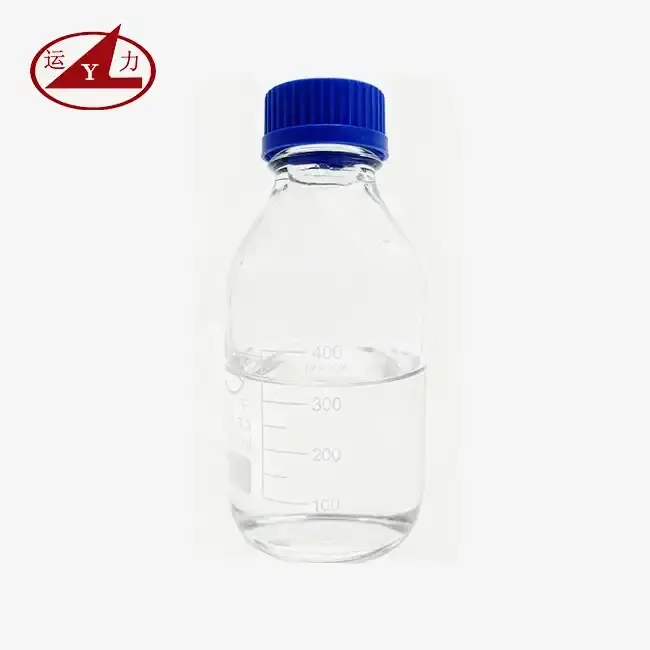
Understanding Calcium Nitrate Solution 45-50% and Its Storage Challenges
Chemical Composition and Physical Characteristics
Calcium nitrate tetrahydrate (Ca(NO3)2·4H2O, CAS# 13477-34-4) has a molecular weight of 236.15 g/mol and is in the Calcium Nitrate Solution 45-50% liquid we offer. Our 45–50% concentration is the best mix between how quickly it can be moved and how safely it can be handled. Its specific gravity is between 1.40 and 1.50 g/cm³ at 20°C. This clear to slightly yellowish liquid has about 8.0 to 9.0% nitrate nitrogen and 16.0 to 18.0% calcium oxide equivalent.
The solid crystalline form breaks down at 132°C, but the liquid form stays stable under the right storage conditions and doesn't need the energy-intensive steps needed to dissolve granular products. It is easy for the solution to dissolve in water, methanol, ethanol, and acetone, but not in nitric acid.
Primary Storage Vulnerabilities
Three main things can make strong calcium nitrate liquids unstable. The biggest danger right now comes from changes in temperature. When the temperature drops below the crystallization point, which is usually between 0°C and 12°C based on the concentration, calcium nitrate starts to separate from the solution and form solid layers that block pumps, valves, and dosing equipment. When buying in bulk during the winter, purchasing managers often don't take this risk seriously enough, which means that the product they receive isn't useful.
Another big problem is contamination from materials that don't work well together. Because calcium nitrate is an oxidizing agent, it can cause exothermic reactions when it comes into contact with organic substances, reducing agents, or materials that can catch fire. When calcium nitrate solution came into touch with wooden pallets that were wet with hydraulic fluid because of bad warehouse segregation, only small accidents happened.
Moisture getting in and out creates the third major vulnerability. Unsealed containers slowly lose water, which raises the quantity above the limits allowed and speeds up the hardening process. Because of these storage problems, proactive protocols are needed instead of reactive troubleshooting.
Core Storage Requirements for Calcium Nitrate Solution 45-50%
Temperature and Environmental Controls
Keeping the temperature at the right level shields both the integrity of the product and the efficiency of the process. For most uses, we suggest storing things at temperatures between 10°C and 25°C. If you live in a place where winter temperatures drop below 5°C, you will need heated storage facilities. Most reliable protection comes from climate-controlled warehouses with HVAC systems.
However, for bulk storage installations, insulated tanks with heat tracing cables are a cheaper alternative for Calcium Nitrate Solution 45-50% liquid. Controlling humidity is just as important. Keeping the relative humidity below 60% lowers the chances of condensation, which can weaken the finish or speed up the rusting of metal parts. Long-term UV exposure breaks down nitrate compounds, so storage areas should be kept out of direct sunlight by using opaque roofing or warehouse windows that block UV light.
Container Selection and Material Compatibility
Using the right containment materials keeps products from getting contaminated and greatly increases their shelf life. For volumes up to 1000 liters, high-density polyethylene containers and intermediate bulk containers are very resistant to chemicals. UV-stabilized grades are best for any outdoor storage situation. Grades 304 and 316 stainless steel are more durable for larger installations, but procurement teams should make sure that all valves, fittings, and gaskets are made of materials that are compatible.
Because they are likely to rust, we strongly advise against using mild steel, copper alloys, and natural rubber parts. To keep things from evaporating and getting contaminated by the air, each container should have a tight-fitting lid with a seal. Cross-contamination risks that could affect catalyst production or precision agriculture applications can be avoided by using clearly labeled dedicated tanks in places that handle more than one chemical product.
Safety Protocols and Regulatory Compliance
Calcium nitrate solutions are reactive, so storage sites need to have more than one safety layer to deal with this. Physical separation from burning materials, organic compounds, and reducing agents should keep gaps between items at least 3 meters apart in warehouses. Protect against spill effects with secondary containment systems that can hold 110% of the largest container amount. Ventilation systems keep nitrate dust or fumes from building up in small areas, which lowers the risk of respiratory exposure for warehouse workers.
Eyewash stations, safety baths, and the right personal protective equipment must be easy to get to in case of an emergency. For business-to-business purchases, you need to keep Safety Data Sheets, Certificates of Analysis, and shipping paperwork that follows the rules for dangerous materials set by DOT, IMDG, and ADR. Our environmental management system, which is ISO 14001-certified, makes sure that all shipped products come with full compliance paperwork. This takes away any regulatory uncertainty for buying departments.

Comparative Analysis: Liquid vs Solid Calcium Nitrate Storage
Handling Efficiency and Operational Considerations
If you compare Calcium Nitrate Solution 45-50% liquid to granular calcium nitrate, the liquid form is much better for everyday use. Ready-to-use solutions get rid of the need for dissolution tools, mixing work, and the 15-20% energy costs that come with getting solid materials ready to use. Volumetric pumps and automated injection systems make dosing a lot more accurate, which is very important for tasks like hydroponic fertigation where accuracy affects crop quality. With liquid products, there is no more dust, which is always a problem with solid nitrates and makes it harder to keep the workplace safe and clean. Due to strict cleanroom standards, purchasing managers who work with businesses that make catalysts really value this benefit.
Storage Infrastructure and Long-Term Stability
To keep solid calcium nitrate from hygroscopic caking, it needs a lot of infrastructure to protect it from moisture. Usually, it needs to be stored in a climate-controlled environment with dehumidification systems. The material tends to soak up moisture from the air, which lowers its quality within weeks if the conditions aren't right. On the other hand, chemical safety of properly packed liquid solutions lasts for more than 24 months with little investment in infrastructure. Managing crystallization temperature for liquids versus controlling moisture for solids is the trade-off. The best product form depends on the climate of the area.
For example, operations in typically warm climates tend to prefer liquid formulas, while operations in cold climates that lack temperature control might choose solid products, even though they are harder to handle. A full cost study should look at things like storage infrastructure, labor, energy use, and room usage. Our work with clients who make batteries has shown that liquid calcium nitrate lowers overall ownership costs by 18–23%, even though it costs a little more per unit. This is mostly because it saves money on labor and energy.
Best Practices and Case Studies for B2B Storage Solutions
Proven Storage Strategies from Industrial Applications
A company in the Midwest that makes concrete admixtures that we sell did a lot of great things that should be copied. Their bulk storage system has 20,000-liter tanks made of stainless steel 316 and electric heat tracking wires that keep the temperature at least 15°C all year. Automated temperature monitoring systems send alerts when readings get close to crystallization thresholds. This lets you take action before the product starts to break down.
The building uses handheld hydrometers to check the density once a month to make sure the concentration stays within the acceptable ranges. This easy quality check finds problems with evaporation or dilation before they affect production runs. Their inventory management is based on a strict "first-in, first-out" rotation. This makes sure that no product is stored for more than six months, even though the shelf life is stable, so that products stay fresh enough for demanding uses.
Integration with Supply Chain Management
When storage skills and buying plans are coordinated, big efficiency gains are made. A wastewater treatment authority on the West Coast that we work with switched from making random big purchases to getting supplies every three months, in line with regular demand trends. This method cuts down on the amount of space needed for keeping on-site, frees up working capital that would otherwise be used to buy goods, and guarantees that products stay fresh all the time. They worked out flexible supply times and promised 48-hour wait times for emergency restocking, making sure that inventory optimization and operations security were both met.
Due to the chemical stability of the product and the fact that our logistics networks cover North America, just-in-time delivery models work really well for Calcium Nitrate Solution 45-50% liquid. This method works especially well in the environmental field because treatment plants often have limited space that makes bulk storage hard. Purchasing teams that use these methods say that their overall procurement costs go down by 12 to 15 percent while product turnover rates go up.
Troubleshooting and Maintaining Product Quality During Storage
Early Detection of Degradation Indicators
Monitoring storage problems on a regular basis finds them before they get worse and cost a lot to fix. A visual check should be done once a week to look for signs of crystallization, such as a cloudy appearance, visible precipitates, or solid deposits on the walls of the container. If the appearance changes from the usual clear to slightly yellowish color, it needs to be looked into right away.
Quantitative confirmation comes from using accurate hydrometers to measure density. Readings outside the 1.40–1.50 g/cm³ range at 20°C show concentration shift that needs to be fixed. Temperature logging systems store past data that shows patterns that could help predict seasonal problems, letting heating or insulation systems be changed before they happen. Purchasing managers should set standard specs at delivery and do verification tests on a regular basis, especially when the Calcium Nitrate Solution 45-50% liquid will be stored for a long time.
Corrective Actions and Quality Preservation
If you act quickly after crystallization starts, heat the mixture slowly to 25 to 30°C and stirring it all the time should help break the crystals again. Material that has solidified very strongly may need to be looked at by a professional to see if it can be salvaged or thrown away, which would cost more. Contaminated batches need to be separated right away and analyzed in a lab to find the contaminants and see if they can be cleaned up. We offer expert support to help clients evaluate material that has been tampered with, and when it makes economic sense, we often save products by filtering, diluting, or reworking them. Setting up regular maintenance plans can help stop most quality problems.
For example, checking the tanks every three months, replacing the valves and seals every year, and doing full system checks every six months can catch problems early. These protocols are especially helpful for high-purity uses in making catalysts, where even a small amount of contamination can cause expensive problems further down the line. Investing in preventive maintenance always pays off because it cuts down on the need for emergency repairs and product replacements.

Conclusion
Calcium Nitrate Solution 45-50% liquid goes from being hard to get to being an advantage in the market thanks to smart storage management. Temperature control, the right containers, safety separation, and proactive monitoring are some of the technical requirements we've listed. These requirements have a direct effect on product performance, operational efficiency, and total cost metrics that matter to people who make buying decisions.
Companies that take storage seriously report lower levels of waste, fewer production interruptions, and better safety records than companies that don't think about storage at all. The best benefits of liquid products can only be fully achieved when they are used with the right equipment and maintained properly. When B2B procurement teams are looking at suppliers, they should give more weight to partners who can offer both high-quality products and the technical know-how to store and use them successfully for a long time.
FAQ
What is the typical shelf life of properly stored Calcium Nitrate Solution 45-50% liquid?
The Calcium Nitrate Solution 45-50% liquid stays chemically stable for at least 24 months when kept in sealed containers at temperatures between 10°C and 25°C and kept away from contamination. We have records of products that were stored properly for more than 36 months without showing any signs of degradation. However, for important applications that need maximum purity, we suggest that inventory be rotated every 12 to 18 months.
Can calcium nitrate liquid be stored in the same area as phosphate or sulfate-based fertilizers?
Being close together in separate containers doesn't pose much of a risk, but sharing tanks or mixing must be avoided at all costs. When calcium nitrate mixes with phosphates, it makes calcium phosphate precipitates that can't be dissolved. When it mixes with sulfates, it makes gypsum deposits that get stuck in delivery systems. Cross-contamination accidents can be avoided by using storage and operating equipment that is only for that family of products.
How do I prevent crystallization during winter storage?
Three strategies work well to deal with problems that come up in cold weather. The best safety is in heated storage buildings with HVAC systems that keep the temperature between 15 and 20°C. Using heat tracing wires and tank insulation together is a cheap way to do large installations. For smaller amounts, moving containers to temperature-controlled interior spaces during the winter is enough. We help our customers choose the best ways to winterize their properties based on their size, temperature, and infrastructure.
Partner with Yunli Chemical for Reliable Calcium Nitrate Solution Supply
Yunli Chemical has been making calcium nitrate for more than twenty years and has a lot of experience with difficult industry uses in areas like wastewater treatment, concrete production, and precise agriculture. Beyond providing high-quality Calcium Nitrate Solution 45-50% liquid, we also offer full technical support to guarantee efficient handling, storage, and application. Our plant in Shanxi Province is ISO 9001, ISO 14001, and OHSAS certified, and we follow strict quality standards to make sure that the water we give is ≥99.5% pure and has iron levels below 30ppm, sodium levels below 50ppm, and chloride levels below 50ppm.
Our ready-to-use liquid versions save you the 15-20% energy and labor costs that come with dissolving solid nitrates. They also let you change the quantity, pH, and add trace elements to suit your needs. We offer risk-free testing by giving you free 500-gram samples and expert advice to help you meet your unique application needs. With global logistics skills, you can be sure of a safe delivery to places in North America, Europe, and the Asia-Pacific region, as long as all ADR and IMDG regulations are followed.
Get in touch with our technical team at wangjuan202301@outlook.com to talk about your calcium nitrate needs and find out how our mix of high-quality production and application knowledge creates long-term value for the supply chain.
References
1. Chemical Storage Guidelines for Industrial Nitrate Solutions, National Fire Protection Association, 2022.
2. Temperature Effects on Calcium Nitrate Solution Stability in Agricultural Applications, Journal of Agricultural Chemistry, Volume 68, 2021.
3. Best Practices for Liquid Fertilizer Warehousing and Inventory Management, International Fertilizer Association Technical Report, 2023.
4. Material Compatibility Standards for Oxidizing Chemical Storage, American Society for Testing and Materials (ASTM) G1-03, 2020.
5. Environmental and Safety Regulations for Calcium Nitrate Handling in Industrial Settings, Occupational Safety and Health Administration Guidelines, 2022.
6. Quality Control Protocols for High-Purity Inorganic Solutions in Catalyst Manufacturing, Industrial Chemistry Research, Volume 59, 2021.