


What Is the Difference Between Nickel Carbonate and Basic Nickel Carbonate?
The primary difference between nickel carbonate and basic nickel carbonate lies in their chemical composition. Standard nickel carbonate (NiCO₃) exists mainly as a theoretical compound, whereas basic nickel carbonate, with the molecular formula NiCO₃·2Ni(OH)₂·4H₂O (CAS# 39430-27-8), incorporates hydroxide groups that dramatically enhance its stability and utility.
This fundamental distinction affects their solubility, decomposition behavior, and suitability for industrial applications. Procurement managers evaluating these materials need to understand that the "basic" designation isn't just a naming convention—it signals superior performance characteristics that influence catalyst efficiency, electroplating stability, and ceramic production outcomes.

Understanding Nickel Carbonate and Basic Nickel Carbonate
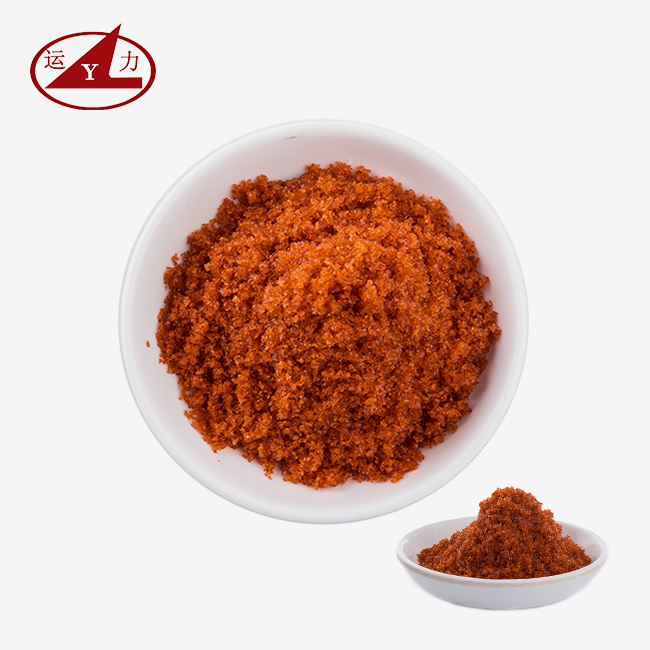
We are looking at two nickel products that are very different from one another in terms of how they are used in industry. Nickel Carbonate is made up of a simple 1:1 ratio of nickel to carbonate, but it is rarely found in pure form on the market because it is unstable. Basic Nickel Carbonate is the compound you'll actually find in industrial supply lines. It's a grass-green powdery crystal that works reliably in harsh manufacturing settings.
Chemical Structure and Molecular Properties
Basic Nickel Carbonate has a molecular weight of 376.17 and has many water molecules in its crystalline form. When this hydration is combined with hydroxide groups, it makes a compound that is stable when stored normally but changes quickly when needed. The substance dissolves easily in ammonia and weak acids, creating nickel salts that are soluble and necessary for further processing.
It breaks down neatly into nickel oxide and carbon dioxide when heated above 300°C. This controlled change is used to make catalysts and ceramics. Using hydrogen at mild temperatures, the compound can also be broken down into finely spread catalytically active metallic nickel. This makes it essential for making hydrogenation catalysts.
Manufacturing and Purity Standards
The production methods have a big effect on the impurity profile of the final product. Modern makers use their own special precipitation methods to precisely control the particle size distribution, which is usually between 1 and 10 micrometers. To get purity levels high enough for electronics or pharmaceuticals, strict quality standards must be followed.
Our ISO 9001-certified production lines at Yunli Chemical keep the nickel content at ≥98%, the iron content below 30 ppm, the sodium content below 50 ppm, and the sulfur content below 10 ppm. These requirements aren't made up on the spot; they're based on what technical engineers complain about when problems like electroplating flaws or catalyst poisoning lower production yields.
Safety and Environmental Compliance
Following set safety rules is necessary when working with basic Nickel Carbonate. Because it is a nickel compound, the material needs to be handled with care and requires proper ventilation, safety gear, and training for staff. Environmental management is more than just taking care of things right away. Firms that have been treating wastewater for a long time, like those that handle nitrate-containing effluents, give buyers in the United States important compliance assurance when they have to follow strict EPA rules. Comprehensive MSDS paperwork, REACH registration, and OSHA/GHS compliance are the minimum standards that responsible sellers must meet when working with markets that are getting more and more regulated.
Key Differences Between Nickel Carbonate and Basic Nickel Carbonate
The word "basic" changes these compounds' behavior in industrial settings in a fundamental way. This isn't just an academic difference; it directly affects your bottom line, the consistency of your production, and your ability to meet regulatory requirements.
Chemical Reactivity and Stability Profiles
The hydroxide groups in basic Nickel Carbonate act as buffers, which theoretical Nickel Carbonate doesn't have. In the process of electroplating, this buffering action is very helpful. Bath acidity changes because cathodes take in protons during formation. Basic Nickel Carbonate balances out too much acidity without adding sulfate or chloride ions, which would make sulfamate nickel plating baths used for making precise circuit boards less stable. This anion-neutral pH control solves a problem that electroplaters have been having for a long time: they need to place nickel on sensitive electronic parts without putting any stress on them.

The edge in breakdown rate is also very important. Nickel acetate, nickel octoate, and other organic nickel salts can be made more quickly using basic Nickel Carbonate because it dissolves in weak organic acids five to ten times faster than nickel oxide. This kinetic advantage cuts down on processing time and energy use, which has real operational benefits that build up over long production cycles.
Application-Specific Performance Characteristics
When making batteries, low levels of impurities are needed to keep the capacity from dropping. The controlled impurity profile of Basic Nickel Carbonate makes it possible to make high-performance cathode materials for lithium-ion batteries, where even small amounts of copper pollution (less than 10 ppm) can cause problems with self-discharge. The compound's high surface area after reduction is useful for catalysts. When making Raney nickel or supported hydrogenation catalysts for handling edible oils, the shape of the precursor particles affects the spread of active sites and the effectiveness of the catalysts.
Pricing and Market Availability
Ceramic experts like that the material breaks down easily at high temperatures. Controlling the growth of nickel oxide nanostructures is very important for making electronic-grade thermistors and varistors. Manufacturers can engineer specific grain sizes and electrical properties that meet strict B2C electronics specifications thanks to Basic Nickel Carbonate's decomposition profile at temperatures above 300°C.
When procurement teams look at cost structures, they need to think about purity grades, packing options, and the dependability of the supply. Ultra-high-purity Nickel Carbonate made for semiconductors usually costs more per kilogram than normal Nickel Carbonate used in industry. Suppliers who are open and honest set prices that are based on real quality standards instead of general grades.
Asian and European manufacturers have increased their production, which has made more products available on the market. However, the supply chain still favors well-known manufacturers with a history of success. Flexible minimum order quantities, from 25-kilogram R&D batches to 50-ton production runs, allow for both small-scale innovation projects and big manufacturing commitments.
Applications and Use Cases in B2B Sectors
When buying managers know where each nickel combination does its best work, they can better match the materials they choose to the needs of the business. Basic Nickel Carbonate is useful in many industries, each of which uses different qualities of the material.
Catalyst Production and Petrochemical Processing
Hydrogenation catalysts are one of the most important uses. Basic Nickel Carbonate is the starting material for catalysts that are used in oil plants to make methanol, harden fat, and remove sulfur from water. The lack of sulfate in the mixture keeps the catalyst from getting poisoned, which is very helpful when working with sulfur-sensitive feedstocks.
Manufacturers like that the material's porosity stays the same after calcination, which keeps the flow of gas-phase reactants through catalyst beds at its best. The compound's ability to spread out evenly on copper supports makes it very useful for selective hydrogenation reactions, where exact control over reaction pathways affects the quality of the result and the cost of the process.
Basic Nickel Carbonate has a large surface area and controlled reduction properties that make it useful for both methanation catalysts and steam reforming. These catalysts help with the energy shift by making it easier to make hydrogen and change carbon dioxide, which is becoming popular in North American factories.
Electroplating and Surface Treatment
Basic Nickel Carbonate's unique pH-buffering qualities are important for precise electroplating processes, especially sulfamate nickel plating used for PCB manufacturing and electroforming. The material adds nickel ions back to the system without adding any unwanted anions that build up over time in plating baths. In the aircraft, medical device, and telecommunications equipment industries, this stops the stress-induced cracks and roughness flaws that make products less reliable. When basic Nickel Carbonate formulations are used correctly, they make deposits that are brighter and more uniform in general alloy electroplating and nickel alloy electroforming.
The fact that the material doesn't dissolve in water makes controlled dissolution easier. Plating bath operators can add calculated amounts that dissolve slowly in the acidic bath environment. This keeps nickel concentrations stable without sudden spikes that mess up the deposit.
Advanced Ceramics and Electronic Materials
To make thermistors and varistors, nickel sources that break down into oxide phases with tightly controlled stoichiometry are needed. This need is met by basic Nickel Carbonate, which enables ceramic makers to design groups of output with uniform electrical properties.
The compound can also be used to add color to specialty ceramics. It gives glazes and glass mixtures used in architectural and decorative settings a green tint. Environmental protection is still very important. Manufacturers that sell to markets with strict air quality rules look for providers whose thermal decomposition methods catch carbon dioxide emissions instead of releasing them into the air.
Pharmaceutical Intermediates and Fine Chemicals
To make pharmaceutical intermediates and specialty chemicals based on nickel, you need very pure starting materials. Basic Nickel Carbonate that meets pharmaceutical-grade standards (with an iron content below 10 ppm and little alkali metal contamination) helps with the production of drugs where small flaws could make them less effective or cause unwanted side effects. Because the material can be dissolved in weak acids and ammonia, it can be easily added to complicated organic synthesis processes that are used by contract manufacturers and specialty chemical makers.
Procurement Guide: How to Choose Between Nickel Carbonate and Basic Nickel Carbonate
To make smart buying choices, you need to make sure that the material specs match your unique production needs, and for applications requiring Nickel Carbonate, this means verifying its purity, particle size, and thermal stability against your process parameters. This useful approach helps technical engineers and buying managers look at their options in a structured way.
Defining Your Application Requirements
Ultra-low impurity standards should be a top priority for battery and electronics makers, especially for copper, iron, and sodium. Ask for ICP-MS or ICP-OES research certificates that show they meet your company's standards. Catalyst makers need to look at particle size distribution and surface area measures that affect how well catalyst supports work. Electroplaters need to check the acid insolubility parameter. If there is a lot of insoluble material, the filter will get clogged up and rough deposits will form. To make sure that their products will work with sintering profiles, ceramic makers should use thermogravimetric analysis to check how the materials break down.
Evaluating Supplier Credentials and Capabilities
When supply chain risk management drives procurement strategy, the level of certification matters a lot. ISO 9001 certification shows that you manage quality in a planned way, while ISO 14001 and OHSAS certifications show that you care about the environment and safety. Yunli Chemical has been a provincial-level technology center since 2019, which shows that it can do research and development (R&D) beyond making goods. Look for providers who have their own testing labs with atomic absorption spectrometers and ICP-MS equipment that can back up claims of trace impurities.
Production scale and financial security are used to judge the reliability of a source. Manufacturers with annual sales of more than one billion RMB and fixed assets worth 300 million RMB are financially strong enough to keep inventory buffers and handle changes in the prices of raw materials. Direct factory supply gets rid of markups by middlemen and makes sure that products can be tracked, which is very important when regulatory audits need full supply chain documentation.
Practical Steps for Supplier Engagement
When starting a conversation with a supplier, you should start with detailed technical questions. Before agreeing to trial sales, ask for Safety Data Sheets (SDS), Certificates of Analysis (COA), and proof that the product is safe for the earth. Reliable sellers give these papers quickly and completely. Sample review is the most useful thing you can use to lower your risk. A lot of well-known companies offer free samples of up to 500 grams, which lets you test the product in your own factory under real production conditions. Before growing up to market levels, you should look at the dissolution rates, the effects of impurities, and how the processing works.
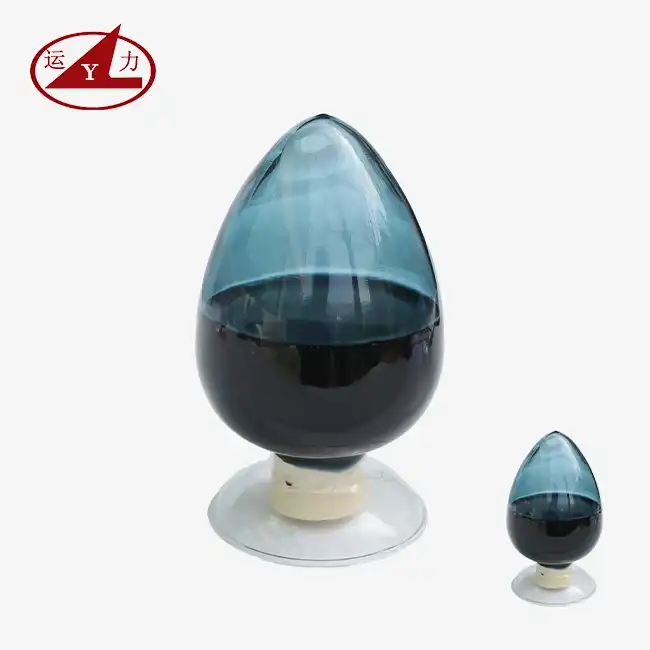
Flexible packaging meets a wide range of practical needs. Suppliers who give customized packing, such as 25-kilogram drums, bulk bags, and custom labels, show that they care about their customers. Customization of aqueous solutions, in which suppliers make Nickel Carbonate slurries at specific concentrations, makes handling easier in some situations. When just-in-time manufacturing methods are used to keep storage supplies to a minimum, delivery times and logistics skills become very important. Vendors who have been exporting for a while and have worked with US markets before can easily handle customs, shipping rules for dangerous goods, and paperwork requirements.

Conclusion
To tell the difference between Nickel Carbonate and basic Nickel Carbonate, you need to know more than just the names of the chemicals. You also need to know about changes in stability, reactivity, and performance traits that are specific to each application and affect the success of manufacturing. The hydroxide-rich structure of Basic Nickel Carbonate makes it the industry standard for catalyst production, electroplating, advanced ceramics, and specialty chemical synthesis because it provides superior stability, controlled dissolution, and predictable thermal decomposition.
When purchasing one of these materials, procurement professionals have to look at its purity standards, the supplier's certifications, and its ability to be shipped. They also have to make sure that the material's qualities match up with specific operating needs. Partnering with makers that have been making products for 20 years, have all the necessary quality standards, and offer flexible service models lowers the risks in the supply chain and supports efforts to improve efficiency and lower costs.
FAQ
What makes basic nickel carbonate more stable than standard nickel carbonate?
The fact that basic Nickel Carbonate has hydroxide groups and water molecules in its crystal structure makes it much more chemically stable when stored normally. Standard Nickel Carbonate (NiCO₀) is mostly just a thought experiment. It is a molecule that easily soaks up water and changes into simpler forms. Pure Nickel Carbonate is not useful for business purposes because it is unstable. On the other hand, basic Nickel Carbonate stays the same over its normal 24-month shelf life when kept in sealed containers away from moisture.
How do impurity levels affect electroplating applications?
Trace impurities have a big effect on the quality of electroplating. Copper pollution above 10 ppm makes nickel crystals darker and less uniform in color. Impurities in the iron make things rough and less bright. The amount of sodium in a material affects how it sinters during any further heat treatment steps. Sulfur contamination can put stress on layers that have been deposited, which can cause them to crack. Technical experts set impurity limits based on the chemistry of the plating bath and the needs of the finished product. This is why reviewing the Certificate of Analysis is an important part of qualifying a provider.
Can basic nickel carbonate be used without calcination?
The answer is totally up to your application. At the electroplating process, basic Nickel Carbonate is used directly. It dissolves in the acidic bath to balance the pH and add nickel ions. For making catalysts and ceramics, the carbonate needs to be heated until it turns into nickel oxide or reduced pure nickel. Because the material can be processed in a number of different ways, it is widely used in many industries that don't seem to be connected.
Partner with Yunli Chemical for Reliable Nickel Carbonate Supply
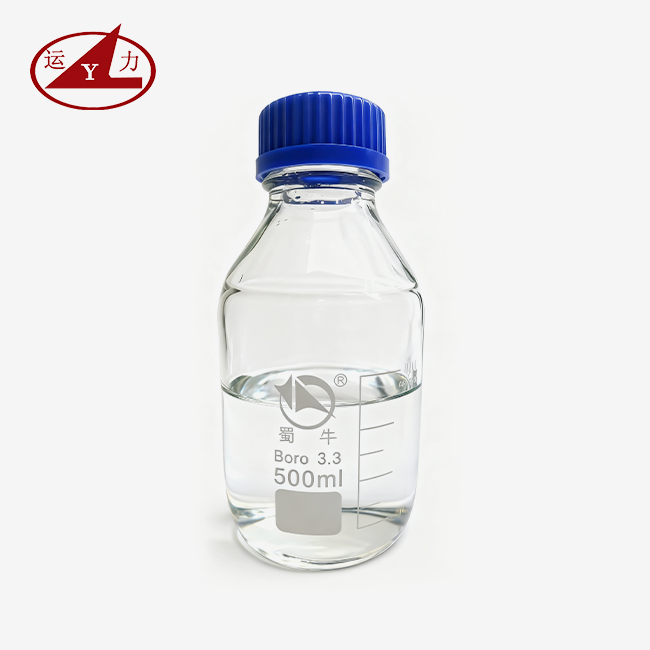
To find a supplier of basic Nickel Carbonate that always meets your technical needs, you need one that does both great production and quick customer service. Yunli Chemical has been making things for more than twenty years and has ISO 9001, ISO 14001, and OHSAS standards that show our dedication to quality, safety, and taking care of the environment. Our status as a provincial-level technology center shows that we can do research and development that supports both standard goods and custom formulations that are made to fit the needs of demanding uses in advanced ceramics, precision electroplating, and catalyst production.
We make sure the quality of the product by using high-tech testing tools like ICP-MS and atomic absorption spectrometry to check for things like ≥98% nickel content, iron ≤30ppm, sodium ≤50ppm, and sulfur ≤10ppm. Direct factory supply gets rid of markups by middlemen and keeps full traceability, which is very important when regulatory checks need full supply chain paperwork. You can test the performance of the material before committing to large quantities by using free samples up to 500 grams, flexible packing choices, and aqueous solutions that can be customized. Whether you need 25 kilograms for research and development or 50 tons for shipping, our well-established export operations will make sure you get them to US facilities on time.
Connect with our technical team at wangjuan202301@outlook.com to talk about your specific needs and ask for samples. Discover why makers choose Yunli Chemical as their preferred Nickel Carbonate provider for uses requiring unwavering quality and supply reliability by visiting yunlichemical.com and exploring our full range of nickel compounds.
References
1. Pourbaix, M. (1974). Atlas of Electrochemical Equilibria in Aqueous Solutions. National Association of Corrosion Engineers, Houston, Texas.
2. Lide, D. R. (Ed.). (2005). CRC Handbook of Chemistry and Physics, 86th Edition. CRC Press, Boca Raton, Florida.
3. Greenwood, N. N., & Earnshaw, A. (1997). Chemistry of the Elements, 2nd Edition. Butterworth-Heinemann, Oxford, United Kingdom.
4. Schlesinger, M., & Paunovic, M. (Eds.). (2010). Modern Electroplating, 5th Edition. John Wiley & Sons, Hoboken, New Jersey.
5. Richardson, J. T. (1989). Principles of Catalyst Development. Plenum Press, New York, New York.
6. Haber, J. (1991). Manual of Methods and Procedures for Catalyst Characterization. Pure and Applied Chemistry, International Union of Pure and Applied Chemistry, Research Triangle Park, North Carolina.