


Chromium Nitrate Applications in Ceramic Manufacturing
Chromium nitrate (Cr(NO₃)₃·9H₂O, CAS 7789-02-8) is a trivalent chromium salt that ceramic manufacturers rely on for glazing, pigmentation, and functional additive roles. Unlike hexavalent chromium compounds, it delivers vivid, thermally stable color development without the associated carcinogenic hazards. Its clean nitrate decomposition pathway leaves pure Cr₂O₃ active sites in the ceramic matrix, improving both aesthetics and structural performance. Whether you are scaling a mid-sized tile operation or sourcing for advanced technical ceramics, understanding how this compound behaves—and where to source it reliably—shapes your production outcomes directly.

Understanding Chromium Nitrate and Its Properties for Ceramics
Chemical Identity and Physical Behavior
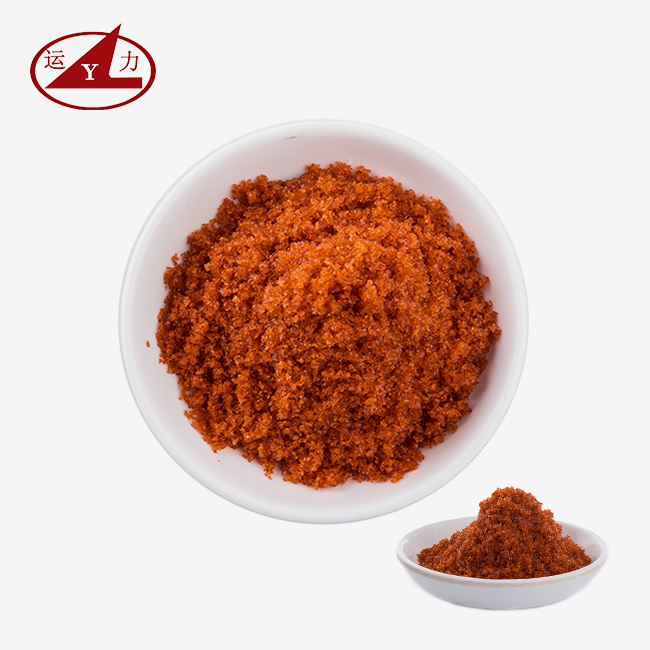
Chromium nitrate nonahydrate has a molecular weight of 400.15 g/mol and the formula Cr(NO₃)₃·9H₂O. Crystals of it are dark purple-red, and their melting point is 60°C. At about 125.5°C, they break down. The chemical quickly absorbs moisture from the air and is easily broken down in water, ethanol, acetone, and inorganic acids. Its water-based solution changes color from red to purple when heated and back to green when cooled. This is a clear sign of chromium's coordination chemistry at work.
Stability, Storage, and Safety Compliance
Chromium nitrate nonahydrate is an oxidizer (UN 2720, Class 5.1), so it needs to be kept in a cool, dry place away from things that can catch fire and things that reduce other substances. Drums with polyethylene liners that are hermetically sealed keep moisture out and prevent caking. The main safety issue is hexavalent chromium (Cr⁶⁺) pollution. High-quality materials should show that Cr⁶⁺ levels are below 5 ppm using the diphenylcarbazide colorimetric method. To keep workers safe and meet OSHA and REACH standards, facilities that handle this material should follow SDS-aligned practices that include using the right PPE and having enough local exhaust ventilation.
Core Applications of Chromium Nitrate in Ceramic Manufacturing
Glazing, Pigmentation, and Color Development
Trivalent chromium compounds make stable shades of green, brown, and gray in ceramic glazing. The shades depend on the composition of the host matrix and the firing temperature. During the firing process, chromium nitrate breaks down into Cr₂O₃ nanoparticles that mix evenly with the glaze network. This system makes sure that the color saturation stays the same across big production runs, which is hard to do with chromium oxide powder alone because the particles can stick together and the color can be spread out unevenly.
Functional Performance Enhancements
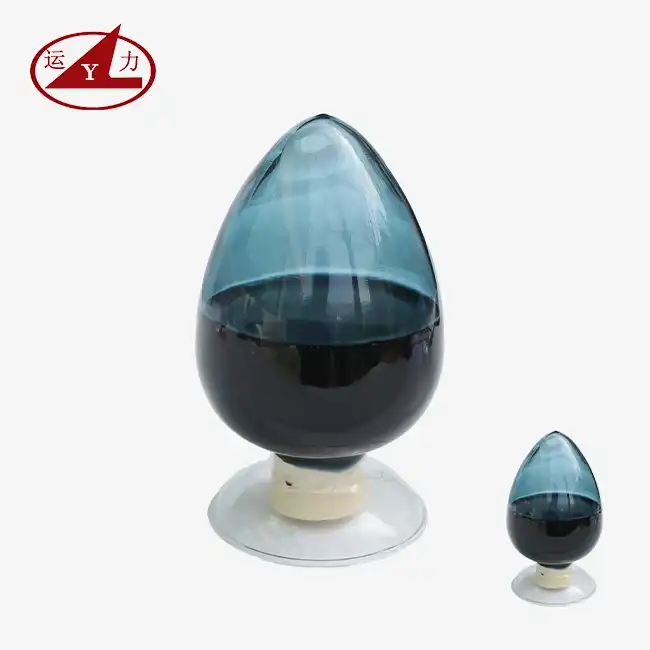
In addition to adding color, chromium-based elements make clay bodies more resistant to chemicals and heat. A study in the Journal of the European Ceramic Society shows that adding controlled amounts of Cr₂O₃ to alumina-based ceramics makes them harder to break and lessens the difference in thermal expansion. Ceramic makers in Guangdong and Zhejiang have seen a noticeable drop in glaze crawling defects after switching to high-purity chromium nitrate solution. They believe this is because the compound's breakdown pathway is free of chloride and sulfate, two contaminants that cause surface blistering.

Comparing Chromium Nitrate Grades and Market Solutions for Ceramic Applications
Selecting the Right Grade for Your Process
The readily available nonahydrate form (9H₂O) is the best for ceramic use because it is easy to work with. It dissolves easily in water (about 81 g/100 mL at 20°C), making it simple to add to glaze solutions. Tiers of purity are very important:
- Industrial grade (98%–99%): is good for glazing tiles, coloring glass, and making decorative ceramics where trace metal levels aren't too tight.
- High-purity grade (99.5%–99.9%): This grade is best for technical ceramics, electronic substrates, and nanoceramic composites that need to have Fe below 30 ppm and Cl⁻ below 0.01% in order to keep their dielectric or mechanical properties.
Matching pure to end-use specifications is the most cost-effective way to make these grades work for different industrial needs.
How Chromium Nitrate Compares to Alternative Chromium Salts
Chromium sulfate adds sulfate ions that can react with calcium in glaze frits to make them precipitate and fog up. Chromium chloride has acidic chloride ions that speed up the breakdown of kiln refractory. Even though chromium acetate is safe for biological materials, it increases the chance of carbon contamination during high-temperature burning. At pottery firing temperatures (typically 1000°C–1300°C), the nitrate anion of chromium nitrate decomposes fully, leaving no ionic remains that could damage the glaze or ceramic body. Because it burns off cleanly, it is the colorant precursor of choice for clay manufacturers who care about quality.
Procurement Considerations for Chromium Nitrate in B2B Ceramic Manufacturing
When choosing where to get ceramic-grade chromium compounds, you have to think about technical, logistical, and legal issues that have an impact on the cost structure and continuity of production. Before choosing a seller, buying teams should look at these important factors:
- Purity and impurity certification: Certificates of Analysis (COA) for each batch should show that Fe is less than 30 parts per million, Cl is less than 0.01%, SO₄ is less than 0.05%, and Cr⁶⁺ is less than 5 parts per million. The most reliable evidence for analysis comes from ICP-OES or ICP-MS tests.
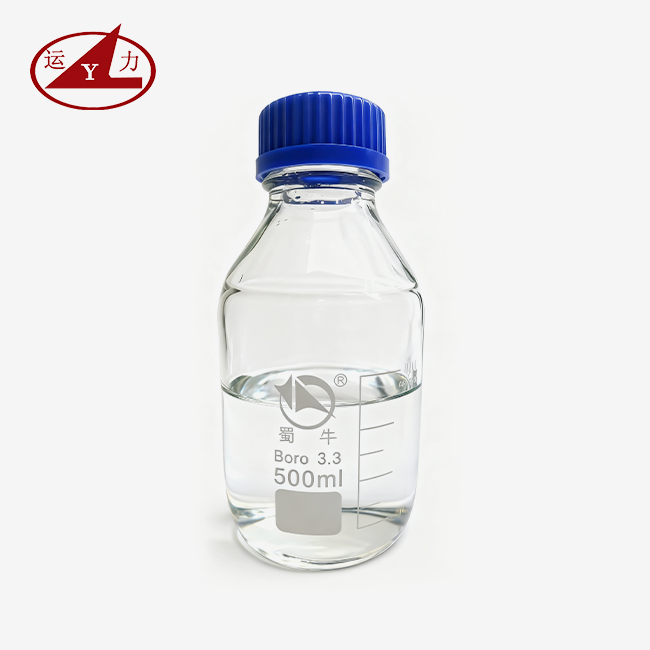
- Form flexibility: solid crystals are good for shipping in bulk over long distances, while liquid solutions speed up the melting process in glaze preparation lines. Make sure you know which form fits your mixing tools.
- Certifications: For buyers in Europe and North America, REACH, RoHS, and ISO 9001 are requirements that must be met. The ISO 14001 environmental certification shows that a company can properly treat trash, which is very important for companies that deal with nitrate effluents.
- MOQ and customization: Around 1,000 to 5,000 kg per order is what most medium-sized ceramic businesses need. When you buy from suppliers who offer pH (±0.2) and custom Fe/Cl levels, you don't have to do as much of the preparation work yourself.
A low-risk, long-term supply relationship is built on these parameters. For a new supplier relationship, the normal procurement cycle includes technical assessment, sample testing, trial production, and then bulk supply. The cycle starts with reviewing the specs and lasts for four to eight weeks.
Future Trends and Innovations Using Chromium Nitrate in Ceramics
Nanoceramics, improved composites, and eco-friendly colorant systems are becoming more popular in the ceramics business. With these changes, the role of chromium nitrate is growing. It can make nanoscale Cr₂O₃ through controlled thermal breakdown, which makes it a useful starting material for nanoceramic pigments. In these pigments, particle size consistency in the 20–100 nm range has a direct effect on how well they work optically.
Regulatory pressure is also changing how companies source goods and services. Because the EU is continuing to tighten REACH rules on hexavalent chromium and North American markets are becoming more scrutinized, trivalent chromium sources are becoming more appealing as the option. If manufacturers lock in supply lines for stable, high-purity trivalent chromium now, they will be better prepared for future disruptions caused by compliance. Procurement teams can get the regulatory cover they need from supplier partnerships that have proven environmental management systems and the ability to treat nitrate wastewater.
Conclusion
Chromium nitrate nonahydrate plays a clear and growing part in the production of ceramics, from adding color to glazes to improving technical ceramics' functionality. It is a useful and long-lasting option because it breaks down cleanly, works with common glaze systems, and matches the regulatory preferences for trivalent chromium. The three things that directly affect the quality of downstream production are purity, batch consistency, and the environmental standards of the seller. Product performance and supply stability will be ensured by procurement teams that use systematic supplier evaluation and keep clear specification requirements.
FAQ
Is chromium nitrate nonahydrate safe to handle in a ceramic facility?
Because the substance is an oxidizer, it needs to be stored away from organic materials and handled in well-ventilated areas. Standard safety measures include wearing gloves and eye protection. Protocols that are in line with SDS and OSHA requirements handle normal industrial use well.
What purity level do ceramic glaze applications require?
With 98% to 99% purity, standard decorative glazing works well. For technical ceramics and nanoceramics uses, grades need to be between 99.5% and 99.9%, with Fe levels below 30 ppm and confirmed Cr⁶⁺ levels below 5 ppm.
What is the typical lead time and MOQ for B2B orders?
A 1,000 kg MOQ is what most qualified sellers use. Lead times for standard grades are two to four weeks, while lead times for custom specifications can be four to six weeks.
Can chromium nitrate solution replace chromium oxide powder directly?
Not as a drop-in. The solution form spreads better in water-based glaze slips, but the firing profiles need to be changed to account for the water content and differences in decomposition temperature.
How should I verify supplier quality before committing to volume orders?
Ask for a COA with ICP-OES impurity data, have a third-party test the sample batch, and do a controlled trial glaze fire before increasing the output volume.
Partner with Yunli Chemical — Your Trusted Chromium Nitrate Supplier
For more than 18 years, Yunli Chemical has sold highly pure chromium nitrate to glass and ceramics makers in Europe, North America, and Asia. ICP-MS tests on every batch show that our product is 98% to 99.9% pure, with Fe levels below 30 ppm and Cr⁶⁺ levels below 5 ppm. You can get free samples of up to 500 g. You can email our technical team at wangjuan202301@outlook.com right now to ask for a COA or start a free trial.

References
1. Kingery, W. D., Bowen, H. K., & Uhlmann, D. R. Introduction to Ceramics (2nd ed.). Wiley-Interscience, 1976.
2. Sánchez-Muñoz, L., et al. "Chromium-Based Pigments in Ceramic Glazes: Colorimetric and Structural Analysis." Journal of the European Ceramic Society, 2018.
3. Dondi, M., Cruciani, G., Guarini, G., Matteucci, F., & Raimondo, M. "The Role of Counterions in Chromium-Doped Oxide Ceramic Pigments." Journal of the European Ceramic Society, 2006.
4. European Chemicals Agency (ECHA). Restriction of Hazardous Substances — Chromium Compounds Guidance Document. ECHA, 2022.
5. Reed, J. S. Principles of Ceramics Processing (2nd ed.). John Wiley & Sons, 1995.
6. Fiore, S., & Zanetti, M. C. "Environmental and Technical Evaluation of Chromium Salt Substitution in Industrial Ceramic Coloring." Ceramics International, 2020.