



Calcium nitrate tetrahydrate benefits for plants
Calcium Nitrate Tetrahydrate gives plants calcium and nitrate-nitrogen right away. This makes the cell walls stronger, stops physiological problems like bloom end rot, and encourages strong growth. This substance, which has the molecular formula Ca(NO3)2·4H2O and a water solubility of more than 1290 g/L at 20°C, makes sure that roots and leaves quickly take in nutrients. Because it has a normal pH level and works with fertigation systems, it is the best choice for greenhouses, hydroponics, and precision farming, where quality and cleanliness are very important.
Understanding Calcium Nitrate Tetrahydrate and Its Role in Plant Nutrition
Chemical Properties and Nutrient Composition
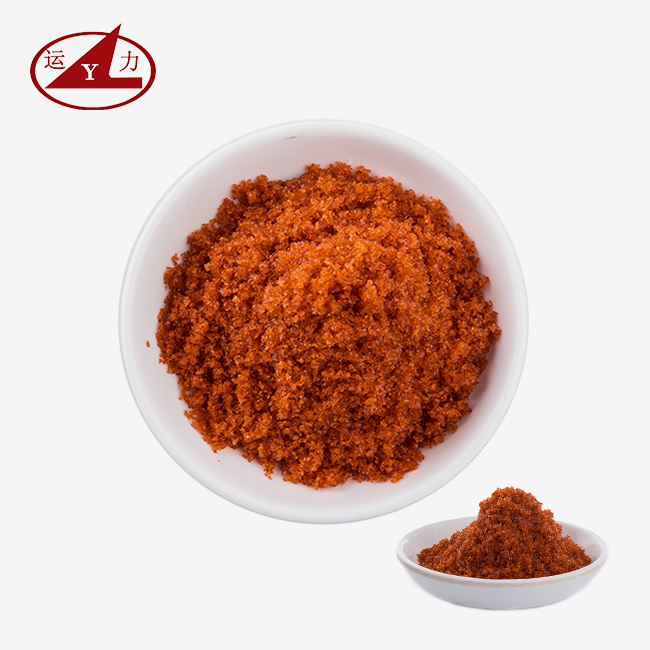
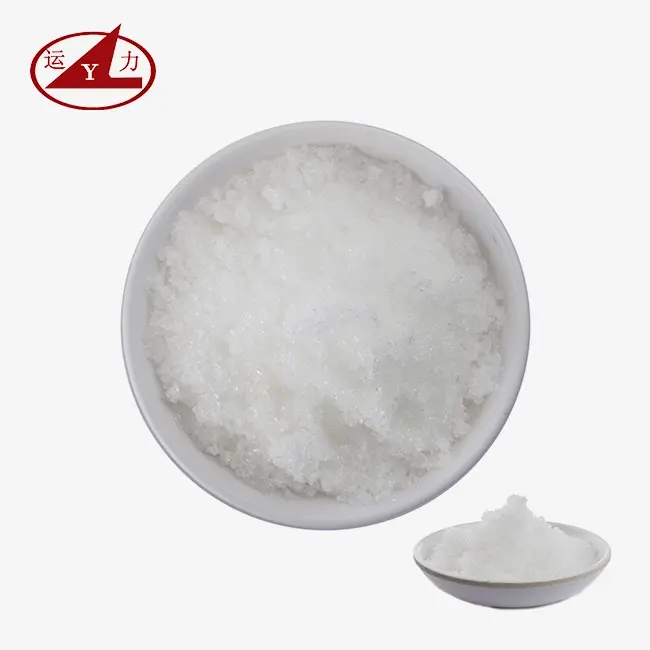
We know that Calcium Nitrate Tetrahydrate (molecular weight 236.15 g/mol) is different from other fertilizer salts because it delivers two nutrients in a balanced way. This white crystalline substance breaks down quickly in water, methanol, ethanol, and acetone, and it doesn't leave behind any residue that could block watering emitters. About 16.9% of the tetrahydrate form is calcium, and 11.7% is nitrate-nitrogen. This form gives plants chemicals that they can take right away.
The compound's monoclinic crystal structure keeps it stable in normal warehouse conditions, but because it absorbs water, it needs to be stored in a controlled setting. With a specific density of 1.895 and a decomposition temperature of 132°C, it is still easy for industry processes to handle. Unlike options based on ammonium, which make growing media more acidic, this calcium source keeps the pH of the soil neutral, which protects helpful microbes.
Nutrient Uptake Mechanisms in Plants
Plants take in calcium through apoplastic routes in the tips of their roots. The nutrient then moves through xylem tissue to areas where the plant is actively growing. The nitrate part gets in through high-affinity transporters, which sets off enzyme reactions that improve nitrogen metabolism as a whole. When a foliar spray with a concentration of 0.5 to 1.0% is used, nutrients get into the leaf tissues straight through the stomatal openings and cuticle penetration, going around the limits of the root zone.
This method has two effects: it meets both long-term structural needs and instant metabolic needs. Calcium makes the middle lamella between cell walls stronger, so cells don't fall apart when they are under water stress or mechanical pressure. Nitrate-nitrogen speeds up photosynthesis during important growth stages by starting the production of chlorophyll and proteins.
Compatibility with Modern Application Methods
Precision delivery systems that need highly soluble inputs are being used more and more in agriculture. When mixed with phosphate or sulfate fertilizers in the right order, Calcium Nitrate Tetrahydrate works great in drip irrigation systems because it keeps the solution clear and stops precipitates from forming. Hydroponic growers like that it is the main source of calcium in nutrient stock solutions, where pure levels above 99% stop algae growth and microbe contamination.
Foliar feeding programs work better with this substance because it dissolves quickly and has a neutral pH. Spray solutions don't crystallize on the tips of nozzles for long periods of time, so they cover big production areas evenly. Greenhouse managers say that this material always gives the same results when it is added to automatic fertigation plans because it dissolves in a predictable way that lets them use exact nutrient ratios without having to re-calibrate.
Key Benefits of Calcium Nitrate Tetrahydrate for Plant Growth and Yield
Enhanced Root Development and Structural Integrity
When roots are exposed to the right amount of calcium, their cell walls get bigger and their meristematic zones get stronger. We see that tomato plants that get regular applications through drip lines grow 30–40% more side roots than controls that don't get enough calcium. The bigger root structure makes it easier for the plant to take in water when it's hot and makes it easier for the plant to get nutrients from the dirt.
Reinforcing the cell wall affects all parts of a plant, not just the roots. Pepper stems that have been handled with Calcium Nitrate Tetrahydrate liquids are less likely to get stuck when the fruits are on them. Cross-linking of pectin molecules in the middle lamella by calcium ions makes a rigid structure that can hold big loads of crops without stems breaking or collapsing. This mechanical strength directly leads to better pack-out rates and less crop loss.
Prevention of Physiological Disorders
Blossom end rot in peppers, tomatoes, and squash is caused by a lack of calcium at the fruit tips, even if the soil levels look fine. Calcium movement is slowed down by things in the environment like high salt content, water stress, or too much nitrogen from ammonium sources. Calcium Nitrate Tetrahydrate is added regularly through irrigation water to keep tissue amounts stable. This gets rid of black spots that make fruit unmarketable.
In flowing hydroponic systems, lettuce growers protect their plants from tip burn by adding Calcium Nitrate Tetrahydrate. The situation happens when the leaf edges grow too quickly for calcium to get to them through transpiration streams. Keeping the solution amounts between 150 and 180 ppm calcium stops dead spots from showing up on wrapper leaves, which keeps the visual quality for fresh-market sales. Apple and pear growers use summer plant sprays to cut down on bitter pits. This makes the fruit last longer in storage and cuts down on loses after harvest.
Improved Fruit Quality and Shelf Life
Adding calcium to the cell walls of stone fruits, nuts, and tropical crops makes them 15 to 25 percent firmer. Firmer produce doesn't get bruised or damaged when it's picked mechanically, when it's being shipped, or when it's being handled at distribution centers. Strawberry farms say that their crops last two to three days longer when they use fertigation systems that add Calcium Nitrate Tetrahydrate consistently while the fruits are growing.
When calcium levels stay in the right amounts, cracking in fruits like cherries, tomatoes, and grapes decreases. The nutrient makes the epidermal and sub-epidermal tissues stronger, which lets the fruit skin grow without breaking when it takes in a lot of water quickly after it rains or watering. Avoiding split berries helps table grape growers get higher grades, and lowering cracking rates helps cherry importers reach faraway markets.
The joint perks have a direct effect on how much money businesses make. Higher pack-out percentages, less cullage, longer selling windows, and higher prices for higher quality grades are all things that can help investors get a better return on their fertilizer investments.
Comparing Calcium Nitrate Tetrahydrate with Alternative Fertilizers
Solubility and Application Flexibility
Anhydrous calcium nitrate doesn't contain any water that could cause it to crystallize. It has a higher nutrient concentration per unit weight, but it is dusty to handle and dissolves more slowly. When added to irrigation water, the tetrahydrate form dissolves in seconds, which makes it perfect for pumping systems that need to mix quickly. Urea-based calcium products give nitrogen in the form of an amide, which needs to be changed in the soil before plants can use it. This means that plants can't get it during important growth times.
Although potassium nitrate has nitrogen and potassium, it does not have any calcium. This means that full fertility programs need to include extra calcium sources. If you don't have enough magnesium, magnesium nitrate can help, but it can't replace calcium in the structure of cell walls. Ammonium nitrate makes the growth medium more acidic and may cause calcium antagonism by competing for uptake, which makes calcium sources that are used separately less effective.
Impact on Soil Chemistry and Microbiology
Using chloride-based calcium products over and over again raises salt levels, which hurts the structure of the earth and stops good creatures from living there. Calcium Nitrate Tetrahydrate doesn't add any damaging ions, so it keeps the conditions good for bacteria that fix nitrogen and mycorrhizal mushrooms. The nitrate form helps organic matter break down aerobically, which releases more nutrients and stops anaerobic bacteria that grow best in poor soil conditions.
Another benefit is that the pH of the soil stays stable. Instead of making root zones more acidic over time like sulfate-based fertilizers do, Calcium Nitrate Tetrahydrate's neutral reaction chemistry keeps pH levels stable. This trait is useful in places where the irrigation water is alkaline and managing the pH level is hard, making it harder for nutrients to get to plants. Growers don't have to use expensive amendments and can keep the growing conditions the same over multiple growth rounds.
Best Practices for Storage, Handling, and Application of Calcium Nitrate Tetrahydrate
Storage Requirements and Safety Protocols
Keeping warehouses in good shape is important for keeping products' identity throughout the supply chain. To stop caking and moisture uptake, we suggest keeping the relative humidity below 60%. Crystals stay stable without changing phases when stored at temperatures between 10°C and 30°C. Keep Calcium Nitrate Tetrahydrate away from organic materials, fuels, and reducing agents because it can start a fire if it gets contaminated.
Putting things in moisture-barrier bags with heat-sealed ends keeps them safe while they're being shipped. Bulk packages come in lined super sacks or specialized hopper trucks, which keep the goods from coming into contact with the air's humidity. Every package comes with a Material Safety Data Sheet that tells you how to handle it, give first aid, and handle an accident. When working with concentrated solutions, people wear safety gloves and eyewear to keep their skin from getting irritated from long-term touch.
Optimal Application Techniques
Fertigation moves nutrients straight to root zones while wasting as little as possible. After the filtration steps, inject Calcium Nitrate Tetrahydrate solutions into the watering lines to stop precipitation with phosphates or sulfates in the source water. Keep calcium sources and phosphate fertilizers in separate stock tanks and add them to the water line at different times using different pumping points.
Foliar sprays help roots take in more nutrients when they are growing quickly or when there is stress in the surroundings that stops them from permeating. Sprays should be used in the early morning or late afternoon to get the most absorption through the stomatal holes. Calcium Nitrate Tetrahydrate solution amounts between 0.5 and 1.0% work well to supply nutrients without burning the leaves. To get better coverage and entry through the waxy skin layers, add detergents that are not ionic.
Adding soil works well when getting a field ready for yearly crops. Spread 50 to 100 kg/acre, based on the results of the soil test and the needs of the crop. Then, use tilling or watering to mix the soil. Applying concentrated fertilizer in bands near the seed furrows gives young plants the food they need to get started, but keep the seeds away from the fertilizer.
Packaging Options for B2B Procurement
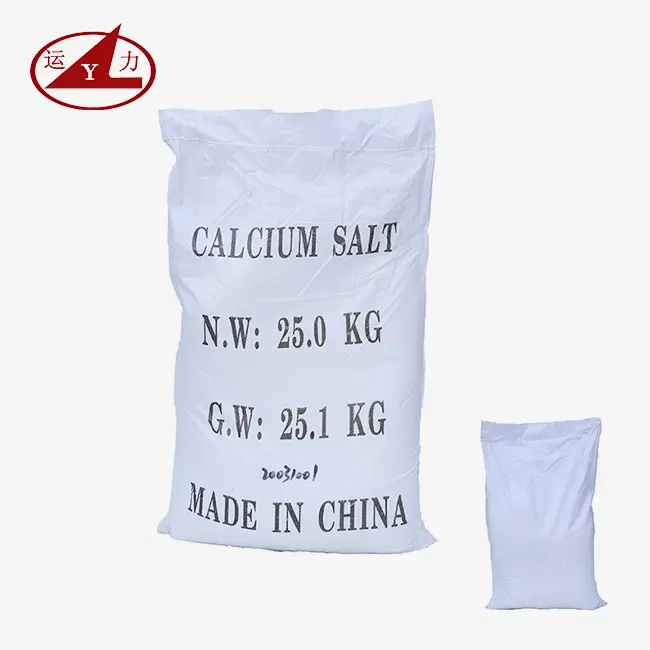
Flexible package designs are good for distributors and large-scale businesses. Standard choices include 25 kg bags that won't get wet, 1000 kg super sacks with release spouts, and bulk pneumatic truck delivery for customers who have the right facilities to receive the goods. Regional wholesalers who work with many farmers can use custom packages with private labeling. For processes that don't have mixing tools, liquid formulas in different concentrations skip the dissolution steps.

Procuring Calcium Nitrate Tetrahydrate: Supplier Selection and Market Insights
Quality Standards and Certifications
Industrial buyers give sellers with ISO 9001 quality control systems and ISO 14001 environmental certifications more weight when sourcing Calcium Nitrate Tetrahydrate. These qualifications show that the production process is consistent and that the environmental rules that guide nitrate manufacturing are being followed. Both certifications and the OHSAS workplace health standards are held by XiaXian Yunli Chemical. This shows that the company manages all parts of its operations thoroughly.
For precise agriculture uses, technical details are very important. High-purity types that are more than 99% pure have very little iron (<0.001%), which keeps rubber from discoloring and leaves no stain on leaves when used topically. Matter that doesn't dissolve in water that is less than 0.01% provides full dissolving without clogging micro-irrigation emitters. Ask for Certificates of Analysis with every package and check the calcium content, nitrogen levels, and impurity patterns against the requirements set by the buyer.
Enterprise technology centers at the provincial level, like the one that Yunli Chemical has, offer advanced analysis tools like ICP-MS and atomic absorption spectrometry. When needed, these tools help quality control programs meet pharmaceutical-grade standards by finding small amounts of contaminants that hurt sensitive crops or industrial processes.
Pricing Considerations and Bulk Procurement
Market prices change based on the cost of raw materials, the amount of energy used, and how the quantity changes in different areas. Long-term supply deals lock in good prices and make sure that products are always available during busy times. Tiered discounts are often available to buyers who commit to buying a certain amount. At 10-ton, 50-ton, and 100-ton annual purchase levels, prices go down a little bit.
Optimizing the loads that go into containers lowers the cost of shipping each unit. Standard 20-foot containers can hold 20 to 25 metric tons, based on how they are packed. 40-foot containers can hold 25 to 27 tons. Plan shipping times so that multiple product lines from the same seller can be consolidated. This will make operations more efficient. When Yunli Chemical runs its own export business, it cuts out middlemen and gives foreign buyers factory-direct prices.
Building Reliable Supply Relationships
Long-term relationship success depends on how stable the supplier is. Companies that have been around for more than 20 years and make more than 1 billion RMB a year show that they are financially strong and can weather changes in the market. Fixed assets worth 300 million RMB show a large production base that can increase output when demand goes up without lowering quality.
Technical help is what sets great providers apart from average ones. Having access to agronomists and application experts can help improve fertility programs, fix problems with crops, and change methods to fit new growing systems. Yunli Chemical's coal-chemical engineering knowledge lets them create custom formulations that make goods that can be used instead of imported ones and save money on buying them.
Having samples available makes evaluating a product easier. Progressive sellers offer up to 500 grams for free, which lets customers test the product in the lab or on a small scale in the field before committing to full containers. Flexible minimum order amounts help wholesalers open up new markets or seasonal growers whose needs change from season to season.
Conclusion
The standard for providing calcium and nitrate-nitrogen in a variety of farming and industrial settings is still Calcium Nitrate Tetrahydrate. Its high solubility, normal pH, and dual-nutrient makeup meet plants' basic nutritional needs and protect them from common physiological problems that lower crop value. The compound can be used in a lot of different ways, from improving the soil to hydroponic systems. It is useful for current precision farm operations that need consistent quality and performance.
For procurement to go well, sellers must have quality systems that have been tested, technical skills, and reliable transportation networks. When buyers put long-term partnerships ahead of transactional relationships, they get better results in the form of stable prices, consistent product specs, and quick expert support. As farming gets more intensive and quality standards rise, Calcium Nitrate Tetrahydrate will continue to be a key part of breeding programs that aim for high food yields and quality.
FAQ
Which crops benefit most from Calcium Nitrate Tetrahydrate?
The reaction is strongest for high-value crops that need a lot of calcium. Tomatoes, peppers, cabbage, strawberries, apples, cherries, and grapes all need a steady source of calcium as they grow to avoid problems and keep their quality. It works especially well in hydroponic nutrient solutions for veggies grown in greenhouses without dirt. When fertigation plans include regular treatments, ornamental plants like roses, gerberas, and potted flowers get stronger stems and last longer in a vase. When the calcium levels in the earth are right, field crops like peanuts and potatoes improve the quality of tubers and cut down on storage problems.
Can Calcium Nitrate Tetrahydrate work in hydroponic systems?
Of course, Calcium Nitrate Tetrahydrate is the main source of calcium for hydroponic systems. Because it doesn't react with anything, it works great for nutrient film method, deep water culture, and drip-to-waste systems. When farmers make concentrated stock solutions, they keep calcium away from sources of phosphate and sulfate until they mix them all together in the irrigation lines. Solution calcium levels are usually between 150 and 200 ppm, but this depends on the type of food and its state of growth. The nitrate nitrogen helps plants grow quickly without the risks of ammonia poisoning that come with other nitrogen forms.
How should I store Calcium Nitrate Tetrahydrate so that it stays good?
Store sealed boxes in climate-controlled storage where the temperature is 10 to 30°C and the humidity is less than 60%. Place the bags on shelves and keep them away from concrete floors, which collect water. Once opened, put bags back together tightly or move the contents to sealed containers. Use the material within 30 days to keep it from absorbing water and clumping. For bulk storage, you need dry bins with tools that check for moisture. Because the chemical oxidizes easily, never keep it near organic materials, fuels, or things that can catch fire.
Partner with Yunli Chemical for Premium Calcium Nitrate Tetrahydrate Supply
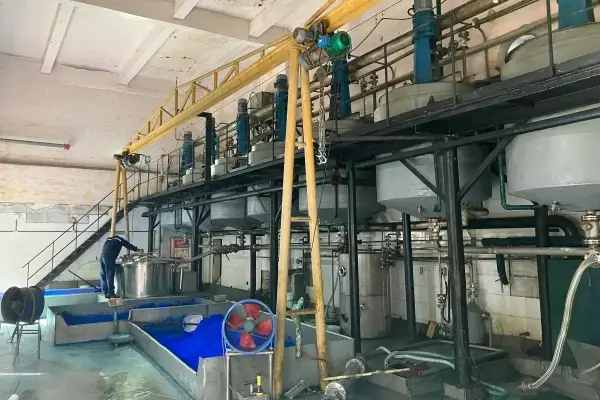
If you want to buy Calcium Nitrate Tetrahydrate, Yunli Chemical is the company to go with. They offer excellent technical service and are dependable. Our ISO 9001-certified factory in Shanxi Province consistently produces materials with a purity level of over 99%. They are also able to make 4N-grade high-purity materials for very specific uses. Every shipment is backed by more than 20 years of industrial knowledge and resources from a provincial-level technology center, such as advanced ICP-MS and atomic absorption analysis.
We know that procurement managers need more than just reasonable prices. You need a steady supply, full documentation (MSDS, COA, environmental compliance), and quick technical help. Our factory-direct export plan cuts out the middlemen and their fees, and there are no minimum order amounts, so you can order as much as you want. Different delivery needs can be met with customized packing, concentration requirements, and private labeling. You can get free samples of up to 500 grams of a product to fully evaluate it before making a bigger purchase. Email our expert team at wangjuan202301@outlook.com to talk about your unique needs.

References
1. Adams, P. "Nutritional Control in Hydroponics." Proceedings of the International Society for Horticultural Science, vol. 481, 2002, pp. 25-34.
2. Marschner, Petra. Mineral Nutrition of Higher Plants. 3rd ed., Academic Press, 2012.
3. Saure, Manfred C. "Calcium Translocation to Fleshy Fruit: Its Mechanism and Endogenous Control." Scientia Horticulturae, vol. 105, no. 1, 2005, pp. 65-89.
4. Sonneveld, C., and W. Voogt. Plant Nutrition of Greenhouse Crops. Springer, 2009.
5. White, Philip J., and Martin R. Broadley. "Calcium in Plants." Annals of Botany, vol. 92, no. 4, 2003, pp. 487-511.
6. Xu, Guohua, et al. "Plant Nitrogen Assimilation and Use Efficiency." Annual Review of Plant Biology, vol. 63, 2012, pp. 153-182.