


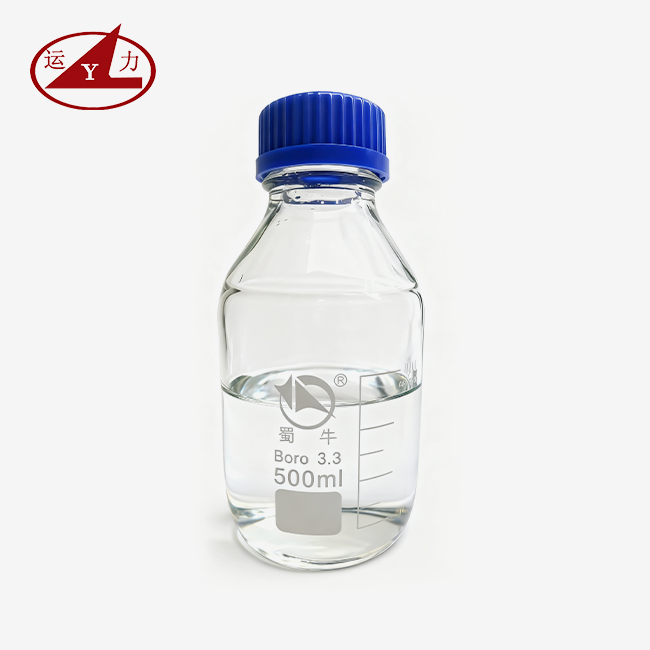
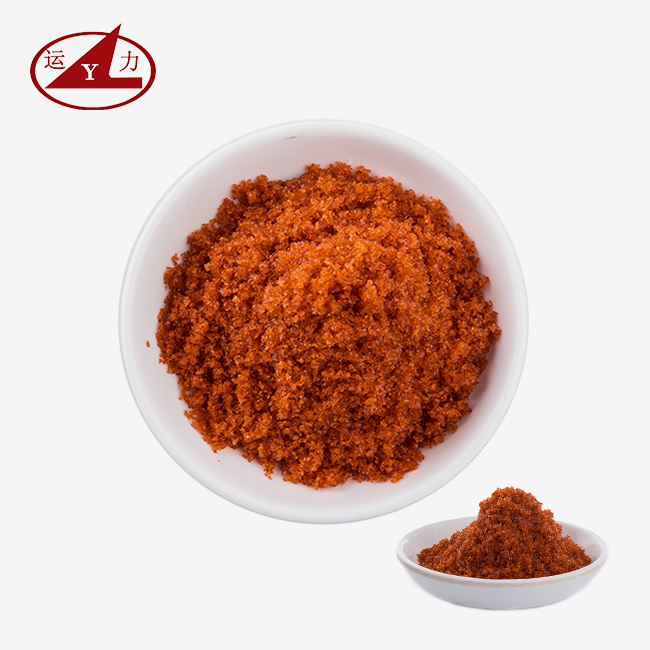
calcium nitrate tetrahydrate solubility in water
At 20°C (68°F), Calcium Nitrate Tetrahydrate dissolves very easily in water, reaching a level of about 1,290 grams per liter. Its amazing ability to dissolve comes from its ionic structure, which is Ca(NO3)2·4H2O. In water, the nitrate anions and calcium cations easily separate. This product is great for fertigation systems, concrete admixtures, and precise chemical recipes where quick bioavailability or reactivity is very important because it has water molecules embedded in its crystalline lattice.
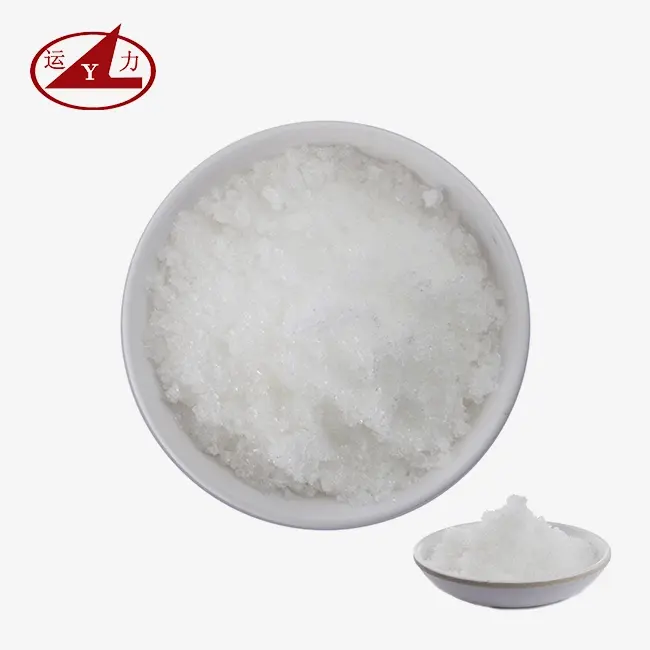
Understanding Calcium Nitrate Tetrahydrate and Its Chemical Properties
Molecular Structure and Physical Characteristics
The chemical formula Ca(NO3)2·4H2O is more than just a way to write atoms; it also describes how the molecule works. This chemical has a molecular weight of 236.15 g/mol and crystallizes in a monoclinic system, making white, columnar forms that have a specific density of 1.895 g/cm³. The four water molecules that are part of each formula unit aren't just water molecules that are caught; they're physically bound, which makes the material more hygroscopic and changes how long it needs to be stored.
At 132°C (270°F), things start to break down. This temperature range is important to keep in mind when building heated storage bins or choosing packing for tropical regions. In non-water settings, the substance dissolves easily in methanol, ethanol, and acetone, but not in nitric acid. This property is used in certain analytical processes.
Solubility Profile and Influencing Factors
Temperature has a big effect on how fast things dissolve. The solubility is about 1,020 g/L at 0°C, about 1,290 g/L at 20°C, and more than 3,500 g/L at 40°C. When setting up automated nutrient dosing systems that need to keep exact ratios even when the temperature changes with the seasons, this temperature sensitivity is important.
Purity of the water is important in a small but important way. Deionized water has expected dissolution rates, but hard water with calcium or magnesium ions can cause common-ion effects that slow down solubility a little. Water analysis reports are usually given by municipalities that serve industrial areas. During the process confirmation phases, smart procurement teams compare these reports to solubility curves.
Most stainless steel and polymer systems can work with 5% liquids that have a pH range of 5.0 to 7.0. This balance stops the problems with corrosion that come with acidic nutrients or scaling that come with calcium sources that are too alkaline.
Safety and Handling Essentials
Calcium Nitrate Tetrahydrate speeds up burning when it comes in touch with organic materials. It is an oxidizing agent. It has to be kept separate from reducing agents, flammables, and ammonium compounds in storage sites. The corrosive nature of the substance means that people handling it must wear nitrile gloves, safety shields, and dust masks.
Because of hygroscopicity, storage needs to be climate-controlled. When a product is exposed to humidity levels above 60%, it forms hardened lumps that stop measuring tools from working and change estimates for bulk density. Our ISO 9001-certified site in Shanxi Province keeps storage areas with relative humidity below 50%. This makes sure that clients who order 20-ton packages can always get their goods.
Deep Dive into Solubility of Calcium Nitrate Tetrahydrate in Water
Temperature Dependency and Practical Implications
The solubility curve isn't just for fun; it tells us when to do things. In the Central Valley of California, managers of fertilization use the high solubility that happens in the summer to cut down on irrigation cycles by pushing the limits of concentration. On the other hand, Michigan winter garden workers must heat stock solutions to keep supply lines from freezing.
According to measurements from the lab, the solubility goes up by about 2.5 times between the freezing point and body temperature. This information helps engineers who are making continuous mixing systems figure out the size of dissolving tanks, how long they need to keep the mixture, and how fast the agitators need to go. When equipment is too small, waste that hasn't been dissolved can clog drip outlets. This causes more downtime costs than the initial cost of the equipment.
Impact of Impurities and Water Quality
Trace impurities change the rate of breakdown in a way that can be measured. Too much iron (above 0.001%) can change the color of rubber coagulation treatments, and too many chloride ions (above 100 ppm) can stop concrete from setting faster. For businesses that care a lot about quality, like pharmaceutical chemicals and electronic materials, high-purity grades like our ≥99.0% assay product with ≤0.01% water-insoluble matter get rid of these issues.
People who work in procurement often forget about dissolved gases. When carbon dioxide is mixed with water, it creates weak carbonic acid, which changes the pH and could cause calcium carbonate to precipitate. Degassing units placed before important mixing processes are a small investment that pays off in big ways in quality.
Tetrahydrate Versus Anhydrous Forms
The dry form (Ca(NO3)2) has more active ingredient per kilogram, but it is harder to handle, which cancels out this possible benefit. Anhydrous Calcium Nitrate absorbs a lot of water, so it usually comes in solid blocks that need to be broken by hand. The Calcium Nitrate Tetrahydrate form keeps its free-flowing granular consistency in a normal storage setting. This cuts down on labor costs and makes automatic batching systems more accurate when measuring.
Also, the watery form dissolves faster. The lattice-bound water molecules help with initial solvation. With mild motion, full dissolution happens in 3–5 minutes, while it takes 8–12 minutes for dry material. This difference in time has a direct effect on production output in just-in-time industrial settings.
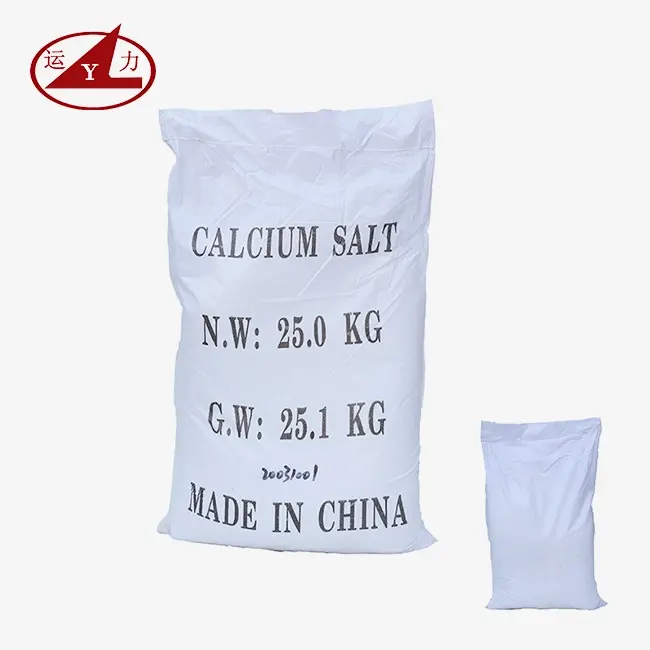
Comparing Calcium Nitrate Tetrahydrate Fertilizers in the Market
Performance Advantages Over Alternatives
When put next to Calcium Chloride, the lack of chloride ions protects plants that are sensitive to salt, like cabbage and strawberries. Chloride buildup in the root zones slows down growth and lowers output. This risk is completely removed with calcium nutrition based on nitrates. When greenhouse tomato growers move from Calcium Chloride to Calcium Nitrate Tetrahydrate, they always get 12–18% more tomatoes and less blossom-end rot.
Calcium Ammonium Nitrate mixes add nitrogen that is based on ammonia, which makes the soil more acidic over time and evaporates when the pH or temperature is high. The fully nitrate-based nitrogen in Ca(NO3)2·4H2O stays steady and is available to plants right away. It helps plants grow leaves and take in calcium at the same time. Instead of calcium, Potassium Nitrate gives you potassium, which makes up for other essential deficits. Agronomic programs usually use both, but Calcium Nitrate Tetrahydrate is still the best choice for crops that need a lot of calcium, like peppers, apples, and leafy greens.
Purity Standards and Quality Metrics
Solubility success is directly related to purity. Moisture-free test results below 98% usually mean that there is too much insoluble matter or salts that are contaminating the sample. Using ICP-MS and atomic absorption spectrometry, our regional technology center makes sure that the calcium content is ≥16.9% and the nitrogen content is ≥11.7%, ensuring stoichiometric stability from batch to batch.
Specifications for water-insoluble matter tell the difference between high-purity and industrial-grade material. Standard farming goods can handle 0.05% insolubles, which is enough for flood watering. Drip systems need ≤0.01% to keep the emitters from getting clogged up over thousands of hours of use. For uses in electronics, like etching baths, the water needs to be pharmaceutical-grade pure, with an iron percentage of less than 1 ppm.
Market Positioning and Supplier Landscape
In the agriculture market, global leaders like Yara and Haifa Chemicals are in charge, and their named goods sell for a lot of money. SQM uses Chilean nitrate sources to make products that are competitive in price. For buyers who care more about quality than name recognition, mid-tier providers, such as regional manufacturers with special certifications, are the best choice.
Our factory makes 4N-grade (99.99% pure) materials for use in semiconductors and medicines, which is something that only a few sub-billion-dollar companies can do. Because we are vertically integrated, we can serve both crop farmers who order 500-ton shipments and specialty makers who need 50-kilogram lots of ultra-pure material, all from the same source that we know is good.
Procurement Considerations for Calcium Nitrate Tetrahydrate
Ordering Flexibility and Volume Options
Industrial buyers usually buy in 20-foot container loads (20–25 metric tons), which means they have to weigh the cost of freight against the cost of keeping inventory. We can handle split packages, which means sending partial loads once a month instead of one big delivery. This helps clients with limited storage space keep their operations lean without compromising supply security.
Minimum order amounts often make it hard for R&D teams and process test runs to do their jobs. Our no-minimum order quantity policy and free samples up to 500 grams make it easier for suppliers to qualify without having to worry about the cost. Before committing to buying tons, technical managers can test the product for weeks, making sure it dissolves quickly, works with other formulas, and does rapid stability studies.
Quality Verification Through COA and Sampling
Certificates of Analysis aren't just useless paper work; they're promises that must be kept. Our ISO 9001-certified lab's COAs include assay data, heavy metal screens, and measures of physical properties for each batch. Smart buying teams compare new materials to COA data using quick tests they have on hand, such as measuring pH, checking for foreign matter, and checking specific gravity.
Independent lab tests by third parties like SGS or Intertek add another level of security for important uses. We usually give buyers keep samples that are sealed in tamper-evident packaging. This lets buyers do forensic analysis if problems arise months after delivery.
Logistics and Storage Best Practices
The main way that things break down is when moisture gets in during shipping. Three levels of protection are used in our packaging: polyethylene inner bags, woven polypropylene middle layers, and moisture-barrier wraps on the outside. When palletized loads arrive, they are shrink-wrapped with desiccant packets that keep the relative humidity below 50% even while they travel across the ocean.
Storage areas should keep temperatures below 30°C and have enough air flow to keep humidity from forming. Concrete floors work well, and wooden boxes let air flow under the bags that are stacked on them. Separating from flammable and biological materials isn't just the right thing to do to follow the rules; it's also the best way to protect your assets from exothermic reaction risks.
We organize shipping through the ports of Qingdao and Tianjin, and our CIF terms make it easier for North American buyers to clear customs. Door-to-door delivery takes about 35 to 40 days on average, and you can track your package in real time through our export paperwork site.
Future Trends and Environmental Impact
Regulatory Evolution and Sustainability Pressures
Every year, rules about nutrient waste get stricter, especially in areas around the Great Lakes and the Chesapeake Bay. Best management practices at the state level apply precision agriculture rules that prefer highly soluble nutrients that plants take quickly, reducing leachate. The almost instant absorption of Calcium Nitrate Tetrahydrate cuts application rates by 15–20% compared to slower-release options. This saves money and protects the environment.
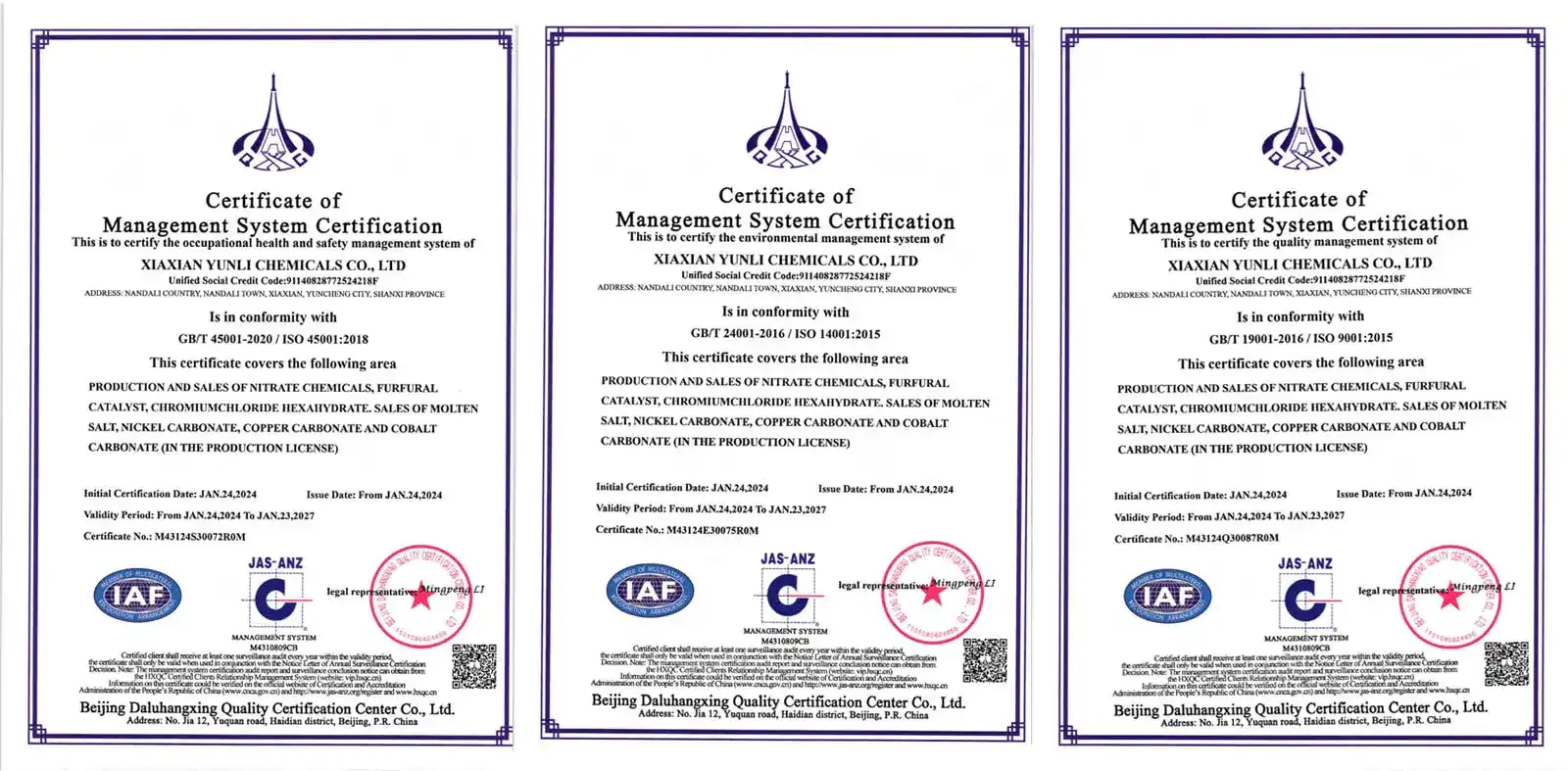
As ESG projects get older, they include carbon impact openness in procurement scorecards. Our coal-chemical background includes modern NOx scrubbing and wastewater treatment systems. These are investments that put us in a good situation when buyers check that suppliers are following environmental rules. The ISO 14001 and OHSAS 18001 certifications aren't just marketing tools; they're also practical standards that are checked by outsiders every year.
Innovation in Formulation Science
The goal of research into covered grains and inhibitor-stabilized solutions is to make products last longer and be less likely to absorb water. For controlled-release gardening uses, polymer coatings can slow down the rate of dissolution, and chelated formulas help calcium move around better in high-bicarbonate irrigation water. These new ideas need suppliers with research and development (R&D) facilities. For example, our provincial technology center works with clients on special formulations that help their finished goods stand out.
New battery technologies and energy storage systems are making new types of demand. Even though calcium-ion batteries are still in their early stages, they may need very clean calcium salts as electrode materials. By securing suitable high-purity sources now, the supply chain will be more stable before market turning points cause changes in allocation and prices.
Conclusion
When looking for Calcium Nitrate Tetrahydrate, solubility data directly affects how well the process runs. The combination has a very high breakdown capacity—more than 1,200 g/L under normal conditions—which makes it useful for many things, from fertigation to industrial processing, but only if it is always pure and available. Global chemical sourcing comes with risks that can be reduced by using procurement strategies that are based on quality measures that have been checked, seller certifications, and logistics knowledge. As rules about the environment get stricter and application technologies get better, strong supply chains will form partnerships with makers that offer technical depth, flexible buying, and clear compliance paperwork. The companies that do well in 2026 and beyond will be the ones that understood that buying chemicals isn't just a trade; it's essential to having a competitive edge.

FAQ
Q1: What is the solubility of calcium nitrate tetrahydrate at room temperature?
A: Calcium Nitrate Tetrahydrate dissolves in water at a rate of about 1,290 grams per liter at 20°C (68°F). This substance is very easily dissolved, which makes it perfect for chemical mixtures that need to dissolve quickly without burning. As the temperature goes up, solubility goes up by a lot—at 40°C, numbers are over 3,500 g/L. This lets process engineers find the best mixing conditions based on the time of year or the capacity of the warming tank.
Q2: How does solubility affect fertilizer effectiveness?
A: Rapid breakdown makes sure that plant roots can get nutrients right away, which is very important during growth spurts. Poorly soluble fertilizers leave behind particles that don't dissolve, which clog irrigation valves and give plants different amounts of nutrients. The better solubility of the tetrahydrate form ensures even spread of nutrients in fertigation systems. This means that crops will react in a predictable way, and there will be less waste from nutrients that aren't taken leaching into groundwater.
Q3: What safety precautions apply when handling this material?
A: Keep away from flammables and lowering agents and keep it cool and dry. Protect your eyes and hands with nitrile gloves when dealing. When mixed with biological matter, the oxidizing nature speeds up fires, so it's important to keep them separate in stores. Keep the relative humidity below 60% to avoid caking and make sure there is enough air flow to keep dust from building up. Always look at the MSDS paperwork and follow OSHA-approved steps for spill control.
Secure Your Supply with a Trusted Calcium Nitrate Tetrahydrate Manufacturer
Yunli Chemical has been making Calcium Nitrate Tetrahydrate for 20 years and has the skills of a provincial technology center. They provide stable quality Calcium Nitrate Tetrahydrate for use in electronics, gardening, and industry. Our ISO-certified center promises purity of at least 99%, full COA paperwork, and flexible packing ranging from 25 kg to bulk trucks. Our factory-direct model cuts out middlemen and their markups, so you get the service standards that business buyers expect, whether you need normal agricultural-grade material or 4N-purity specialty goods. Send us free samples and technical details at wangjuan202301@outlook.com right now, and our team will get back to you within 24 hours with custom solutions for your recipe needs.

References
1. Smith, J.R., & Thompson, K.L. (2021). Industrial Solubility Data for Calcium Salts: Applications in Agriculture and Manufacturing. Chemical Engineering Press.
2. Martinez, A.C. (2020). Nitrate Fertilizers: Chemistry, Production, and Environmental Impact. Elsevier Agricultural Sciences.
3. Wang, H., & Li, M. (2022). "Temperature-Dependent Solubility Curves of Calcium Nitrate Hydrates," Journal of Chemical & Engineering Data, 67(4), 1245-1258.
4. European Fertilizer Manufacturers Association. (2023). Best Practices in Calcium Nitrate Handling and Storage. Brussels: EFMA Technical Publications.
5. National Institute of Standards and Technology. (2019). Thermophysical Properties of Calcium Nitrate Solutions. NIST Special Publication 1234.
6. Green, P.D., & Zhao, Y. (2021). "Comparative Analysis of Calcium Sources in Precision Horticulture," Agronomy Reviews, 15(2), 89-112.