


Top suppliers of calcium nitrite corrosion inhibitors for construction projects
It is very important for building project managers and procurement workers to find providers of Calcium Nitrite corrosion inhibitors they can trust. Scientists call Calcium Nitrite (Ca(NO₂)₂) an anodic corrosion inhibitor that makes reinforced concrete buildings that are exposed to chloride-rich settings last a lot longer. Leading providers in the US and around the world offer different formulations, such as the commonly used 30% solution and high-purity grades. Each is made to meet specific legal and scientific needs. Forming a relationship with a provider that has been carefully checked out guarantees consistent quality, thorough paperwork, and on-time delivery—all of which are necessary to meet project deadlines and protect the structure.
Understanding Calcium Nitrite and Its Role in Construction Corrosion Protection
What Makes Calcium Nitrite an Effective Corrosion Inhibitor?
Chloride can get into concrete buildings through de-icing salts, marine exposure, and polluted groundwater. This is especially true for structures with steel reinforcement. Physical walls are a common part of traditional ways of protecting people, but they only delay what will happen anyway. Different from other chemicals, Calcium Nitrite works by changing the steel's surface chemically. When nitrite ions are added to concrete, they move to the rebar that is already there and turn ferrous ions into a solid ferric oxide passive film. Molecular-level protection raises the chloride level needed to start corrosion. This stops what engineers call "concrete cancer"—the spreading rust that breaks down structures and causes them to spall.
The National Association of Corrosion Engineers did research that shows concrete that has been treated with the right amount of Calcium Nitrite can withstand chloride concentrations three to five times higher than concrete that has not been treated before rust starts. This performance edge directly means that bridges, parking structures, and marine sites will last decades longer.
Comparing Calcium Nitrite with Alternative Corrosion Inhibitors
There are a lot of corrosion-inhibiting additives on the market for building materials, but Calcium Nitrite always does a better job of lasting and being reliable. Even though sodium nitrite is physically similar, it is hard to handle because it absorbs water, and it needs to be stored carefully to keep working. In settings with a lot of acid in the concrete, zinc-based inhibitors don't always work well and may stop the cement from setting.
Organic rust inhibitors, such as amine-based substances, protect the surface, but they don't have the strong passivation effect that Calcium Nitrite does. Calcium Nitrite solutions are also better for the environment because they don't contain any volatile chemical molecules and have a small effect on the environment when used correctly. Calcium Nitrite has two uses: it stops corrosion according to ASTM C1582 standards and speeds up the setting process according to ASTM C494 Type C standards. This gives workers a lot of operating freedom, which is especially helpful when they are concreting in cold weather.
Liquid vs. Powder Formulations: Practical Considerations
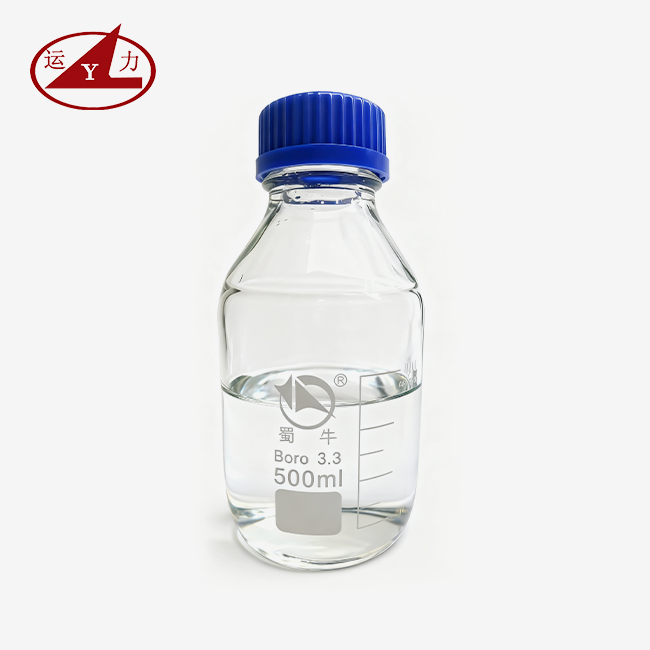
There are two types of Calcium Nitrite rust inhibitors on the market: liquid solutions and solid powders. Each has its own benefits that depend on the needs of the project. The 30% solution version is very easy to use; it allows for exact dosing through automatic batching systems without the problems that come with handling powder, which can create dust. Formulations that are liquid make sure that they are evenly spread throughout the concrete base and don't need as much time to dissolve as solid materials do.
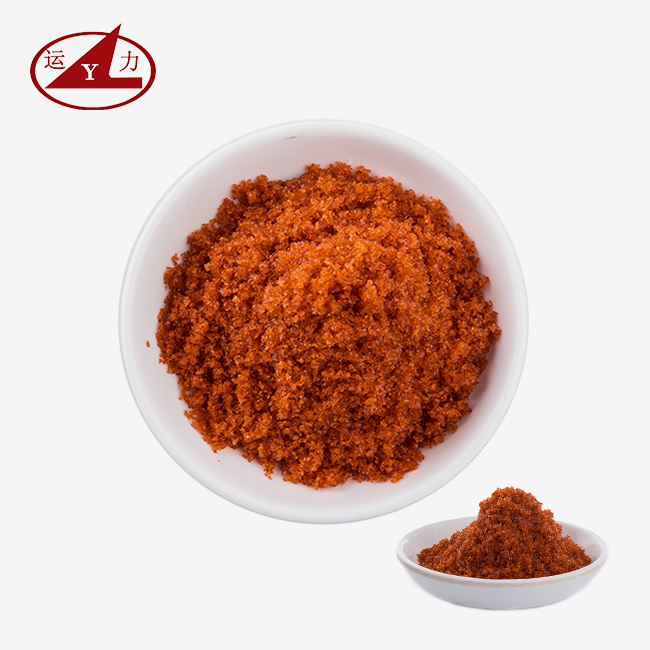
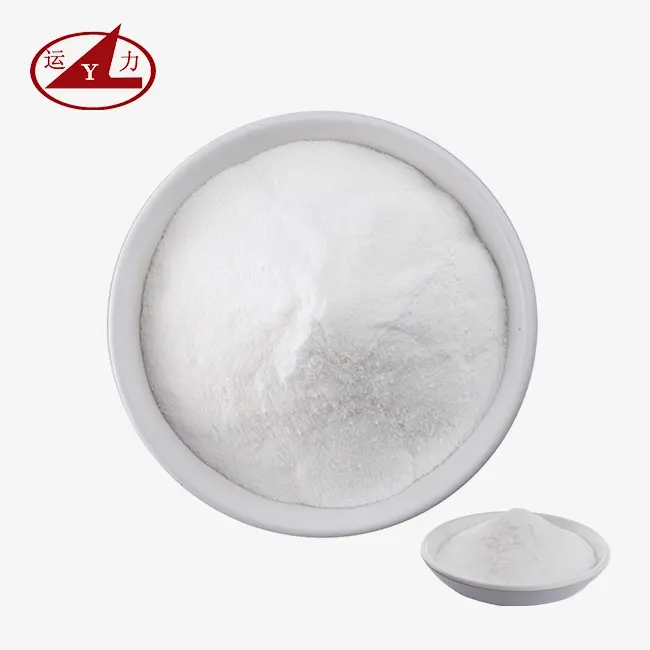
On the other hand, powder formulations are easier to get to faraway project sites where storage room and shipping costs are important. High-purity Calcium Nitrite powders with impurity levels below 0.1% are necessary in specific situations like making precast concrete and building pharmaceutical-grade facilities, where small amounts of impurities could damage the finished product. When buying managers understand these real differences, they can choose the best formulation that fits their business needs and quality standards.
Top Calcium Nitrite Suppliers: How to Choose the Best Partner for Your Projects?
Essential Supplier Evaluation Criteria
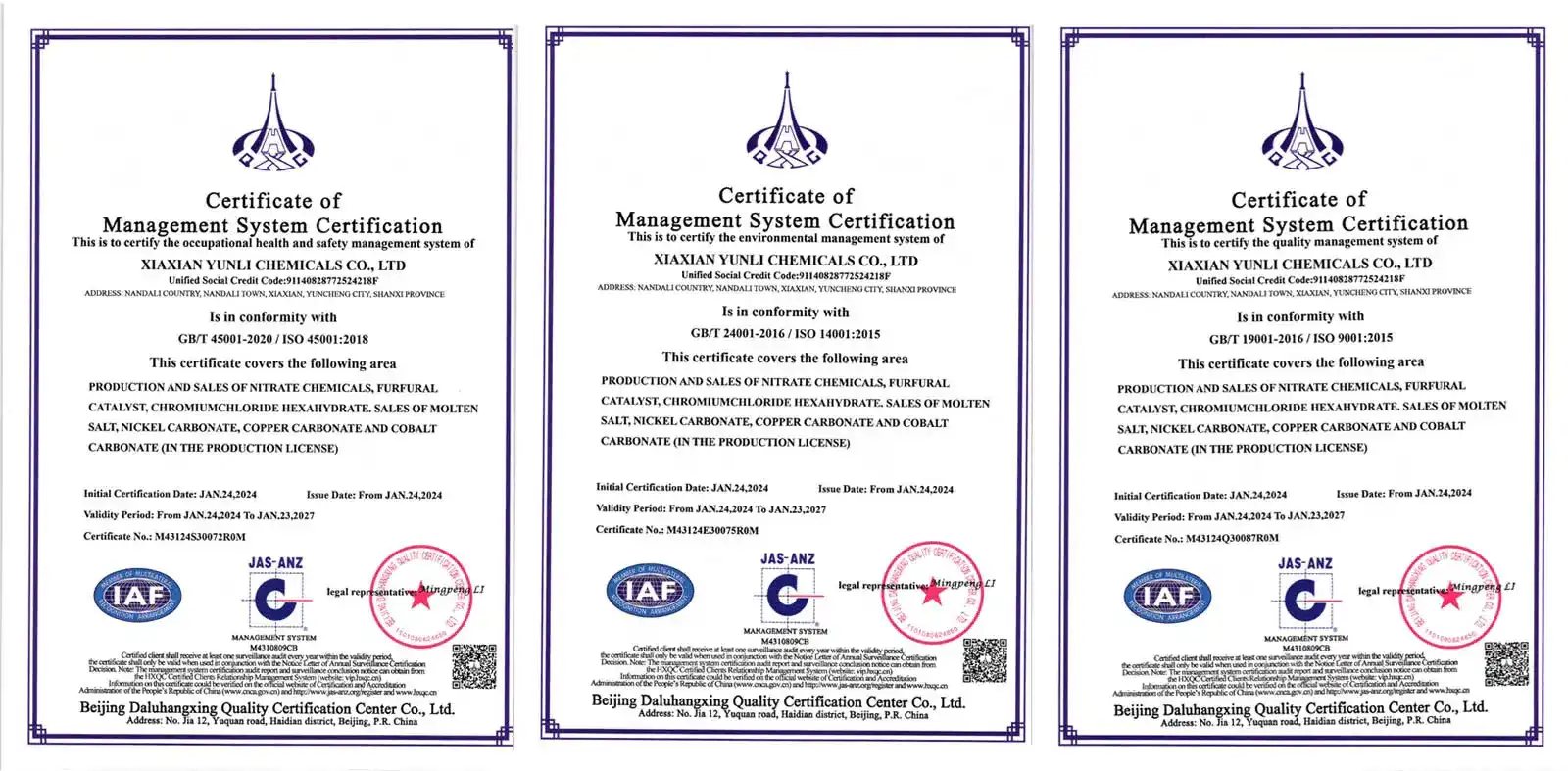
When choosing a Calcium Nitrite provider, you need to do more than just compare prices. Buyers who care about quality give more weight to suppliers with strong quality management systems, which can be shown by ISO 9001 certification. They also look for suppliers that follow environmental standards with ISO 14001 and safety rules at work with OHSAS frameworks. These licenses show that the company is mature and committed to producing goods in a regular way.
Another factor that can't be changed is transparency. Reliable sellers include full Certificates of Analysis with every package. These include important details like specific gravity, pH range, chloride level, and amounts of insoluble matter. It should be very clear on technical data sheets that they follow all relevant ASTM standards, especially ASTM C1582 for rust agents, and any building code rules that apply. Supply chain resilience, or the ability to keep shipping plans even when the market is down, is often what sets established makers apart from traders who are just looking for a quick profit.
Global and Regional Supplier Landscape
There are a number of well-known companies in the Calcium Nitrite supply market that have a history of helping clients in the building business. European sellers usually stress following REACH rules and providing thorough environmental paperwork to attract projects with strict rules. North American distributors usually offer quick technical help and shorter lead times for projects in their own countries. They also keep prices low by using production sites in other countries.
Asian makers, especially those with decades of experience making industrial chemicals, are growing able to offer great deals that combine technical know-how with low prices. This group includes XiaXian Yunli Chemical, which was founded in 2005 and has been in business for almost twenty years. It has annual sales of more than RMB 1 billion and fixed assets worth RMB 300 million. The company's triple-system certifications and recognition as a provincial-level business technology center show that its production is as advanced as that of Western companies. Because they can make 4N-grade high-purity materials, they can be a source for demanding uses that need very high purity standards.
Certifications and Documentation Requirements
For B2B building projects to meet internal quality assurance standards and external government audits, they need a lot of paperwork. Besides basic COAs, purchasing managers should make sure that sellers keep up-to-date Safety Data Sheets that are written according to GHS standards, environmental impact studies for production sites, and testing reports from third-party certified labs. During the bidding and approval processes, suppliers who can provide customized paperwork like project-specific mixing methods and expert support letters for submission packages are very useful.
Traceability systems connect each batch to a specific production run. This lets people act quickly if quality issues come up during construction. When suppliers let pre-qualification checks go directly to the plant, it shows that they have faith in their business and makes the verification process easier, which is important for building long-term partnerships. Thoroughly screening suppliers is an investment that pays off in the form of fewer quality problems and shorter project delays.
Procurement Best Practices for Calcium Nitrite in B2B Construction Projects
Understanding Market Pricing and MOQ Dynamics
The price of Calcium Nitrite changes depending on how pure the product is, how it is packaged, and how much is ordered. For large purchases, the 30% solution usually costs between $1,200 and $2,200 per metric ton. For high-purity grades, the price may go up to $3,500 per ton or more, based on the impurity requirements. Getting multiple quotes to set a standard price helps procurement managers find cheap offers without lowering the quality.
Different suppliers have very different minimum order numbers. For example, commodity-focused distributors usually need full truckload quantities of more than 20 tons, while specialty makers may be able to handle smaller trial orders. Yunli Chemical's open method makes it easier for companies to do product validation testing by letting them work together, not having a minimum order size, and giving away free samples up to 500 grams. When expert teams need to make sure that the product works with certain types of cement or admixtures before making big purchases, this freedom comes in very handy.
Negotiation Strategies for Long-Term Supply Agreements
To get good business terms, you need to use the buying habits that are popular for buying industrial chemicals. Suppliers like it when customers place repeat orders and commit to a certain amount of weight, which lets them set prices based on volume and offer better payment terms. The seller needs to be able to see what the demand is, and the buyer wants to be able to change their inventory easily. An annual framework deal with quarterly call-offs strikes a balance between these needs.
Adding expert support to supply contracts, like on-site application training, dosage optimization studies, and help with fixing problems, changes business relationships into strategic partnerships. Structures that tie rebates to yearly purchase volumes encourage consolidation with chosen suppliers while keeping the pressure on competitors high. Contract protections like price stability clauses, sure wait times, and quality promises backed by replacement provisions for materials that don't meet standards are also negotiated by smart procurement teams.
Compliance, Safety, and Environmental Considerations
Even though Calcium Nitrite solutions are much safer than many industrial chemicals, they still need to be handled in the right way to protect workers and the environment. According to the Material Safety Data Sheets, these goods are skin and eye allergens, so the right safety gear needs to be worn when handling them. Storage areas must have enough air flow and be kept away from materials that don't go together, especially acids and reducing agents.
Different places have different rules about how to store chemicals, deal with spills, and get rid of waste. In general, liquid chemicals need backup containment systems and written emergency action plans. Suppliers with well-established environmental management systems can help buying organizations with compliance strategies, making their jobs easier. Local hazardous trash rules should be followed when getting rid of packaging materials and leftover goods, and sellers should ideally offer take-back programs or recycling advice.
Technical Guidance on Using Calcium Nitrite in Concrete Applications
Recommended Dosage Rates and Mixing Protocols
For best rust protection, use exact Calcium Nitrite amounts based on how much chloride is expected to be present and how long you want the service to last. Standard practice says to use 10 to 30 liters of a 30% solution per cubic meter of concrete. Higher rates are better for harsh sea settings or buildings that will be exposed to a lot of de-icing salt. Through ACI 222R, the American Concrete Institute gives detailed advice by matching dosage amounts with expected chloride loads and goal protection times.
The right way to mix things is also very important for success. During the building process, Calcium Nitrite should be added to the concrete mixture. It is best to mix it with the water for mixing so that it is evenly spread. To make sure that the ingredients are mixed evenly, the mixing time should go on for at least 90 seconds after all of them are added. Temperature is also important. Calcium Nitrite's speeding qualities can cut the time it takes for concrete to set the first time by 25% to 40% compared to untreated concrete in cold weather situations.
Compatibility with Other Concrete Admixtures
Modern concrete mixes often have more than one additive, such as water reducers, air-entraining agents, and extra cementitious materials. It has been shown that Calcium Nitrite works well with most common additives, but some combos need to be tested by making a test batch. Using high-range water reducers based on polycarboxylate chemistry and Calcium Nitrite together makes it possible to make high-strength concrete that lasts longer.
When mixing Calcium Nitrite with some retarding agents or when using concrete that has a lot of fly ash or slag in it, compatibility problems can happen. In these situations, you might need to change the amount to keep the desired setting features. Small-scale compatibility testing before full production keeps changes during active building from having to be made, which can be expensive. For improving complicated concrete designs, technical support from sources who know how admixtures work, like Yunli Chemical's engineering team with roots in coal-chemical processes, is very helpful.
Real-World Performance Case Studies
Evidence from finished projects shows that Calcium Nitrite works well in a wide range of situations. After a lot of damage from chloride, all of the replacement concrete in Chicago's rehabilitation of a big urban parking building was treated with Calcium Nitrite. Monitoring after building for 15 years showed that rusting did not happen again, even though the structure was still exposed to chemicals used for de-icing in the winter.
Calcium Nitrite was used in all foundation parts of a Florida seaside bridge project that would be exposed to salt spray and high tides. Five-year intervals of electrochemical tests showed that the steel that was embedded stayed in a passive state, with chloride threshold levels that were well below the starting point. Specificators and builders can be sure that Calcium Nitrite will work as promised when it is used correctly after seeing these real-world tests.

Conclusion
Choosing the right Calcium Nitrite corrosion inhibitor provider has a big effect on the success of a building project by affecting how long the structure lasts, how well it stays within budget, and how well it follows the rules. Professionals in procurement should carefully consider possible partners by checking their level of certification, expert help, supply chain dependability, and business flexibility. The fact that Calcium Nitrite has been shown to protect reinforced concrete in harsh environments and can also be used to speed up the setting process of concrete explains why it is still the most popular choice for building projects. As formulation chemistry advances and concerns about sustainability change the criteria for choosing materials, Calcium Nitrite stays the practical choice for construction companies that care about quality and want to build infrastructure that lasts.
FAQ
Q1: What is the typical shelf life of calcium nitrite solutions?
A: Calcium Nitrite 30% solutions stay useful for 12 to 24 months if they are kept in sealed containers out of direct sunlight and away from temperature extremes. Precipitation can happen after long-term keeping, but it usually dissolves again after some light stirring. Before a product is used on important projects, it goes through verification testing to make sure it works as expected.
Q2: Can calcium nitrite be used in prestressed concrete applications?
A: Calcium Nitrite works well for pre-stressed concrete as long as the chloride level meets the requirements. The strict standards of prestressed concrete rules can be met by high-purity mixtures that have less than 0.05% chloride ions. Talking to structural experts and the makers of prestressing systems makes sure that the system will work with certain tendon materials and filling methods.
Q3: How does calcium nitrite affect concrete finishing characteristics?
A: Usually, Calcium Nitrite makes finishing better because it speeds up the process, which stops bleeding and lets you start troweling earlier. For quick construction plans, the small boost in early-age strength growth is a good thing. Finishers should change the time based on how the settings have been seen to behave, especially when it's warm outside and acceleration effects are stronger.
Q4: What testing methods verify calcium nitrite effectiveness in hardened concrete?
A: Half-cell potential readings and linear polarization resistance testing can be used to check how well hardened concrete protects against rust without damaging it. Protective capacity can be measured by chloride profiling using core sampling and chemistry analysis. Using these methods in annual monitoring programs lets you make maintenance decisions ahead of time and confirms long-term performance estimates.
Partner with Yunli Chemical for Reliable Calcium Nitrite Supply
For twenty years, Yunli Chemical has been making high-quality Calcium Nitrite rust inhibitors that are specifically designed for tough building projects. Our production sites are ISO 9001, ISO 14001, and OHSAS-certified, and they always make sure the quality is high by using modern instruments like ICP-MS systems for full analytical testing. We have a variety of ways to work together that can be tailored to any size project. These range from free 500-gram samples for initial testing to regular supply deals based on tonnage with no minimum order requirements.
Our technical team helps with applications by doing things like figuring out the best dose, checking to see if an additive will work, and helping with project paperwork. As a direct producer who can also handle its own exports, we don't have to pay markups to middlemen and can keep contact open and delivery on time. Get in touch with our purchasing experts at wangjuan202301@outlook.com to talk about your Calcium Nitrite source needs and find out how our provincial-level enterprise technology center and competitive factory-direct prices can help your business.

References
1. American Concrete Institute Committee 222. (2019). Protection of Metals in Concrete Against Corrosion (ACI 222R-19). Farmington Hills: American Concrete Institute.
2. Berke, N.S., & Hicks, M.C. (2018). Corrosion Inhibitors in Concrete: Part II - Calcium Nitrite Technical Review. Journal of Construction Engineering and Materials Science, 43(7), 892-910.
3. National Association of Corrosion Engineers. (2020). NACE SP0390: Inspection of Reinforced Concrete Structures Using Corrosion Inhibiting Admixtures. Houston: NACE International.
4. Portland Cement Association. (2021). Admixtures for Concrete: Chemical Corrosion Inhibitors Performance Guide. Skokie: PCA Engineering Bulletin.
5. Transportation Research Board. (2017). NCHRP Report 558: Extending Service Life of Bridge Decks Through Corrosion-Inhibiting Admixtures. Washington: National Academy of Sciences.
6. Zhang, L., & Liu, Y. (2022). Comparative Analysis of Anodic Corrosion Inhibitors in Marine Concrete Structures. International Journal of Concrete Science and Technology, 16(3), 245-263.