


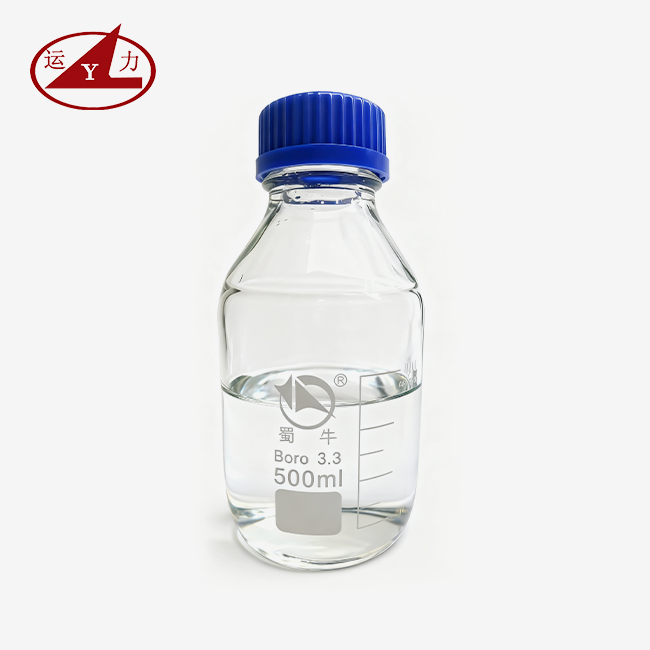
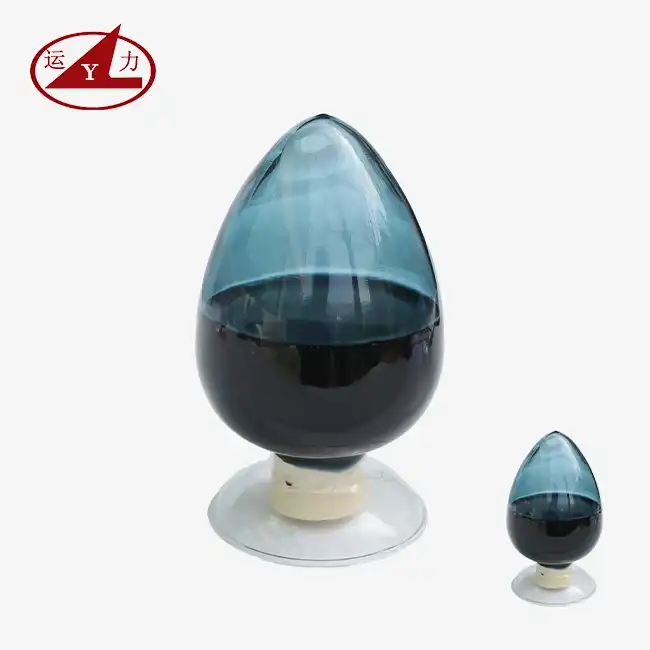
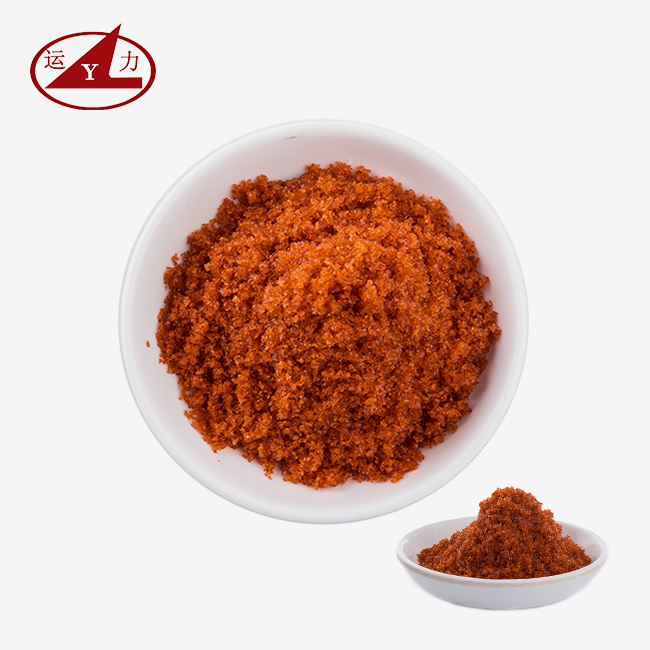
Does chromium acetate dissolved in water?
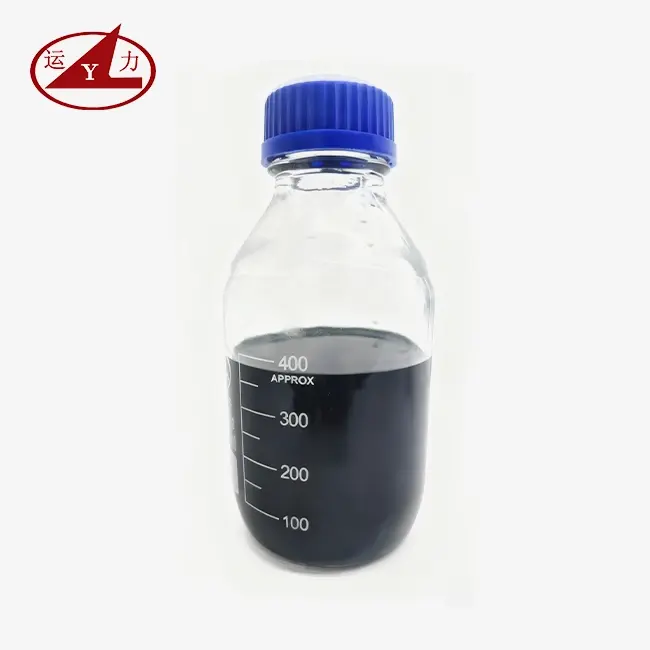
Yes, chromium acetate dissolves readily in water. Chromium Acetate, with the molecular formula Cr(CH₃COO)₃, is fully miscible in water across all proportions, forming stable aqueous solutions with concentrations commonly reaching 50% by weight. This excellent water solubility is fundamental to its widespread industrial use. When dissolved, the chromium(III) ions form coordination complexes with acetate ligands and water molecules, creating a grayish-green to bluish-green liquid that maintains stability within controlled pH ranges of 3.5 to 4.5, making it invaluable for processes requiring uniform distribution and controlled reactivity in aqueous environments.
Understanding Chromium Acetate and Its Solubility
Molecular Structure and Chemical Properties
In chemistry, Chromium Acetate is written as 1066-30-4, and its molecular weight is 229.13 g/mol. Chromium(III) Acetate is its main form. The material is made up of three acetate groups joined with a chromium ion in the middle. In the process, a coordination complex is formed that firmly holds water molecules together. It is very easy for water to dissolve because it is neutral and its acetate partners are ionic. Some chromium substances, like chromium oxide or some chromium sulfates, don't mix well with water. When the pH level is normal, they form crystals. The acetate form, on the other hand, stays stable in water because it has acetate ligands that buffer the Cr³⁺ ion and make hydrated coordination circles around it.
Solubility Behavior Under Varying Conditions
Temperature has a big effect on how quickly things dissolve, but Chromium Acetate stays soluble in the average temperature range for business, which is between room temperature and 90°C. More heat makes the melting process go faster, but the pH needs to be closely watched to keep it from breaking down and chromium hydroxide species from forming that are not needed. It is important for industrial Chromium Acetate liquids to stay in the pH range of 3.5 to 4.5.
When the acidity level is below this range, some formulations may not be as stable, and when it's above this range, breakdown processes start to make chromium hydroxides that can't be broken down. Some well-known types of industrial-grade Chromium Acetate 50% solution don't precipitate, so it can stay on the shelf for more than 12 months. Buyers in bulk who need to keep track of their product rounds will no longer have to worry about this issue.
It is clear that Chromium Acetate is better than chromium chloride or chromium sulfate. Chromium chloride is simple to remove, but because it has a lot of chloride in it, it is more likely to damage stainless steel tools. The cost of maintenance and the chance of getting sick go up because of this. Chromium sulfate is stable, but it usually takes hotter temperatures to break down all the way. Also, it can add sulfate impurities that aren't needed when making meds or high-purity catalysts. Because it is stable, doesn't corrode easily, and dissolves easily, the acetate version is better for exact uses where controlling flaws directly affects product quality and following the rules.
Industrial Applications Related to Chromium Acetate's Solubility
Leather Tanning and Textile Processing
When making leather, Chromium Acetate chemicals that dissolve in water need to get deep into the collagen fiber structures to make strong cross-links. This is what turns rawhide into leather that lasts. Chromium Acetate dissolves totally in water, so it can be spread out evenly in baths for treatment. This makes sure that the color and depth of the color always stay the same, which is a quality standard for high-end leather items like shoes, furniture, and home decor. The acetate binding controls how much chromium is released. This stops the surface from getting too dense, which could split the grains or let dyes soak in unevenly during later steps of finishing.
If you use Chromium Acetate as a mordant on wool, silk, or synthetic fibers, this solubility profile can also help you color them. Chromium ions that dissolve work with the functional groups of the fibers and the molecules of the dyes to make color bonds that don't fade, even after many laundry runs in a machine. When buying for these purposes, buyers look for sellers whose Cr³⁺ content is consistent (generally ≥50%) and whose impurity levels are kept under control. When these things are different from one batch to the next, colors don't match and products are thrown away.
Catalyst Manufacturing and Electroplating
Chromium needs to be carefully put on supports with a lot of surface area, like alumina or silica, in order to make a catalyst for breaking down petrochemicals and making organic compounds. It is easier to properly saturate when you use wet chemistry methods that use Chromium Acetate solutions in water. Because the acetate is soluble, it is spread out evenly, and heating it up makes it into active chromium oxide phases. This way works better than dry mixing, which can make metals stick together. It also gets better catalyst activity and selectivity. There are a lot of things that technical engineers consider when they choose chromium sources for making catalysts.
Also, the amount of pollutants like iron, copper, and heavy metals is checked. Iron, copper, and heavy metals that are less than 5 to 30 ppm keep catalysts from getting poisoned and reaction selectivity high. When eco-friendly electroplating is done, Chromium Acetate solutions are used instead of hexavalent chromium pools to add useful and pretty layers to parts of cars, machines, and tools. The trivalent chromium in the dissolving acetate makes layers that are hard and don't rust. These layers meet the strict REACH and RoHS rules that are becoming more and more important for U.S. and European businesses.
Pharmaceutical and Specialty Chemical Formulation
For making pharmaceutical intermediates and fine chemicals, it is usual to need Chromium Acetate solutions that are USP or EP grade and have very low amounts of microbes and heavy metals. If you mix chromium with water, you can use it as an oxidizing agent or a coordination catalyst in chemical processes. To keep the process under tight control, you need to know how much chromium has been released.
When sellers give full paperwork like Certificates of Analysis (COA), Drug Master Files (DMF), and MSDS sheets, it's easier for buying managers in controlled industries to follow the rules. Chromium Acetate liquids aren't just used to make drugs. They are also used to make unique dyes, take pictures, and prepare film. Solid chromium salts need to be dissolved first, but the water-based versions speed up output and are safer to work with.
Technical and Safety Considerations for Handling Chromium Acetate Solutions
Toxicity Profile and Regulatory Compliance
Five types of chromium are known to cause cancer, but chromium(III) compounds, such as Chromium Acetate, are not nearly as dangerous. At work, the most trivalent chromium that can be present in 8 hours is usually limited to 0.5 mg/m³. Good workplace hygiene practices, like making sure there is enough air flow, wearing gloves and safety glasses that are resistant to chemicals, and following the rules for spill control, lower the risks for workers.
If you use a lot of Chromium Acetate products (40 to 60%), they can hurt your eyes and skin. This is why places that deal with them need to have safety baths and emergency eyewash stations. In the US, following OSHA rules and other similar safety rules at work keeps companies in line with the law and protects the health of workers. When buying teams use responsible sourcing rules, they pay more attention to these two things during source checks.
Storage Stability and Disposal Protocols
It is important to think about the materials of the container and the area around it so that the solution stays pure while it is being kept. Things don't rust or get dirty when they're stored in HDPE drums, IBC totes, or lined steel containers. The best temperatures for storage are between 10°C and 30°C for the longest shelf life. It shouldn't freeze because it could turn into ice that needs to be broken up again before it can be used. Good Chromium Acetate solutions have steady chemicals and a pH range of 3.5 to 4.5. This stops the slow hydrolysis that forms sediments over time.
Follow the rules in your area for getting rid of used Chromium Acetate products the right way. Most of the time, this means lowering the pH to make chromium hydroxide precipitate, filtering the solution, and then getting qualified professionals to properly get rid of the poisonous waste. Customers can be even more sure that the goods and waste streams they buy meet international environmental standards when the companies that make them offer closed-loop wastewater treatment systems and Cr⁶⁺ reduction technology. Some examples of these are well-known Chinese companies that have ISO 14001 environmental certifications.
Procurement Insights for Chromium Acetate – What to Know About Solubility and Quality?
Grade Differentiation and Purity Impact
Industrial-grade Chromium Acetate liquids generally have about 50% Cr³⁺ and small amounts of impurities that are okay. They can be used to color materials, tan leather, and make triggers in general. Pharmaceutical-grade goods must meet higher standards of cleanliness and have heavy metal levels of less than 5 parts per million (ppm). They also need to be made in a sterile environment or in a way that is allowed for use as a drug precursor.
There are even tighter rules for reagent-grade forms that are used in study and analytical chemistry. It must be shown that the accuracy changes from one lot to the next. People need to make sure that the grade they pick is right for the job when they buy something. For instance, you'll lose money if you pay too much for pharmaceutical precision when dying leather, but you might break the rules and have batch fails if you buy industrial grade for making drugs.
It is very important to know how purity affects how something dissolves. If there is more than 30 parts per million of iron in the solution, it may change color, which is a sign of low quality and can cause problems when used as a catalyst. Even if there are only a few chloride or sulfate impurities, they can make the chromium coordination chemistry all messed up. This makes the process of electroplating or mordanting less effective. Suppliers you can trust give full COAs that show not only how much chromium is in the product but also its pH, mass (usually 1.25–1.35 g/cm³), and how it looks. Tech staff can then check the specs to make sure they meet their needs before placing large orders.
Supplier Evaluation and Sourcing Strategy
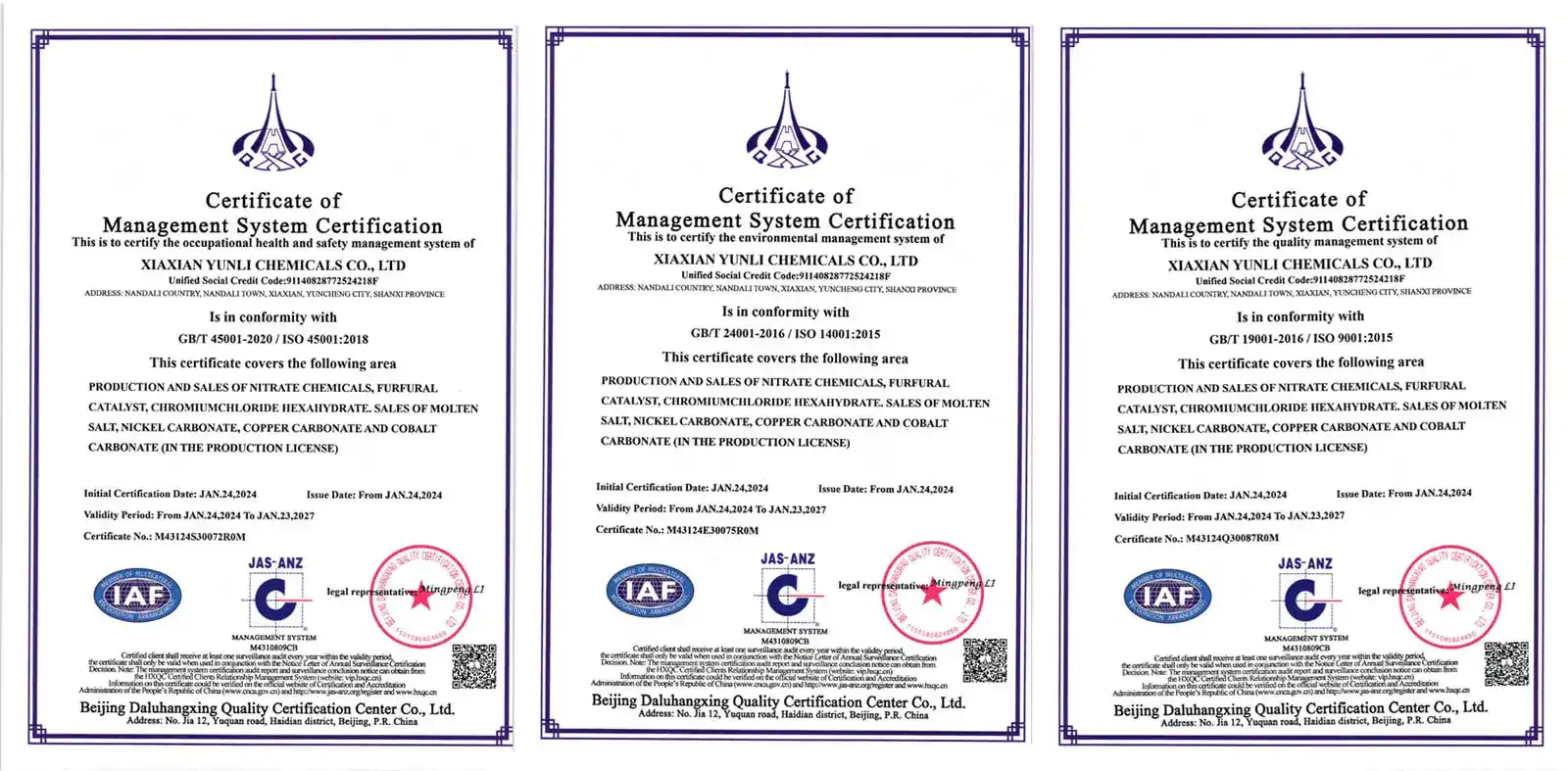
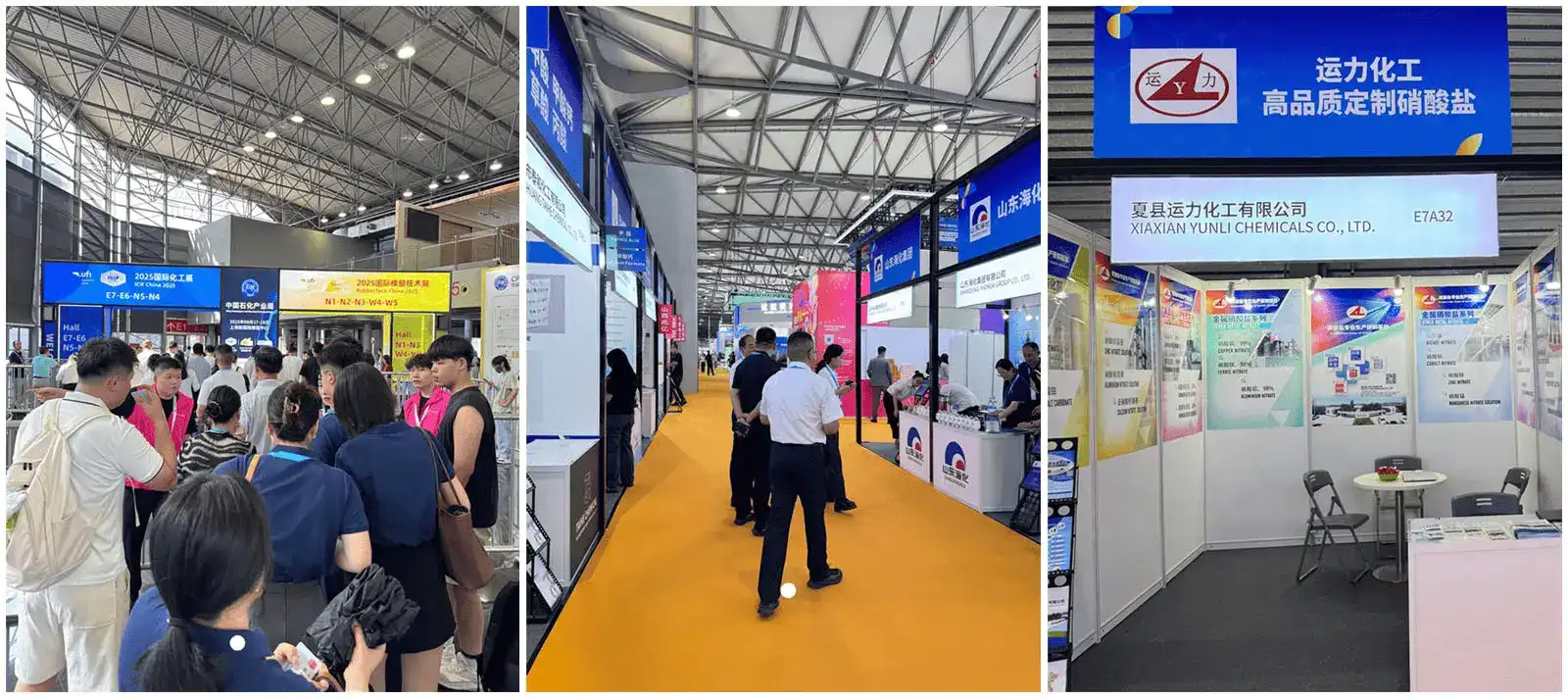
There is more to the overall value of Chromium Acetate sources around the world than just the unit price. Manufacturers that have been around for a long time, like Yunli Chemical, which has been around since 2005 and makes over RMB 1 billion a year and has RMB 300 million in fixed assets, can hold up long-term supply deals. The ISO 9001, ISO 14001, and OHSAS standards make sure that systems are safe for workers, take care of the environment, and handle quality. This makes it easy for teams that buy things to check up on suppliers.
The fact that R&D was named a Provincial-Level Enterprise Technology Center shows that they can make solutions that are specific to a process. For example, they can change ratios (40–60%), viscosities, or specialty chemical packages. This ability to adapt is very useful for going into new areas or improving existing recipes without having to switch sources. To find a new chrome source that has been tried and passed production rules costs a lot of money.
How well you can buy things is directly related to the minimum order amounts, the types of packing you can choose from, and your ability to handle shipping. Because some providers offer free samples (up to 500 grams) and varying MOQs, it's possible to do cost-effective tests before committing to a certain amount of tonnage. There are different ways to package things based on how they are stored and how often they are used. These include drums, IBC tanks, and big truck delivery.
When you buy from a plant directly, there are no markups for middlemen. This makes costs more reasonable and makes sure that customers get direct professional help from people who know how to make things. For buyers in the U.S., making sure that suppliers handle their own exports, know the rules for international shipping, and provide paperwork like commercial invoices, packing lists, and MSDS on time can help buyers avoid delays at customs and make sure deliveries happen on time, which is important for keeping production schedules.
Conclusion
Tech experts and buying managers who want to improve industry processes and pick the best sellers need to know how much Chromium Acetate dissolves in water. The compound is very helpful because it doesn't rust like other chromium salts, dissolves fully in water, and stays stable within pH ranges that can be managed. It is used to make catalysts, dye fabrics, tan leather, and do other specialized chemical work.
Purity grades, impurity profiles, and source approvals all show differences in quality that have a direct impact on both how well the process works and how well it follows the rules. Good sourcing strategies back well-known companies that can show they are financially stable, have advanced research and development skills, and have full quality systems. By putting these things ahead of low prices and open service models, companies build strong supply chains that support steady production and long-term success in tough industrial markets.
FAQ
Q1: Does chromium acetate dissolve completely in water?
A: No, Chromium Acetate does not mix with water in any amount that is useful. Most store-bought products can reach 50% by weight without having to separate the phases. It is possible to do this with pH control (3.5–4.5) and binding agents that stop precipitation.
Q2: What factors affect chromium acetate's solubility in industrial settings?
A: Temperature, pH, and the amount of impurities all have an impact on how something breaks down. More heat makes the breaking down go faster, but you have to keep an eye on the pH to stop hydrolysis. A mix needs to have a pH between 3.5 and 4.5 to stay stable over time. It's possible for too much salt or sulfate to mess up the chemistry of coordination and make it work less well.
Q3: How does solubility impact leather tanning performance?
A: Chrome can spread evenly through leather because it dissolves easily in water. This keeps the dyeing depth, color consistency, and mechanical properties the same. If something doesn't dissolve well or forms crystals during processing, it can lead to surface over-concentration. This makes the grains look bad and the dyes don't soak in evenly, which makes more products be thrown away.
Q4: What documentation should I request from chromium acetate suppliers?
A: Ask for Material Safety Data Sheets (MSDS), ISO standards (9001, 14001), Certificates of Analysis (COA) that show the Cr³⁺ content, impurity profiles, pH, and density, as well as Drug Master Files (DMF) for medical uses. This paper work is very important for audit records because it makes sure that the rules are followed and the quality is always the same.
Partner with Yunli Chemical for Reliable Chromium Acetate Supply
Chromium Acetate is easy to get from Yunli Chemical. They have been making chemicals for more than 18 years and have worked with medium-sized to big companies on electroplating, dying leather, making catalysts, and making specialty chemicals. It has a stable pH range (3.5–4.5) and fully meets REACH, RoHS, and ISO standards. It also has very few impurities—less than 30 parts per million of iron and less than 5 parts per million of heavy metals. There is also full COA, MSDS, and environmental papers that comes with it. We are a qualified Chromium Acetate manufacturer that ships directly from the plant.
Because we don't go through a middleman, we can offer flexible minimum order amounts, concentrations that can be changed from 40% to 60%, and free samples of up to 500 grams for testing. At the local level, our technology center lets us make goods that are just right for you, whether you need medicines-grade purity or specific catalyst sources. Send an email to wangjuan202301@outlook.com to talk about your specific needs, get full product specs, or arrange for samples to be sent to you.

References
1. Cotton, F.A., Wilkinson, G., Murillo, C.A., and Bochmann, M. (1999). Advanced Inorganic Chemistry, 6th Edition. John Wiley & Sons, New York.
2. Covington, A.D. (2009). Tanning Chemistry: The Science of Leather. Royal Society of Chemistry, Cambridge, UK.
3. International Agency for Research on Cancer (IARC). (2012). Chromium, Nickel and Welding, IARC Monographs Volume 49. World Health Organization, Lyon, France.
4. Kirk-Othmer Encyclopedia of Chemical Technology. (2007). Chromium Compounds, 5th Edition, Volume 6. John Wiley & Sons, Hoboken, New Jersey.
5. U.S. Occupational Safety and Health Administration (OSHA). (2006). Occupational Exposure to Hexavalent Chromium: Final Rule. Federal Register 71(39): 10099-10385.
6. Zhang, L., Chen, J., and Wang, Y. (2018). Application of Trivalent Chromium Compounds in Modern Electroplating Technology. Journal of Applied Electrochemistry, 48(7): 745-758.