


Calcium Nitrate Uses in Fertilizer Manufacturing Plants
Calcium nitrate (Ca(NO₃)₂·4H₂O) plays a central role in modern fertilizer manufacturing plants. As a dual-source nutrient compound delivering both immediately available nitrogen and soluble calcium, it addresses two critical crop requirements simultaneously. With a molecular weight of 236.15 and exceptional water solubility (~1,290 g/L at 20°C), it integrates seamlessly into water-soluble fertilizer formulations, drip irrigation systems, and foliar sprays. Unlike chloride-based calcium sources, it introduces no phytotoxic ions, making it the compound of choice for high-value horticultural crops. Understanding how it functions inside a production facility is essential for procurement teams seeking consistent quality and supply reliability.
Understanding Calcium Nitrate and Its Role in Fertilizer Production
Chemical Identity and Physical Properties
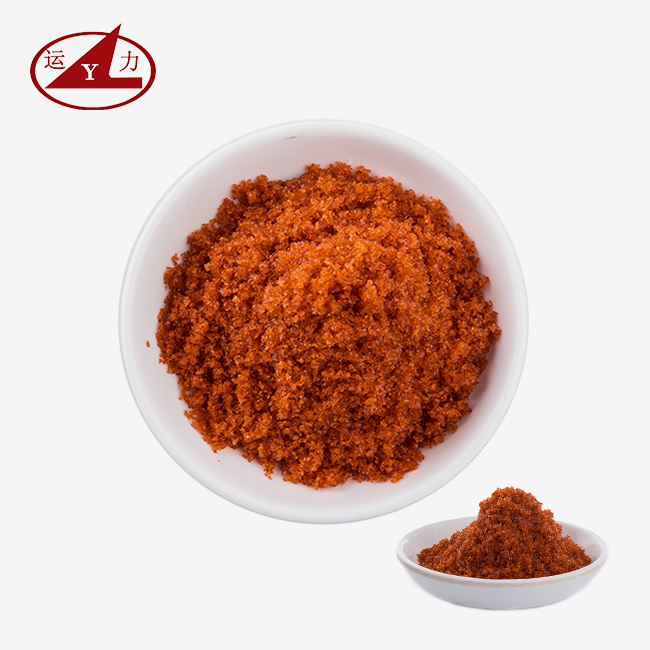
A white columnar crystal of the monoclinic system, calcium nitrate tetrahydrate has a specific density of 1.895. It is easy to dissolve in water, methanol, ethanol, and acetone, but not in nitric acid. It breaks down at 132°C. When it comes to high-purity grades, the calcium content is over 16.9% and the nitrogen content is over 11.7% for each grade. Because of these traits, it is formally correct for adding fertilizer, since the nutrients' frequency has a direct effect on how well the plants grow.
Dual Nutrient Delivery in Agricultural Formulations
As a fully soluble molecule, this substance can provide both nitrate-nitrogen and calcium. This makes it very useful for people who make fertilizer. It is easy for nitrate-nitrogen to move through the soil solution and be taken up without having to fight with other cations. Calcium, on the other hand, makes cell walls stronger and stops diseases like strawberry bud end rot and cabbage tip burn. If you use fertigation lines that use this compound, you can see effects right away because the soil doesn't have to change either nutrient before it can be taken. This is a great selling point for companies that sell inputs to farmers who want to get good crop producers.
Comparing Calcium Nitrate with Other Fertilizers: Making Informed Choices
Solubility, pH Effect, and Crop Suitability
Companies that make fertilizer often look at different nitrogen and calcium sources and compare them. Even though urea is cheap, it doesn't add calcium to the soil and instead makes it more acidic over time. No calcium is in ammonium nitrate, and it can be dangerous to store and move. However, it works well to deliver nitrogen. There is calcium chloride in it, but it also has chloride ions, which means it can't be used on plants that are sensitive to chloride. Potassium nitrate has nitrogen and potassium in it, but no calcium.
Calcium nitrate tetrahydrate is in a special situation because it maintains the pH of solutions close to neutral (5.0–7.0), doesn't cause salt buildup in light uses, and functions well in water-soluble mixes with other elements. Buyers always use this compound to make fertilizer mixes that work better for solanaceous plants, leafy vegetables, or hydroponic systems than other compounds that require more work.
Optimizing Calcium Nitrate Application in Fertilizer Manufacturing Plants
Handling, Blending, and Storage Protocols
In fertilizer production plants, calcium nitrate application can be improved. It takes more than just the right ingredients for production to work well. It also needs focused work at the business level. The biggest issue with the substance is that it takes in a lot of water. High humidity (above 60% RH) makes crystals dissolve in their own water, which is what makes them crystallize. The word for this is deliquescence. Customers who buy from manufacturers who use PE-liner sealed bags with moisture-barrier outer packaging are much less likely to complain about caking.
Here are the core manufacturing protocols that reliable production facilities follow:
- Storage environment: Maintain warehouse humidity below 55% RH and temperature below 30°C. Palletize bags away from direct floor contact to prevent moisture wicking.
- Blending sequencing: Never pre-mix with sulfate or phosphate fertilizers in the same tank. Calcium sulfate (gypsum) and calcium phosphate crystals form instantly, clogging irrigation lines and reducing nutrient availability.
- Quality control checkpoints: Test water-insoluble matter via gravimetric analysis; high-performance applications require less than 0.01%. Heavy metals like lead, cadmium, and mercury need to be checked by ICP-OES to meet REACH and safety guidelines for farming.
- Dosage management: The amount of calcium added through drip fertigation is usually between 100 and 200 ppm, but this can change based on the crop's stage of growth and the soil's calcium level.
These rules make sure that finished water-soluble fertilizer goods work the same way in all types of markets, protect tools further down the line, and cut down on production waste.
Procurement Strategies for Calcium Nitrate: What B2B Clients Need to Know?
Evaluating Suppliers and Building Resilient Supply Chains
Teams from around the world have bought from big companies like Yara, Haifa Chemicals, and EuroChem in the past. Even though these names are well-known, medium- to large-sized fertilizer companies want to cut costs per unit and get more supply options by connecting directly with factories. In years when sales are between $700,000 and $7 million USD, this is especially true.
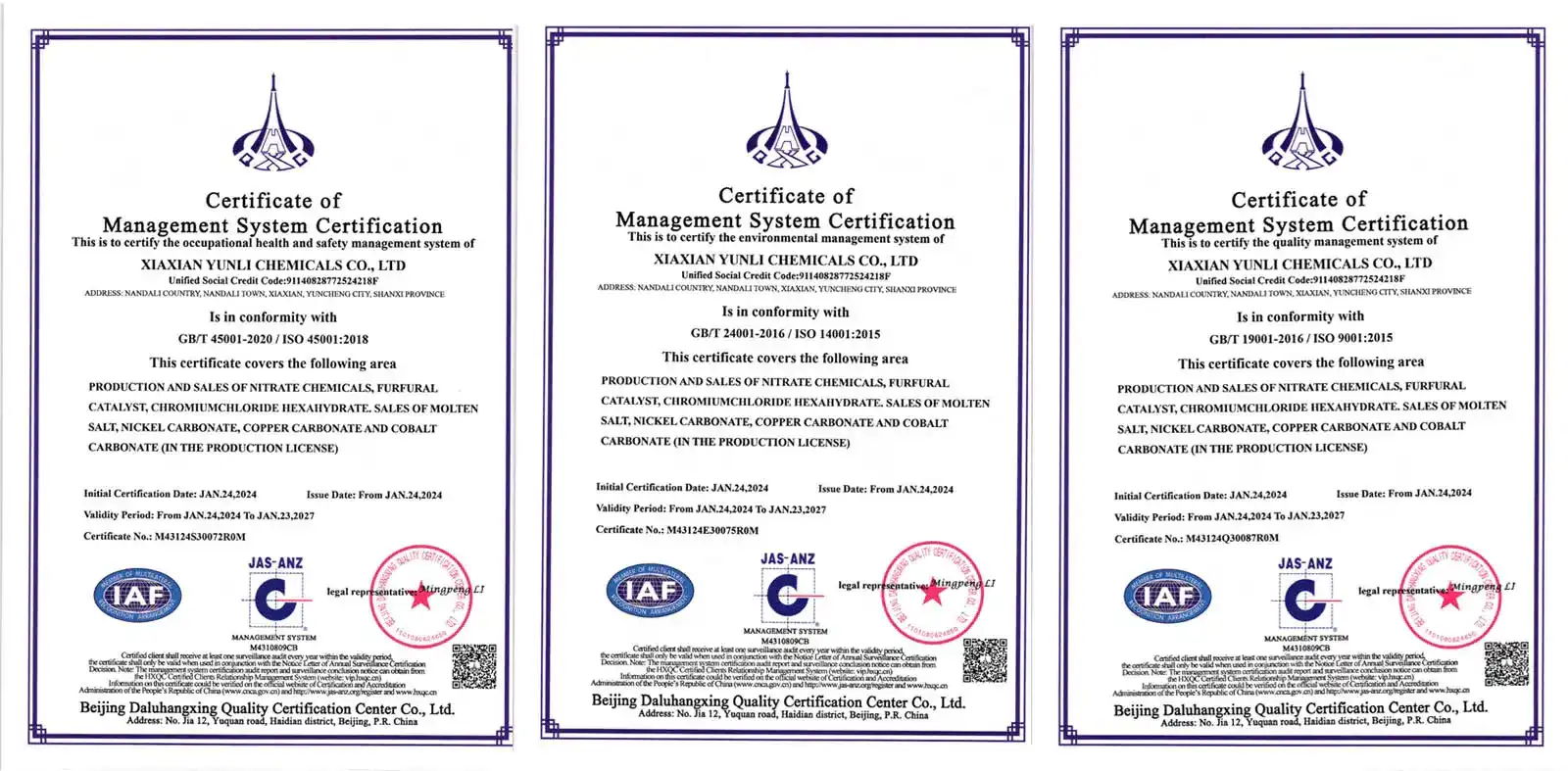
Some important ways to find calcium nitrate providers you can trust are to look at their prices and make sure the process is checked. A reputable manufacturer will have ISO 9001 quality management certification, in-house labs that can do ICP-MS or atomic absorption, and the ability to provide batch-specific COAs that show purity, insoluble matter, and heavy metal content. If procurement chiefs don't do this, they might find that the quality of different shipments isn't always the same. This can make it hard to mix batches of fertilizer properly and hurt your relationships with customers in the long run.
There are more reasons why certifications are important than just quality. Suppliers who are approved by the OHSAS Occupational Health and Safety and ISO 14001 Environmental Management systems are very good at following processes, which makes sure that each batch is the same. This is a good way to check out a supplier when you can't visit their facility right away.
Future Trends and Innovations in Calcium Nitrate Fertilizer Use
Controlled Release, Precision Nutrition, and Regulatory Pressure
From 2023 to 2030, the global market for water-soluble fertilizer is projected to grow at a CAGR of over 5.5% (Grand View Research, 2024). It was worth about $18.6 billion. Because of this, calcium nitrate-based formulas are moving toward more complicated technology designs. Now that there are new controlled-release covering technologies, businesses can change when nutrients are released. This means that they can give plants calcium and nitrogen at the right time for growth. This lowers the amount of nitrogen that is lost through leaching and makes nitrogen use more efficient. This is something that regulators in the US and EU are paying more attention to.
Nano-formulation carriers and new ways of feeding plants through their leaves are now being tried in the real world for important farming uses. Manufacturers all over the world have to lower the amount of heavy metals in their raw materials because of the new EU Fertilizing Products Regulation (2019/1009). This makes it even more important to use calcium nitrate sources that are very pure and have strict quality control records.
Conclusion
Calcium nitrate tetrahydrate is still one of the most useful and adaptable materials used to make fertilizer. Manufacturers who sell high-value foods can't find a better product than this one. It gives both nitrogen and calcium, dissolves completely in water, and works with precise watering systems. When you buy something, making sure it has purity paperwork, heavy metal compliance, and storage-quality packing is very important. This protects both the efficiency of production and the image of the market. In the long run, suppliers who work together based on clear quality control data and quality assurance checks will be able to beat their competitors in the water-soluble fertilizer market.
FAQ
Can calcium nitrate be mixed with potassium sulfate in the same tank?
No, mixing calcium nitrate with fertilizers that contain sulfate makes calcium sulfate quickly form, which jams drip emitters and makes it harder for plants to get nutrients.
What causes the product to cake inside the bag?
Things that are hygroscopic take in water and make clumps. Should the PE liner seal come apart or the warehouse humidity rise above 60% RH, the crystals will take in the water from the air and stick together. When you store things dry and in containers that seal tightly, this doesn't happen.
Is agricultural-grade material different from technical grade?
Things used in gardening might be able to handle iron residue or things that won't dissolve better. Technical-grade calcium nitrate generally needs to have a measurement above 99%, stricter iron control, and lower limits on how much it can't dissolve in order to be used in medicine or industry.
How do I confirm heavy metal compliance before purchase?
For each batch, ask for a COA that shows the ICP-OES results for lead, cadmium, and mercury. Most of the time, reputable manufacturers will give you this information without you having to ask.
What is a safe application rate in drip fertigation?
Rates are usually between 100 and 200 ppm calcium, but they change based on the type of crop, its stage of growth, and the calcium level in the soil at the beginning. Check out the fertigation schedules that are made for each crop to get an accurate reading.
Source Yunli Chemical's Calcium Nitrate — Trusted Manufacturer, Direct Supply
It has been more than 20 years since Yunli Chemical sold very pure calcium nitrate to fertilizer companies in Asia, the Americas, and some emerging markets. Yunli Chemical has ISO 9001, ISO 14001, and OHSAS certifications, which means that they are a tried calcium nitrate supplier. They have prices that come straight from the plant, flexible packaging, quality papers that are specific to each batch, and free samples of up to 500 grams. You can also email our expert team at wangjuan202301@outlook.com to talk about your supply needs.

References
1. Mengel, K., & Kirkby, E. A. Principles of Plant Nutrition. Kluwer Academic Publishers, 2001.
2. Grand View Research. Water-Soluble Fertilizers Market Size, Share & Trends Analysis Report. Grand View Research, 2024.
3. European Parliament. Regulation (EU) 2019/1009 on EU Fertilising Products. Official Journal of the European Union, 2019.
4. Hochmuth, G., & Hanlon, E. Nitrogen Sources for Vegetable Production. University of Florida IFAS Extension, 2020.
5. Savvas, D., & Gruda, N. "Application of soilless culture technologies in the modern greenhouse industry." European Journal of Horticultural Science, 2018.
6. Mortvedt, J. J., et al. Soil Fertility and Fertilizers: An Introduction to Nutrient Management. Pearson Education, 2005.