


Calcium Nitrite 30% Solution Handling and Safety Guide
When working with concrete corrosion inhibitors in industrial environments, understanding proper handling protocols becomes essential to protect both personnel and product integrity. The Calcium Nitrite 30% Solution (CAS# 13780-06-8) represents a specialized liquid admixture containing calcium nitrite [Ca(NO₂)₂] at a controlled concentration, designed primarily to prevent steel reinforcement corrosion within concrete structures while accelerating early strength development. This guide walks you through critical safety measures, storage requirements, and procurement considerations that purchasing managers and technical engineers need when integrating this chemical solution into large-scale infrastructure projects.
Understanding Calcium Nitrite 30% Solution
Chemical Composition and Properties
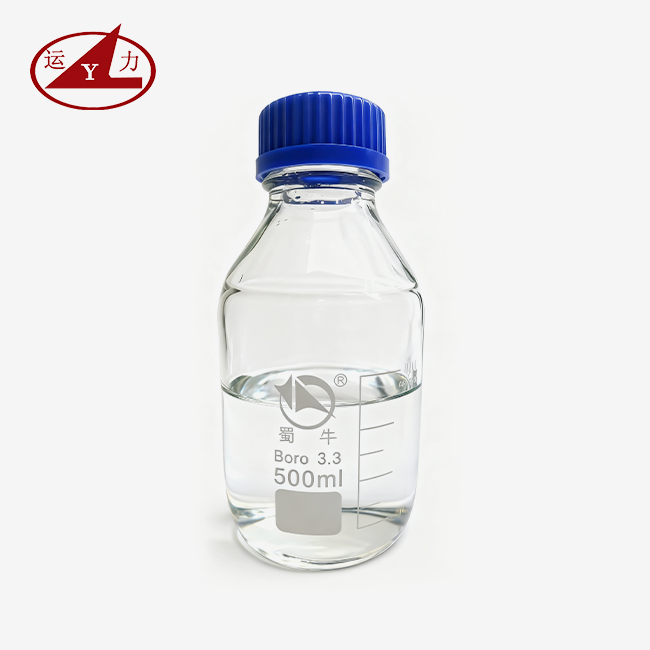
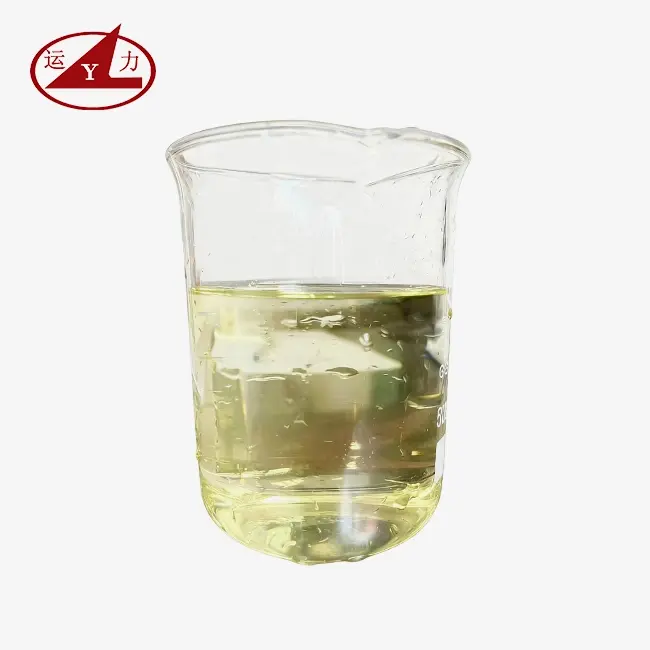
Calcium Nitrite 30% Solution is very different from similar molecules in how it works and how it is structured. The product has 30% calcium nitrite mixed with water, which makes a clear to pale yellow liquid with a specific gravity of 1.28 to 1.32 g/cm³. This water-based mixture sends nitrite ions straight to the concrete matrix, where they move to steel surfaces and help make a protective layer of ferric oxide. Unlike calcium nitrate, which mostly speeds up the setting process, or sodium nitrite, which can add unnecessary sodium ions, this solution protects against targeted anodic rust.
Corrosion Inhibition Mechanism
There is a complex electrochemical process going on behind corrosion protection chemistry. When chloride ions get into concrete from de-icing salts or being in the ocean, they damage the passive layer on the steel support that is buried in the concrete. Nitrite ions stop this by turning ferrous ions into ferric ions, which keeps the protective oxide film in place. According to research, keeping the nitrite-to-chloride ratio above 0.90 greatly lowers the amount of chloride needed to start corrosion. This means that structures can last decades longer in harsh environments.
Primary Industrial Applications
Professional builders use this mixture for a variety of tough tasks. Its resistance to chloride makes it a good choice for marine infrastructure projects like piers, seawalls, and coastal bridges. Parking garages that are exposed to salt over and over again last longer. Its antifreeze properties are used in cold-weather concreting, which means that it can be poured in temperatures as low as -10°C without losing its ability to hydrate. The solution can also be used to clean heavy oils and incorporate lubricants into chemical processing plants, showing that it can be used for more than just concrete.
Safe Handling and Storage Guidelines for Calcium Nitrite 30% Solution
Personal Protective Equipment Requirements
Putting in place the right safety measures is the first step to a safe workplace. People who work with this solution need to wear nitrile or neoprene gloves that are resistant to chemicals, since regular latex gloves aren't enough to protect against alkaline solutions. Because the pH range of the solution is 9.0 to 11.0, making eye contact with safety masks or face covers is not possible. When moving large amounts, it's important to wear protective aprons and make sure there is enough air flow to keep vapor from building up. In small areas where the amount of smoke may be higher than what is safe for workers to be exposed to, respirators are needed.
Emergency Response Protocols
Even though precautions are taken, spills do happen sometimes during transfer operations. As an immediate response, absorbent materials like vermiculite or sand are used to keep the liquid from draining into waterways, where nitrites can harm aquatic ecosystems. Calcium Nitrite 30% Solution should be handled with particular care during such events, as its nitrite content poses specific toxicity risks.
Neutralization with weak acid shouldn't be done on-site; instead, the absorbed material should be put in polyethylene bags and thrown away by licensed professionals who deal with toxic garbage. If it gets on your skin, wash it off with lots of water for at least 15 minutes. Because alkaline solutions can damage the cornea, if you get them in your eyes, you should wash them out right away and see a doctor.
Optimal Storage Conditions
Paying attention to external factors is important for keeping the quality of a product high throughout its shelf life. Keep packages in temperature-controlled areas between 5°C and 30°C. Freezing can make things crystallize, and too much heat can speed up the breakdown process. If the solution is kept in its original polyethylene or stainless steel containers for a year, it stays stable. However, carbon steel tanks need to be lined with protective materials to stop oxidation reactions. Keep organic materials, reducing agents, and acids separate to avoid reactions that can't happen. Controlling humidity stops condensation from forming on the outside of containers, which can make labels hard to read and cause slip risks.
Transportation and Regulatory Compliance
Shipping this oxidizing liquid requires following the rules set by the Department of Transportation. The solution is usually a Class 5.1 oxidizer, which means it needs to be labeled and packed in a certain way for ground transportation. Secure containers so they don't move around while they're being shipped, and never ship them with food or things that can catch fire. The correct shipping name, UN identification number, and emergency contact information must be included in the paperwork. International exports must follow the International Maritime Dangerous Goods Code rules even more, especially sea freight to building sites along the coast.
Procurement Considerations for Calcium Nitrite 30% Solution
Evaluating Supplier Credentials
Choosing the right seller has a big effect on how well the project goes and how well risks are managed. ISO 9001 approval should be the first step in the verification process because it shows that the quality management systems are reliable. Environmental credentials are just as important. For example, ISO 14001 approval shows that you handle trash and emissions responsibly, which lowers your supply chain risk. Look for providers that are designated as provincial or national technology centers. These companies have the research and development (R&D) skills to make recipes fit the needs of each project, such as changing concentrations or increasing purity levels for sensitive uses.
Quality Assurance Documentation
There should be a lot of detailed information with every package. The Certificate of Analysis (CoA) must show that the nitrite concentration is between 29.5 and 30.5%, as even small differences can change the dosage calculations and the level of protection. Verification of chloride content is very important; standards should ensure levels below 0.05% so that you don't introduce the contaminant you're trying to stop by accident. To follow environmental rules, the amount of heavy metals, especially lead and mercury, must stay below 10 parts per million (ppm). Batch traceability lets you act quickly if quality problems arise during the pouring of concrete.
Pricing Models and Ordering Terms
Understanding how costs are structured can help make buying budgets work better. When you buy in bulk, you can usually save a lot of money per liter. Some sellers may offer tiered pricing, with discounts starting at 1,000 liters and rising at 5,000 and 10,000 liters. Calcium Nitrite 30% Solution is one such product where bulk purchasing significantly affects per-liter costs, so it is worth comparing volume breaks carefully.
But look at the total cost of ownership instead of just the unit price. Reliable sources with a history of on-time deliveries can avoid costly project delays that make material saves irrelevant. Many manufacturers now offer flexible minimum order quantities, and some even get rid of MOQ requirements completely to allow for trial periods. Terms of payment range from "net-30" for long-term clients to "letters of credit" for new international partnerships.
Technical Support Capabilities
In addition to providing products, you should also check to see if the seller can offer application advice. Manufacturers with a lot of experience have expert teams that can figure out the best dosage rates for you based on your exposure class, material type, and expected chloride load. They should offer concrete compatibility tests to make sure the solution works well with your type of cement and any other materials added to it, such as superplasticizers or extra cementitious materials. Engineers can explain their choices about specifications to project partners and regulatory officials when they have access to performance data, such as ASTM C1582 and G109 test results.
Comparing Calcium Nitrite 30% Solution with Other Corrosion Inhibitors
Calcium Nitrite vs. Sodium Nitrite
Both substances give off nitrite ions that protect against rust, but sodium nitrite adds sodium cations that make the concrete more alkaline overall. Adding sodium to alkali-reactive aggregates can start an alkali-silica reaction (ASR), which can lead to cracks that get bigger and damage to the structure. Calcium Nitrite 30% Solution formulas don't have this risk at all, which makes them better for projects where the aggregate's reaction rate is still unknown. Also, sodium nitrite needs higher amounts to provide the same level of protection, which raises the cost of the material and the chance of surface efflorescence.
Organic vs. Inorganic Inhibitors
Organic corrosion inhibitors, such as amine-based compounds, work by sticking to steel surfaces and making a barrier. Even though they work well in the lab, they don't work as well in high-chloride settings because the high concentrations of ions make the barrier process less effective. Long-term protection is better with inorganic nitrite-based treatments because they chemically rebuild the passive layer instead of just stopping chloride access. The trade-off is higher initial material costs, but lifecycle analysis always shows that it is worth it because the structure lasts longer and needs less maintenance.
Environmental and Safety Profiles
Material choices are being affected by environmental factors more and more. Calcium nitrite solutions are less harmful to aquatic life than many organic alternatives, but they still need to be kept in a contained area when they're being used. The alkaline pH makes it hard to handle, but it doesn't produce harmful chemical compounds that are bad for air quality. Rules say that used solutions with nitrites are industrial waste that needs to be treated, but some organic inhibitors let them go straight into the sewer after they've been neutralized. When performance needs are weighed against environmental responsibility, calcium nitrite is often chosen for important infrastructure where failure would have more serious effects than the difficulty of handling it.
Best Practices for Using Calcium Nitrite 30% Solution in Concrete Applications
Dosage Calculation and Mixing Procedures
To get the best corrosion protection, you need to carefully calculate the dosage based on how much chloride you expect to be exposed to. Adding 10 to 30 liters of water per cubic meter of concrete is the normal amount. Areas near water, like beaches, need the most water. Calcium Nitrite 30% Solution should be added to the mix water before the cement is introduced, ensuring it is evenly spread throughout the batch. If you add a solution that hasn't been diluted to dry cement, it will create concentration differences that make the protection less even. When mixing with other ingredients, add them one at a time instead of mixing them together first to avoid reactions that don't work well together that could hurt performance.
Performance Monitoring and Testing
Placement shouldn't be the end of verification. Take out cores of concrete every 28 and 90 days to use ion chromatography to find out how much nitrite is actually present. This makes sure that there are still enough levels for long-term protection. Electrochemical impedance spectroscopy is a way to check the stability of the passive layer on inserted reinforcement without damaging it. Half-cell potential mapping finds places where corrosion might be starting even though inhibitors are present. This lets specific repairs be made before the damage is seen. These monitoring protocols create records that back up warranty claims and show project owners that proper care was taken.
Regulatory Compliance and Waste Management
It takes careful planning to get rid of leftover solution or dirty rinse water. Never put nitrites directly into sanitary sewers or storm drains because they make the water need more oxygen, which can be against the rules of your discharge permit. Put trash in the right bins and hire licensed industrial waste workers who know how to handle oxidizing agents to take it away. When nitrite-based additives are used near sensitive aquifers, some places require groundwater tracking. Keep track of all the things you use, throw away, and record how you do them so you can show that you're following the rules of the Clean Water Act during environmental audits.
Conclusion
Getting and handling Calcium Nitrite 30% Solutions the right way has a direct effect on both worker safety and project performance. The advice here is based on best practices created over many years of using infrastructure. It stresses that the success of corrosion protection relies on both the quality of the material and how it is handled. When purchasing managers put supplier credentials, full documentation, and expert help skills at the top of their list of priorities, their companies set themselves up for long-term relationships that work well. As concrete infrastructure is exposed to harsher environments, it becomes more important that corrosion inhibitors are properly chosen and handled in order to meet design service life expectations and keep everyone safe along the supply chain.

FAQ
What shelf life can we expect under recommended storage conditions?
The Calcium Nitrite 30% Solution stays at specification-grade quality for 12 months after it was made as long as it is kept in its original, sealed packages between 5°C and 30°C and away from materials that don't work with it. For keeping longer than this, the concentration and purity levels must be checked again before the product can be used. If frozen, it may crystallize, but melting and mixing slowly can bring it back to a homogeneous state without affecting performance. Before using a container, you should always check it for signs of leaks or contamination.
Can this solution be used alongside supplementary cementitious materials?
Fly ash, silica fume, and ground powdered blast furnace slag are all very well mixed with Calcium Nitrite 30% Solution. These materials work together to make it stronger. The extra cementitious materials make the concrete less permeable so that chlorides can't get in as easily, and the nitrite ions protect the steel from any chlorides that do get in. To keep the chemicals stable, add the nitrite solution on its own instead of mixing it with other liquids first. The alkaline solution may change how well the plasticizer works, so slightly change the amount of water reducer used.
How does this compare to epoxy-coated reinforcement for corrosion protection?
There are different ways that each method prevents corrosion. Even though epoxy coating acts as a physical barrier, it can still be damaged during handling and placement. Any damage to the coating creates an anodic site where corrosion can happen more quickly. Nitrite-based additives cover the whole surface of the rebar evenly and can fix themselves if the passive layer gets damaged. Many engineers choose both options for important marine buildings and are willing to pay more for double the safety systems.
Partner with Yunli Chemical for Reliable Calcium Nitrite 30% Solution Supply
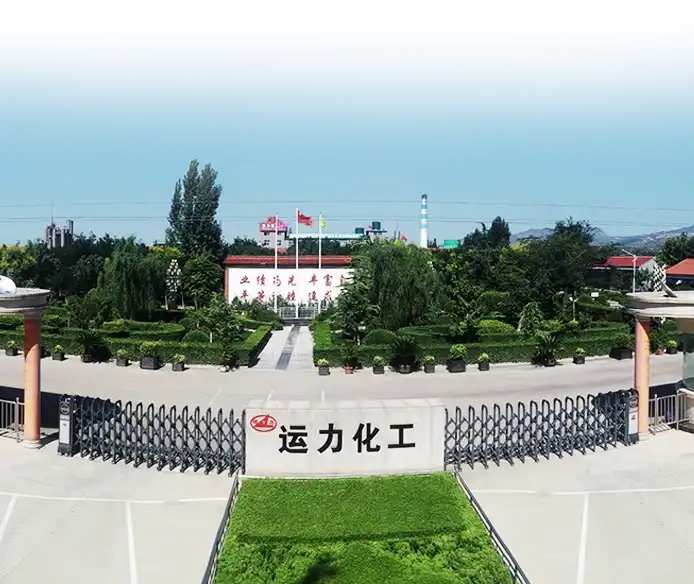
Yunli Chemical has been making high-quality concrete admixtures for over 20 years and has more than 1,000 commercial clients around the world. Their products are always the same. As a producer of Calcium Nitrite 30% Solution with ISO 9001, ISO 14001, and OHSAS certifications, we know that supply problems and changes in quality can't happen on your building projects. Our provincial-level enterprise technology center lets you change the concentrations and packaging to fit your needs.
Our advanced analytical laboratory, which is equipped with ICP-MS and atomic absorption spectrometers, makes sure that every batch meets strict purity standards, with a chloride content of less than 0.05%. We don't have minimum order sizes, and we offer free samples of up to 500 grams, so you can try us out before you commit. Direct plant supply gets rid of markups for distributors, and our self-run export division makes sure that all paperwork is correct so that customs approval goes smoothly. Get in touch with our expert team at wangjuan202301@outlook.com to talk about your corrosion protection problems and get dosage suggestions based on thorough CoA paperwork and ASTM compliance data.
References
1. American Concrete Institute. (2016). Guide to Durable Concrete (ACI 201.2R-16). Farmington Hills, MI: ACI Committee 201.
2. Berke, N.S., & Rosenberg, A. (1989). Technical Review of Calcium Nitrite Corrosion Inhibitor in Concrete. Transportation Research Record, 1211, 18-27.
3. ASTM International. (2020). Standard Specification for Admixtures for Concrete (ASTM C494/C494M-19). West Conshohocken, PA: ASTM Committee C09.
4. National Association of Corrosion Engineers. (2018). Corrosion Control in Concrete: Principles and Practice. Houston, TX: NACE International.
5. Trejo, D., & Pillai, R.G. (2003). Accelerated Chloride Threshold Testing: Part I—ASTM A 615 and A 706 Reinforcement. ACI Materials Journal, 100(6), 519-527.
6. Pradhan, B. (2014). Corrosion Prevention and Protection: Practical Solutions. Chichester, UK: John Wiley & Sons Ltd.