


How Does Magnesium Nitrate Compare With Other Nitrates?
Magnesium nitrate hexahydrate (Mg(NO3)2·6H2O, CAS# 13446-18-9) stands out among nitrate compounds by delivering dual nutrients—magnesium and nitrogen—in a highly soluble form that enhances agricultural productivity and industrial efficiency. Unlike calcium or potassium nitrates, magnesium nitrate hexahydrate directly addresses magnesium deficiencies while supporting nitrogen uptake, making it particularly valuable in precision fertigation systems, catalyst manufacturing, and concentrated nitric acid production. Its compatibility with calcium sources and low salt index distinguish it from alternatives like magnesium sulfate, which forms problematic precipitates in mixed nutrient solutions.
Introduction
Nitrate compounds serve as foundational ingredients across agricultural, industrial, and specialty chemical sectors. Procurement managers face critical decisions when sourcing these materials, balancing product performance against cost structures and regulatory compliance. Magnesium nitrate hexahydrate has gained traction in B2B markets due to its unique chemical profile and operational versatility. This guide examines how this compound compares with other nitrates, offering insights into solubility behavior, nutrient profiles, safety protocols, and application-specific advantages. Understanding these distinctions enables supply chain professionals to optimize vendor selection and ensure consistent product quality in demanding production environments.
Understanding Magnesium Nitrate and Its Properties
Chemical Structure and Physical Characteristics
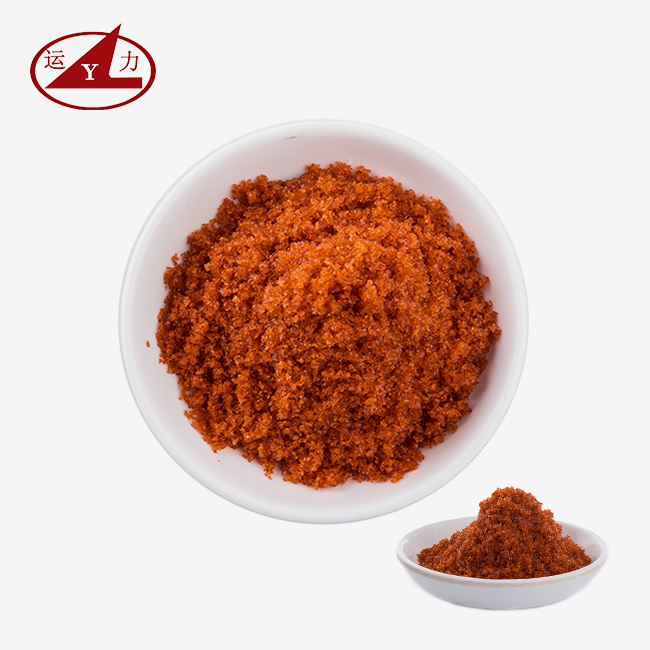
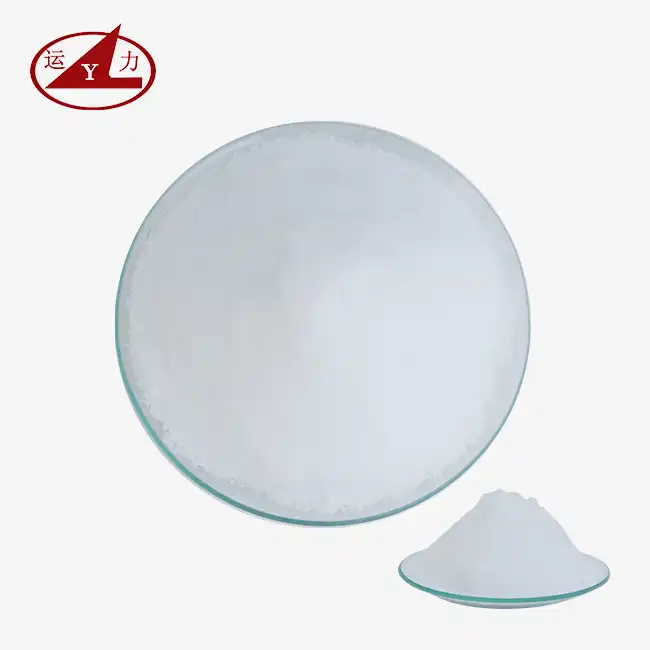
With a specific density of 1.6363 and a melting point of 89°C, Magnesium Nitrate hexahydrate is a colorless monoclinic crystal form. At room temperature, this salt that has been hydrated is the most stable form of nitrate. It breaks down into basic salts when heated above 90°C, and it turns into magnesium oxide when heated above 330°C. It dissolves completely in water and alcohol, which makes it easy to dissolve quickly in fertigation tanks and industrial boilers. The molecular weight of 256.41 helps with accurate dosing estimates in the field of formulation chemistry.
Industrial-grade goods from reputable companies keep their purity levels at or above 99.5% and keep the iron content at or below 30ppm (or 10ppm for pharmaceutical uses). This strict control of impurities keeps catalysts from becoming poisoned in methanol synthesis reactors and keeps ceramic glazes from turning colors that don't match. The pH range of 4.0 to 6.0 in water solutions makes them work with acid-resistant tools and stops alkaline precipitation while they're being mixed.
Safety Considerations and Handling Protocols
Magnesium Nitrate hexahydrate is a Class 5.1 oxidizer (UN 1474), so it needs to be handled carefully to avoid fire risks. It speeds up the burning process when mixed with organic materials, so it needs to be stored separately from things that can catch fire. Keeping the temperature below 30°C and managing the relative humidity are important parts of keeping a warehouse in good shape so that hygroscopic caking doesn't happen. Double-layer PE-lined wrapping keeps the quality of the product safe while it's being shipped internationally.
Instead of carbon steel containers, which rust when exposed to oxygen, storage sites should use HDPE, FRP, or 304/316 stainless steel containers. Transport paperwork has to follow safety rules, which include having the right signs and emergency contact information. The SDS standards stress the importance of safety gear for workers and methods for cleaning up spills using inert absorbents.
Industrial and Agricultural Applications
Numerous high-value industries use Magnesium Nitrate hexahydrate. In precision horticulture, it is the best magnesium source for hydroponic nutrient solutions because it doesn't cause gypsum to precipitate when mixed with calcium nitrate, which is a major advantage over magnesium sulfate. Growers of tomatoes, peppers, and leafy greens in greenhouses depend on this connection to keep the watering emitters clean and the nutrients getting to the plants consistently.
Heavy chemical companies use it to remove water from the mixture when making concentrated nitric acid. It changes the balance between gas and liquid beyond the azeotropic point and works better at heating than sulfuric acid ways. Ultra-pure types are used as starting materials by companies that make catalysts for magnesium oxide to be used in car converters and petrochemical hydrogenation units. The compound's oxidizing properties also have specific functional benefits in the production of explosives and as specialized wheat treatment agents.
Key Comparisons: Magnesium Nitrate vs Other Common Nitrates
Magnesium Nitrate vs Calcium Nitrate
Even though they both contain nitrates, these compounds have different nutritional roles. While Magnesium Nitrate helps with the synthesis of chlorophyll and the activation of enzymes, Calcium Nitrate provides the calcium ions necessary for the stability of cell walls and disease defense. Magnesium Nitrate hexahydrate keeps stability at higher concentrations, whereas calcium nitrate tends to be less concentrated in stock solutions due to crystallization risks.
The most important benefit comes from being able to mix in tanks. Complex nutrient formulas can be made in a single tank by dissolving Magnesium Nitrate and Calcium Nitrate together without making precipitates. This operating freedom lowers the cost of equipment and makes designing a fertigation system easier than with sulfate-based magnesium sources, which cause calcium to precipitate as gypsum right away and clog micro-irrigation systems.
Magnesium Nitrate vs Potassium Nitrate
In addition to nitrogen, potassium nitrate gives plants potassium to improve fruit quality and keep osmotic balance. It does this in a way that is different from how magnesium compounds affect plants. In commodity markets, price dynamics favor potassium nitrate, but Magnesium Nitrate hexahydrate's premium positioning is justified by its use in specialized applications. Crops that show signs of magnesium deficiency, like interveinal chlorosis in older leaves, respond only to magnesium inputs and not potassium inputs.
Potassium Nitrate dissolves endothermically, which cools liquids, while Magnesium Nitrate hexahydrate dissolves with less temperature change. Both work as low-chloride nitrogen sources that meet quality standards for plants that are sensitive to chloride, such as strawberries, tobacco, and decorative nursery stock.
Magnesium Nitrate vs Magnesium Sulfate
This comparison shows basic compatibility problems that affect decisions about what to buy. Epsom salt, or magnesium sulfate, costs less per unit of magnesium but can't be mixed with calcium sources because gypsum forms crystals. Magnesium Nitrate hexahydrate must be specified by facilities using calcium nitrate in fertigation programs to keep the system running.
Magnesium Nitrate has a lower salt index, which lowers osmotic stress on plant roots and enables higher application rates without hurting the plants. Foliar treatments gain from longer leaf wetting times because Magnesium Nitrate solutions stay hygroscopic for longer, which increases absorption effectiveness. The extra nitrogen content adds nutritional benefits that sulfate forms don't have, helping with both photosynthesis and skeletal growth.
Procurement Insights for Magnesium Nitrate and Other Nitrates
Supplier Evaluation and Quality Certifications
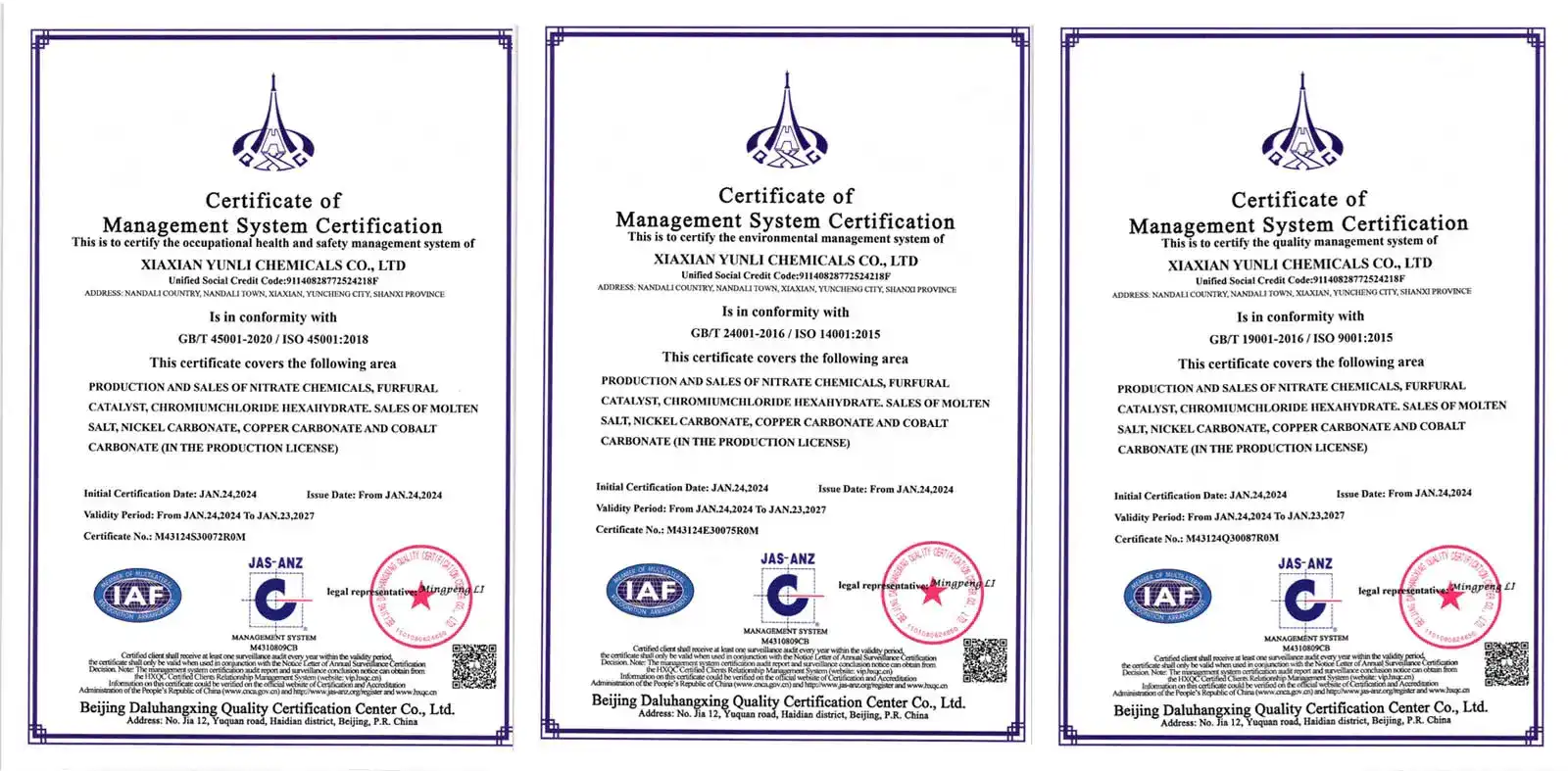
Suppliers with a good reputation show they follow the rules by having ISO 9001 quality management systems, ISO 14001 environmental certifications, and OHSAS safety standards for workers. Procurement teams should check the names of provincial or national technology centers that say they can do research and development for unique formulas. Manufacturing plants that have been open for more than 20 years and make more than $150 million a year are a sign of financial stability and production scale.
Leading providers stand out because they have advanced analyzing skills. In-house labs with ICP-MS and atomic absorption spectrometers make sure that important factors like iron content, heavy metals (Pb, Cd, As <20ppm), water insolubles (<0.05%), and pH stability are the same from batch to batch. Suppliers of 4N-grade (99.99% pure) materials work with industries like electronics and pharmaceuticals that need very low impurity levels.
Cost Structures and Pricing Variables
Magnesium Nitrate prices are based on the costs of its raw materials (nitric acid and magnesium oxide), the energy needed to crystallize it, and the costs of treating nitrate wastewater in a way that meets environmental standards. Price changes on the global market are linked to how much nitric acid can be made and how much magnesium ore is available. When buying in bulk, 1000kg IBCs or isotanks are cheaper than 25kg bags, but distributors who serve a wide range of customers need to be able to choose from different packaging options.
Long-term supply deals that include volume pledges guarantee better prices and first picks when supplies are low. Transparent sellers offer full COA paperwork and MSDS in several languages, which makes it easier for foreign buyers to follow the rules. Payment terms are usually negotiated based on the number of orders and the length of the relationship. Long-term customers can usually get 30 to 60 days net terms.
Logistics and Packaging Compliance
To ship goods internationally, you need to know how to classify hazardous materials and choose the right containers. Crystalline solids are shipped in woven bags lined with PE that hold 25 kg or 1000 kg and have moisture barriers. Liquid solutions that are already dissolved (45 to 55 percent by weight) are sent in isotanks or IBCs that are resistant to corrosion. Temperature control during transport stops crystallization in cold places, and some suppliers add substances that stop crystallization for winter shipments.
Importers can avoid fines from regulators if they label their goods in a way that follows REACH, GHS, and local chemical rules. Custom package choices, such as private labels, directions in multiple languages, and different bag sizes, help wholesalers place themselves in the market. Lead times are usually two to three weeks for standard grades and four to six weeks for high-purity custom formulations that need extra quality control testing.
Selecting the Right Nitrate for Your Industry Needs
Agriculture and Hydroponics Applications
Nitrate picking methods are based on the nutritional needs of each crop. Magnesium Nitrate hexahydrate blends can help keep the nitrogen-magnesium ratios in leafy greens and herbs in balance. During the vegetative growth stages, fruiting vegetables need calcium nitrate. During fruit development, they switch to magnesium-rich formulations to keep the leaves healthy and stop blossom-end rot.
Hydroponic systems need full solubility and technology that doesn't affect the plants in any way. Because it doesn't contain sulfate ions, Magnesium Nitrate keeps the EC levels at the right amount without nitrogen buildup. The compound dissolves quickly, which makes it good for automatic dosing systems that need to be precise with time. Different paths lead to organic certification. Synthetic Magnesium Nitrate is limited in certified organic production, while organically derived options cost more and are harder to get.
Industrial Chemical Applications
For the controlled production of magnesium oxide particles in catalysts, ultra-pure Magnesium Nitrate is used as a starting point. During calcination, the thermal decomposition profiles affect how the particles are sized and how much surface area they have. Pharmaceutical-grade (GMP-certified) inputs keep heavy metal contamination below detection limits, which is important for drug synthesis intermediates.
Explosives are made by using the compound's ability to oxidize fuels in exact stoichiometric amounts. Regulatory control makes it more important to have certain documents for purchases, like end-use certificates and safe supply chain validation. Concentrated nitric acid factories look at Magnesium Nitrate based on how well it dehydrates and how it affects the equipment used for distillation. They prefer suppliers with metallurgical knowledge that can help the equipment last longer.
Performance Criteria for Procurement Decisions
Key performance indicators include more than just price. They also include purity standards, delivery reliability, and how quickly technical support can help. Suppliers who give free samples of up to 500 grams can be used for trial testing before committing to buy in bulk, which lowers the risks of adoption. Flexibility in the minimum order amount allows for trial periods and changes in seasonal demand without having to pay for keeping inventory.
In addition to commodity price, analytical support services like custom impurity tests and application troubleshooting add value. Suppliers with backgrounds in coal-chemical engineering can help customers lower their operational costs by making changes to the formulation or improving the way they handle materials. Long-term partnership models with dedicated account management and guaranteed allocation make sure that supply stays steady even when the market is down.
Future Trends and Innovations in Nitrate Use
Sustainable Production Technologies
Environmental concerns push scientists to find greener ways to make chemicals that use less energy and make less waste. Using advanced crystallization methods, nitrate ions can be recovered from industrial wastewater streams, which supports the ideas of a circular economy. Magnesium Nitrate makers who use green energy sources and heat recovery systems are likely to be chosen as suppliers by procurement teams that care about the environment.
More and more, regulatory systems require agriculture uses to reduce nitrate runoff. Controlled-release coating technologies make nutrients more available while reducing leaching losses. However, their usefulness in the real world depends on how well they balance cost and performance. Bio-enhanced formulations that include helpful microbes show promise in increasing magnesium bioavailability from nitrate sources, which could lead to lower application rates.
Precision Agriculture Integration
Smart fertigation controls that use real-time soil sensors and plant sap analysis to find the best times to apply Magnesium Nitrate hexahydrate make the plans work better. Nutrient control based on data cuts costs by 15 to 25 percent while also raising crop quality measures. Integration with climate-controlled greenhouse technology lets changes be made on the fly based on formulas that measure light intensity, temperature, and growth stage.
As IoT sensors and machine learning models work together more, there is a need for stable, predictable sources of nutrients with consistent dissolution rates. In comparison to options with variable quality, Magnesium Nitrate hexahydrate's consistent performance qualities are better suited for algorithmic control systems. Cloud-based platforms aggregating crop response data from various facilities produce insights that help shape future product specs and the creation of custom blends.
Conclusion
Magnesium Nitrate hexahydrate is better than other nitrates because it has two different nutrients, mixes better, and can be used in many different industrial settings. When evaluating suppliers, people who work in procurement can do a better job if they know about differences in solubility, safety rules, and performance characteristics that are specific to an application.
Because the compound is used in precise farming, making catalysts, and making specialty chemicals, it is a key material that helps improve operating efficiency and product quality. Choosing providers with strong quality systems, analysis tools, and adaptable service models protects the supply chain and lowers costs over the long term in many different industries.
FAQ
Why choose magnesium nitrate over magnesium sulfate in fertigation systems?
When calcium nitrate and magnesium sulfate are mixed, they make gypsum, which is a solid form of calcium sulfate. This blocks irrigation valves and stops nutrients from getting to plants. Magnesium Nitrate hexahydrate works well with mixed solutions, which lets you make recipes in a single tank, which saves money on tools and makes things easier to do. The nitrate form gives magnesium and nitrogen at the same time, which helps chlorophyll production more than sulfate sources.
What storage conditions prevent product degradation?
Keeping crystalline products in climate-controlled storage below 30°C and managing the relative humidity stops hygroscopic caking. Double-layer PE-lined bags keep out wetness while they are being stored. To keep them from rusting, liquid solutions need containers made of stainless steel or HDPE. Separating oxidizers from flammable materials in the right way meets safety standards for this group, which lowers the risk of fire in warehouses that store many different products.
Can magnesium nitrate replace potassium nitrate in fertilizer blends?
These chemicals meet different food needs and can't be used in place of each other. While potassium nitrate improves food quality and stress resistance, Magnesium Nitrate hexahydrate focuses on the production of chlorophyll and enzymes. The right choice is based on the deficiency symptoms that are specific to the crop; interveinal chlorosis shows magnesium needs that potassium can't fix. Both nitrates are often mixed together in custom mixes to provide complete nutrients.
Partner with a Trusted Magnesium Nitrate Supplier
The global Magnesium Nitrate market is served by Yunli Chemical, which has been making high-quality products for over 20 years and has customers in North America, Europe, and Asia. Our production sites in Shanxi Province are ISO 9001, ISO 14001, and OHSAS-certified. They provide pharmaceutical-grade quality (≥99.5%) and can meet iron content requirements as low as 10ppm. As a Shanxi Provincial Enterprise Technology Center, we keep up-to-date ICP-MS and atomic absorption testing tools that make sure that your important applications are always consistent from batch to batch.
We make it easy to buy things by offering factory-direct prices, not requiring a minimum order size, and giving away free samples of up to 500 grams for testing purposes. Our self-managed export operations make it easy to communicate and move goods between international markets. Whether you need crystalline solids, liquid solutions that are already dissolved, or custom formulations with changed pH ranges, our technical team can meet your needs with quick service and on-time deliveries.
Contact us at wangjuan202301@outlook.com to discuss your magnesium nitrate requirements with experienced procurement specialists. Explore competitive pricing for bulk orders, access comprehensive documentation (MSDS, COA, compliance certificates), and partner with a financially stable manufacturer maintaining over RMB 1 billion in annual sales. Secure your supply chain with a proven magnesium nitrate supplier committed to quality, sustainability, and long-term collaboration. Visit yunlichemical.com to learn more about our complete nitrate product portfolio and custom R&D capabilities supporting your operational success.
References
1. Smith, J.R., and Chen, L. (2022). "Comparative Analysis of Nitrate Fertilizers in Controlled Environment Agriculture." Journal of Plant Nutrition, 45(8), 1123-1145.
2. Anderson, M.K. (2021). "Industrial Applications of Magnesium Compounds in Catalysis and Chemical Synthesis." Chemical Engineering Progress, 117(3), 34-42.
3. Thompson, R.S., et al. (2023). "Solubility and Compatibility of Mixed Nutrient Solutions in Hydroponic Systems." HortScience, 58(2), 201-210.
4. Williams, P.D. (2020). "Safety Considerations in Handling Oxidizing Chemical Compounds." Industrial Safety and Hygiene News, 54(6), 28-35.
5. Zhang, Y., and Martinez, F. (2021). "Environmental Impact Assessment of Nitrate Production Technologies." Green Chemistry Letters and Reviews, 14(4), 445-458.
6. Roberts, A.L., and Kumar, S. (2022). "Economic Analysis of Specialty Fertilizer Markets in North American Agriculture." Agricultural Economics Research Review, 35(1), 67-82.