


Calcium Nitrite 30% Solution Uses in Concrete Corrosion Protection
Calcium Nitrite 30% Solution is the specific liquid formulation that industry practitioners specify when they require the proven 30% concentration for optimal performance. Calcium nitrite liquid admixture has emerged as a strategic solution for extending the service life of reinforced concrete structures exposed to corrosive environments. When dissolved at a 30% concentration, this compound (Ca(NO₂)₂, CAS# 13780-06-8, molecular weight 132) delivers dual functionality as both a corrosion inhibitor and an early-strength accelerator.
Infrastructure professionals increasingly rely on this admixture to protect steel reinforcement from chloride-induced deterioration in marine environments, bridge decks treated with de-icing salts, and parking structures. Understanding how this chemical works at the molecular level enables procurement managers and technical engineers to specify formulations that align with project longevity goals while maintaining regulatory compliance.
Understanding Calcium Nitrite 30% Solution and Its Role in Concrete Corrosion Protection
The basic science behind Calcium Nitrite 30% Solution's protective effect is that it passes anodic charge on steel surfaces that are buried in concrete. Nitrite ions (NO₂⁻) move through the mixed concrete's pores and toward the steel support when they are added. When these ions reach the metal surface, they react electrochemically to make a stable layer of ferric oxide (FeO). This very thin film works as a barrier that raises the chloride level needed to start corrosion pitting by a large amount. This stops the oxidation cycle that causes rebar to expand and concrete to break.
Chemical Composition and Performance Characteristics
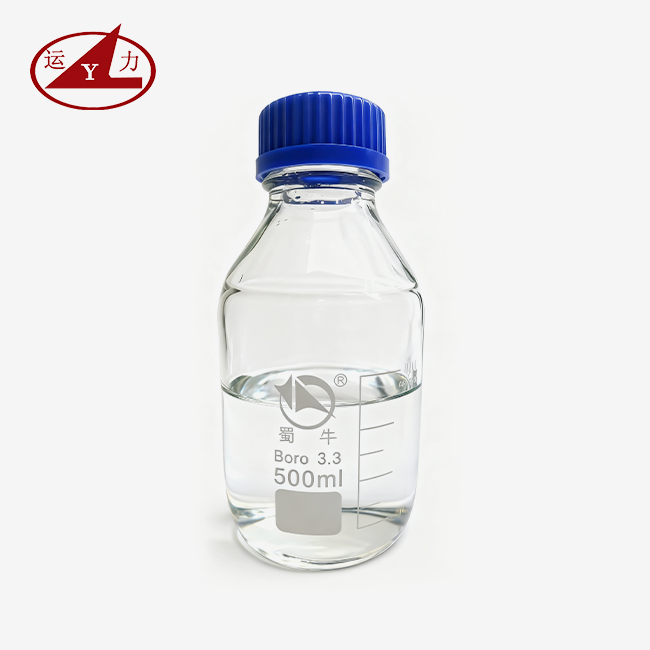
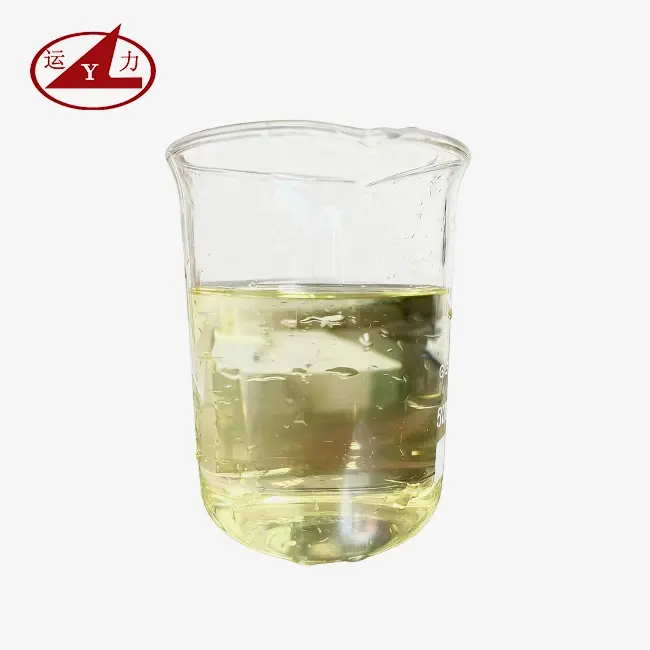
The liquid mixture we offer always has an exact 30% ± 0.5% concentration of calcium nitrite in water. It is clear to slightly yellow and has a specific gravity of 1.28 to 1.32 g/cm³. This quantity is the best mix between how easy it is to handle and how well the active ingredients are delivered. A pH level of 9.0 to 11.0 makes sure that the cement is alkaline, and strict quality controls keep the salt content to less than 0.1%, the heavy metals to less than 10 parts per million, and the water-insoluble matter to less than 0.1%. These details are important because impurities can make the protective effects less effective or cause unwanted side effects in cured concrete.
Dosage Guidelines for Various Exposure Conditions
To find the right dose, you have to look at both the expected level of chloride contact and how long you want the product to last. The usual amount to use is between 10 and 30 litres per cubic metre of concrete. Structures along the coast that are constantly hit by salt spray usually need doses at the higher end of this range. On the other hand, highway infrastructure that is subject to yearly de-icing operations may be able to work well with moderate doses. Engineers should figure out the nitrite-to-chloride molar ratio and aim for values above 0.90 to make sure the structure is protected well for as long as it's supposed to last.
Comparing Calcium Nitrite 30% Solution with Alternative Corrosion Inhibitors
When buying teams choose concrete admixtures, they have to think about more than just the initial purchase price. Calcium Nitrite 30% Solution compounds, organic amine-based inhibitors, and surface-applied sealers are some of the corrosion-prevention methods on the market. Each method has different pros and cons when it comes to how well it works, how much it costs, and how reliable it is in the long term. Data from methods for rapid corrosion tests helps make these differences clearer and supports making decisions based on facts.
Calcium nitrate-based goods are mostly used to speed up the setting process and stop frostbite. They don't really stop rusting. Nitrate ions (NO₃⁻) don't have the same anti-corrosion qualities as nitrite ions, so they don't protect as well against chloride attack. However, they do speed up early strength growth in cold weather. Organic inhibitors based on amine chemistry can slow down corrosion through cathodic mechanisms, but they lose some of their effectiveness when concrete is exposed to harsh environments or high temperatures for a long time. Surface sealers make physical shields, but they need to be reapplied every so often and don't protect against chlorides that get in through cracks or joints.
Performance Metrics and Verification Testing
Standard testing methods, such as ASTM C1582 and ASTM G109, make it possible to measure how well rust inhibitors work. Long-term tests on macrocells show that using the right amount of calcium nitrite can make it 300–50% longer before rusting starts compared to control samples that were not treated. This means that the product will last decades longer in real life, which makes lifetime cost estimates a lot better. Environmental safety studies show that calcium-based nitrite solutions are safer for the environment than sodium nitrite alternatives. Sodium nitrite alternatives can make soil and groundwater too alkaline if they leak during handling or through concrete washwater flow.
Practical Guidelines for Procurement and Usage of Calcium Nitrite 30% Solution
To successfully add liquid rust inhibitors to big building projects, it's important to pay attention to the skills of suppliers, how products should be handled, and how quality should be checked. It can be hard for procurement managers to find manufacturers that can consistently make formulations that meet technical requirements and keep supply chains reliable over the course of projects that may last years.
Supplier Selection and Qualification Criteria
Checking a possible supplier's ISO 9001 quality management certification gives you a basic idea of how they handle process controls and paperwork. Environmental management certifications like ISO 14001 show that factories treat waste properly and keep emissions under control. This is especially important for factories that make chemicals that use nitrogen compounds. Ask for certificates of analysis (COA) for test results that show the real concentration of active ingredients, specific gravity, chloride content, and heavy metal traces in sample amounts. When suppliers get provincial or national technology center designations, it shows that they have invested in research skills that help with coming up with new products and fixing technical problems.
Our facilities at Yunli Chemical have all three core management system certifications and are also known as a Shanxi Provincial Enterprise Technology Center. Our high-tech testing lab has ICP-MS and atomic absorption spectrometry, which lets us carefully check every production batch. This makes sure that the specific gravity always stays between 1.28 and 1.32 g/cm³, which is the right range for accurate volumetric dosing during concrete batching.
Storage, Handling, and Application Best Practices
If you store something correctly, you can keep the concentration stable and the result will stay stable for up to 12 months after it was made. To keep the Calcium Nitrite 30% Solution from crystallising, it should be kept in plastic or stainless steel tanks at temperatures above -15°C. However, short periods of freezing can be stopped by stirring the solution and slowly warming it up. Nitrite chemicals can cause tanks to rust because they are oxidising.
This is why mild steel storage barrels need to be lined on the inside. The liquid should be added to the concrete mix using automated systems that are calibrated to be very accurate with volume. For smaller amounts, adding by hand is fine, but it needs to be carefully measured and mixed in well to make sure the addition is spread evenly throughout the concrete mass.
Insights into Leading Calcium Nitrite 30% Solution Suppliers and Brands
There are both large chemical companies and small, specialised producers in the global market for concrete rust inhibitors. Depending on the size of the job, where it needs to be done, and how much expert help is needed, each type of supplier has its own benefits. Multinational names often come with a lot of paperwork and already-established distribution networks in many countries. This makes them a good choice for infrastructure projects that are organised across borders. Regional experts usually offer more price options, the ability to make changes, quick technology support, and a lot of knowledge about certain types of products.
Evaluating Manufacturing Capabilities and Service Models
The size of the production line is a good way to tell how reliable the supply is. Companies that make more than 1 billion yuan a year and have fixed assets worth more than 300 million yuan are financially stable enough to keep extra goods on hand and handle changes in the prices of raw materials without having to pass on unpredictable price hikes to customers. Facilities that have been in business for at least 20 years have improved their synthesis processes so that they can meet tight standard gaps every time. Being able to offer Calcium Nitrite 30% Solution in concentrations other than the standard 30% formulation gives projects with specific performance needs or compatibility needs with other admixture systems a lot more freedom.
Yunli Chemical's factory-direct supply model gets rid of markups for distributors while keeping all the export skills it has built up over 20 years of doing business around the world. We work with more than 1,000 companies around the world, and there are no minimum order sizes. This is because we know that sample proof and pilot-scale trials are important parts of the buying process. Our technical team has backgrounds in both coal and chemical engineering, so they can solve problems that go beyond just supplying products. They can help with formulation optimisation and application troubleshooting, for example.
Building Strategic Long-Term Partnerships
In the concrete admixture market, moving suppliers isn't cost-effective, so it's better to keep working with the same provider. If a formulation goes through strict qualification testing and is approved for use in structure designs, switching sources can cause small changes in the makeup that need to be revalidated. Strategic relationships with makers that offer steady formulas, regular pricing systems, and early warnings about possible supply problems are more valuable than constantly bidding against each other to get the lowest prices.
Look for suppliers who are willing to sign framework agreements that lock in prices for set periods of time while they build up inventory reserves that fit the schedules of your projects. Technical support, such as helping with concrete mix design, fixing problems in the field, and giving thorough product paperwork for engineer review packages, is another aspect of partnership worth that becomes clear over the course of a multi-year project.

Environmental and Safety Considerations for Using Calcium Nitrite 30% Solution
Responsible chemical management includes both keeping workers safe while they handle chemicals and taking care of the environment throughout the whole span of a product. Calcium Nitrite 30% Solution mixtures are moderately dangerous, which means they need standard chemical safety measures instead of the strict rules needed for highly toxic or cancer-causing substances. Knowing these standards helps project teams set up the right rules and avoid both gaps in compliance and over-controls that are too much to handle.
Regulatory Compliance and Documentation Requirements
The older Material Safety Data Sheets (MSDS) and the newer Safety Data Sheet (SDS) formats contain important details about how to recognise hazards, give first aid, and handle emergencies. Because calcium nitrite solutions have an alkaline pH, you need to protect your eyes and skin when handling them to avoid chemical burns. If it gets on your skin, you should wash it off with lots of water for at least 15 minutes. In the event of a spill, absorbent materials are used to keep the material contained until it can be collected in chemical waste containers.
This is because the material shouldn't be released directly into drainage systems, where it could affect the bacteria that treat wastewater. When operators of concrete batch plants and building crews are properly trained on these protocols, accidents don't happen and there is a quick, effective reaction if an accident does happen.
Once calcium nitrite is mixed with finished concrete, it is usually not considered a dangerous waste by environmental laws in big markets like the US. This is because the compound is chemically bound to the cement matrix. Scrubbing devices are needed to control nitrogen oxide pollution from factories during the production and storage phases. This is an area where well-established companies with well-developed environmental infrastructure clearly excel. Companies with a lot of experience treating nitrate pollution and handling exhaust gases can stay in line with regulations and help customers reach their sustainability goals.
Common Application Challenges and Risk Mitigation
Several mistakes in application can make rust inhibitors less effective or cause problems that weren't meant to happen. If you take too much, above the recommended amounts, the set may speed up too much, cutting the working time below what is practical for placement and ending tasks. This shows how important it is to have accurate batching systems and carefully figure out dosage rates using real concrete volumes instead of rough guesses. If two or more superplasticizer chemicals don't work well together, they can cause the material to lose its slump quickly or set in an odd way.
Because of this, additive compatibility testing is needed before mixing different chemical systems in production mixes. If you add the rust inhibitor at the wrong time during the mixing process, it may not be spread out evenly, leaving some areas of the concrete without enough protection against corrosion. You can avoid these problems and get the best performance from the materials you buy by getting detailed technical data sheets and batch sequence guidelines from your supplier.
Conclusion
Calcium Nitrite 30% Solution liquid admixture at a concentration of 30% is a tried-and-true way to make concrete last longer in corrosive environments by effectively protecting steel. Because the substance stops corrosion and speeds up the setting process at the same time, it improves both working efficiency and longevity. To be successful at procurement, you need to choose qualified providers with strong quality systems, know how to calculate the right dose for each exposure situation, and follow the right handling procedures. Long-term partnerships with suppliers give infrastructure projects the stability and technical support they need. Chemicals are managed responsibly during the construction process by making sure they don't harm workers or the environment.
FAQ
How does calcium nitrite differ from calcium nitrate in concrete applications?
The main difference is in the ion chemistry: nitrite (NO₂⁻) protects against anodic corrosion by creating passive oxide layers on steel surfaces, while nitrate (NO₂⁻) mostly speeds up setting without really stopping corrosion. To protect against chloride attack, projects in marine environments or places that use de-icing salts need real nitrite-based protection.
What is the recommended dosage for severe marine exposure?
Coastal infrastructure that is constantly exposed to saltwater usually needs 20 to 30 litres of concrete per cubic metre. The best rate relies on the width of the concrete cover, how permeable it is, and how long the service is supposed to last. For enough security over the structure's design life, engineering research should find nitrite-to-chloride ratios higher than 0.90.
Does this admixture affect concrete workability?
CaCO3 can shorten the time it takes for a set to stick as a set booster. Many mix designs use retarding plasticisers to keep the workability of the placement while also giving the material faster early strength once it starts to set. Testing the suitability of the ingredients while the mix design is being made keeps unexpected workability issues from happening during production pours.
Partner with Yunli Chemical for Reliable Calcium Nitrite 30% Solution Supply
Yunli Chemical is a reliable company that has been making calcium nitrite solutions for over 20 years and makes RMB 1 billion a year, which helps keep the supply chain running smoothly. Our facilities are ISO 9001, ISO 14001, and OHSAS certified, and they make corrosion inhibitor mixtures that meet ASTM standards. These mixtures are guaranteed to be pure, and any impurities are strictly controlled. We offer factory-direct prices, flexible packing and labelling, no minimum order sizes, and free samples of up to 500 grams to test our quality.
Our expert team helps with application support and mix creation. They also have advanced analytical tools, such as ICP-MS verification, at their disposal. You can talk to our procurement experts about your project needs and ask for specific technical documentation, such as certificates of analysis, MSDS, and performance data for Calcium Nitrite 30% Solution for sale by emailing wangjuan202301@outlook.com or going to yunlichemical.com.

References
1. Berke, N.S., Shen, D.F., and Sundberg, K.M. (1990). "Comparison of the Polarization Resistance Technique to the Macrocell Corrosion Technique." Corrosion of Reinforcement in Concrete Construction, Society of Chemical Industry, London.
2. Nmai, C.K., Farrington, S.A., and Bobrowski, G.S. (1992). "Organic-Based Corrosion-Inhibiting Admixture for Reinforced Concrete." Concrete International, Vol. 14, No. 4, pp. 45-51.
3. ASTM International. (2020). "Standard Specification for Calcium Nitrite Corrosion Inhibitor Admixture for Use in Concrete (ASTM C1582-20)." ASTM Book of Standards, Vol. 04.02, West Conshohocken, PA.
4. Söylev, T.A., and Richardson, M.G. (2008). "Corrosion Inhibitors for Steel in Concrete: State-of-the-Art Report." Construction and Building Materials, Vol. 22, No. 4, pp. 609-622.
5. Tritthart, J. (2003). "Transport of a Surface-Applied Corrosion Inhibitor in Cement Paste and Concrete." Cement and Concrete Research, Vol. 33, No. 6, pp. 829-834.
6. Garcés, P., Saura, P., Zornoza, E., and Andrade, C. (2011). "Influence of pH on the Nitrite Corrosion Inhibition of Reinforcing Steel in Simulated Concrete Pore Solution." Corrosion Science, Vol. 53, No. 12, pp. 3991-4000.