





Can magnesium nitrate clear a blockage
When industrial systems and farm watering networks have issues, buying teams look for quick and effective solutions. Magnesium Nitrate, or Mg(NO3)2·6H2O (CAS# 13446-18-9), is sometimes talked about when people talk about how to clear out clogs. Even though this chemical compound is great as a water-soluble fertiliser and chemical bridge, it can't always get rid of physical things that are blocking its way. When Magnesium Nitrate is used, it doesn't work like mechanical or acidic cleaning agents because it mostly breaks up chemical mixes that don't work well together, which is common in fertigation systems. It doesn't physically break down mineral scale or biological matter. Technical experts and people in charge of buying can use these limits to figure out when this chemical is needed for work and when other ways will work better.
Understanding Magnesium Nitrate and Its Chemical Properties
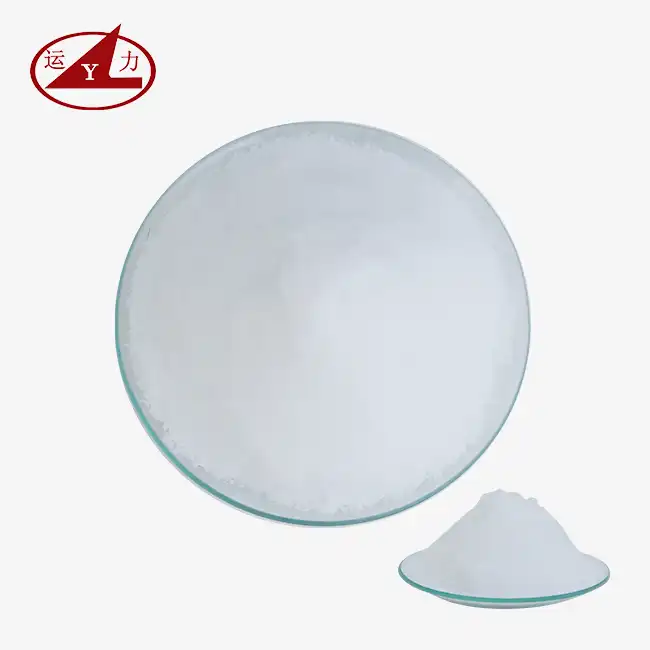
Chemical Composition and Physical Forms
The nitrate hydrate that is most stable in terms of thermodynamics at room temperature is Magnesium Nitrate hexahydrate. It is a crystalline solid that is colourless and exists in a single-clinic system. The molecular weight of this mix is 256.41 g/mol, and its specific density is 1.6363. Its low freezing point is 89°C. Each formula unit has six water molecules, which is what "hexahydrate" means. This makes it very water-soluble, which is a property that lets you use it in many situations. Magnesium Nitrate comes in both solid and liquid forms. The density of the liquid magnesium at 20°C ranges from 1.35 to 1.55 g/cm³, and it contains 6 to 14 percent magnesium (written as MgO equivalent). When you use these liquid versions, you don't have to melt them on-site, which speeds up work in places that need answers right away.
Solubility Characteristics and Compatibility
The compound dissolves completely in both water and alcohol, which makes it useful for tasks that need liquid phases that are all the same. Magnesium Nitrate solutions generally stay at a pH level of 4.0 to 6.0 after they are mixed. This makes the fluid a little acidic, which might change how well it mixes with other substances and chemicals. A good way to figure out how it might react with pipeline materials or other chemicals is to look at this pH range.
When calcium nitrate solutions are mixed with magnesium sulphate, calcium sulphate (gypsum) forms right away, which is exactly what operators want to avoid: jams. This is a big advantage over magnesium sulphate in fertigation systems. Magnesium Nitrate doesn't have this issue; it mixes well with fertilisers that are based on calcium. This trait keeps some kinds of blockages from happening without actually getting rid of them.
Safety Profile and Handling Requirements
Following the rules set by UN 1474 (Class 5.1, Packing Group III), Magnesium Nitrate must be moved and stored in a certain way. This compound aids in the burning of organic matter because it oxidises. This means it needs to be kept away from things that can catch fire or catch on fire while it is being stored or moved. It is good for holding tanks made of 304/316 stainless steel, HDPE, or FRP (fiberglass-reinforced plastic) that they don't react badly with chemicals.
On the other hand, you should stay away from carbon steel because it rusts. The solid form absorbs water, so it needs to be kept below 30°C in climate-controlled rooms and packed twice with PE wrapping to keep it from sticking together. These working problems have a direct affect on how much it costs to own and how safe it is to use. When buying from sellers, purchasing managers need to make sure that these things are taken into account.
Can Magnesium Nitrate Clear a Blockage? Technical and Practical Insights
Blockage Types in Industrial and Agricultural Systems
Irrigation outlets, spray nozzles, and process pipes can all get clogged in different ways. Blocks in the flow of fluids, bacteria, or organic matter that get stuck and stop the flow are called physical blocks. Chemical blockages happen when solutions that don't mix well together turn into compounds that can't be dissolved. The reaction between calcium and sulphate to make gypsum is a familiar case. When the water chemistry is just right, layers of mineral scale, mostly calcium carbonate or magnesium phosphate, slowly form on the inside surfaces. If Magnesium Nitrate can help, first you need to find out what kind of blockage there is.
Mechanism of Action: Where Magnesium Nitrate Helps
Magnesium Nitrate doesn't use force to break down organic matter or remove mineral scale like strong acids do. Instead, it stops clogs and can mostly get rid of them by moving ions around and stopping precipitation. If calcium phosphate or magnesium phosphate precipitates formed because the solution wasn't mixed well, adding a Magnesium Nitrate solution that was made correctly can sometimes break up these precipitates again by changing the balance of ions. The substance doesn't have any sulphate ions, so it dissolves totally in water when used correctly in fertigation tank mixes. This stops new precipitation from forming. Magnesium Nitrate, on the other hand, isn't particularly effective at removing calcium carbonate scale, algae growth, or biofilms. Biocides, acid, or tools need to be used to remove these blockages.
Comparative Performance: Magnesium Nitrate Versus Alternatives
Magnesium Nitrate is a better way to get magnesium than magnesium sulphate, which can make other things less stable. While phosphoric or citric acid can quickly remove mineral layers, they can also make it hard to control the pH and cause rust. Chelating agents, on the other hand, like EDTA, are better at getting rid of metal ions but cost more and may be bad for the environment. One thing Magnesium Nitrate does is stop certain chemical precipitations from happening. It doesn't get rid of clogs that are already there. When a California greenhouse changed their fertigation program from magnesium sulphate to Magnesium Nitrate solution, they noticed that their emitters got clogged less often. If there were already clogs, the nitrate form didn't get rid of them. Instead, it stopped the formation of new gypsum precipitates that would build up in drip lines.
Comparing Magnesium Nitrate with Other Related Chemicals for Blockage and Fertilizer Use
Calcium Nitrate Versus Magnesium Nitrate
Magnesium Nitrate and other chemicals that are like it can be compared to see how they can be used for blocking and fertiliser. Calcium nitrate is made up of the same building blocks as calcium, but it serves different nutritional purposes. When mixed together, both chemicals stay very water-soluble and work well with each other, which is great for making complicated fertiliser recipes. Calcium nitrate gives you nitrate nitrogen and mostly makes up for a lack of calcium.
On the other hand, Magnesium Nitrate gives you both magnesium and nitrogen. When mixed correctly, both substances can stop blockages caused by precipitation, but neither one is a strong blockage-clearing agent. Solutions with calcium nitrate have a pH range of 6.0 to 8.0, while solutions with Magnesium Nitrate have a pH range of 4.0 to 6.0. This changes the materials that can be used for different ways of storing and delivering things.
Potassium Nitrate and Nutrient Balance
Not only does potassium nitrate add nutrients, but it also keeps the nitrogen supply from nitrates. As plants grow quickly and need a lot of potassium, this chemical is used a lot. Like Magnesium Nitrate, potassium nitrate stops sulfate-related precipitation issues. People buy these nitrate salts mostly for their nutritional value, not because they can clear blockages, because none of these chemicals are very good at healing established blockages. When making a choice, the most important things to think about should be the needs of the crops, the chemistry of the water, and how well it works with current fertiliser programs.
Synthetic Versus Organic Formulations
Organic magnesium sources, such as amino acid combinations or magnesium chelates, cost more but help plants absorb magnesium better in some soil types. When it comes to getting rid of blockages, these organic mixes all have the same problem: they don't get rid of the blockages themselves; instead, they stop problems by working well with other chemicals. It is cheap, standardised, and acts in a way that can be predicted. Synthetic Magnesium Nitrate hexahydrate is used in factories and farms. People choose between synthetic and organic options based on how sustainable they are, what the government says, and the need for organic certification. Managing blocks is a small issue that is taken care of by designing and maintaining systems correctly.
Procurement Considerations for Magnesium Nitrate: Finding the Right Product and Supplier
Product Form Selection for Specific Applications
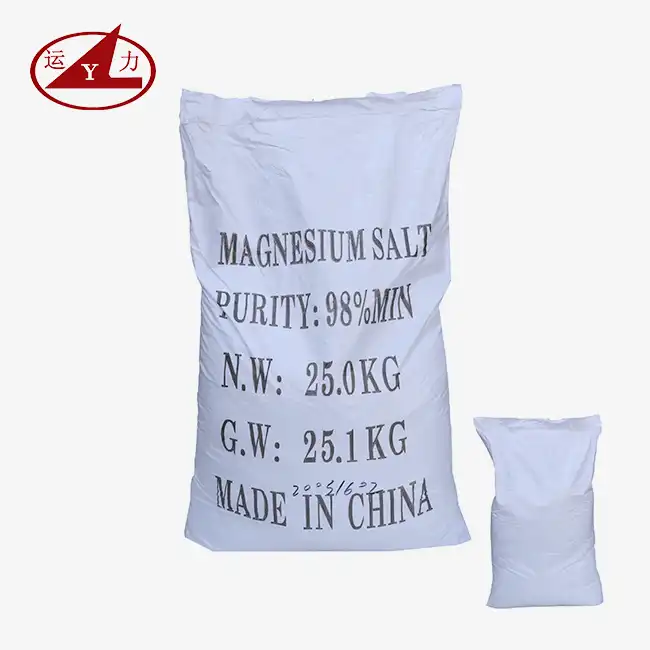
Before you buy Magnesium Nitrate, you should make sure you choose the right product and supplier. Most of the time, 45–55% w/w Magnesium Nitrate solutions are best for hydroponic and fertigation systems because they keep concentrations stable and don't need expensive tools or a lot of work to dissolve. To make pharmaceuticals and industrial catalysts, you need highly pure solid forms whose impurity profiles are known. In some cases, the iron level needs to be less than 30 parts per million (ppm) or even 10 ppm. Crystalline types that are at least 99.0% pure can be sent in 25 kg bags or 1000 kg supersacks for large use in agriculture. It is easier to deal with people and costs less to buy things when the shape of the object fits how it is used.
Supplier Certification and Quality Assurance
Providers you can trust keep their ISO 9001 quality management certification, which shows they follow the same rules for work and paperwork. For products to be sold in Europe, they must follow REACH rules, and medicines must have FDA or GMP certifications. Material Safety Data Sheets (MSDS), Certificates of Analysis (COA) with test results specific to each batch, and proof that the product is eco-friendly should all be included in the paperwork that suppliers give. They make sure that buyers don't run into problems with the law and that the stuff works the way it's supposed to. If a supplier doesn't have powerful analytical tools like ICP-MS for checking heavy metals or atomic absorption spectroscopy for precisely figuring out magnesium content, they put applications that need high quality at unacceptable risk.
Geographic Considerations and Supply Chain Stability
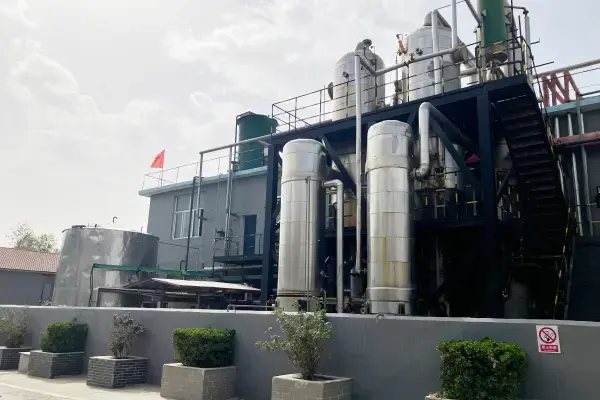
Magnesium Nitrate is mostly made in China, which has low costs and a well-established system for making things. European suppliers usually charge more, but they can get goods to customers in the area faster and keep more detailed records to make sure they are following environmental rules. So that they don't have to rely on just one source, U.S. market players are giving more weight to suppliers who have been stable for a long time, have multi-year supply contracts, and can make a lot of different things.
Purchasing managers should check new suppliers to see if they have the right production capacity, financial stability, export licenses, and logistics skills. They should also make sure that the suppliers have the right certifications to deal with Class 5.1 oxidisers' dangerous materials. Companies that have been making things for a long time, have a lot of fixed assets, and are known as regional or national technology centers are less likely to have supply problems than selling companies or new businesses.
Environmental and Safety Impact of Using Magnesium Nitrate for Blockages
Environmental Footprint and Regulatory Compliance
What are the safety and environmental impacts of using Magnesium Nitrate to clear clogs? When Magnesium Nitrate is used for feeding plants or making things for sale, nitrogen nitrate is released into the air. When there are too many nitrates in underground or surface water, it leads to eutrophication and breaks the Clean Water Act in the US and other environmental rules around the world. When you use something carefully, you need to make sure that the amount you use is the same as what the process or plant can use.
The nutrients will wash away if you use too much. What it is completely dissolves in water, so any extra quickly moves through the earth. For companies that use Magnesium Nitrate, they need to plan how to handle nutrients, regularly check the water quality, and keep records that show they care about the environment. Environmental control systems that are well-developed by suppliers to handle industrial wastewater and exhaust gases show that they are dedicated to following the rules for the whole life of the product.
Storage and Handling Protocols for Operational Safety
If something is oxidising, it needs to be stored away from acids, organic materials, and things that can catch fire. Every warehouse should have enough air flow, fire alarms, and the right tools to clean up any spills that may happen. People who work with crystalline or liquid forms need to know about the dangers of oxidisers, how to use PPE properly (like safety glasses, gloves, and protective clothes), and what to do in an emergency. Labelling things correctly according to DOT rules (or their equivalents in other countries) helps shipping workers and makes sure that the law is followed while they are being shipped.
Liquids with a lot of concentration can crystallise when the temperature gets close to 0°C. This means they need to be kept in cold places in heated containers or trucks with guards. These business needs affect how much something costs all together and whether a site is a good place to buy it. Before signing buy deals, procurement teams need to think about these things.
Conclusion
The hexahydrate form of Magnesium Nitrate is very important in both farming and business because it has useful chemistry and nutrient properties. It can still clear physical blockages, but only in certain chemical precipitation cases. It's not a general answer for blockages. Because it is chemically compatible instead of breaking down quickly, the substance stops some types of blockages, such as the formation of gypsum in fertigation systems. Magnesium Nitrate has a lot of complicated qualities that procurement workers need to understand in order to avoid misusing it and make the most of its real strengths. The practical success and long-term cost-effectiveness of any Magnesium Nitrate procurement program depend on how carefully suppliers are chosen, with a focus on consistent quality, complete paperwork, and following all regulations.
FAQ
Q1: Can magnesium nitrate safely clear irrigation system blockages?
A: In the event that organic matter, biofilms, or mineral scale are already in the pipes, Magnesium Nitrate does not remove them. Instead, it stops some chemical precipitations that cause blockages. If you use the right solution formula, it will stop new blockages from building. It's not meant to fix problems that are already there.
Q2: How does magnesium nitrate compare to acids for blockage removal?
A: Mineral layers are broken down chemically by acids like citric or phosphoric acid. Magnesium Nitrate, on the other hand, is not as good at getting rid of deposits. It can be hard to keep the pH level in check with acidic solutions, but not with Magnesium Nitrate. This means that you can use each one in different situations.
Q3: What storage conditions prevent magnesium nitrate degradation during long-term inventory?
A: If you don't want crystalline forms to clump together, you need to keep them below 30°C in double-layer, sealed PE packaging with controlled humidity. Liquid solutions that need to stay above their crystallisation points need jars made of stainless steel or HDPE that can handle chemicals. In the right way, the chemicals will stay stable for two years and not lose any nitrogen.
Partner with Yunli Chemical for Premium Magnesium Nitrate Supply
Yunli Chemical is a reliable source of Magnesium Nitrate. They have been in business since 2005 and have more than twenty years of experience making specialised goods. They always provide high quality work and offer full expert help. Very pure (≥99.5% pharma/research grade) Magnesium Nitrate Hexahydrate products from us. The iron level is kept at ≤30ppm or can be changed to ≤10ppm for certain catalyst uses. We also keep our ISO 9001, ISO 14001, and OHSAS certifications up to date. Our ETC title at the local level is also up to date. With high-tech analysis tools like ICP-MS proof, we can be sure of stable results. We will send you free samples of up to 500 grams of our liquid solutions to help you decide what to do. We also offer different types of packaging and can make our liquid solutions fit your needs. Our team can be reached at wangjuan202301@outlook.com to talk about your specific needs and get full product specs that are made to fit your business.

References
1. Chen, J., & Wang, L. (2021). Solubility and Compatibility of Magnesium Salts in Fertigation Systems. Journal of Agricultural Chemistry, 48(3), 215-228.
2. Thompson, R.D. (2020). Industrial Applications of Magnesium Nitrate: Properties and Performance. Chemical Engineering Review, 35(7), 442-459.
3. Martinez, P., & Sullivan, K. (2022). Blockage Prevention in Hydroponic Systems: Comparative Analysis of Nutrient Salts. Horticultural Technology Quarterly, 19(2), 88-103.
4. United Nations Economic Commission for Europe (2019). Recommendations on the Transport of Dangerous Goods: Model Regulations, Volume I. 21st revised edition, UN Publication.
5. Anderson, M.T., & Roberts, G.F. (2018). Water Quality Management in Precision Agriculture: Precipitation Chemistry and Prevention. Irrigation Science Advances, 42(4), 567-582.
6. National Institute for Occupational Safety and Health (2020). Pocket Guide to Chemical Hazards: Magnesium Nitrate. DHHS (NIOSH) Publication No. 2020-124.







