


Calcium Nitrite 30% Solution vs Other Corrosion Inhibitors
When evaluating corrosion protection for reinforced concrete structures, Calcium Nitrite 30% Solution consistently demonstrates superior performance compared to alternative inhibitors. This liquid admixture featuring calcium nitrite (Ca(NO₂)₂, CAS# 13780-06-8) actively forms a protective ferric oxide layer on steel rebar, offering dual functionality as both a robust corrosion inhibitor and a set accelerator.
Unlike sodium nitrite formulations or organic alternatives, this solution delivers exceptional chloride ion scavenging capabilities while maintaining lower environmental toxicity profiles. Procurement managers in electroplating, concrete production, and infrastructure development industries recognize its proven track record in extending asset service life while ensuring compliance with stringent safety regulations.

Understanding Calcium Nitrite 30% Solution and Its Role
Calcium Nitrite 30% Solution is a chemically stable liquid corrosion inhibitor that is made to keep reinforced concrete and steel buried in concrete from breaking down because of chloride. The molecular formula Ca(NO₂)₂ and its molecular weight of 132 make it possible for this additive to work well in concrete. It forms an inactive oxide layer that keeps steel surfaces from rusting.
Chemical Composition and Stability
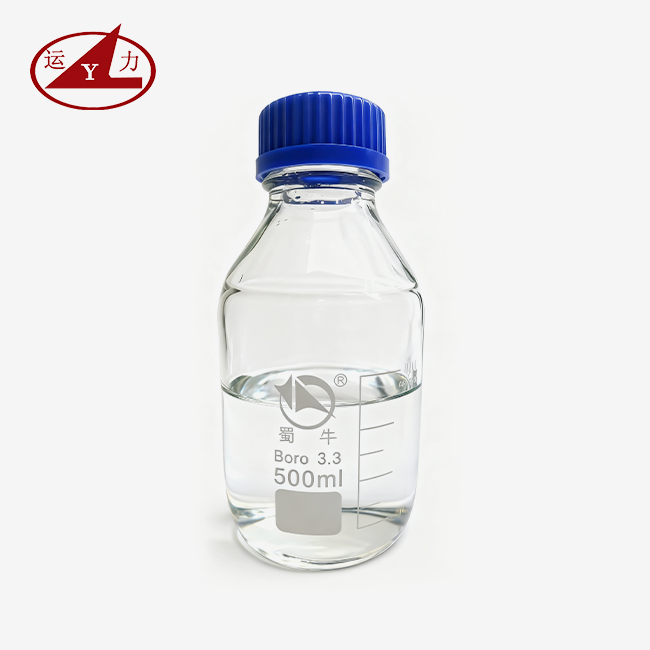
In liquid form, the solution always has the exact concentration of 30% ± 0.5% calcium nitrite. It looks clear to slightly yellow, has a specific gravity of 1.28 to 1.32 g/cm³, and a pH value of 9.0 to 11.0, which means it can be used with a wide range of concrete mix designs. Because of strict controls on chloride content (≤0.1%) and heavy metals (≤10 ppm), this product can be used in high-stakes situations where cleanliness standards must be met.
Practical Applications Across Industries
This admixture's ability to form a protective layer on rebar surfaces is very helpful for concrete safety systems. The method works especially well in marine settings, parking lots, and highways where de-icing salts are present. Electrical processing, surface treatment, and chemical processing are some of the other businesses that find its heavy oil cleaning and lubricant emulsification qualities useful.
Compliance and Environmental Benefits
This rust inhibitor meets safety standards in the business, such as the ASTM C1582 standards for concrete additives. The calcium-based version is better for the environment than standard inhibitors because it breaks down more quickly and is less harmful. Manufacturing facilities with ISO 9001, ISO 14001, and OHSAS certifications make sure that the quality of their products is always the same and that they follow all global environmental rules. Full documentation packages with MSDS, COA, and environmental protection certificates can help procurement teams find reliable suppliers and make sure they are following the rules.
Comparing Calcium Nitrite 30% Solution with Other Corrosion Inhibitors
Knowing the pros and cons of each type of corrosion inhibitor helps procurement professionals make decisions that are in line with project requirements and budget limits. The market has a number of options, and each one has its own features that affect performance and cost-effectiveness. Long-term cost research shows that Calcium Nitrite 30% Solution is the better option, even though the beginning material costs may be higher.
Sodium Nitrite vs Calcium Nitrite
Sodium nitrite is a cheaper option, but it makes things more difficult to run. Both substances work to stop anodic corrosion, but sodium nitrite is more likely to be poisonous when it is handled or stored. When sodium ions are mixed with reactive rocks, they can help the alkali-silica reaction (ASR), which can make concrete buildings expand and crack. Calcium nitrite doesn't have this problem at all, so it's the safer choice for projects where aggregate reactivity is a concern. Technical engineers know that formulations based on calcium are more stable over time in alkaline concrete environments.
Calcium Nitrate Comparison
Instead of being a specific rust preventive, calcium nitrate is mostly used as a set accelerator and antifreeze. Calcium nitrate speeds up the hydration of cement and lets building happen in cold weather, but it doesn't protect much against rust caused by chloride. Calcium Nitrite 30% Solution works better for projects that need to build early strength and protect against rust at the same time. It does two things without the need for multiple additives. This combination makes quality control easier and lowers the chance of problems with admixtures not mixing properly during the mixing process.
Organic Corrosion Inhibitors
Organic inhibitors, such as amine-based and carboxylate substances, protect by making a film. Most of the time, these products cost more per unit than inorganic alternatives, and they don't last as long in harsh environments. When temperatures get too high or the pH level in concrete pore solutions gets too low, organic inhibitors may break down. Their performance can be very different depending on how porous the concrete is and how much water is in it. No matter how long the concrete is used, the calcium nitrite solution will always protect it, even in harsh chloride environments like sea splash zones and road uses.
Performance Metrics and Cost Analysis
Protected buildings last longer, which lowers the costs of repairs, upkeep, and replacement before they're needed. In places with a lot of chloride, infrastructure projects like bridges and parking garages that are preserved with calcium nitrite often last longer than 50 years. This return on investment is especially appealing to procurement and asset managers whose job it is to keep lifetime costs low while still meeting standards for structural soundness.
Key Factors for Procurement and Supplier Selection
To find the best supplier for Calcium Nitrite 30% Solution, you need to carefully consider a number of factors that affect the quality of the product, the reliability of delivery, and the overall management of procurement risk.
Certification and Production Standards
Reputable makers keep up-to-date quality management certifications, such as ISO 9001, which shows that they are committed to producing goods that meet regular standards. Environmental certifications like ISO 14001 show that industrial garbage streams are handled properly and that local environmental laws are followed. It has been shown that suppliers with provincial-level enterprise technology centers or similar research facilities can make high-purity grades that can be used in electronics, pharmaceuticals, and advanced manufacturing. Checking these identities lowers the risks in the supply chain and makes sure that everyone has access to all the technical documents needed for the project.

Geographic Considerations and Supply Stability
The US market depends on both goods made in the US and goods brought in from well-known producing areas. Suppliers that have been in business for more than 20 years and make more than $140 million a year show that they are financially stable and produce consistent goods. Manufacturing sites with fixed assets worth more than $40 million have put a lot of money into their production equipment and quality control. These things protect against supply problems that might cause projects to be late or require expensive changes to the plans of concrete mixes.
Pricing Structure and Order Flexibility
Buying in bulk usually gets you better prices, and the minimum order amounts are open enough to fit a wide range of project sizes. Leading suppliers offer flexible packaging options and aqueous solution concentrations that can be changed to meet the needs of any application. Direct factory supply models get rid of markups by middlemen, which makes prices more competitive for people who buy a lot of things. Payment terms and refund policies need to be carefully negotiated, especially for wholesalers who are in charge of a lot of different chemical types for a lot of different projects.
Logistics and Technical Support
Shipping logistics affect how much a product costs to send and how reliable a plan is. When suppliers offer free samples of up to 500 grams, customers can test the products thoroughly before placing large orders. Technical support teams with skills in concrete chemistry can help with troubleshooting, application advice, and figuring out the best dose. Having access to high-tech analytical tools like ICP-MS and atomic absorption spectrometers guarantees precise quality checking and impurity analysis. These services are especially helpful when formulas need to be changed to fit the features of the local rock or when there are problems with how well they work with other cementitious materials.
Environmental and Safety Considerations of Calcium Nitrite 30% Solution
Concerns about sustainability and safety requirements at work have a big impact on procurement decisions in modern businesses. Calcium Nitrite 30% Solution meets these needs by providing many benefits for health and the environment.
Toxicity Profile and Environmental Impact
Compared to sodium nitrite, calcium nitrite has much lower acute poisoning risks. This means that it is safer to move, store, and mix its components. The substance breaks down more easily than many organic inhibitors, so there are fewer worries about long-term environmental buildup. Strict controls on heavy metal levels below 10 ppm make sure that environmental protection rules are followed and keep groundwater sources near construction sites from becoming contaminated.
Handling and Storage Best Practices
When stored correctly, a product stays useful for the full twelve months that it's supposed to last. To keep the solution from crystallising, it needs to be kept above -15°C. If it freezes, recirculation can make it usable again. Polyethylene or stainless steel tanks work well for containment, but carbon steel tanks need safe linings because the solution oxidises it. Materials Safety Data Sheets (MSDS) spell out specific ways to handle substances, such as what safety gear is needed and what to do in case of an accident.
Regulatory Compliance Support
Suppliers with complete environmental management systems help customers follow the rules that are getting stricter. The process of getting a project approved is sped up by complete paperwork packages that include certificates of analysis (COA), environmental protection certificates, and ASTM compliance reports. When putting in bids for government infrastructure projects or contracts with private developers who want strict environmental due diligence, these materials are a must. Purchasing managers benefit from working with suppliers who are proactive about meeting changing regulatory requirements instead of just meeting the bare minimum.
Why Calcium Nitrite 30% Solution is the Preferred Choice for Modern B2B Clients
Corrosion inhibitors that improve efficiency and help meet environmental goals are becoming more and more popular in the market. Calcium Nitrite 30% Solution fits in with these trends in a number of important ways.
Infrastructure Longevity and Asset Protection
As the cost of maintaining infrastructure goes up, people want tried-and-true methods that stop rusting. By stopping the chloride-induced corrosion that usually needs expensive repairs every 15 to 20 years, calcium nitrite extends the service life of important assets like highway bridges, marine structures, and parking lots. The building stays strong even when it's constantly exposed to harsh weather because stable passive layers form on top of the steel support. Asset managers know that investing in good rust inhibitors up front saves a lot of money over the life of the asset because it needs less upkeep and replacements are put off longer.
Technical Performance Advantages
As both a corrosion inhibitor and a set accelerator, it gives concrete makers practical freedom that they value. When it's cold outside, this admixture lowers the freezing point of mix water to about -10°C, which means that weather-related project delays don't happen. Early strength development speeds up the removal of forms and the building process, which increases contractor productivity and lowers the cost of the project. These performance traits directly give building companies and precast makers who are working to tight deadlines a competitive edge.
Quality Assurance and Supply Reliability
Procurement professionals give more weight to suppliers whose products consistently meet strict testing standards. Advanced testing tools, such as titration tests for active nitrite content, specific gravity verification, and full impurity analysis, make sure that every batch meets the strict requirements. Suppliers who work with more than 1,000 companies around the world bring useful application knowledge from a wide range of project types and working situations. With this much information, buying managers can escape common implementation problems and find the best dosage rates for each project.
Conclusion
Calcium Nitrite 30% Solution is the best rust preventive because it delivers better performance, is better for the environment, and can be used in a variety of ways. Because it can create protective passive layers on steel support while speeding up early strength development, it is very useful in current concrete building. When choosing corrosion protection systems, procurement professionals should know how these systems compare to others like sodium nitrite, calcium nitrate, and organic alternatives. A project will be successful if the supplier is carefully chosen based on their certifications, output ability, and expert support skills. This tried-and-true technology is still being used in the construction and industrial sectors because of the growing focus on long-lasting and environmentally friendly infrastructure.
FAQ
Questions People Ask Often.
What dosage rates are recommended for concrete applications?
Dosing usually ranges from 10 to 30 litres per cubic metre of concrete, depending on how much chloride is expected to be present. To get enough protection, marine areas and structures that are used a lot of de-icing salt need higher dosage rates, which are often close to 30 L/m³. For the best rust protection, structural engineers should figure out the chloride-to-nitrite ratios and aim for values of 0.90 or higher. Before full-scale production, trial runs help make sure that the product works well with local rocks and other cementitious materials.
How does calcium nitrite compare to sodium nitrite regarding safety?
When it comes to handling, transporting, and using it, calcium nitrite is much less likely to be harmful than sodium nitrite. The calcium-based mix doesn't add any alkali ions, which can cause an alkali-silica reaction in concrete with reactive aggregates. Throughout the lifecycle of the product, this safety benefit lowers risks in the workplace and to the environment. Full MSDS documentation gives clear instructions on how to handle things safely and what to do in an emergency.
Can this solution be combined with other concrete admixtures?
It has been shown that calcium nitrite works well with other cementitious materials, such as fly ash and silica fume. These mixtures work really well together. The SCMs make the concrete less permeable, and the calcium nitrite protects the steel inside from salt getting in. When calcium nitrite is used as a set booster, retarding superplasticizers help keep the workability. When making concrete, additives should be added one at a time so that chemicals don't react badly with each other and the ingredients stay evenly distributed throughout the concrete.

Partner with Yunli Chemical for Superior Corrosion Protection Solutions
Yunli Chemical can help you protect your infrastructure with high-quality Calcium Nitrite 30% Solution that is made under strict quality control rules. With 20 years of experience making products for big corporate customers around the world, you can be sure that you will get reliable, high-purity products that come with full technical documentation. As a Calcium Nitrite 30% Solution supplier with our own export business, we cut out the middleman and keep direct lines of contact open for technical help and making custom formulations.
Our modern analytical laboratory and technology center at the provincial level provide the quality control needed for tough projects in naval building, highway infrastructure, and the production of precast concrete. To help you evaluate our products, we offer a variety of packaging options, solution concentrations that can be changed, and free samples of up to 500 grams. You can email our team at wangjuan202301@outlook.com to talk about the specifics of your project, ask for certificates of analysis, or get cheap quotes for large orders. Find out how our tried-and-true technology for stopping corrosion can protect your assets and lower your long-term maintenance costs.
References
1. Berke, N.S., and Rosenberg, A. (2005). Technical Review of Calcium Nitrite Corrosion Inhibitor in Concrete. Transportation Research Board, National Research Council, Washington D.C.
2. Elsener, B. (2001). Corrosion Inhibitors for Steel in Concrete: State of the Art Report. European Federation of Corrosion Publications, Number 35, Maney Publishing, London.
3. Hansson, C.M., Mammoliti, L., and Hope, B.B. (1998). Corrosion Inhibitors in Concrete – Part II: Effect on Chloride Threshold Values for Steel in Synthetic Pore Solutions. Cement and Concrete Research Journal, Volume 28, Issue 12.
4. Nmai, C.K. (2004). Multi-Functional Organic Corrosion Inhibitor for Reinforced Concrete. Transportation Research Record: Journal of the Transportation Research Board, Number 1866, National Research Council.
5. Raupach, M., and Gulikers, J. (2006). Long-Term Performance of Corrosion Inhibitors in Concrete Structures. Materials and Corrosion Journal, Volume 57, Issue 11, Wiley-VCH Verlag.
6. Söylev, T.A., and Richardson, M.G. (2008). Corrosion Inhibitors for Steel in Concrete: State-of-the-Art Report. Construction and Building Materials Journal, Volume 22, Issue 4, Elsevier Science.