


Can Zinc Nitrate Solution Improve Fertilizer Efficiency in Agriculture?
Zinc Nitrate Solution has emerged as a transformative micronutrient fertilizer that can significantly enhance fertilizer efficiency in modern agriculture. This highly soluble zinc source delivers rapid bioavailability to crops, overcoming common nutrient deficiency challenges that limit yield potential. When applied properly through foliar or soil methods, Zinc Nitrate Solution addresses micronutrient gaps while minimizing environmental losses associated with traditional zinc fertilizers. Its dual nutrient contribution—both zinc and nitrate—supports critical plant metabolic processes, from enzyme activation to protein synthesis, ultimately translating to measurable improvements in crop productivity and quality across diverse agricultural systems.
Understanding Zinc Nitrate Solution and Its Agricultural Role
What Is Zinc Nitrate Solution?
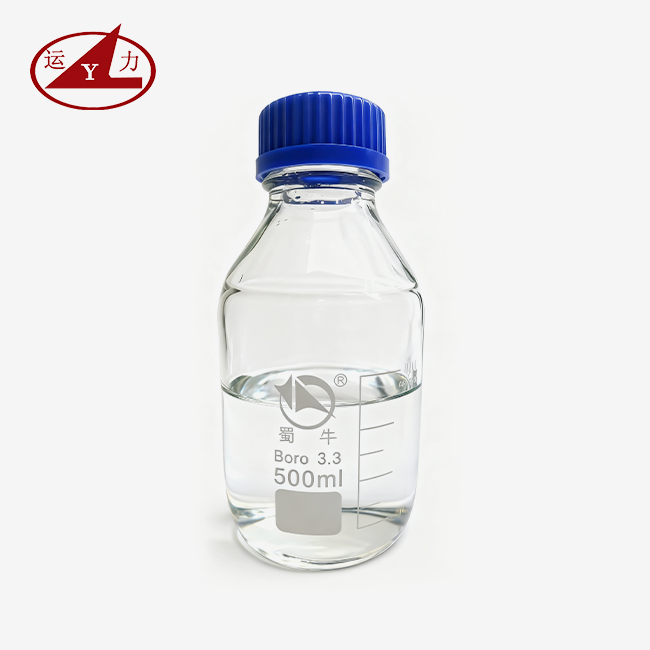
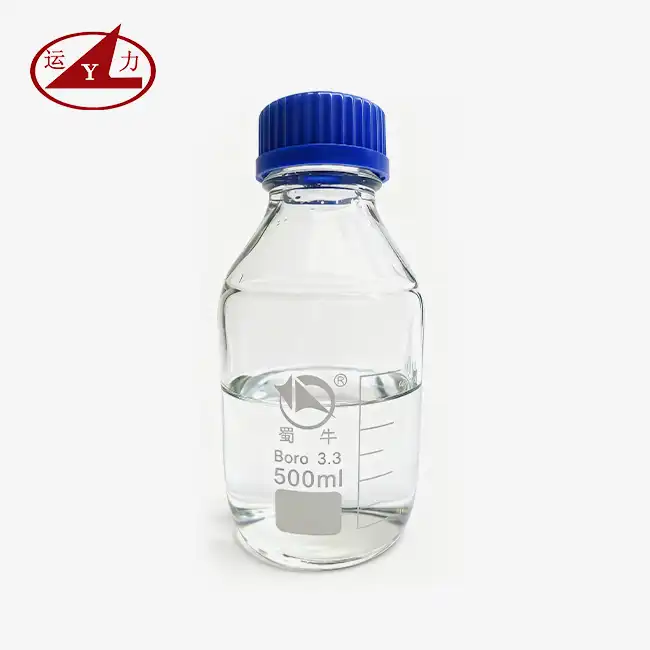
Zinc Nitrate Solution is a liquid form of zinc nitrate hexahydrate (CAS# 10196-18-6) with the molecular formula Zn(NO₃)₂·6H₂O and a molecular weight of 297.47. This clear liquid can be completely mixed with water and alcohol. Its specific density varies from 1.5 to 1.7 g/cm³, based on its strength. Solutions made for farming usually have between 40 and 50 percent active ingredient by weight and keep their pH level between 3.5 and 4.5. Unlike its solid cousin, the liquid form doesn't need to be dissolved first, so the nutrients are spread out evenly when it's applied to the ground.
Chemically, the substance is different from other zinc fertilizers because it is acidic and oxidizes. These features affect how it should be stored and how it should behave in soil systems. It needs to be kept in containers that are resistant to acid and handled carefully in line with MSDS safety standards to avoid reactions with flammable materials.
Zinc's Critical Functions in Plant Growth
Zinc is an important micronutrient that plants need for more than 300 chemical reactions. It is an important part of auxin metabolism, which controls how cells grow and roots grow. Without enough zinc, plants grow slowly, turn green, and take longer to mature. During the reproductive stages, the element is especially important because it affects the formation of pollen and the growth of seeds. The International Zinc Association's research shows that adding zinc to zinc-deficient soils, which make up about half of the world's cereal-growing areas, has a huge effect on crop yields, rising anywhere from 20% to 200% depending on how bad the deficiency was to begin with.
Zinc not only helps plants grow, but it also makes their defense systems stronger. It helps make defense compounds and makes the body better able to handle environmental stresses like drought and disease. Because of these benefits, zinc nutrition is especially important for high-value flower crops and carefully controlled grain production systems, where getting the most out of every nutritional input is key to making the most money.
Preparation and Application Concentrations
Commercial Zinc Nitrate Solution for agricultural use is made through carefully controlled processes between zinc oxide or zinc carbonate and nitric acid, then filtered to remove impurities. Good manufacturers, like Yunli Chemical, keep the iron content below 30 ppm so that it doesn't have negative effects on plant uptake. Before being used in the field, the fluid is usually watered down to a concentration that is safe for use.
Foliar sprays usually use dilutions of 0.2 to 0.5 percent (2 to 5 g/L zinc content), and they are put on plants during vegetative growth stages, when the stomata on the leaves are most active. For soil applications, higher amounts (5–10 kg zinc per hectare) must be added before planting or through fertigation methods. Adding nitrates helps plants grow extra nitrogen, which helps plants grow leaves early in the season, and zinc meets their micronutrient needs. Zinc nitrate is different from zinc oxide or zinc sulfate, which are inactive zinc sources, because it has two different functions.
Challenges in Fertilizer Efficiency and Zinc's Potential Solutions
Common Barriers to Nutrient Utilization
There are ongoing problems with agricultural fertilizer efficiency that make investments in nutrients less profitable. Leaching losses happen when nutrients that dissolve in water move below the root zone during irrigation or rain, especially in sandy soils that can't swap cations. Another big problem is zinc fixation. When the soil pH is above 7.0, zinc forms insoluble hydroxides and carbonates, which plants can't use even though the soil has enough zinc overall.
Antagonizing exchanges make these problems worse. High levels of phosphorus in the soil, which often happen in fields that have been fertilized a lot, create zinc phosphate precipitates that lock in both nutrients in forms that they can't use. Similarly, too much calcium and magnesium compete with zinc for uptake sites in the roots, which makes absorption less effective. Traditional uses of zinc sulfate or zinc oxide often fail to fix deficits because of these complicated soil chemistry dynamics. This means that they have to be used more than once, which is expensive and bad for the environment.
How Zinc Nitrate Solution Addresses These Issues
Zinc Nitrate Solution is better at dissolving because it completely mixes with water and leaves no residue. This means that it is available right away and doesn't have to go through fixation paths. When applied to the leaves, the solution sends zinc straight to the biologically active parts of the leaves, so there are no problems with the soil's chemistry. Within hours, absorption happens through the cuticles of the leaves, quickly fixing deficiency symptoms like interveinal chlorosis or shorter internodes.
Field tests using a variety of cropping methods show that the benefits are useful. In chalky soils, a study released in the Journal of Plant Nutrition in 2021 found that applying zinc nitrate to the leaves increased the plant's ability to take up zinc by 40% compared to applying zinc sulfate to the soil. Total zinc application rates went down by 30% while maize yields went up by 12%, showing that the change was good for both agriculture and the economy. The nitrate part improves the overall efficiency of nutrient use by helping nitrogen metabolism. This creates synergistic effects that zinc sources that only contain zinc can't provide.
Cost-Effectiveness and Environmental Benefits
Zinc Nitrate Solution may cost more per unit than zinc sulfate, but when efficiency gains are taken into account, the total cost-per-acre often favors the liquid form. Lower application rates, less work for workers who have to handle liquids, and compatibility with existing spray equipment all help keep operational costs low. The lack of sulfate stops the soil from becoming acidic, which can happen when zinc sulfate is used over and over again. This keeps the soil healthy for many growing seasons.
One benefit for the environment is that zinc doesn't build up as much in soils, which lowers the risk of long-term contamination. The full solubility of the solution keeps particles that haven't been dissolved from getting into waterways. This solves the water quality problems that come with zinc carriers that don't dissolve. These qualities of sustainability are in line with stricter environmental rules for farms in big markets. This makes it easier to follow the rules, which protects the continuation of the supply chain.
Comparing Zinc Nitrate Solution With Other Zinc Fertilizers
Zinc Sulfate: The Traditional Standard
Zinc sulfate heptahydrate (ZnSO₄·7H₂O) is the most common type of zinc fertilizer used in conventional programs because it is cheap and easy to find. This crystalline solid is mostly made up of zinc (22% by weight) and dissolves in water only slightly. Over time, though, the sulfate part makes soils more acidic, which can be good in alkaline conditions but bad in soils that are already acidic. The substance doesn't dissolve as well in cold water, which makes mixing in a spray tank harder when it's cooler outside.
Comparative studies of absorption show that roots need more time to take up zinc sulfate than zinc nitrate when it is mixed with soil. In most cases, the sulfate anion doesn't help plants grow, so it's called "dead weight" in the mixture. Another issue is corrosiveness; zinc sulfate solutions eat away at mild steel and aluminum parts in spray equipment, forcing the use of stainless steel or plastic materials that raise the cost of infrastructure.
Zinc Chloride and Zinc Acetate Alternatives
Because it is very soluble, zinc chloride (ZnCl₂) is also very corrosive, which means it damages tools and can hurt plant cells at the amounts needed to fix deficiencies. Because it absorbs water, it is hard to store and handle. Chloride isn't very useful in agriculture because it can't be used near sensitive plants. This is especially true in greenhouses and other high-value horticulture operations where too much salt can hurt the quality of the plants.
Zinc acetate is a less corrosive option that works well with plant leaves. Due to its higher cost compared to zinc nitrate and limited market supply in agricultural grades, it is not widely used. The acetate part doesn't add much nutritional value compared to zinc nitrate's two-part zinc-nitrogen contribution. This makes it less cost-effective for large-scale field uses where getting the most nutrients for your money is the main factor in buying choices.
Selection Criteria for Optimal Performance
To pick the right zinc fertilizer, you need to match the product's properties to the situations in the field. When it comes to alkaline soils (pH above 7.5), highly soluble sources like Zinc Nitrate Solution work best because they keep being bioavailable even when the chemistry isn't right. For all types of soil, leaf applications work best with liquid formulations that don't have particle size differences that make spray coverage less good. Crops that need zinc a lot or have short growing seasons, like corn, soybeans, and tree nuts, respond best to kinds of zinc that are easy to get.
When thinking about costs, you need to think about how well the application works, not just how much it costs. A seller of 45% concentrated liquid zinc nitrate gives you more active ingredient per gallon than competitors who weaken their products, which saves you money on shipping and storage. It's also important that the product works with integrated pest management programs. Zinc nitrate's neutral pH makes it possible to mix it with most pesticides and fungicides without the problems that come up with zinc sulfate blends.
Procurement Guide for Zinc Nitrate Solution in Agriculture
Essential Quality Standards and Specifications
When buying Zinc Nitrate Solution for farming from a business to business, it's important to pay attention to the details that make sure the crops always do well. Standards for purity should make sure that the zinc nitrate content is at least 98% and that the levels of impurities are controlled. Iron pollution needs extra attention—levels above 50 ppm mess up the balance of micronutrients and can cause secondary deficits. Reputable producers give Certificates of Analysis (COA) for each batch that show the zinc percentage, pH, specific gravity, and heavy metal content, such as arsenic, lead, and cadmium.
The type of packaging affects how easy it is to handle and how stable the product is. Intermediate bulk containers (IBCs) that can hold 1000 to 1250 liters are good for large-scale operations that have their own storage facilities. Smaller businesses may like 200-liter drums because they are the right size for moving easily. To protect against the acidic and oxidizing qualities of the solution, all containers should be made of high-density polyethylene (HDPE) or stainless steel. Clear labels that meet GHS standards protect workers and make sure that rules are followed during storage and travel.
Regulatory Compliance and Documentation
Buying chemicals for farming needs a lot of paperwork to make sure they are handled safely and don't harm the earth. Material Safety Data Sheets (MSDS) or Safety Data Sheets (SDS) with a 16-section structure that follow the GHS style are required and must list hazards, first aid measures, and how to handle an emergency. The oxidizer classification (Class 5.1) requires specific storage separation from organic materials and flammables. This information should be made clear on the shipping documents.
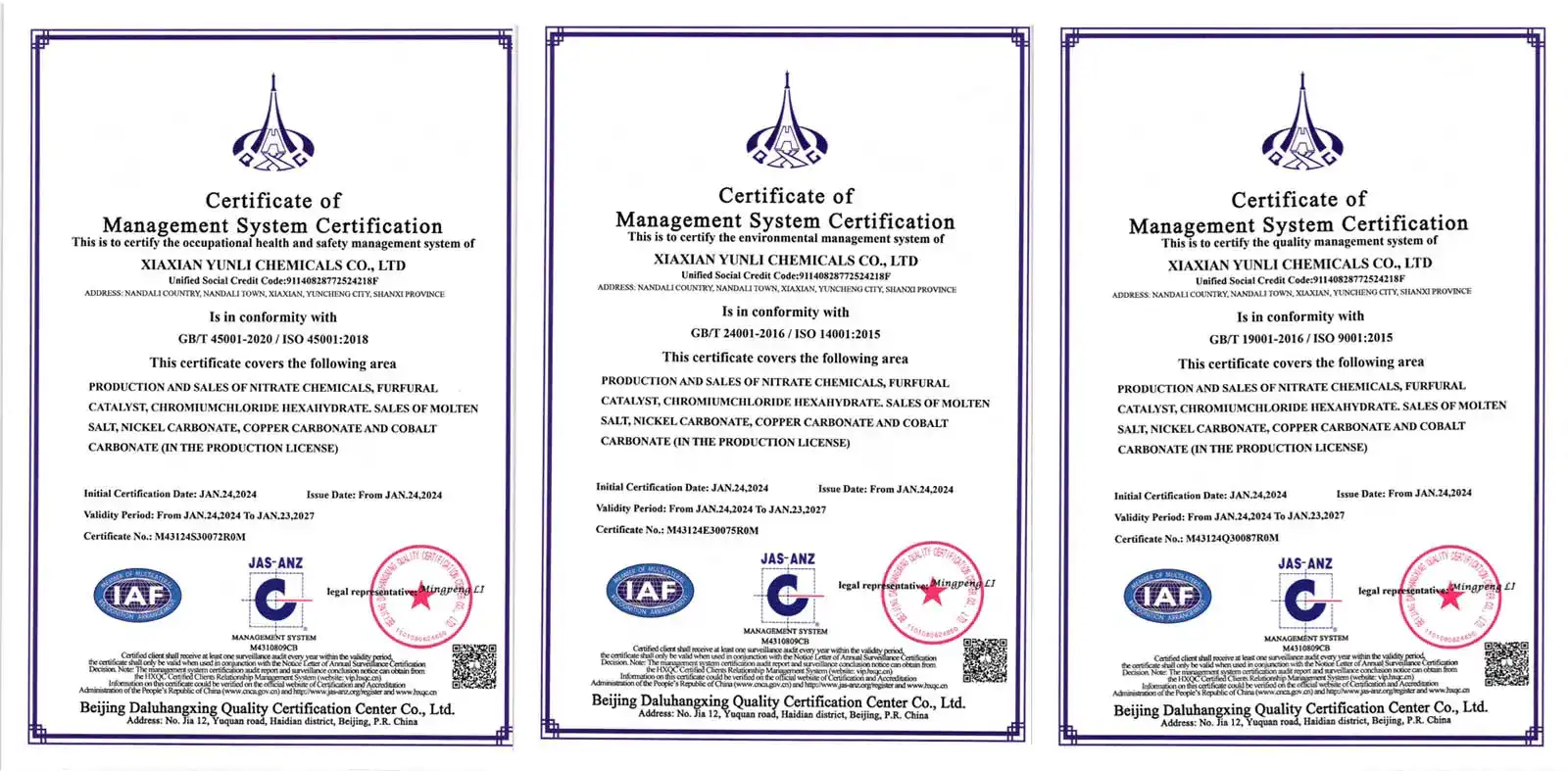
Eco-friendly certifications show that a company is serious about making products that are good for the environment. Getting ISO 14001 approval means that you are managing the environment in a way that reduces the effects of your production. Market access is guaranteed by REACH registration for sales in Europe and EPA registration for sales in the United States. Yunli Chemical keeps these certifications up to date along with its ISO 9001 quality management credentials. This gives procurement managers the proof they need to pass internal and external compliance checks without having to add more requirements for vendors to meet.
Supplier Evaluation and Partnership Considerations
To find dependable Zinc Nitrate Solution suppliers, you need to look at their production capacity, technical support, and the stability of their supply chains. Established makers who have been in business for 15 years or more show that the market is stable and that their processes are mature, which leads to reliable product quality. When a company makes more than 10,000 metric tonnes of goods every year, it benefits from economies of scale that help keep prices low and protect against gaps during times of high demand.
Technical help is what sets key partners apart from commodity providers. Manufacturers who offer agronomic advice, application rate calculators, and compatibility testing help distributors and end users get the most out of their products. Custom recipe options, such as changing the concentration, pH, or adding vitamins that work well with other ingredients, make goods that stand out for specific markets. These value-added services are offered by Yunli Chemical's provincial-level technology center and advanced testing laboratory. They help distributors succeed by setting them apart technically instead of just competing on price.
Best Practices for Using Zinc Nitrate Solution to Enhance Fertilizer Efficiency
Application Methods and Timing Strategies
Foliar application is the best way to get Zinc Nitrate Solution to plants that are actively showing signs of deficiency or that are growing in soils with a high pH. Spray amounts of 100 to 200 liters per hectare are enough to cover the area, and multiple applications every 10 to 14 days during periods of rapid growth keep the zinc available. Applying in the early morning or late afternoon lets the most water pass through the stomata while protecting the leaves from sunburn in the middle of the day. Adding non-ionic surfactants at a concentration of 0.1 to 0.25% makes it easier for droplets to spread and cuticle to penetrate, which improves the efficiency of absorption.
By applying zinc to the soil through fertigation devices, it can reach all the roots more precisely than when it is spread out using broadcast ways. Adding Zinc Nitrate Solution to drip irrigation with a zinc concentration of 2 to 5 ppm gives plants constant low-level support that keeps their tissue levels at the right level without wasting any extra food. This method works well for stable crops like orchards and vines, where long-term zinc control keeps deficiencies from building up. Adding 5–10 kg of zinc per hectare before planting helps yearly row crops, and the depth of the spray should match where the roots are expected to grow.
Safety Protocols and Handler Protection
Zinc Nitrate Solution is an oxidizing substance, so it needs to be handled and used with special care. To keep chemicals from touching skin and eyes, workers should wear gloves that are resistant to chemicals, safety glasses, and protective clothes. The less concentrated agricultural solutions are safer than the more concentrated industrial grades, but their acidic pH can irritate the skin if it is exposed to it for a long time. To keep splashes to a minimum during tank preparation, spray workers must either use closed mixing systems or follow the right steps for washing containers.
According to regulations for oxidizer storage, storage facilities must keep oxidizers separate from organic materials, fuels, and other things that can catch fire. Enough ventilation keeps nitrogen oxide from building up in closed spaces. When a container fails, environmental leaks can be stopped by secondary containment systems that hold 110% of the biggest container volume. Temperature control: Keeping the storage between 5°C and 25°C stops changes in concentration caused by evaporation and makes sure the solution stays within the density and pH limits set during storage.
Monitoring Results and Optimizing Programs
Setting up standard tissue testing methods before adding zinc supplements is needed to figure out how well the fertilizer program is working. Taking samples of the youngest, fully grown leaves at key growth stages (V6 in corn and early bloom in soybeans) gives diagnostic information that is linked to the possibility for yield reaction. Target tissue concentrations of 20–50 ppm zinc show that the body is getting enough zinc, while levels below 15 ppm show that the body is not getting enough zinc.
Precision farm tools that track yields make it possible to look at the effects of applying zinc in different areas. By comparing treated and raw areas within fields, you can figure out how much money you made and decide what applications to make in the future. Collecting data over several seasons shows whether applying zinc to the soil increases its availability over time or needs to be supplemented every year.
These improvements, which are based on evidence, make the best use of inputs, which cuts costs while keeping output at its highest level. Agronomic help from suppliers like Yunli Chemical should be asked for by procurement managers in charge of large-scale operations so that they can understand tracking data and change processes based on the crop and soil conditions.
Conclusion
Zinc Nitrate Solution is a scientifically proven way to make fertilizer work better in farming systems that have trouble with soil chemistry and micronutrient deficiencies. It dissolves better, contributes two nutrients, and works with modern application equipment, which are all measurable economic and agricultural benefits over traditional zinc sources. High-purity Zinc Nitrate Solutions provide the technical performance, regulatory compliance, and supply stability that competitive agricultural markets require.
They are perfect for B2B procurement workers who want to improve crop nutrition programs while also meeting sustainable goals. Strategic relationships with well-known makers make sure that customers can get high-quality goods backed by technical know-how that turns chemical specs into results that have been seen in the field.
FAQ
Is Zinc Nitrate Solution safe for all crop types?
Zinc Nitrate Solution is safe for almost all crops as long as it is used according to the directions on the label and best practices for farming. Leafy vegetables, grain crops, tree fruits, and row crops can all handle foliar applications that are properly diluted without harming the plants. Respecting the highest dosage limits—usually 0.5% or 5 g/L zinc for foliar sprays—and not using it when plants are under a lot of stress from heat or drought, when their stomatal control is lower, is the most important thing to keep in mind for safety. Soil treatments don't pose many safety risks to any type of plant.
How does the cost compare to traditional zinc sulfate?
Zinc Nitrate Solution usually costs 20–40% more per kilogram than zinc sulfate, though this can change based on market conditions and order amounts. Total program costs, on the other hand, usually favor zinc nitrate because it absorbs better, needs less application, and doesn't require any work to dissolve. In field tests, it has been shown over and over that sulfate products with 60–70% less zinc have the same effect on tissue levels and yield, which closes the cost gap. Comprehensive cost studies show that liquid zinc nitrate is a better investment because it has more nitrogen value and less upkeep for corrosion.
What are the storage requirements during transportation?
Zinc Nitrate Solution needs to be kept in containers that can handle acid and away from heat sources and materials that won't work with it. During transport, the oxidizer classification requirements are met by making sure containers are secured so they don't fall over and by making sure there is enough air flow. Extreme temperatures should be avoided.
For example, freezing can make concentration gradients when the container thaws, and temperatures above 35°C speed up the degradation process. The solution is usually labeled as a Class 5.1 oxidizer by logistics companies, which means it needs to be properly documented and marked. If you store it properly, it will last for 12 to 24 months without losing much of its quality. However, you should check the density every so often to make sure the concentration stays stable.

Partner With Yunli Chemical for Reliable Zinc Nitrate Solution Supply
Yunli Chemical can help you with your farming input needs by making industrial-grade Zinc Nitrate Solution to very high purity standards at our ISO 9001, ISO 14001, and OHSAS-certified plant in Shanxi Province. We have been making nitrate for more than 20 years and make more than 1 billion yuan a year. This means that we can give large agricultural distributors and industrial end-users the supply stability and product consistency they need. We can change the percentage from 40 to 50 percent and keep impurities below 30 parts per million (ppm) iron in our recipes so they can meet the needs of a wide range of applications without requiring a minimum order.
As a straight producer of Zinc Nitrate Solution, we don't have to pay markups to middlemen. We also offer free samples of up to 500 grams to make sure the quality. You can get help from our technical team with application and formulation, which helps you make the best nutrient programs for your crops and soil. You can email our export department at wangjuan202301@outlook.com to get detailed datasheets, get prices for large orders, or talk about OEM possibilities that use the skills of our provincial technology center. We have more than 60 nitrate compounds available at yunlichemical.com for you to look through. These compounds are used in modern agriculture and industry.
References
1. Alloway, B. J. (2008). Zinc in Soils and Crop Nutrition. International Zinc Association, Brussels.
2. Cakmak, I., & Kutman, U. B. (2018). Agronomic biofortification of cereals with zinc: A review. European Journal of Soil Science, 69(1), 172-180.
3. Hafeez, B., Khanif, Y. M., & Saleem, M. (2013). Role of zinc in plant nutrition: A review. American Journal of Experimental Agriculture, 3(2), 374-391.
4. Marschner, H. (2012). Mineral Nutrition of Higher Plants (3rd edition). Academic Press, London.
5. Mousavi, S. R., Galavi, M., & Rezaei, M. (2012). The interaction of zinc with other elements in plants: A review. International Journal of Agriculture and Crop Sciences, 4(24), 1881-1884.
6. Shivay, Y. S., Kumar, D., & Prasad, R. (2008). Effect of zinc-enriched urea on productivity, zinc uptake and efficiency of an aromatic rice-wheat cropping system. Nutrient Cycling in Agroecosystems, 81(3), 229-243.