


Calcium Nitrite Powder vs Sodium Nitrite: Which Is Best for Concrete?
Most consumers underestimate the importance of inhibitor choice for reinforced concrete corrosion protection. Calcium nitrite powder (CAS 13780-06-8) is considered the best choice for concrete admixtures. Unlike sodium nitrite, it anodizes steel reinforcement without destabilizing the concrete matrix with alkali ions. Calcium nitrite powder delivers handling efficiency, shelf stability, and proven performance in harsh conditions for dry-mix mortar, precast, and infrastructure procurement teams.

Understanding Calcium Nitrite and Sodium Nitrite in Concrete Applications
Before putting these two compounds next to each other, it's helpful to know what each one does in concrete and how its chemistry affects how well it works.
Chemical Properties and Molecular Differences
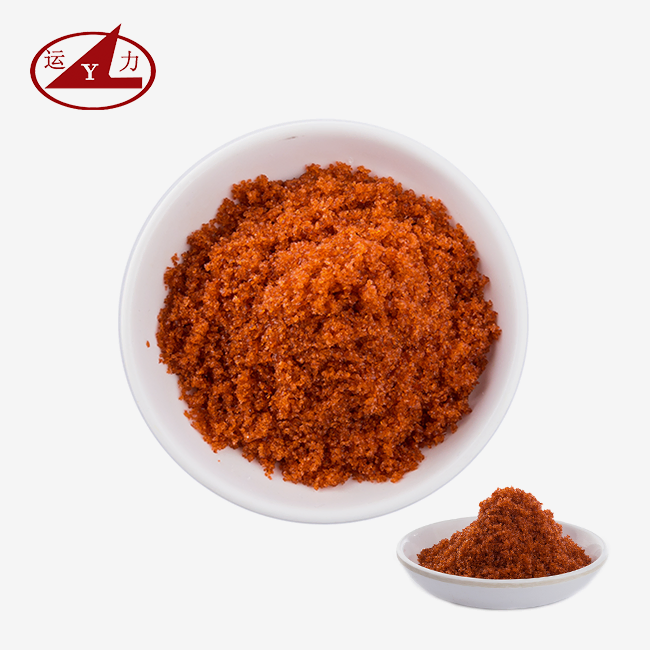
The formula for sodium nitrite is Ca(NO₂)₂, with a molecular weight of 132. sodium nitrite (NaNO₂, MW 69) was lighter and more volatile. This colorless to light yellow powder melts at 100°C and has an density of 2.23 to 2.53 g/cm³. Both dissolve readily in water, but calcium nitrite introduces calcium ions to the mortar matrix, which may accelerate processes and strengthen it immediately.
Corrosion Inhibition Mechanism on Steel Rebar
Both chemicals form a passive iron oxide coating on rebar, stopping the anodic process. Calcium nitrite immediately competes with chloride ions at anodes, halting oxidation. A Cement and Concrete Research research found that adding 2–4% by weight of concrete protects against chlorine exposure comparable to or higher than 10 years of maritime service. Electrically, sodium nitrite operates the same but doesn't are granted the calcium ion action.

Safety, Handling, and Regulatory Compliance
Because it is used to keep food fresh and oxidizes quickly, sodium nitrite has a higher toxicity classification and is more strictly controlled during transport. Even though standard chemical safety steps still need to be taken when dealing calcium nitrite, the rules that govern it are usually less strict. This difference affects the shipping paperwork and storage space needs for large-scale purchases in the U.S. and export markets like the Middle East or Southeast Asia.
Comparative Analysis: Calcium Nitrite Powder vs Sodium Nitrite
With the chemistry established, the practical question for procurement teams is straightforward: which compound delivers better value and performance per dollar across real project conditions?
Corrosion Inhibition Efficacy and Concrete Performance
Calcium nitrite powder has been tested extensively under ASTM G109, the standard method for evaluating admixture effects on steel corrosion. Studies show it consistently delays corrosion initiation by two to four times compared to untreated concrete in chloride-rich environments. Sodium nitrite offers comparable inhibition chemistry but tends to increase the risk of alkali-silica reaction (ASR) in aggregates sensitive to elevated sodium levels—a concern particularly relevant in long-service infrastructure.
Purity Grades and Product Consistency
Product quality directly determines field performance. Industrial-grade calcium nitrite from Yunli Chemical carries ≥99.5% purity, with Fe ≤30 ppm, Na ≤50 ppm, and heavy metals (Pb, Cd) ≤10 ppm. These specifications protect against side reactions that could compromise concrete chemistry. Sodium nitrite purity varies widely by supplier, and elevated iron or chloride impurities in lower-grade batches can actually accelerate the corrosion they are meant to prevent.
Supply Chain, Pricing, and Procurement Logistics
Here are the key procurement factors that distinguish the two products in bulk purchasing scenarios:
- Powder form advantage: Calcium nitrite powder reduces shipping weight compared to liquid alternatives, cutting freight costs significantly for international orders. It also avoids freezing problems during winter transport that affect liquid nitrite solutions.
- Storage footprint: Powder requires less warehouse space per ton of active ingredient, which matters for regional dry-mix mortar plants operating on lean inventory models.
- Shelf stability: Properly packaged calcium nitrite powder in moisture-proof bags maintains active content integrity for 12–24 months, outperforming premixed liquid solutions that can degrade or freeze during transit.
These factors translate directly into lower total cost of ownership for procurement teams sourcing materials across multiple production seasons.
Application Insights: Best Practices for Using Calcium Nitrite in Concrete
Understanding when and how to apply calcium nitrite correctly separates average results from consistent, long-cycle performance in the field.
Recommended Dosage and Mixing Protocols
The standard dosage of calcium nitrite powder for corrosion inhibition falls between 2% and 4% by weight of cementitious material, with the exact rate calibrated to the expected chloride load. For cold-weather concreting, calcium nitrite also acts as a set accelerator, enabling placement at temperatures as low as -20°C. When adding the powder to a dry-mix system, blend it with dry aggregates first to ensure even dispersion before water contact. Avoid adding it directly to undiluted superplasticizer solutions without prior compatibility testing.
Storage and Shelf Life Management
Calcium nitrite powder is hygroscopic—it absorbs moisture readily from ambient air, which leads to caking if packaging is compromised. Store bags in a cool, dry warehouse below 30°C. Keep original moisture-proof packaging sealed until use. Once a bag is opened, reseal it immediately. Yunli Chemical supplies calcium nitrite in 25 kg moisture-barrier bags with reinforced seams, specifically designed to prevent transit damage and maintain flowability through long-distance shipping routes.
Real-World Performance in Infrastructure Projects
Calcium nitrite has documented service in marine bridges, port structures, and precast concrete panels across multiple continents. In one widely cited case from coastal infrastructure rehabilitation in Southeast Asia, rebar corrosion rates in treated sections were reduced by over 70% compared to control sections at five-year inspection intervals. For dry-mix mortar producers, integrating calcium nitrite powder into formulated repair mortars meets ASTM C494 Type C and Type CI compliance, supporting approvals for government infrastructure contracts.

Making the Right Procurement Decision: What B2B Buyers Should Know
Some decisions about corrosion inhibitors are technical, and some are based on a risk assessment of the supply chain. That issue needs to be looked at from both sides.
Supplier Certifications and Quality Assurance
Yunli Chemical supplies calcium nitrite powder and is certified by ISO 9001, ISO 14001, and OHSAS. In 2019, it was named a Shanxi Provincial Enterprise Technology Center. For batch verification, the factory has ICP-MS and atomic absorption spectrometry equipment. A Certificate of Analysis (COA) is included with every package. You can get independent confirmation through ASTM G109 testing for project qualification submissions if you ask for it.
Customization and Flexible Order Options
To use dry-mix for different things, you need to use different particle sizes, pH ranges, or physical forms. Here are the ways that Yunli Chemical can make your order unique:
- Particle size: Adjustable to meet specific dry-mixing uniformity requirements
- Purity tier: Standard industrial grade (≥99.5%) or elevated-purity specification for sensitive applications
- Packaging: 25 kg bags to bulk container formats, with private-label options available
- Physical form: Powder, crystalline, or pre-dissolved liquid solution
There are several choices that make it easy for formulation engineers to match the product to their exact process without having to do expensive preparation steps in-house.
Evaluating Total Cost vs. Performance Trade-offs
In many spot markets, sodium nitrite is cheaper per kilogram, but the total cost changes when you take into account the risk of chloride ions getting into the product, how sensitive ASR is, and the costs of following the rules. Calcium nitrite's performance data is better documented for projects that need to follow ASTM or EN 934 standards. This lowers the qualification risk for procurement teams that are responsible for meeting their contract performance obligations.
Conclusion
In most reinforced concrete applications, calcium nitrite powder outperforms sodium nitrite for long-term rebar protection, dry-mix adhesion, and supply chain reliability. It features less dangerous chemicals, greater ASTM performance evidence, and fewer international shipping restrictions. While sodium nitrite is cheaper for certain purposes, calcium is superior for structural concrete in hostile settings, both technically and monetarily.
FAQ
Is calcium nitrite powder compatible with polycarboxylate superplasticizers?
Yes, but because calcium nitrite speeds up the setting of cement, it is best to do a compatibility test first before making a lot of it. Change the PCE dose based on the results of the small-batch test to keep the target workability.
How do I prevent caking during storage?
Keep the item in its original, sealed, and waterproof package in a dry warehouse below 30°C. Reseal right away after each use. It is intended to do this, and Yunli Chemical's strengthened barrier bags are perfect for it.
What dosage should I use for corrosion inhibition?
Usually, between 2% and 4% by weight of cementitious material is used. The exact rate depends on how much salt is expected to be present. Coastal projects with a lot of salt water usually need the high range.
Can I source calcium nitrite powder in bulk for international shipment?
Yes, Yunli Chemical does self-operated shipping to the Middle East, Southeast Asia, the US, Japan, and South Korea. They do this without going through any middlemen. You can get free samples of up to 500 grams to test the quality before you commit to a large sale.
How does calcium nitrite affect concrete strength?
Calcium nitrite works as a mild early-strength booster when taken in standard amounts. ASTM C494 Type C standards are met, which means it speeds up strength gain without lowering the 28-day compressive strength.
Source Calcium Nitrite Powder from Yunli Chemical — Request a Quote Today
For more than 20 years, Yunli Chemical has sold more than RMB 1 billion worth of high-purity calcium nitrite powder to foreign traders and companies that make building materials. We are a direct manufacturer of calcium nitrite powder, so there are no middlemen. Our production is ISO/OHSAS-certified, and we offer consistent quality, flexible packaging, and factory-direct prices. You can email our technical team at wangjuan202301@outlook.com or go to yunlichemical.com to get a COA, a free sample, or a bulk price that fits your needs.
References
Berke, N. S., & Hicks, M. C. (1992). Research on calcium nitrite as a reinforced concrete corrosion inhibitor.
2. ASTM (2021). The ASTM G109 standard test method determines the effects of chemical additives on embedded steel reinforcement corrosion.
3. 2019 American Concrete Institute. ACI 212.3R: Concrete Chemical Admixtures Report. Committee 212.
4. 1998, Howard Justnes. Nordic Concrete Research: Calcium nitrite inhibits marine reinforced concrete corrosion.
5. P. B. Bamforth (2004). Magazine of Concrete Research: Chloride-induced coastal infrastructure corrosion management via mixing techniques.
6. ASTM (2019). ASTM C494/C494M: Concrete Chemical Admixtures Standard.