


Ferric Nitrate Solution Liquid vs Other Iron Salts: Which Wins?
When production managers and procurement engineers evaluate iron salts for catalyst synthesis, metal treatment, and wastewater, ferric nitrate solution liquid always wins. Its chloride-free composition, strong oxidizing potential, and direct-feed liquid format provide it an advantage over ferric chloride, ferrous sulfate, and other iron salts. No one reagent suits every process, but etching, catalysis, and environmental treatment show that liquid iron(III) nitrate is more reliable than solid or chloride-based alternatives.

Understanding Ferric Nitrate Solution Liquid
Chemical Identity and Key Parameters
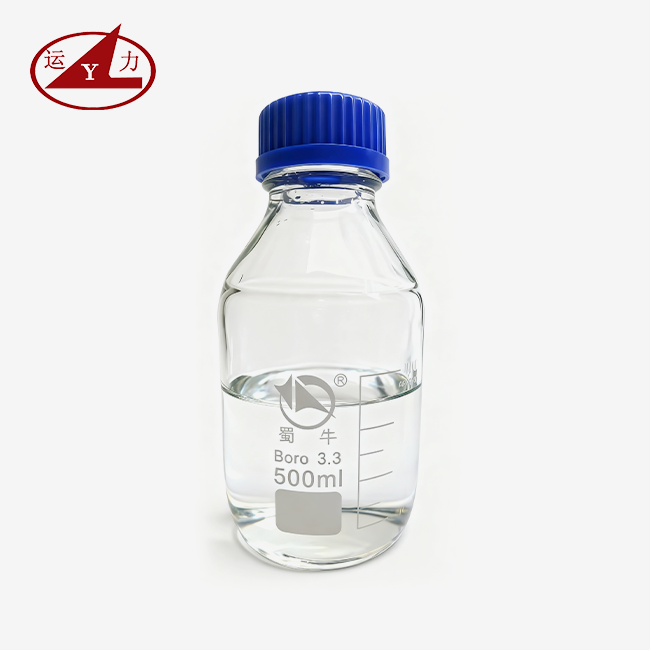
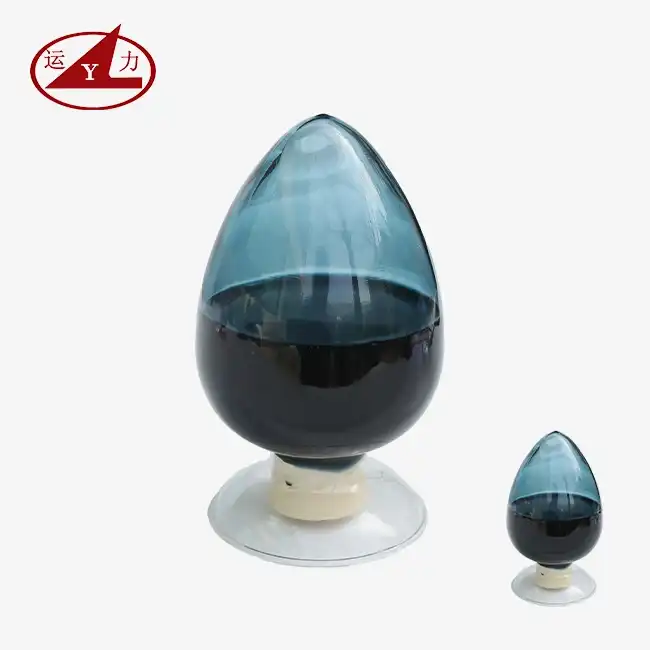
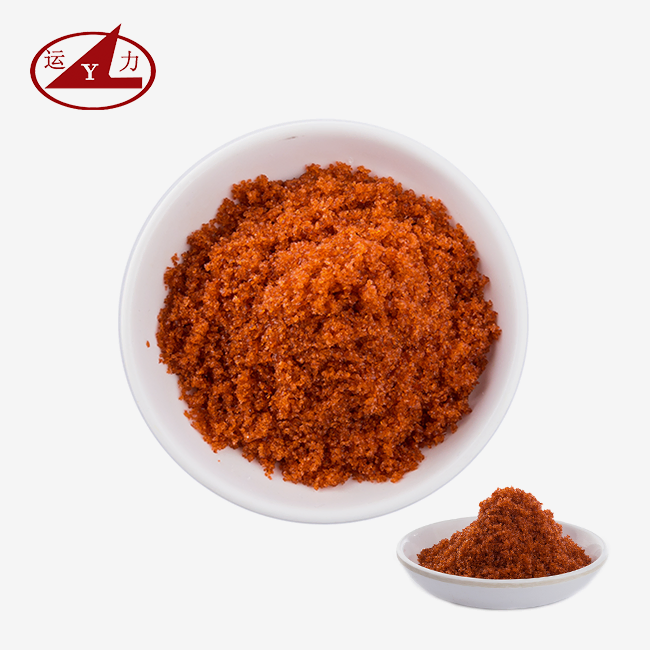
The water-based form of iron(III) nitrate is called ferric nitrate solution. It is made from Fe(NO₃)₃·9H₂O (CAS# 7782-61-8, Molecular Weight: 404.01). With a specific density of 1.68 and a freezing point of 47.2°C, the nonahydrate crystal looks purple. When heated above 125°C, it breaks down. The color of the solution ranges from reddish brown to dark purple. At 20°C, its specific gravity is between 1.25 and 1.45 g/cm³, and it mixes completely with water,ethanol, and acetone. To keep iron hydroxide from forming, the free nitric acid content is usually kept between 0.5% and 2.0%.
Stability and Storage Requirements
How a product is stored has a direct effect on how well it works. Free nitric acid slowly breaks down stainless steel, so ferric nitrate solution should be stored in HDPE or XLPE tanks instead. When sealed and kept in a cool, dark place away from UV light, the product stays stable for one to two years. Around 0°C to 5°C, a 45% solution may start to crystallize, so transporting it in the winter needs heated ISO tanks or a concentration change to about 40%. A standard step that procurement teams shouldn't skip is reading the SDS and CoA before setting up the storage.
Handling Safety and Regulatory Notes
According to UN 3264 rules, iron(III) nitrate solution is an oxidizer, which is in Class 5.1. It is acidic and oxidizing, and it irritates the skin when it comes in touch with it. The workers have to put on acid-resistant jackets, gloves that can handle chemicals, and splash masks.
When there is a spill, it needs to be cleaned up with dry sand or sodium bicarbonate and then thrown away properly according to local environmental laws. Because it oxidizes, it can cause a fire or explosion if it comes into contact with organic materials. For this reason, it must be stored away from flammable materials in all compliant facilities.
Comparing Ferric Nitrate Solution with Other Iron Salts
Ferric Nitrate vs. Ferric Chloride
Because it costs less per unit, ferric chloride (FeCl₀) is the iron salt that is most often used for etching and coagulation. But it adds chloride ions to the process stream, which make copper surfaces corrode in pits and make water flow more freely downstream. This issue is completely avoided by ferric nitrate solution liquid. In the process of etching silver and silver alloys, iron(III) nitrate selectively oxidizes the target metal without leaving behind chloride residues that are impossible to dissolve. This is a very useful property for electronics and jewelry makers who need to define fine lines.
Ferric Nitrate vs. Ferrous Sulfate
In surface treatment and wastewater applications, ferrous sulfate (FeSO₄) has a weaker oxidizing effect because it works at a lower oxidation state (Fe²⁺ vs. Fe³⁺), while ferric nitrate solution liquid delivers Fe³⁺ directly. In sewer networks, ferric nitrate reacts faster and more thoroughly than ferrous sulfate. This is because the Fe³⁺ ion directly oxidizes sulfide to elemental sulfur or soluble sulfate.
It also gives bacteria a source of nitrate oxygen, which stops septicity. This two-way mechanism can't be copied by ferrous sulfate. The Fe∂ ion also helps make the precursors spread out more evenly during sol-gel synthesis for automatic catalyst production lines.
Environmental Impact and Disposal Comparison
From the point of view of regulatory compliance, ferric nitrate solution doesn't add any chloride to the treated effluent, which is helpful when halide release limits are tight. On the other hand, ferric chloride raises the amount of chloride in the effluent, which needs to be managed separately.
Sulfate ions can make supplemental treatment more difficult when ferrous sulfate is added. Iron(III) nitrate breaks down into iron oxide and nitrogen oxides, which can both be handled according to normal rules for industrial trash. For businesses that have to follow the rules for ISO 14001 or REACH, this cleaner disposal profile makes things easier for the authorities.

How to Choose the Right Iron Salt for Your Business Needs
Match the Salt to Your Application
The first thing you need to know is whether your process needs Fe₺ or Fe⁺ chemistry and whether halide contamination is a fear. Catalyst makers who make systems for hydrogenation or methanol synthesis need Feⱂ precursors that don't contain halides. Ferric nitrate solution is a perfect fit for this.
The nitrate ion's extra role helps wastewater workers who need to do both H₂S oxidation and phosphorus precipitation. Etching shops that work with silver, copper, or precision circuit boards need oxidation that is clean and doesn't leave any residue. Once the purpose is clear, the next things that are used to choose a product are the concentration and purity grade.
Verify Concentration Stability and Purity Grade
Changes in concentration from batch to batch that are greater than 0.5% of ferric nitrate solution liquid can affect etching rates or catalyst dispersion, which can lead to waste or the need to re-calibrate the process. Fe content (checked by redox titration), free acid level, chloride content (goal <50 ppm for electronics), solid matter (<0.01%), and heavy metals (Pb, As, and Zn tested via ICP-OES for RoHS compliance) are some of the most important things that inspectors look for.
For every delivery, procurement teams should ask for a Certificate of Analysis (CoA) and a Safety Data Sheet (SDS). Suppliers who have their own ICP-MS and atomic absorption tools can give you results that can be tracked and checked by an instrument instead of guesses.
Evaluate Total Cost, Not Just Unit Price
When comparing iron salts' unit prices, it's not always clear what the whole process costs. During your procurement cycle, you should keep an eye on these cost factors:
- Solid dissolution labor: Solid ferric salts require dissolution tanks, temperature control, and operator time before they can be dosed. Liquid iron(III) nitrate feeds directly into automated systems, eliminating this step entirely.
- Equipment corrosion: Chloride-bearing alternatives accelerate corrosion in dosing pumps, spray nozzles, and piping — maintenance and replacement costs add up over 12–24 months.
- Waste treatment: Higher downstream chloride or sulfate loads from alternative salts can increase effluent treatment costs under tightening discharge regulations.
When these things are added to the unit price, liquid iron(III) nitrate often has a lower total cost of ownership for automatic production lines than solid or chloride-based choices that are less expensive.
Buying and Procuring Ferric Nitrate Solution Liquid
Supplier Qualification Criteria
Suppliers of ferric nitrate solution that you can trust should have ISO 9001 quality certification and, even better, ISO 14001 and OHSAS certifications to show that they follow safety and environmental management standards. Ask for COA reports that have been checked by an instrument, heavy metal data that is in line with RoHS rules, and process documentation that shows how the batches are the same across production runs. A provider that has its own inspection lab with an ICP-MS can quickly settle quality issues by using data that can be tracked instead of guesses.
Packaging, Logistics, and Winter Transport
Standard ways to package things are in 25 kg drums, IBC tanks, or bulk tankers. Bulk tanker supply lowers the cost of packing each unit and makes automatic dosing easier for big producers. To keep solutions from crystallizing during the winter, they need to be shipped in heated containers or with the concentration already set.
According to UN rules, the product ships as a Class 5.1 oxidizer, which means it needs UN-rated packaging, the right labels, and proof of compliance to get through customs in international trade lanes to the US, India, and Southeast Asia.
Sampling and Trial Before Long-Term Commitment
When businesses buy ferric nitrate solution liquid, the process usually goes like this: scientific review, sample testing, concentration confirmation, trial production, and then a long-term supply deal. It usually takes four to eight weeks to finish a first partnership. Instead of relying only on supplier data sheets, ask for samples of at least 500 g to test in-process under your real conditions. This test step finds problems with impurities or concentration drift before they happen in full production batches.
Case Studies and Practical Insights
Catalyst Production: Uniform Iron Dispersion
When a medium-sized catalyst maker switched from solid iron nitrate to liquid iron(III) nitrate on an automated impregnation line, the Fe dispersion uniformity across support particles got better. The liquid format made precise dosing possible with flow control valves, which got rid of the variation that came from having to weigh and dissolve solid batches by hand. After the switch, catalyst activity tests showed that performance was more consistent across production batches, which meant that there were fewer quality hold events.
Wastewater Treatment: H₂S Control Without Chloride Load
In an area with strict rules on effluent chloride, a city that runs a wastewater system switched from ferric chloride to ferric nitrate solution to lower the amount of hydrogen sulfide in force mains. The switch stopped adding salt to the cleaned water, but the sulfide oxidation process kept working. Monitoring after the move showed that H₂S levels stayed below the threshold without the need for additional chloride remediation steps. This cut the total cost of treatment chemicals by about 12% over six months.
Electronics Etching: Residue-Free Silver Stripping
An electronics contract maker that was working with copper substrates that were coated with silver moved from using a ferric chloride bath to an iron(III) nitrate solution bath to remove the silver. Getting rid of the solid silver chloride smut that needed extra cleaning steps was the main reason. Post-switch inspection data showed that cleaning rework time per panel was cut by 90% or more, and copper substrate attack didn't go up when process inhibitors were kept at the right levels.
Conclusion
Across catalyst production, wastewater treatment, and metal etching, ferric nitrate solution liquid consistently outperforms chloride-based and ferrous alternatives where purity, residue control, and automated dosing matter most. Its chloride-free chemistry protects downstream equipment and effluent quality, while the liquid format integrates directly into automated production lines without dissolution steps.
Cost advantages become clear when total process expenses — not just unit price — are calculated. For procurement teams running mid-to-large scale operations that demand batch-to-batch consistency, ferric nitrate solution liquid is the technically sound choice.

FAQ
Is ferric nitrate solution compatible with stainless steel storage tanks?
Iron(III) nitrate solution and free nitric acid can eat away at SS304/316 over time because they are reactive. For long-term storage, HDPE, XLPE, or steel tanks lined with rubber are the best options.
Can ferric nitrate replace ferric chloride in PCB or silver etching?
Yes, and it works better most of the time. During etching, iron(III) nitrate doesn't leave behind any chloride residues. This gets rid of silver chloride smut and cuts down on repair in fine-line jewelry and electronics. Copper attack rates should be kept in check with inhibitors.
What is the typical shelf life of liquid iron(III) nitrate?
The product stays stable for one to two years if it is kept in cool, sealed, UV-protected containers. If you don't keep the storage conditions right, quality can go down due to photodecomposition or the gradual loss of free nitric acid.
What PPE is required when handling this product?
You need gloves that can handle chemicals, splash masks, acid-rated face shields, and aprons that can handle rust. Since the product is an oxidizer and can damage skin, it should never come into touch with organic materials.
How do I verify supplier quality before a bulk purchase?
ICP-OES or ICP-MS for heavy metals, redox titration for Fe level, ion chromatography for chloride, and SDS evidence should be asked for in the COA. The best quality records can be found from suppliers who have both ISO 9001 and ISO 14001 certifications and their own testing labs.
Partner With Yunli Chemical for Verified Iron(III) Nitrate Supply
For more than 20 years, XiaXian Yunli Chemical has sent ferric nitrate solution liquid to companies that make catalysts, treat water, and make things for industry. Our factory-direct supply model cuts out the middlemen, which keeps prices low without affecting the quality of each batch.
Customized concentrations from 40% to 50% are available. We also offer strict impurity control (heavy metals ≤5 ppm), ISO 9001/14001 certification, and free samples of up to 500 g. To get a price from a reliable ferric nitrate solution liquid provider, please email our technical team at wangjuan202301@outlook.com or visit yunlichemical.com right now.
References
1. Pourbaix, M. Atlas of Electrochemical Equilibria in Aqueous Solutions. National Association of Corrosion Engineers, 1974.
2. Richardson, J. T., Turk, B., & Twigg, M. V. "Reduction of Model Steam Reforming Catalysts: Fe₂O₃ and Fe₂O₃/Al₂O₃." Applied Catalysis A: General, 1996.
3. Tchobanoglous, G., Burton, F. L., & Stensel, H. D. Wastewater Engineering: Treatment and Resource Recovery. McGraw-Hill, 2014.
4. Schlesinger, M., & Paunovic, M. Modern Electroplating, 5th ed. Wiley, 2010.
5. Martell, A. E., & Smith, R. M. Critical Stability Constants, Volume 3: Other Organic Ligands. Plenum Press, 1977.
6. Helfferich, F. G. Ion Exchange. Dover Publications, 1995.