


What Are the Main Uses of Cobalt Nitrate Solution in Industry?
Cobalt nitrate solution (CAS# 10026-22-9, molecular formula Co(NO₃)₂·6H₂O) is a red to dark-red aqueous liquid widely used across catalyst manufacturing, battery material precursor synthesis, ceramic pigment production, and paint drying applications. Its molecular weight is 291.03, and it dissolves readily in water, ethanol, and acetone. Because it arrives pre-dissolved and ready for direct dosing, industrial buyers save significant processing time compared to handling solid cobalt salts. Whether you run a petrochemical refinery or a battery materials plant, this cobalt compound delivers consistent metal-ion delivery at controlled concentrations.

Understanding Cobalt Nitrate Solution: Properties and Safety
Chemical Identity and Physical Characteristics
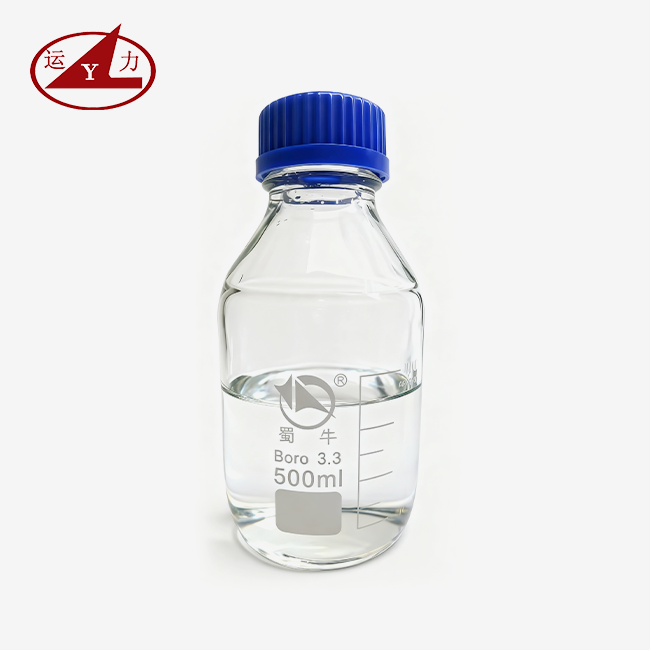
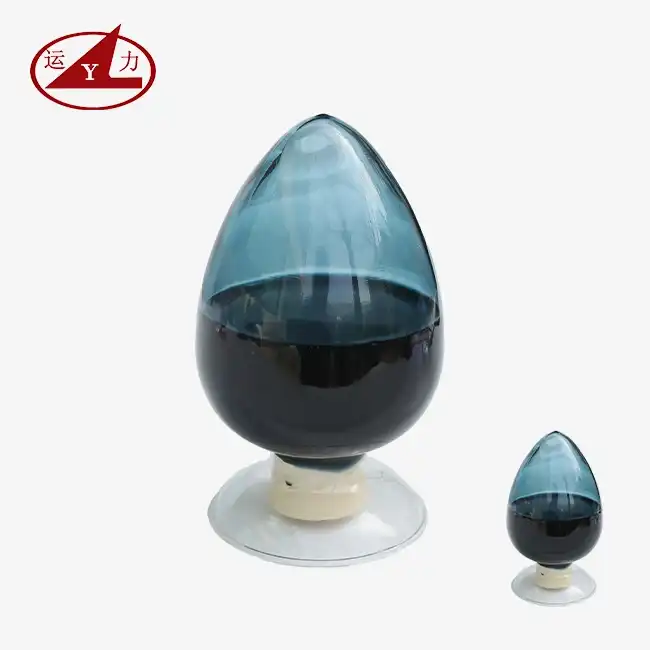
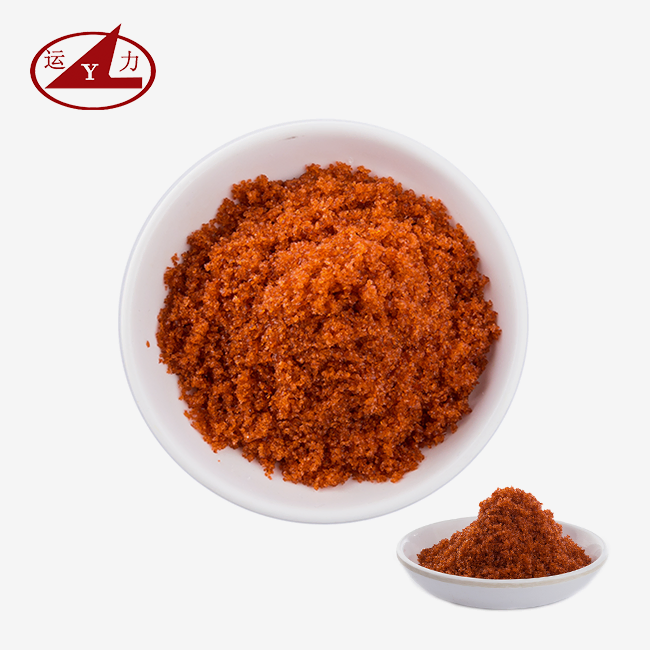
As cobalt nitrate hexahydrate breaks down, a clear, dark liquid comes out. It is a crystalline solid that is reddish brown. The density is about 1.88, and the melting point is between 55 and 56°C. A lot of the answer is in water and acids and bases. Between 1.25 and 1.45 g/mL is how dense the liquid is at 20°C, and the amount of cobalt can be changed from 10% to 50% (w/w) based on what it will be used for.
Oxidizing Nature and Incompatibility Risks
You can start a fire or explosion with the nitrate anion if it comes into direct contact with oils, solvents, or things that can catch fire. Because of this, they need to be kept separate while traveling and storing. People must wear the right PPE, like gloves that can resist chemicals and eye protection, and work in places with good air flow so that chemicals don't get on their skin or into their lungs.
Regulatory and Transport Classification
Cobalt nitrate solution is generally put into one of two groups based on how much free acid it has: UN 3082 (Environmentally Hazardous Substance, Liquid) or UN 3264 (Corrosive Liquid, Acidic, Inorganic). Things can only be shipped properly if they are in UN-approved boxes with the right markings and a current Safety Data Sheet. The export paperwork has to follow the rules set by REACH (EU), TSCA (US), and JIS (Japan).
Key Industrial Uses of Cobalt Nitrate Solution
Catalyst Manufacturing
The most significant commercial application of cobalt nitrate solution is catalyst production. In petrochemical refining, the liquid form acts as a precursor for cobalt-molybdenum (Co-Mo) hydrodesulfurization (HDS) catalysts. When impregnated onto alumina carriers, the solution penetrates deep into pore structures, ensuring uniform active-metal distribution. This wet-impregnation route is far cleaner and more precise than dissolving solid cobalt salts on-site, reducing process variability and saving labor.
Battery Material Precursors
Demand for NCM and NCA battery cathode materials continues to grow alongside electric vehicle adoption. Co(NO₃)₂ solution is used in the co-precipitation step, where cobalt, nickel, and manganese ions mix at the atomic level to form uniform hydroxide precursors. Homogeneous mixing at this stage directly affects energy density and thermal stability in the finished cell. Controlling impurity levels—especially sodium, iron, and chloride—at this step is critical to battery performance and cycle life.
Ceramic Pigments and Coatings
In ceramics, cobalt-based compounds have long been the source of vivid "cobalt blue" glazes. The solution form allows precise colorant dosing, producing repeatable shades across production batches. In the coatings industry, cobalt nitrate compounds function as drying agents (desiccants), accelerating oxidative cross-linking in alkyd and oil-based paints. Both sectors benefit from liquid supply because it removes the dust-handling hazard associated with solid cobalt pigments.
Comparative Analysis: Cobalt Nitrate Solution vs Other Cobalt Compounds
How It Compares to Cobalt Chloride
There are chloride ions (Cl⁻) in cobalt chloride that hurt catalysts in HDS and hydrogenation systems. Even small amounts of chloride bring down the active surface area and shorten the life of catalysts. Chloride doesn't harm cobalt nitrate, which makes it the best precursor when sensitivity to halogens is important. Big cell makers often need chloride-free feed for co-precipitation in batteries as well.
How It Compares to Cobalt Sulfate
Most of the time, cobalt sulfate costs less per kilogram than cobalt nitrate solution. Sulfate ions, on the other hand, can stop some precipitation reactions and leave sulfur in catalysts. Most of the time, cobalt nitrate is safer than sulfur when it comes to high-end HDS units. But cobalt sulfate is still a good choice when cost is the most important thing and sulfate contamination is okay.
How It Compares to Cobalt Acetate
While the catalyst is being heated to high temperatures, cobalt acetate breaks down. This leaves behind carbon leftovers that can be a problem in some catalyst formulas. When it gets hot, cobalt nitrate quickly breaks down into cobalt oxide, CO₂, and NOₓ. These are then collected by absorption towers in factories that are responsible for making them. Not a single bit of carbon is left on the support after this process. It is the most famous catalyst impregnation material in the world, and one reason for this is that it breaks down in a clean way.

Practical Guide to Procurement of Cobalt Nitrate Solution
Key Quality Parameters to Verify
They should ask for a Certificate of Analysis (COA) that says the cobalt percentage was found using ICP-OES or EDTA complexometric titration and is within ±1% of the number given. The amount of iron must be less than 30 parts per million (ppm), the amount of sodium must be less than 50 ppm, and the amount of heavy metals (Pb, Cd) must be less than 10 ppm. Tipping is the best way to find out how much free acid there is because it changes the pH while the acids mix.
Before you place a large order, you should make sure these requirements are met:
- Cobalt content: Confirmed via ICP-OES, tolerance ±0.2% from CoA value.
- Iron (Fe): ≤30 ppm; excess iron alters magnetic properties and deactivates catalysts.
- Sodium (Na): ≤50 ppm; sodium acts as a catalyst poison in HDS systems.
- Insoluble matter: Gravimetrically confirmed absent to protect spray nozzles and impregnation pores.
- pH range: Typically 2.0–4.0; managed to prevent cobalt hydrolysis in storage.
All of these things together tell you if a batch will work normally during your production cycle without throwing off the process.
Supplier Evaluation Criteria
A reputable business that sells cobalt nitrate solutions should have ISO 9001 certification and include COA papers that can be used to track each batch with each box. In order to get goods through customs, buyers in Europe must be registered under REACH, and buyers in the US must follow TSCA. Find clients who work in the same field as you and ask for their references. Also, ask for a technical data sheet with profiles of the density, pH, and impurities at the concentration you want.
Logistics and Storage Planning
In sealed HDPE drums or 316L stainless steel tanks that are kept out of direct sunlight, cobalt nitrate solution stays chemically stable for 12 to 24 months. If you live in the north and want to move a normal 13–14% cobalt solution in the winter, you should do so in ISO tanks that are heated or covered. Prices are usually based on how much you buy, and getting samples (up to 500 g) before you buy a lot is a good way to lower your risk.
Best Practices for Handling and Using Cobalt Nitrate Solution in Industry
Safe Storage and Personnel Protection
Do not store drums near organic substances or reducing agents. Instead, keep them in a cool, dry, well-ventilated room. Any bottle should have a clear sticker that says "hazard class" and "cobalt concentration." Nitrile or neoprene gloves, splash goggles, and a chemical-safe apron are needed for people who work with the solution. As per OSHA 1910.151, there should be an emergency eyewash stand within 10 seconds of the work area.
Concentration Adjustment and pH Monitoring
Instead of deionized water, you should use it if you want to add competing ions to the solution before it is impregnated or drops. Always check the pH level. If it falls below 2, it could mean that there is too much free nitric acid, which makes things rust faster. Inside the feed lines, cobalt hydroxide could form if the pH is higher than 5. While the pH is between 3 and 5, the fluid stays fixed and the right amount is given.
Waste Management and Environmental Compliance
Cobalt-filled waste water shouldn't go into public sewers or drains. Nitrate waste is turned into sodium nitrate in companies that are responsible, and NO pollution is caught in absorption towers. People who buy things that follow ISO 14001 or a similar system for environmental management should make sure that the production records of their supplier meet these standards. The environmental danger in the supply line goes down because of this.
Conclusion
Cobalt nitrate solution is a useful chemical that can be used as a step between different processes in many areas, including painting ceramics, making batteries, and coats. The quality of the final product and how reliably production can happen depend on the liquid grade that is chosen. It is important to choose a grade that has been tested for purity, has a stable concentration, and comes with the right paperwork.
When buyers check a supplier's environmental credentials, trace impurity control, and cobalt content accuracy, they get a real edge in the supply chain. Businesses from all over the world know they can trust Yunli Chemical as a supplier. They've been in business for over 20 years and follow ISO 9001, ISO 14001, and OHSAS rules.
FAQ
What cobalt concentration works best for catalyst impregnation?
Most catalyst producers target 10–15% cobalt (w/w) for wet impregnation onto alumina. Higher concentrations risk uneven distribution; lower concentrations require multiple impregnation cycles. Confirm the target concentration with your catalyst formulation team before ordering.
How long does the solution stay stable in storage?
When stored in sealed HDPE or 316L stainless steel containers away from sunlight, the solution remains stable for 12–24 months. Evaporation can shift concentration, so keep seals tight and verify cobalt content before use if drums have been stored for extended periods.
Can the solution be transported internationally?
Yes, with proper classification. Depending on free acid content, it ships as UN 3082 or UN 3264. UN-certified packaging, a current SDS, and compliance with REACH, TSCA, or JIS are required for EU, US, and Japanese import respectively.
What documentation should I request from a supplier?
Request a COA (with ICP data for Fe, Na, and heavy metals), SDS, ISO 9001 certificate, REACH registration number (EU buyers), and packing list with UN classification. These documents protect both your QC process and your customs clearance.
Ready to Source Premium Cobalt Nitrate Solution? Contact Yunli Chemical
Yunli Chemical has been making fine products based on cobalt since 2005. People in more than 30 countries use these chemicals to make pots, battery materials, and catalysts. Our company makes its own cobalt nitrate solution and doesn't use any middlemen. This means that we can give amounts that are specific to your needs, iron levels that are below 30 ppm, pH levels that can be changed from 3 to 5, and batch-to-batch stability of ±1%. In three days, free samples of up to 500 g are sent out. You can email our tech team at wangjuan202301@outlook.com or visit yunlichemical.com to get a price quote.

References
1. Richardson, J. T. Principles of Catalyst Development. Springer, 1989.
2. Whittingham, M. S. "Lithium Batteries and Cathode Materials." Chemical Reviews, 2004.
3. Donkerwolcke, M., et al. "Cobalt in Hydrodesulfurization Catalysts." Journal of Molecular Catalysis A: Chemical, 1998.
4. Roth, R. S. Phase Diagrams for Ceramists. American Ceramic Society, 1995.
5. European Chemicals Agency (ECHA). REACH Registration Dossier: Cobalt Nitrate. ECHA, 2020.
6. International Energy Agency (IEA). Global EV Outlook: Battery Raw Materials Demand. IEA, 2023.