


Calcium nitrite safety data sheets from major chemical manufacturers
The Safety Data Sheet is one of the most important things you can look at when looking for Calcium Nitrite for commercial use. Major chemical companies give out thorough SDS documents that explain how to handle the chemicals, how dangerous they are, and what standards must be met for safe purchase and use. It goes over important SDS information from well-known companies and shows how these files can help you meet OSHA and EPA standards in the US while also protecting your supply chain, workers, and project results.
Understanding Calcium Nitrite and Its Safety Profile
Chemical Properties and Industrial Applications
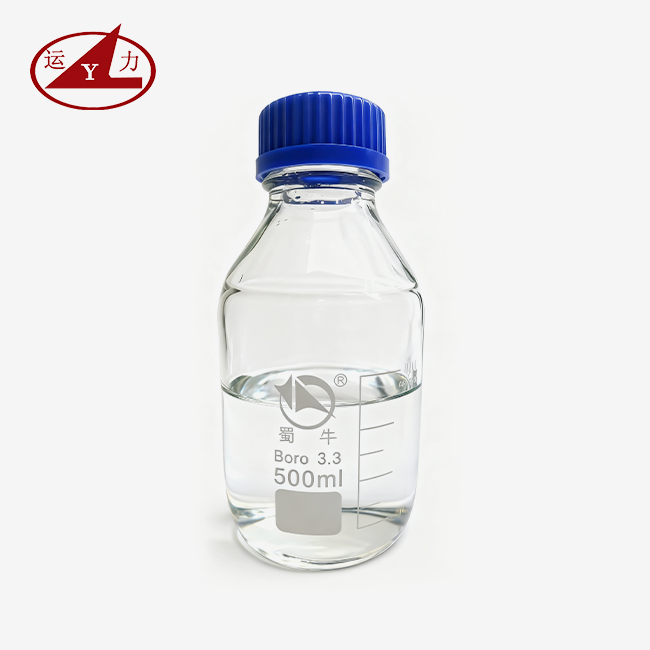
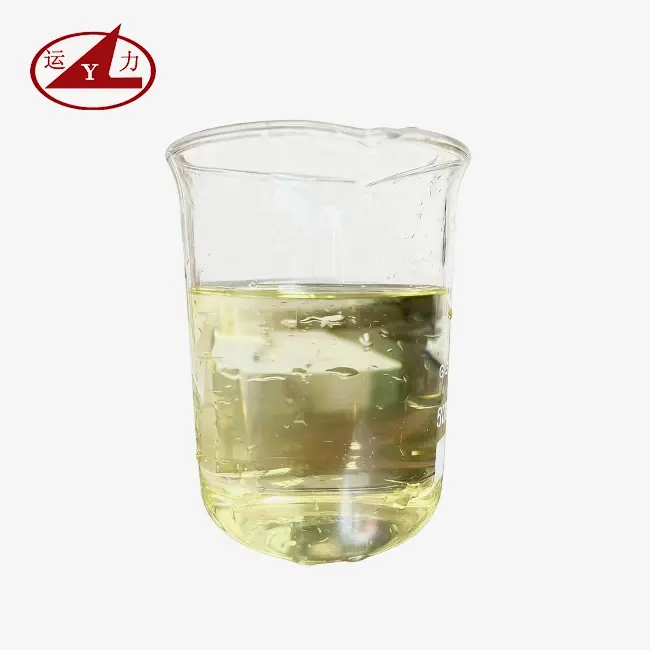
Calcium Nitrite, whose chemical formula is Ca(NO₂)₂, is an inorganic salt that dissolves in water. It is usually sold as a 30% solution in water or as a highly pure rock. In solution, the combination looks pale yellow to amber, and its specific gravity at 20°C is between 1.20 and 1.26 g/cm³. Its alkaline pH of 8.0 to 10.0 keeps it compatible with Portland cement chemistry and stops concrete structures from breaking down due to acidity reactions. Calcium Nitrite moves through capillary networks in concrete to reach steel reinforcements that are buried in the concrete. On the steel surface, nitrite ions change ferrous ions (Fe⁺) into a solid ferric oxide (Fe₂O₀) passive film. This makes the amount of chloride needed to start rusting go from the normal 0.6 kg/m³ to over 7 kg/m³ of concrete.
Health and Environmental Considerations
According to the Globally Harmonized System, Calcium Nitrite solutions are classified as Category 2 for skin irritation and Category 2A for serious eye irritation in the SDS papers of major makers. Mists may irritate the lungs if you breathe them in. When the right safety gear is used, chronic exposure worries are kept to a minimum. However, prolonged skin contact may cause eczema.
Environmental profiles show mild aquatic toxicity, which means that control steps are needed to keep the waste from going into waterways. The chemical is not considered to be a cancer, a mutagen, or a reproductive toxicant by the government. Calcium Nitrite protects instead of corrodes, which is different from calcium chloride accelerators that attack reinforcement steel actively. This addresses important worries about long-term structural stability and environmental responsibility.
Key Safety Parameters from Leading Manufacturers
Reputable manufacturers stick to strict quality standards that have a direct effect on performance and safety. Ion chromatography testing shows that the chloride ion level must stay below 0.05% to stop internal corrosion reaction. To keep automatic dose systems from getting clogged up, insoluble matter stays below 0.1%. Heavy metal impurities like arsenic, mercury, and lead are kept at parts-per-million levels to make sure that drinking water contact guidelines are met. These factors are very important and can be found in Section 9 (Physical and Chemical Properties) of compliant SDS papers. You should compare them to your application standards when you are qualifying suppliers.
Detailed Breakdown of Calcium Nitrite Safety Data Sheets (SDS)
Hazard Identification and Classification
In section 2 of manufacturer SDS papers, you can find GHS danger classes that are needed for labeling and talking about risks at work. Calcium Nitrite solutions usually have the word Warning on them along with the hazards H315 (irritates skin) and H319 (irritates eyes badly). Cautionary comments tell people who are handling to wear gloves, eye protection, and face covers.
By knowing these categories, procurement teams can make sure that purchase orders include the right personal protective equipment and that receiving sites have the right safety structures in place before materials arrive. Manufacturers who follow the OSHA Hazard Communication Standard (29 CFR 1910.1200) give this information in a standard style. This makes it easy to compare suppliers during the approval process.
Handling, Storage, and Stability Requirements
Important practical factors are laid out in Sections 7 (Handling and Storage) and 10 (Stability and Reactivity). To keep Calcium Nitrite solutions from crystallizing or breaking down too quickly, they need to be kept between 5°C and 30°C. Containers should be kept tightly closed in well-ventilated areas, away from strong acids, reducing agents, and chemical compounds that can catch fire.
Calcium Nitrite is not dangerous by itself, but it can make fires with flammable materials worse by acting as an oxidant. Reliable makers choose packages made of stainless steel or high-density polyethylene that don't corrode in alkaline environments. Secondary containment should be able to hold 110% of the biggest container volume in storage places. These specs directly affect how much space is needed for storage and how processes are planned for teams in charge of buying chemicals in bulk.
Emergency Response and First Aid Protocols
Section 4 (First Aid Measures) gives important instant reaction instructions that are needed for planning safety at work. If you make eye contact, you should immediately flush your eyes with water for at least 15 minutes while keeping your eyelids open and get medical help. Skin touch means washing with soap and water and taking off any infected clothes. Inhalation cases should be moved to fresh air, and if breathing problems don't go away, oxygen should be given.
If someone does swallow something, which is rare to happen at work, they need to rinse their mouth out and get medical help right away without making themselves throw up. First responders should know that Calcium Nitrite can release nitrogen fumes when heated. This means that people who are fighting fires need self-contained breathing equipment. Before taking shipments, procurement managers should make sure that receiving centers have eyewash stations, safety showers, and trained first-aid staff.
Comparing Calcium Nitrite with Alternative Corrosion Inhibitors
Performance and Safety Trade-offs
Procurement teams often compare Calcium Nitrite to sodium nitrite, calcium nitrate, and calcium chloride when they are looking at ways to stop rusting. Sodium nitrite works in a similar way to Calcium Nitrite to stop rusting, but it costs less and is more dangerous in the short term (LD50 oral rat: 85 mg/kg vs. 1400 mg/kg for Calcium Nitrite). Calcium nitrate speeds up the setting process without being harmful, but it doesn't stop rust on its own, so it's usually mixed with other ingredients.
Even though it's cheaper, calcium chloride isn't good for reinforced concrete because it speeds up the setting process and adds chloride ions that speed up rusting instead of stopping it. When you compare safety data, you can see that Calcium Nitrite is the best choice for people's safety, the environment, and scientific performance. Because it is less harmful right away and can work as both a corrosion inhibitor and a light accelerator, it lowers the total chemical load in concrete mixes. This makes it easier to follow the rules and lowers the risk of exposure.
Regulatory and Compliance Considerations
Calcium Nitrite solutions that are approved by ASTM C1582 and meet the standards of ACI 222R guidelines have been shown to work, which is something that many other goods don't have. Major producers give SDS sheets that show they follow REACH rules (for export to Europe), California Proposition 65 (to make sure there are no named carcinogens), and NSF/ANSI Standard 61 (for projects that will come into touch with drinking water). On the other hand, greater rules are being put on using calcium chloride in sea and parking building settings because it helps corrosion. It's becoming more and more clear to procurement managers that Calcium Nitrite is the only additive that meets both performance and safety standards, even though it costs more up front than basic boosters.
Procurement Insights: Buying Calcium Nitrite Safely and Efficiently
Supplier Qualification and Documentation Verification
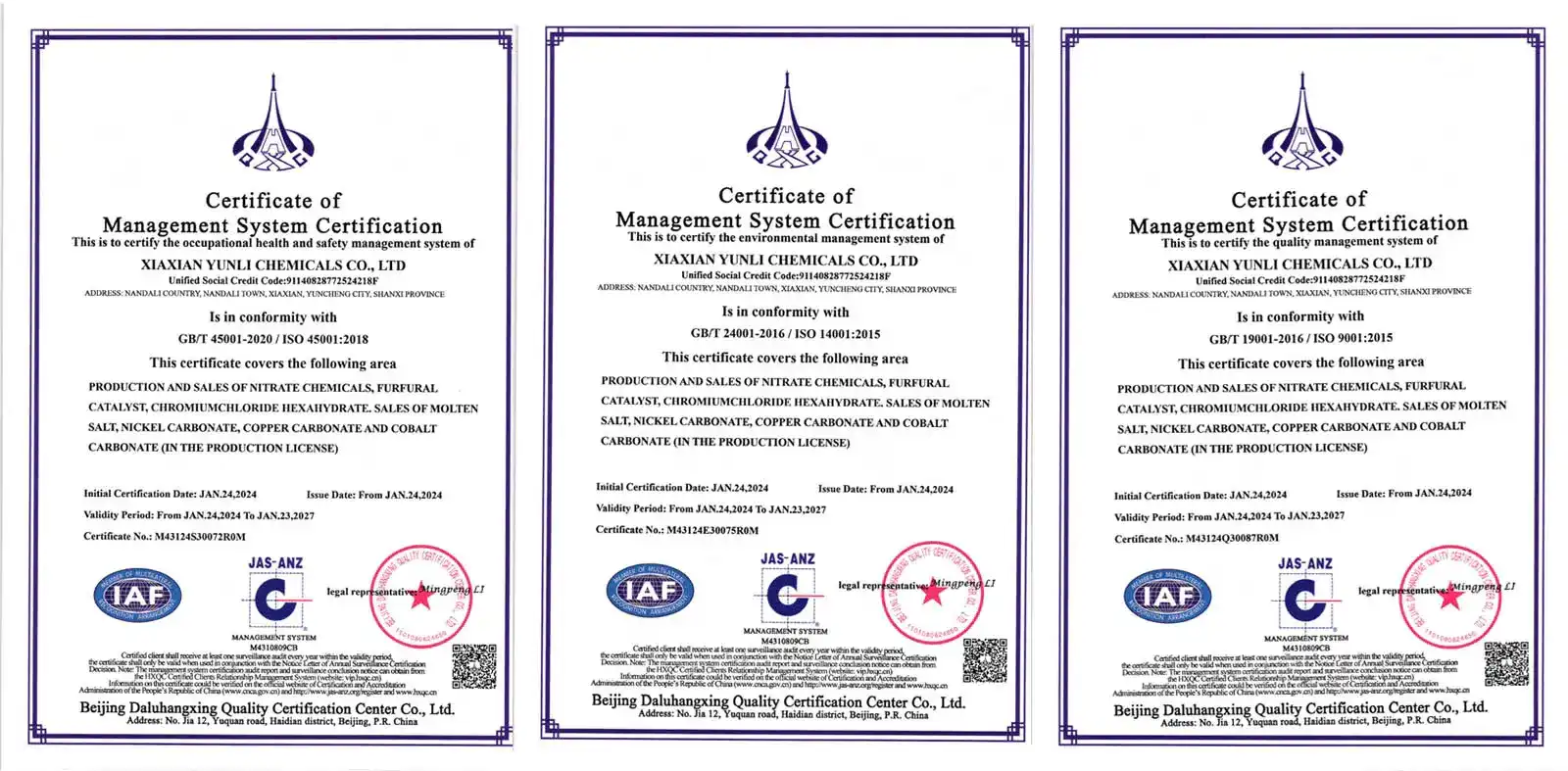
Aside from the SDS, you need to check a number of other important pieces of paperwork to find a trusted Calcium Nitrite manufacturer. Ask for up-to-date Certificate of Analysis (COA) papers that show test results for heavy metals, pH, Calcium Nitrite concentration, and chloride content that are special to each batch. Getting ISO 9001 certification shows that you have quality control methods that make sure consistency from batch to batch.
ISO 14001 approval means that environmental management practices have been followed, which lowers the risk of supply disruptions caused by breaking the law. Manufacturers who run technology centers at the provincial or national level bring R&D skills that let customers customize products and get expert help when they run into problems with their use. When looking at suppliers, make sure they can give you SDS papers that have been updated within the last three years. This is because regulations and danger classifications change all the time.
Packaging, Shipping, and Bulk Considerations
Based on the size of the project, Calcium Nitrite solutions can be shipped in IBC boxes (1000 liters), drums (200–220 liters), or bulk trucks. When it comes to toxic liquids, packaging must meet UN standards (UN3266, Class 8, Packing Group III). Make sure that the companies you work with use packages that are safe for chemicals and have the right DOT markings and shipping papers. Buying in bulk can save you a lot of money. Projects that need more than 10 metric tons of material a year should talk to the factory directly about avoiding dealer markups. However, investing in temperature-controlled storage and dispensing facilities is needed for large storage.
We've found that drum shipping with just-in-time scheduling works best for medium-sized jobs because it balances saving money with making storage more difficult. Reputable makers have flexible minimum order numbers, and some even offer free samples of up to 500 grams to test in the lab before committing to large production runs.
Cost Optimization Without Compromising Safety
The price per kilogram changes a lot depending on the pure grade, the amount of packaging, and the size of the order. Technical-grade 30% solutions cost between 0.80 and 1.20 euros per liter when bought in bulk, while high-purity solid forms (4N grade, 99.99% purity) cost between 8 and 15 euros per kilogram for use in electronics and medicine. Teams in charge of buying things should look at the total cost of ownership instead of just the unit price.
Suppliers who give full expert support, customizable concentrations, and assured delivery times lower project risks by a large amount, which is worth a lot of extra money. We suggest selecting two main sources and one backup to make sure that you always have supplies when there are problems with quality or production. Long-term contracts with yearly volume promises usually get discounts of 10 to 15 percent while ensuring stable prices in case raw material prices change.

Best Practices for Safe Handling and Use of Calcium Nitrite in B2B Settings
Implementing SDS-Based Safety Protocols
A systematic method is needed to turn SDS suggestions into operational processes. Choose someone to be the chemical safety supervisor. This person will be in charge of keeping SDS papers up to date, doing risk assessments, and making sure that processes are updated as formulations change. Set up places with restricted access for storing chemicals and put up warning signs that meet OSHA standards. Set up a permission system for jobs that aren't normally done, like cleaning tanks or maintaining equipment that could expose people.
Latex gloves aren't good enough protection against alkaline solutions, so you should wear nitrile or neoprene gloves instead. You should also wear chemical safety masks with side shields and face shields for transfer operations. People who work with concentrated solutions in small areas or who are responding to a spill need to wear half-face respirators that have been fit-tested and have organic vapor packs.
Training and Competency Development
Safety management that works relies on how skilled the workers are. Before they can handle Calcium Nitrite, new workers should go through hazard communication training that covers how to read SDSs, spot hazards, and handle emergencies. Refresher training once a year keeps people aware and includes lessons learned from past events. To build muscle memory beyond what you learn in school, we suggest doing practical activities like simulated spill reaction and first aid situations.
Technical training from suppliers about product science, best practices for application, and how to fix common problems is helpful for supervisors and buying managers. Some makers run training centers with hands-on workshops. As value-added services, these tools should be listed in procurement contracts as being available to all parties. Training records that are written down show that you are following the rules during OSHA checks and lower your liability risk after accidents at work.
Real-World Integration and Continuous Improvement
A transportation department in the Midwest used Calcium Nitrite in all of its bridge repair projects after an SDS review showed that it would work with the current safety infrastructure. The agency cut administrative costs by 30% and improved safety compliance test scores by putting all of its purchases through a single qualified manufacturer that provided standard SDS paperwork, COA certificates, and technical support 24 hours a day, seven days a week.
Because the maker was ready to provide custom 20% concentration solutions, there was no need to dilute the chemicals on-site, which cut down on exposure in a big way. This case shows how operational success can come from smart supplier partnerships that are based on thorough SDS evaluation. When you compare incident rates, near-miss reports, and audit results on a regular basis to SDS predictions, you can find gaps between written procedures and real practices. This helps chemical management programs keep getting better.

Conclusion
Safety data sheets for Calcium Nitrite from well-known makers make it possible to buy and use the chemical safely in difficult industrial settings. Understanding the specific information in SDS documents, such as how to handle and classify hazards and what to do in an emergency, helps procurement managers and technical teams choose the right suppliers for the job while also protecting worker safety and project results. It's easy to see why Calcium Nitrite is better than other rust inhibitors when you look at both its technical performance and full safety profile.
For implementation to go well, SDS advice needs to be carefully built into practical procedures, training programs for workers, and processes for approving suppliers. As the need for infrastructure to last longer grows and governmental oversight grows, procurement pros who know how to read SDS and use manufacturer knowledge will provide better value by lowering risk, improving compliance, and lowering the total cost of ownership.
FAQ
Q1: What are the most important safety rules to follow when working with calcium nitrite solutions?
A: When working with Calcium Nitrite solutions, you should always wear chemical safety masks and gloves made of rubber. Make sure that places where mixing and applying are well ventilated so that people don't breathe in mist. Keep containers in places that keep the temperature between 5°C and 30°C stable, away from acids and things that can catch fire. Set up emergency showers and eyewash stations within 10 seconds of where people are handling things.
Q2: How can I be sure that an SDS paper is real and complete?
A: According to OSHA HCS rules, real SDS papers have 16 standard parts. These include identifying the product, classifying the danger, giving information about the composition, first aid steps, and regulatory information. Make sure that the document has been updated within the last three years and that it fits the grade of product that is being bought. Check the name of the maker and their contact details against databases of business registrations. Ask for batch-specific COA papers that include the version number of the SDS.
Q3: Is calcium nitrite better for the earth than other chemicals that stop corrosion?
A: Calcium Nitrite has a mild effect on the environment and needs to be handled carefully, but it has many benefits over other options. It doesn't add toxic chlorides to groundwater systems like calcium chloride does. Calcium Nitrite is less harmful to marine life and less likely to build up in organisms than sodium nitrite. The chemical breaks down naturally in soil and water systems through a process called denitrification. Manufacturers who use ISO 14001 environmental management systems give clear information about their effects, which helps buyers make smart choices about sustainability when they buy things.
Partner with Yunli Chemical for Reliable Calcium Nitrite Supply and Safety Excellence
Finding a reliable Calcium Nitrite provider requires more than just a low price. You also need a manufacturing partner who can provide full safety documentation, technical support, and operating dependability. Yunli Chemical has been making specialized products for more than 20 years, makes more than 1 billion yuan a year, and has certifications like ISO 9001, ISO 14001, and OHSAS standards that show our dedication to quality and safety. As a well-known Shanxi Provincial Enterprise Technology Center, we keep up-to-date analysis tools like ICP-MS and atomic absorption spectrometry, making sure that every batch meets strict quality standards with a chloride content of less than 0.05%.
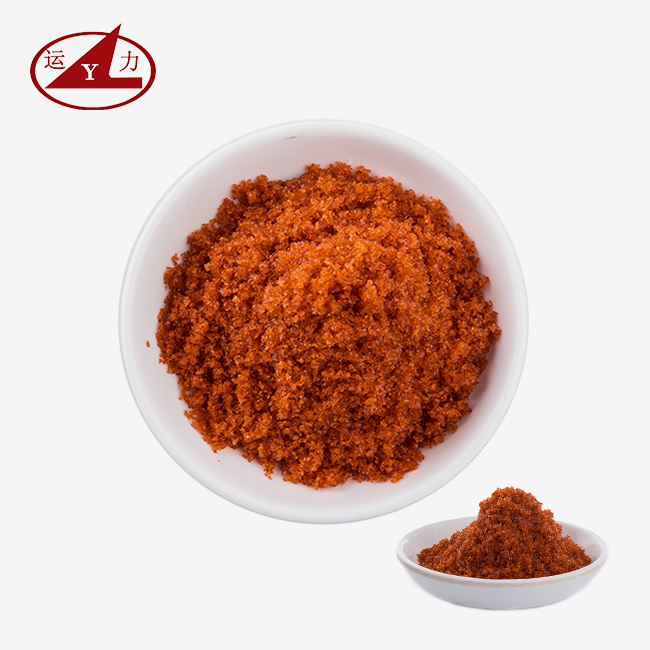
Our factory-direct model gets rid of the middleman's markup and gives you straight access to our coal-chemical engineering team for technical help. We offer Calcium Nitrite liquids with concentrations ranging from 20% to 40%. For more demanding uses, we also have high-purity crystalline grades that meet 4N standards. We make it easier for you to buy things while still following all the rules. We offer a range of flexible packing options, don't have a minimum order quantity, offer free samples up to 500 grams, and include full SDS/COA paperwork with every shipment.
Our self-operated export skills and experienced team are ready to help you succeed, whether you need large amounts for building projects or specific formulations for making electronics. You can email our procurement specialists at wangjuan202301@outlook.com to get up-to-date SDS documents, talk about your specific application needs, and find out how working with a trusted Calcium Nitrite manufacturer can lower supply chain risk and improve project outcomes.

References
1. American Concrete Institute Committee 222. (2019). Protection of Metals in Concrete Against Corrosion (ACI 222R-19). Farmington Hills, MI: American Concrete Institute.
2. ASTM International. (2021). ASTM C1582-21: Standard Specification for Calcium Nitrite Corrosion Inhibitor Solution in Water. West Conshohocken, PA: ASTM International.
3. Occupational Safety and Health Administration. (2020). Hazard Communication Standard: Safety Data Sheets (OSHA Brief). Washington, DC: U.S. Department of Labor.
4. National Institute for Occupational Safety and Health. (2018). NIOSH Pocket Guide to Chemical Hazards: Calcium Nitrite. Cincinnati, OH: NIOSH Publications.
5. Portland Cement Association. (2017). Admixtures for Concrete: Types, Properties, and Applications. Skokie, IL: Portland Cement Association.
6. European Chemicals Agency. (2022). Guidance on the Compilation of Safety Data Sheets (Version 4.1). Helsinki, Finland: ECHA Publications.