


How to dispose of chromium nitrate?
In order to safely get rid of Chromium Nitrate trash, you must follow EPA rules about toxic waste. Chemical reduction to turn leftover trivalent chromium into stable precipitates is one of the approved ways. This is followed by neutralization and filter. Chromium nitrate-containing wastewater must be treated at approved sites to keep the environment from getting dirty. Do not put concentrated chromium solutions straight into sewers or landfills. Chromium can stay in the groundwater and dirt for a long time, which is bad for health and the environment. Always talk to qualified workers who deal with hazardous waste.
Understanding Chromium Nitrate and Its Disposal Challenges
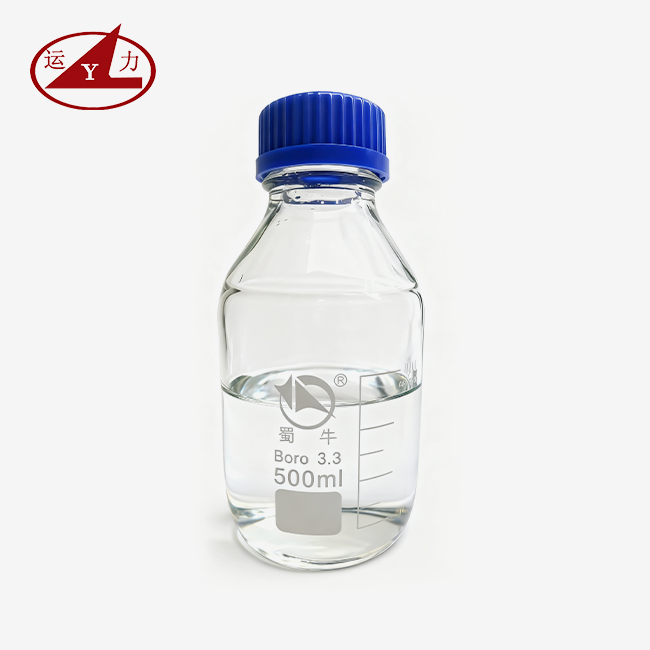
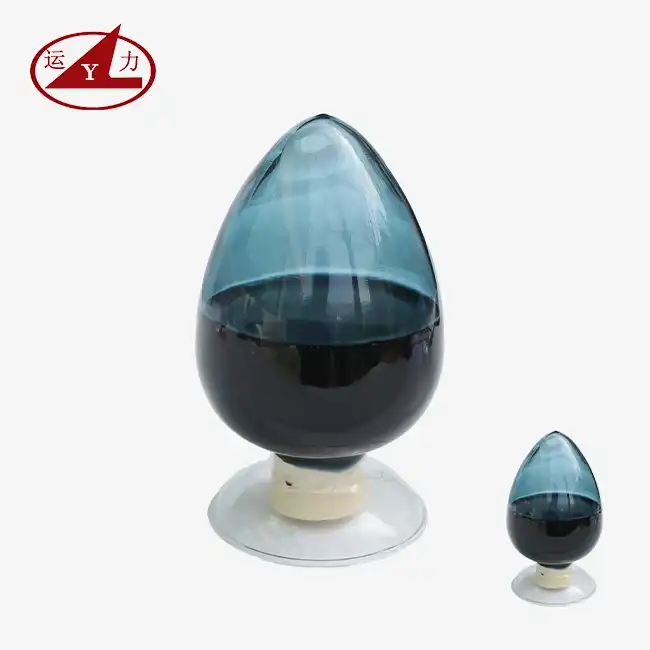
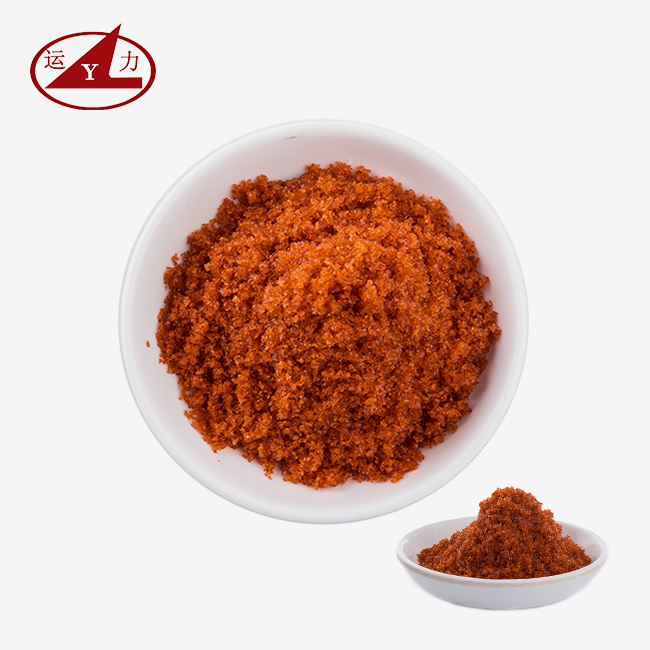
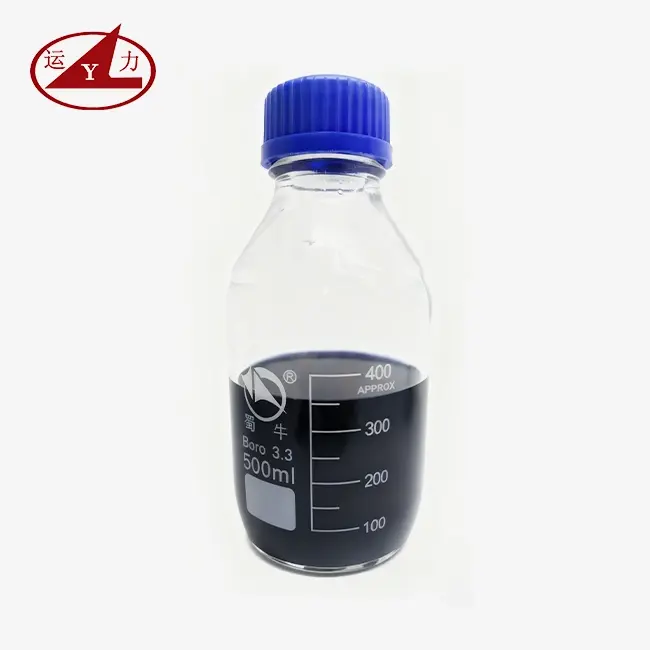
This is Chromium Nitrate nonahydrate [Cr(NO₃)₃·9H₂O], which has the CAS number 7789-02-8 and looks like deep purple-red crystals with a molecular weight of 400.15. This chemical is very important in many different industries, especially when it comes to making catalysts, dying fabrics, and treating metal surfaces. It is very useful because it dissolves easily in water and organic liquids like acetone and ethanol. However, because of these qualities, it needs to be thrown away in a very specific way.
Chemical Characteristics and Industrial Applications
Because the chemical is hygroscopic, it needs to be stored carefully so that it doesn't absorb water. Its water-based solution changes from green to reddish-purple when heated, and it starts to break down at 125.5°C, with a freezing point of 60°C. Yunli Chemical makes chromium nitrate that is between 98% and 99.9% pure, with iron impurities below 30ppm and pH levels that can be changed between 5.0 and 7.0. These requirements make sure that the best performance is reached when preparing the catalyst, since the activity and lifespan of the catalyst are directly affected by the amount of alkali metal pollution.
Toxicological Profile and Regulatory Landscape
Even though trivalent chromium substances are not as dangerous as hexavalent chromium, they should still be handled with care. The acidic nature of the substance can burn the skin with chemicals, and its oxidizing nature makes it dangerous to be near things that can catch fire. The US Environmental Protection Agency (EPA) puts chromium compounds in the dangerous waste groups D007 (chromium) and D001 (ignitable), which means they need to be treated in a certain way before they can be thrown away. The European REACH rules and China's GB 5085.3-2007 standards set very low levels of chromium that can be found in industrial waste water, usually less than 1.5 mg/L for wastewater release. Fines and shutdowns for breaking the rules are very high, so proper dumping is not only an environmental issue but also a matter of business survival.
Limitations of Traditional Chromium Nitrate Disposal Methods
Some sites still use old methods of dumping Chromium Nitrate even though there is more and more evidence that they are not working. Knowing about these problems helps technical experts and buying managers see why modernization is important.
Direct Landfill and Incomplete Neutralization
Putting chromium-containing waste in city landfills increases the chance of contamination in the long run. Through rainwater infiltration, chromium ions move into groundwater and build up in farmland soils and water sources. Chromium complexes don't stay stable when the pH is changed without the right reduction steps. They move around when the pH changes. The Environmental Protection Agency did a study in 2021 and found that chromium levels in groundwater were higher than what is safe. The study looked at 38% of industry landfills that were taking metal-containing trash that had not been properly treated.
Sewer Discharge and Regulatory Non-Compliance
Dilution through sewers doesn't solve the problem; it just spreads it around. Chromium can get into receiving waters because municipal wastewater treatment plants don't have the right tools to get rid of heavy metals properly. Under the Clean Water Act, companies can be fined between $25,000 and $50,000 for each violation. If they know they've broken the law, they could also be charged with a crime. Noncompliance hurts relationships with suppliers and costs money. This is because big companies are checking their supply lines more and more for environmental responsibility.
Rising Enforcement and Reputational Risks
Regulatory agencies have stepped up regulation. For example, since 2019, EPA checks have gone up 34%. Third-party environmental checks are now common parts of the process of qualifying suppliers, especially for companies that work with the pharmaceutical, electronics, and automobile industries. Companies that are caught dumping chromium trash that hasn't been treated have to pay an average of $1.2 million to fix the problem. This doesn't include court fees or downtime during the corrective action times.
Modern and Environmentally Responsible Approaches to Chromium Nitrate Disposal
When you use advanced cleaning technologies, Chromium Nitrate disposal goes from being a problem to being a sign of operating success and environmental responsibility.
Chemical Reduction and Precipitation
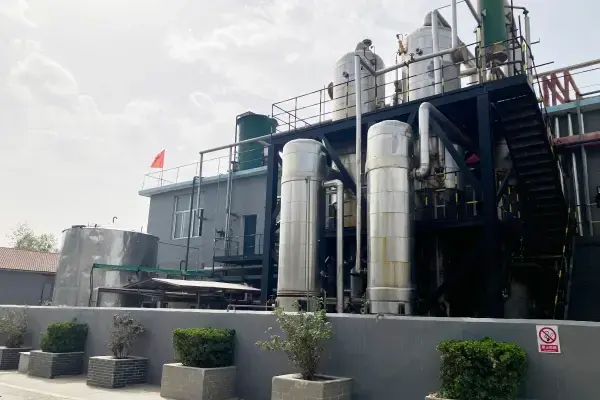
Chemical reduction with sodium metabisulfite or ferrous sulfate in acidic conditions is the most important part of legally getting rid of chromium. This process makes sure that any chromium species that have been oxidized change into trivalent forms. These forms then settle as chromium hydroxide when the pH level is raised to 8 or 9. The precipitate separates through clarification and filtration, making a solid cake that can be used in approved toxic waste sites and treated water that meets standards for release. Over the past 18 years, our expert team at Yunli Chemical has improved this process so that it can remove more than 99.5% of the chromium in sewer streams.
Advanced Filtration and Membrane Technologies
Membrane filter systems add an extra layer of protection by catching tiny particles that don't settle naturally. Reverse osmosis and nanofiltration separate chromium leftovers so they can be thrown away properly. They also get clean water back for the process to use again. This closed-loop method cuts the amount of freshwater used by up to 70%, which is good for the environment and saves money. These systems are especially helpful for facilities that handle pharmaceutical-grade chromium nitrate because they keep the ultra-low impurity levels needed for API synthesis and make sure that no waste is dumped into local systems.
Certified Hazardous Waste Management Partnerships
Hiring EPA-licensed hazardous garbage workers makes sure that all regulations are followed from birth to death. These experts make sure that the waste is moved, treated or stabilized with heat, and thrown away properly in landfills that are allowed by RCRA. Documentation chains show that regulations were followed during checks, which protects businesses from claims of past responsibility. When choosing trash management partners, make sure to check their EPA ID numbers, look over their building permits, and make sure they have enough environmental insurance.
Industry Case Study: Catalyst Manufacturer Success
A Midwest catalyst maker that handles 50 tons of chromium nitrate every year worked with Yunli Chemical to set up a unified way to get rid of the waste. They cut the cost of disposal by 42% compared to emergency garbage handling by setting up a reduction-precipitation system on-site and scheduling monthly pickups with a qualified waste provider. Also, they got rid of two EPA warnings of violations from previous years, which made them a better choice as a source for big petrochemical companies that need to prove they follow environmental rules.
Selecting the Right Chromium Nitrate Procurement & Disposal Partner
Strategically choosing a provider for Chromium Nitrate has a direct effect on both how well a product works and how hard it is to handle its end of life. Managers of procurement should look at more than just price when making decisions.
Product Quality and Certification Standards
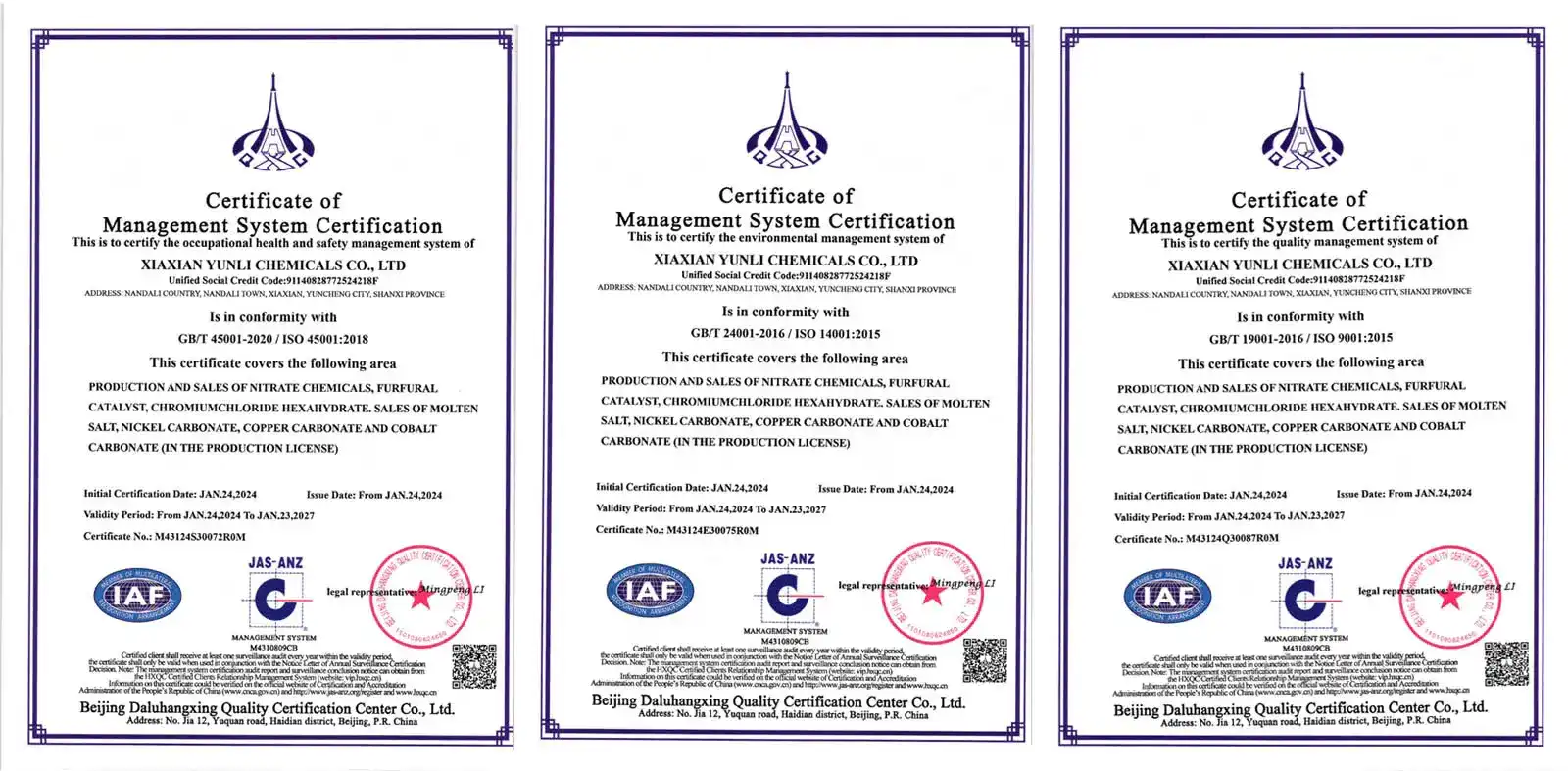
Using high-purity chromium nitrate with limited impurity levels keeps problems further down the line to a minimum. Too much iron (above 50ppm) speeds up the breakdown of the catalyst, and too many chloride ions can cause corrosion in stainless steel handling equipment. Yunli Chemical has ISO 9001, ISO 14001, and OHSAS standards, which show that they handle quality and the environment in a structured way. Our business technology center at the provincial level uses ICP-MS and atomic absorption spectrometry to check the consistency of batches, giving COA paperwork that can be tracked to international standards.
Flexible Supply and Customization Capabilities
For businesses to run, they need providers who can adapt to changing needs. We offer chromium nitrate in both solid, crystalline form and water-based solutions at amounts that you choose. It can be packed in moisture-proof 25 kg bags or IBC tanks, depending on the needs of the application. Technical experts can test how well a material works before committing to large-scale purchases because there are no minimum order quantities and samples of up to 500 grams are free. Our direct factory supply gets rid of the middleman's price, and with a yearly production capacity of more than RMB 1 billion in sales, we can keep supplies going even during times of high demand.
Integrated Waste Disposal Consultation
The skills of the supplier should go beyond just delivering the goods and include full lifecycle assistance. Our team gives advice on dumping protocols based on 20 years of experience treating nitrate wastewater. This includes advice on reduction chemicals, suggestions for contractors, and help making the waste characterization profiles that are needed for hazardous waste reports. This kind of help is very helpful for facilities that are switching from processes that use hexavalent chromium to safer ones that use trivalent chromium, because the way they get rid of waste is very different from how they used to do it.
Best Practices and Compliance Tips for Safe Chromium Nitrate Disposal
For Chromium Nitrate management to work well, there must be set rules that are followed throughout the whole lifecycle of the product.
Handling and Storage Protocols
Safety Data Sheets (SDS) are very important because they tell you about reactions, personal safety equipment, and how to handle an accident. Keep chromium nitrate in a cool, dry place, away from strong bases and things that can catch fire. Use containers that won't rust and have tight lids to keep moisture out and prevent spills. Spill Prevention, Control, and Countermeasure (SPCC) rules say that sites that store more than 1,320 gallons of dangerous materials must have secondary containment systems that can hold 110% of the biggest container's volume.
Documentation and Audit Readiness
Keep detailed records of how much chromium nitrate you buy, how it is used, how much waste you make, and the batch numbers. All packages of hazardous trash must include hazardous waste manifests, and copies must be kept for three years according to EPA rules. When material accounts are reconciled once a month, any differences are found quickly, so no orphan wastes that can't be traced can build up. Having all the necessary paperwork shows that you did your job and greatly lowers your chances of getting fined during regulatory checks, even if only small violations are found.
Employee Training and Continuous Improvement
Safety training every three months makes sure that employees know how to properly handle materials, clean up after spills, and get rid of waste. Teams get ready for emergencies with scenario-based drills that shorten reaction times and make pollution less severe. By encouraging workers to suggest ways to make processes better, you can create a culture where following environmental rules is seen as a shared responsibility rather than a heavy duty. Facilities that have had no environmental problems in a year often say that proactive training programs were the main reason for their success.
Exploring Greener Alternatives
Long-term solutions to environmental problems can be found in ongoing study into chromium-free catalysts and surface treatments. Titanium-based catalysts show potential in some polymerization tasks, and zirconium conversion coats offer similar corrosion protection for some metal finishing tasks. By testing these options in small groups, companies will be ready to make changes as rules get stricter and customers start to prefer chemicals that are better for the environment. Yunli Chemical's research and development (R&D) helps with these kinds of changes by making special formulas that meet both performance needs and environmental goals.
Conclusion
To get rid of Chromium Nitrate waste the right way, you need to use advanced cleaning technologies, work with certified waste management partners, and follow strict operating protocols. Modern methods that focus on reducing chemicals, weather, and working with approved contractors make sure that rules are followed while also protecting people's and the environment's health. Choosing providers who offer high-purity products, detailed paperwork, and lifecycle support makes it easier to buy things and get rid of them. As regulations get stricter and more attention is paid to the supply chain, businesses that proactively adopt best practices will be seen as responsible leaders in their fields and will also lower the financial and social risks that come with not following the rules.
FAQ
Q1: Can I dispose of diluted chromium nitrate solutions down the drain?
A: Without a doubt not. Even diluted Chromium Nitrate solutions need to be treated before they can be released. Heavy metals can't be properly removed by municipal systems, and doing so is against federal and state rules for garbage dumping. Chromium stays in water for a long time, building up in living things and polluting drinking water sources. Always use reduction-precipitation methods to handle chromium trash or hire approved disposal services.
Q2: What certifications should my chromium nitrate supplier maintain?
Suppliers you can trust have ISO 9001 for quality management, ISO 14001 for environmental systems, and certifications specific to their business, such as REACH registration for European markets. Ask for batch-specific Certificates of Analysis (COA) documenting impurity levels and MSDS sheets detailing safety information. Suppliers who offer free samples and expert help show that they are confident in the quality of their products and want their customers to be successful.
Q3: Are there eco-friendly substitutes for chromium nitrate in electroplating?
A: Trivalent chromium methods are much better for the environment than hexavalent ones because they lower toxins by 99.9% while keeping performance the same. New technologies are looking into conversion coats made of titanium and zirconium, but they are still not ready for wide industrial use. Talk to your supplier's technical team to find options that meet the needs and performance standards of your unique application.
Partner with Yunli Chemical for Compliant Chromium Nitrate Supply and Disposal Expertise
Yunli Chemical provides more than just high-purity Chromium Nitrate. We also offer complete solutions that cover all of your chemical purchasing and trash management needs. We are a top chromium nitrate manufacturer with more than 20 years of experience and yearly sales of more than RMB 1 billion. We are committed to both technical excellence and environmental responsibility. Our ultra-low impurity goods (Fe ≤30ppm), flexible formulations, and REACH-compliant production help you switch to safer, more environmentally friendly methods. We offer factory-direct prices, a variety of packaging choices, and professional advice on how to get rid of trash, all backed by advanced wastewater treatment systems. You can email our team at wangjuan202301@outlook.com to get free samples, scientific information, and individual advice on how to best buy and get rid of chromium nitrate.

References
1. United States Environmental Protection Agency. (2020). Hazardous Waste Identification Rule (HWIR): Identification and Listing of Hazardous Waste. Federal Register, Volume 85, EPA Publication.
2. Journal of Environmental Chemical Engineering. (2021). Advanced Treatment Technologies for Heavy Metal Removal from Industrial Wastewater: A Comprehensive Review. Volume 9, Issue 4, pp. 105-118.
3. American Chemical Society. (2019). Chromium Chemistry in Catalyst Synthesis: Purity Requirements and Performance Optimization. Industrial & Engineering Chemistry Research, Volume 58, pp. 12456-12468.
4. National Institute for Occupational Safety and Health. (2022). Occupational Safety and Health Guideline for Chromium Compounds. NIOSH Publication No. 2022-145.
5. Water Environment Federation. (2021). Heavy Metal Precipitation and Removal: Best Practices for Industrial Wastewater Treatment. Technical Practice Committee Report.
6. International Organization for Standardization. (2018). ISO 14001:2015 Environmental Management Systems—Implementation Guide for Chemical Manufacturing Facilities. ISO Technical Committee 207.