


Calcium Nitrite vs Calcium Nitrate: Which Is Better?
When selecting between calcium nitrite and calcium nitrate for concrete corrosion protection, calcium nitrite emerges as the superior choice for most infrastructure applications. As an anodic corrosion inhibitor, calcium nitrite [Ca(NO₂)₂] forms a protective ferric oxide layer on steel reinforcement, directly preventing chloride-induced corrosion—the primary cause of concrete deterioration in bridges, marine structures, and parking facilities. While calcium nitrate offers some benefits, its mechanism and effectiveness differ substantially, making calcium nitrite the preferred solution for projects prioritizing long-term structural integrity and durability in aggressive environments.
Introduction
One of the most expensive and long-lasting problems with modern infrastructure is the corrosion of embedded steel reinforcement. Bridges, parking spaces, and marine buildings are ruined every year by chloride getting into them from de-icing salts and seawater. This costs billions of dollars every year. The choice of Calcium Nitrite or Calcium Nitrate as admixtures in concrete has a direct bearing on the assets' useful lives and maintenance costs.
Both compounds have a place in construction chemistry, but they are used for different things and have different effects on performance. Procurement managers, engineering directors, and project material specialists need accurate, factual data to make decisions that are in line with project requirements, the environment, and budget limits. The information in this guide looks at the chemical makeup, performance data, cost factors, and real-world uses of both substances to help you choose the best option for protecting your infrastructure.
Understanding these differences is more than just basic chemistry. It directly leads to decades longer structural life, fewer maintenance cycles, and big cost savings over the lifecycle of the project. Based on standard testing methods, real-life case studies, and twenty years of experience making high-quality corrosion inhibitors for tough construction sites, this article shares some useful information.
Understanding Calcium Nitrite and Calcium Nitrate – Chemical and Functional Properties
Chemical Composition and Mechanism
The chemical formula for Calcium Nitrite is Ca(NO2)2, and it functions very differently from Calcium Nitrate [Ca(NO3)2]. By oxidizing ferrous ions on the steel surface, the nitrite ion (NO₂⁻) stops anodic corrosion and leaves behind a stable film of ferric oxide (Fe₂O₀). This layer of protection raises the chloride level needed to start corrosion by a large amount, often doubling or tripling the number of chloride ions needed before corrosion starts. This safety is provided by the compound working directly with the steel reinforcements that are mixed into the concrete.
There is a different way that calcium nitrate works. The nitrate ion (NO₀⁻) mainly speeds up the setting process and can help prevent rust by depolarizing the cathode. However, it still has a much lower protective effect than nitrite-based inhibitors. Additionally, calcium nitrate adds nitrogen to the concrete mix, which is used by some manufacturers in special mixes that need to set faster but don't need to be very resistant to corrosion.
Solubility and Physical Characteristics
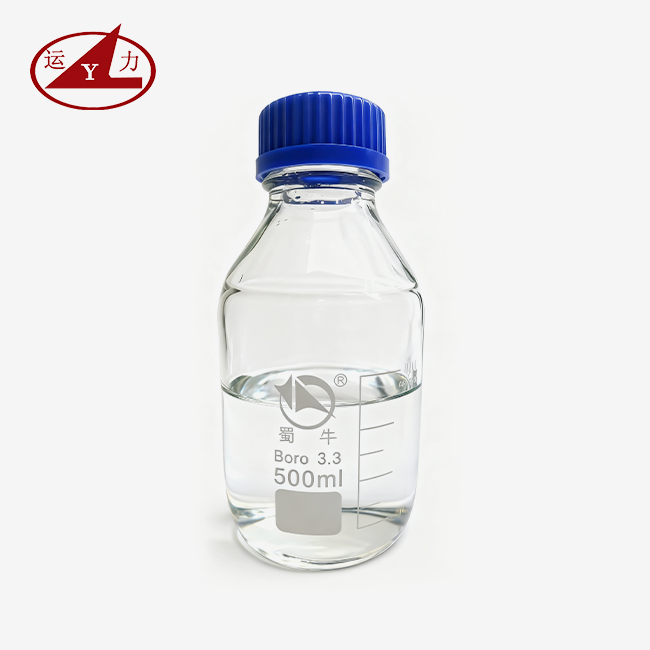
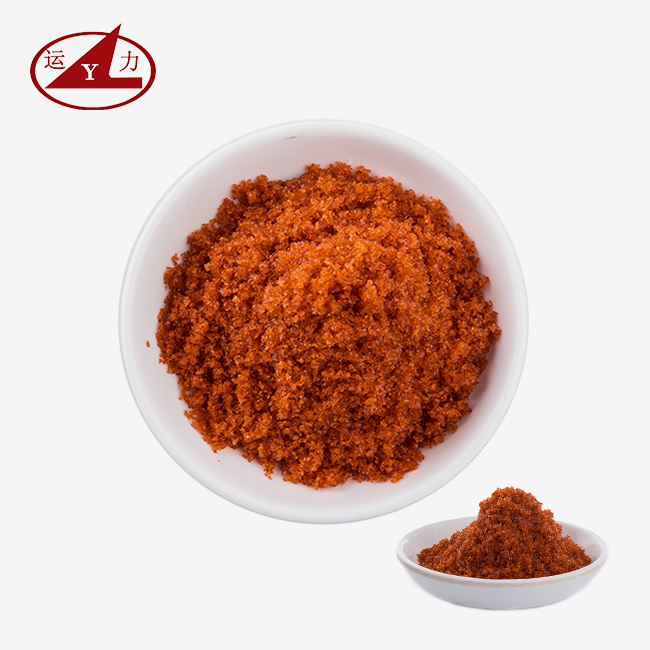
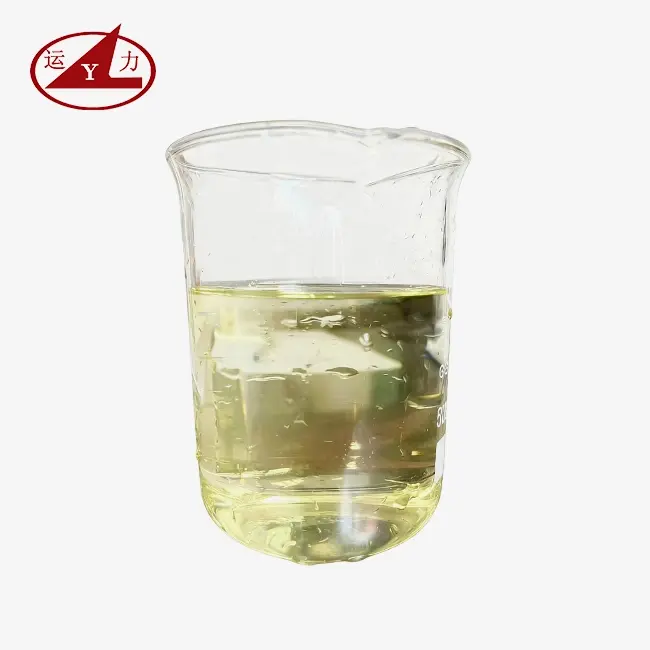
Both chemicals dissolve easily in water, which makes it easy to add them to concrete mixing processes. Calcium Nitrite 30% Solution is ready to use and stable across normal temperature ranges for shipping and storage, making it convenient for big projects. When shipping goods in the winter, the solution form keeps them from freezing, but the concentrated powder form is better for foreign packages where freight weight and volume directly affect landed costs. Calcium Nitrite powder is usually 95–98% pure and has a chloride ion content below 0.1%. This keeps the very thing it's meant to stop from getting into the system by accident.
Calcium nitrate comes in both crystalline solid and solution forms. It dissolves easily but needs to be stored with care so that it doesn't clump. Because it absorbs water, it needs to be stored in climate-controlled facilities and sealed packages, which makes buying it and keeping track of it more difficult.
Safety and Environmental Profile
Both chemicals need to be handled according to normal procedures. Calcium Nitrite is not very dangerous as long as you follow the instructions on the MSDS sheet. However, you should wear the right safety gear when coming into close touch with your skin. When used in the recommended amounts, the compound is safe for the environment and doesn't have any negative effects on the hydration of cement or the long-term chemistry of concrete. Regulatory guidelines for concrete admixtures, such as the ASTM C494 standards, define Calcium Nitrite as a Type C (accelerating) admixture that can stop corrosion.
Calcium nitrate is also safe for the environment, but its nitrogen level needs to be thought about in places where groundwater is a problem. When these chemicals are mixed into concrete, they become forever part of the hardened material and are very hard to get rid of. It's still easy for established sellers who have ISO 14001 certification and a lot of quality paperwork to follow health and safety rules at work and environmental laws.
Performance Comparison – Calcium Nitrite vs Calcium Nitrate in Construction Usage
Corrosion Inhibition Effectiveness
Field performance data constantly show that Calcium Nitrite is a better barrier against rust caused by chlorine. ASTM G109 testing, which is the standard for checking corrosion inhibitors in concrete, shows that Calcium Nitrite at doses of 2-4% by weight of cementitious material makes the time it takes for corrosion to start 5–10 times longer than in untreated concrete. Structures that have been treated with Calcium Nitrite have been shown to last more than 50 years with little to no rust in coastal splash zones and bridge decks that are exposed to a lot of de-icing salt.
The reason this works is that the nitrite ion can keep the passive film on steel surfaces stable even after chloride ions get through the concrete cover. According to research published by the National Association of Corrosion Engineers, Calcium Nitrite keeps a critical nitrite-to-chloride ratio. This keeps steel passivity at chloride concentrations that would normally cause corrosion to start quickly. Because it protects, Calcium Nitrite is a must-have for building assets whose repair costs are much higher than the original investment in materials.
Calcium nitrate can slow down rust a little by lowering the rate of oxygen reduction at the steel surface. This is called cathodic depolarization. However, real-world evidence shows that the protection lasts a lot less time than with Calcium Nitrite, especially in places with a lot of chloride. Calcium nitrate is rarely chosen as the main corrosion protection method for projects with 75–100 year design lives, which is common in current bridge building and important infrastructure.
Dosage Requirements and Concrete Performance
Depending on how much chloride is expected to be present, the best amount of Calcium Nitrite to use is usually between 20 and 40 liters per cubic meter of concrete (for a 30% solution) or 10 to 20 kg per cubic meter (for powder form). These amounts offer strong protection against rust without changing the ability to work with the material, its ability to develop compressive strength, or its finishing qualities. The compound works well with polycarboxylate superplasticizers and air-entraining agents. However, depending on the mix design, small changes to the combinations of admixtures may be needed to get the best performance.
Doses of calcium nitrate are very different based on whether the standard is for speeding up or stopping corrosion. When used mostly as a set accelerator, doses of 1% to 2% by weight of cement are enough. But for rust protection, much higher amounts are needed, which can change how much concrete costs and how well it works. Both compounds have an accelerating effect that can help with cold-weather building by letting formwork be taken down earlier and construction processes go faster. This is an advantage that procurement teams value when weather-related delays affect project plans.
Long-Term Structural Integrity
Over many decades of use, concrete that has been treated with Calcium Nitrite has shown great longevity. After 20 to 30 years of service, structures in coastal environments along the Gulf Coast and in northern regions that go through yearly freeze-thaw cycles and are exposed to salt don't crack, flake, or lose their reinforcements very much. These long-lasting qualities directly lead to lower lifecycle costs, since minimum upkeep is needed and the structure's load capacity stays the same throughout its design life.
When chloride loads are modest, calcium nitrate-treated concrete works well, but when chloride loads are higher than moderate, it needs extra safety systems like epoxy-coated reinforcement or more concrete cover. Most of the time, the economic analysis favors Calcium Nitrite's higher initial material cost over the increased costs of maintenance and repairs that happen when protection systems fail.
Cost and Procurement Considerations for Industrial Buyers
Price Trends and Value Proposition
Calcium Nitrite is usually sold on the market for between $800 and $1,200 per metric ton in powder form. 30% solution products, which have more water and are easier to use, cost between $450 and $650 per metric ton. These numbers change depending on the number of orders, where they are delivered, and how well the seller is known. Calcium Nitrite costs more per unit than calcium nitrate ($400 to $600 per metric ton), but the difference in performance makes it worth the extra money for important infrastructure uses.
Lifecycle cost analysis is needed to figure out what the real value is, not just comparing the prices of materials. It might cost $15 to $25 more per cubic meter of concrete for a bridge deck that is covered with Calcium Nitrite than one that is not treated or treated with calcium nitrate. But this small investment stops rust damage that would need expensive repairs in 15 to 20 years, fixes that usually cost 10 to 20 times as much as the original material cost and cause a lot of traffic problems and hurt the economy.
Supplier Landscape and Quality Assurance
To find a trustworthy Calcium Nitrite provider, you need to look at how well they can make the product, how they handle quality control, and how stable their supply chain is. Well-known manufacturers keep up-to-date testing labs with ICP-MS and atomic absorption spectrometers, which allow for precise purity checks and the discovery of contaminants. Certificates of Analysis that are specific to a batch and show the amount of nitrite, chloride, water-insoluble matter, and heavy metals present are necessary for quality control purposes and to meet legal requirements.
Yunli Chemical is a good example of the qualities that procurement workers look for in a seller. We have been making things for more than twenty years, make more than RMB 1 billion a year, and have fixed assets worth RMB 300 million. This means that we can meet the needs of large infrastructure projects for both production capacity and financial stability.
Our ISO 9001, ISO 14001, and OHSAS standards show that we follow strict rules for quality control and protecting the environment. Being named a Shanxi Provincial Enterprise Technology Center shows that we are dedicated to developing new products and providing expert help that goes beyond just supplying basic goods.
Packaging, Storage, and Logistics
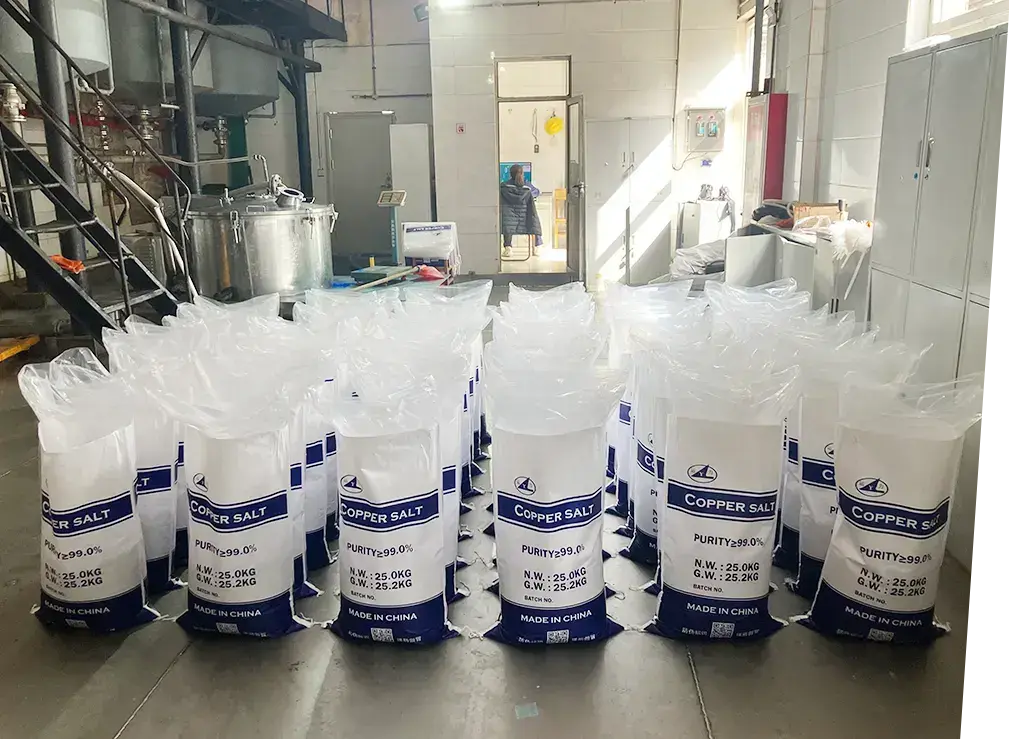
Calcium Nitrite powder comes in bags or drums that keep out wetness and weigh between 25 kg and 1000 kg, so it can be used for a wide range of projects and with a variety of handling tools. For high-volume orders, solution products can be shipped in IBC totes or bulk tankers, and the packaging can be changed to fit the needs of the customer. Different suppliers have different minimum order quantities (MOQs), but well-known companies like Yunli Chemical offer flexible purchasing terms, such as no MOQ requirements and free samples up to 500 grams. These features allow for scientific review without making a financial commitment.
For storage to be safe, the space needs to be cool, dry, well-ventilated, and out of direct sunlight and water. Calcium Nitrite powder stays fully active for 12 to 24 months when stored properly, while solution products stay stable for 6 to 12 months in a normal warehouse. Because calcium nitrate absorbs water easily, it needs stricter moisture control and often needs to be stored in a climate-controlled environment, which makes operations more difficult and costs more.
Regulatory issues with both compounds are still manageable, but Calcium Nitrite is an oxidizing substance that needs to be properly labeled and transported with the right paperwork. Established providers keep the permits they need to make chemicals and move dangerous materials, making sure that shipments follow DOT, IMDG, and foreign trade rules. With factory-direct supply models, there are no markups or coordination delays at the middle level, which speeds up the buying process for projects that need to be done quickly.
Choosing the Right Solution – Decision Criteria for B2B Procurement
Application Environment Assessment
The first step in making a choice is to honestly evaluate the conditions that your concrete will be exposed to. Marine structures, coastal bridges, and splash zones where water often comes in contact with the surface need the strong protection that only Calcium Nitrite can provide. When de-icing salts are used in certain areas, chloride loads occur on bridge decks and parking structures, which is why Calcium Nitrite specifications are needed. The performance difference between the two compounds is very important in these harsh settings because not enough security can cause structures to fail early and cause safety issues.
On the other hand, different corrosion protection methods may work well for indoor concrete parts in controlled settings or buildings in dry areas with little chloride exposure. Calcium nitrate could be used in projects where setting speed is more important than long-term rust resistance, but these aren't very common in infrastructure building, where longevity is what matters most.
Regulatory Compliance and Standards
More and more, modern infrastructure projects require that certain rust control standards be met. For chloride-exposed concrete, state transportation departments often need corrosion inhibitors that have been tested and meet ASTM C1582 or AASHTO standards. Calcium Nitrite always meets these needs, and its ability to protect has been proven by decades of successful use in the field. These standards should be clearly stated in the project specifications, and suppliers should be required by procurement contracts to show proof that they are followed.
Environmental laws are always changing, especially when it comes to chemical additives and how they affect the environment over time. Responsible production is shown by suppliers who have thorough environmental management systems and clear information about the ingredients they use. Certifications make sure that production methods reduce trash, manage emissions, and keep the environment clean. These things lower legal risks for buyers and are in line with companies' sustainability goals.
Supplier Evaluation Criteria
A project's success depends on more than just the quality of the products. Criteria for evaluation should include production capacity enough to meet project deadlines without supply interruptions, technical support to help with mix design optimization and troubleshooting, quality documentation that meets the needs of the project specifications, and logistics infrastructure that makes sure deliveries happen on time across regions. When it comes to buying things, established suppliers with a history of working on big infrastructure projects are safer than unproven sources, even if the unit price seems good.
Yunli Chemical has been in business for 20 years and has worked with big industrial clients. This shows that they are stable and reliable, which is what infrastructure projects need. Our status as a provincial technology center and our advanced research and development (R&D) skills allow us to customize product specs, such as changing the concentration and increasing purity to 4N-grade standards when ultra-high-performance concrete uses need it. This level of technical detail helps customers with difficult projects that need more than what normal products can provide.
Conclusion
When choosing between Calcium Nitrite and calcium nitrate, performance needs, exposure level, and lifetime value are more important than the cost of the materials at first. Calcium Nitrite is the best material for protecting against corrosion because it has been tested in the field and works well with modern concrete technology. This makes it the best choice for infrastructure that needs to last for decades in chloride-filled environments.
Calcium nitrate is useful in some situations, but it can't protect against corrosion as well as nitrite-based inhibitors when exposed to harsh conditions. When purchasing things, people who care about making sure structures last, lowering maintenance costs, and following the rules always choose Calcium Nitrite from reputable providers who offer quality assurance, expert support, and on-time delivery. The extra material investment pays off in a big way by making the object last longer and lowering its lifecycle costs.

FAQ
Is calcium nitrite safe to handle compared to calcium nitrate?
Standard safety precautions for handling chemicals, such as gloves, safety glasses, and enough air flow, are needed for both compounds. Calcium Nitrite is not very toxic as long as the right procedures are followed. Its safety profile has been well-documented through decades of use in the construction industry. Calcium nitrate needs to be handled in the same way. As long as workers follow the instructions on the MSDS and their bosses give them the right training and safety gear, neither chemical is a major health risk.
Can calcium nitrite and calcium nitrate be used together in concrete?
Combining the two compounds is technically possible, but it isn't done very often because they have different main purposes and the effects of mixing them need to be carefully studied. Based on how well they work, most standards call for either one or the other. This mix could be used for projects that need to stop rust and speed up the setting process a lot. However, it's important to make sure that the whole additives package and the cement source are compatible with each other so that problems with setting or strength development don't happen.
What is the typical shelf life for these products under proper storage?
Calcium Nitrite powder stays fully effective for 12 to 24 months if it is kept in cool, dry storage in sealed, moisture-proof containers. Calcium Nitrite 30% Solution stays stable for 6 to 12 months in the same settings. Calcium nitrate powder usually lasts between 12 and 18 months if it is kept dry. Both compounds work better when the stock is rotated and the stability of the packing is checked regularly, since moisture damage lowers quality and performance. Buying from suppliers who offer batch dating and storage advice ensures that the product is in its best condition when it is used.
Partner with Yunli Chemical for Your Calcium Nitrite Supply Needs
As a company that specializes in protecting infrastructure, Yunli Chemical is ready to help you with your needs by providing you with high-quality Calcium Nitrite goods and a stable supply chain. Our Calcium Nitrite powder and 30% solution products meet strict ASTM standards and protect against corrosion in the way that your projects need. Companies that make concrete additives, materials for infrastructure, and anti-corrosion chemicals come to us from all over the world, including the US, the Middle East, and Southeast Asia.
We have been making Calcium Nitrite for more than twenty years, and we offer factory-direct prices, flexible order amounts with no minimums, custom packaging and concentration needs, and free samples of up to 500 grams for scientific evaluation. Our ISO 9001, ISO 14001, and OHSAS certifications make sure that we always meet quality and environmental standards. You can email our team at wangjuan202301@outlook.com to talk about the details of your project, ask for examples of our products, or get full quotes. You can see all of our products and technical information that helps make infrastructure projects around the world successful by going to yunlichemical.com.
References
1. Berke, N.S., et al. "Corrosion Inhibitors in Concrete: Protection Mechanisms and Performance Evaluation." Materials Performance and Characterization Journal, Vol. 8, No. 4, 2019, pp. 645-668.
2. American Concrete Institute. "ACI 222R-19: Guide to Protection of Metals in Concrete Against Corrosion." American Concrete Institute, Farmington Hills, Michigan, 2019.
3. ASTM International. "ASTM C1582-18: Standard Specification for Admixtures to Inhibit Chloride-Induced Corrosion of Reinforcing Steel in Concrete." ASTM International, West Conshohocken, Pennsylvania, 2018.
4. National Association of Corrosion Engineers. "NACE SP0290-2019: Impressed Current Cathodic Protection of Reinforcing Steel in Atmospherically Exposed Concrete Structures." NACE International, Houston, Texas, 2019.
5. Darwin, D., et al. "Long-Term Performance of Corrosion Inhibitors Used in Concrete Bridge Decks." Journal of Materials in Civil Engineering, Vol. 31, No. 8, August 2019.
6. Portland Cement Association. "Durability of Concrete Structures: Corrosion Protection Strategies for Reinforced Concrete." Portland Cement Association Technical Report, Skokie, Illinois, 2020.