


Chromium Nitrate vs Chromium Chloride: Which Is Better?
Trivalent chromium salts like Chromium Nitrate Nonahydrate (CAS 7789-02-8) are best for industrial applications that need ultrahigh purity and little contamination. Unlike chromium chloride, which introduces corrosive chloride ions that damage stainless steel equipment and increase stress corrosion cracking, chromium nitrate decomposes cleanly during thermal processing, leaving pure chromium oxide without halogen residues This makes it ideal for catalyst manufacture, trivalent chromium plating systems switching from hexavalent, and precision applications where even trace contaminants might compromise product performance or regulatory compliance.
Understanding Chromium Nitrate and Chromium Chloride
Chemical Composition and Physical Properties
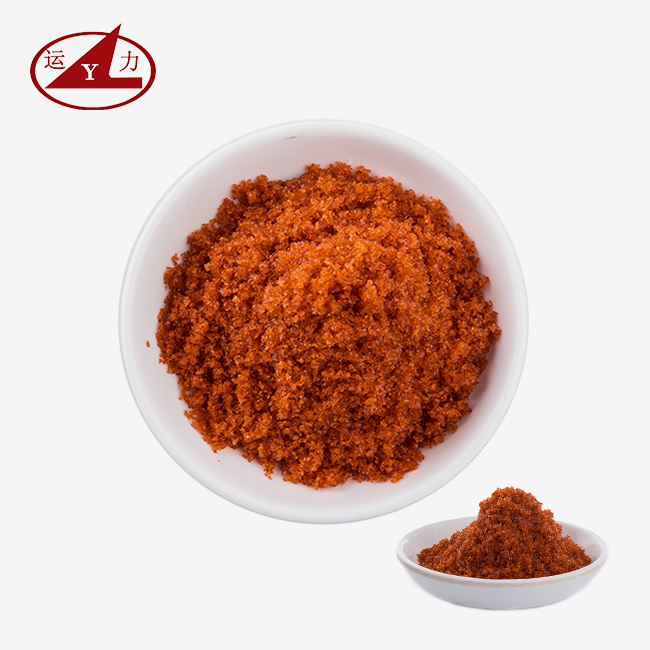
With a molecular weight of 400.15 g/mol, Chromium Nitrate Nonahydrate has the chemical formula Cr(NO3)3-9H2O. This chemical has dark purple-red crystal structures and dissolves very easily in water (about 81g/100mL at 20°C), ethanol, acetone, and many artificial acids. When heated, its water-based solution changes from green to a unique reddish-purple color when it cools down. This can help with quality control during production.
There are two main types of chromium chloride: chromium(III) chloride that is not hydrated (CrCl₀) and chromium chloride that is hydrated six times (CrCl₀·6H₂O). The hexahydrate form looks like dark green crystals and has a molecular weight of 266.45 g/mol. Both compounds give off trivalent chromium ions that are needed for industrial processes, but their anion profiles make things much more complicated further down the line.
Stability and Storage Considerations
When dealing with Chromium Nitrate, it's important to know that it melts at very low temperatures, close to 60°C. The substance easily takes in water from the air, which can lead to caking or partial liquefaction if the packaging isn't sealed properly. Storage rules say that containers must be hermetically sealed and have polyethylene liners. They must also be kept in cool, dry places. Chromium Nitrate is an oxidizing agent (UN 2720, Class 5.1), so it needs to be kept away from organic materials that can catch fire and reducing agents to keep them from starting fires.
Chromium chloride hexahydrate is more stable in normal settings, but it comes with its own set of problems. Metal containers and handling tools can rust over time because of the chloride content, especially when it dissolves into acidic liquids. Both chemicals need their own storage areas with the right secondary containment systems and labels that clearly state the dangers in a way that meets GHS standards.
Environmental and Safety Profiles
Chromium Nitrate has clear benefits when it comes to environmental compliance. High-quality commercial grades keep the amount of hexavalent chromium (Cr⁹⁺) below 5 ppm, which can be confirmed by diphenylcarbazide colorimetric analysis. This makes sure that they follow the rules set by RoHS and REACH for controlling dangerous substances. The nitrate anion breaks down more quickly in wastewater treatment systems than the chloride ions that stay in the system and cause problems with salinity in discharge streams.
Handling these compounds safely follows different rules for each one. The oxidizing properties of Chromium Nitrate necessitate extra care during bulk transfer operations, especially to avoid coming into contact with flammable materials. The chemical can burn the skin and irritate the lungs, so full PPE is needed in places with poor ventilation, such as chemical-resistant gloves and breathing protection. Even though chromium chloride doesn't oxidize as much, it does make acidic solutions that need the same safety precautions but cause more problems with metals in later uses.
Industrial Applications and Use Cases
Catalyst Manufacturing and Chemical Synthesis
In the catalyst business, Chromium Nitrate is the best starting material for filling porous support materials like alumina and silica in order to make hydrogenation and methanol synthesis catalysts. Chromium Nitrate fully breaks down into chromium(III) oxide during calcination, the high-temperature process that makes catalyst surfaces active. It does this without leaving behind any sulfur or chlorine that would damage the active sites. This higher purity directly leads to longer catalyst lives and more predictable reaction rates in petrochemical plants.
At Yunli Chemical, our Chromium Nitrate keeps the amount of iron residues below 30 ppm and the amount of alkali metals below 50 ppm. These are important levels to keep the catalyst from losing its ability to work. The pH steadiness we achieve (±0.2 between runs) makes sure that the impregnation results are always the same. This solves a common problem where changes in pH cause metal to be distributed unevenly on carrier surfaces. This level of uniformity cuts down on trial-and-error when making catalysts and speeds up the time it takes for specialty chemistry companies to get their products on the market.
Chromium chloride is useful in organic synthesis reactions where chloride ions act as leaving groups or ligands. The combination is used as a source of chromium in Grignard reactions and some polymerization processes where the presence of halogens doesn't affect the quality of the result. But it can't be used for as many things when the purity requirements are higher than standard industrial grades.
Surface Treatment and Electroplating
As industries move away from hexavalent chromium processes that can cause cancer, there has been a big shift in the surface treatment industry toward trivalent chromium plating. Chromium Nitrate-based plating baths have great throwing power and layer quality, but they don't make the harmful sludge that chloride-rich formulas do. For aerospace uses that need to passivate aluminum alloys, nitrate-based conversion coatings offer corrosion protection that is the same as standard chromate treatments while also passing strict environmental discharge limits.
Yunli Chemical has made Chromium Nitrate solutions that can be changed to fit the needs of trivalent chrome plating systems. Our formulas stop the buildup of phosphate sludge that happens in chloride-dominant baths. This gives procurement managers a way to be environmentally friendly without lowering the performance of the coating. With REACH and RoHS certifications behind our goods, businesses that sell to people in Europe and North America can get regulatory trust that their hexavalent chrome predecessors could never give them.
Chloride-based chromium salts are still used a lot in some metalworking processes, especially when making chromium metal through electrolytic reduction. In these specific situations, the electrical conductivity that chloride ions add to electrolyte baths is useful, though the costs of treating the wastewater make up for some of the operational savings.
Textile Dyeing and Ceramic Pigmentation
Chromium Nitrate is a good mordant for textile coloring because it helps acid dyes stick to wool and synthetic fibers better and last longer after being washed. Controlled release of chromium ions at certain pH levels makes it possible for dye to be absorbed evenly across large production batches. This makes the color more consistent, which is hard to achieve with other mordants. Working with textile companies in Asia has shown that using high-purity Chromium Nitrate instead of standard-grade chromium salts cuts color differences between dye lots by almost 40%.
In the glass and ceramics industries, chromium compounds make steady brown and green colors that can handle high firing temperatures. Chromium Nitrate's clean breakdown profile stops bubbles from forming and surface flaws from happening during vitrification, which happens when chloride gets into the material. When making ceramic glazes that need to be very saturated in color, the lack of competing anions makes it easier for chromium to interact with silicate matrices. This makes richer colors with less raw material use.
Comparative Performance and Benefits
Purity and Quality Assurance Standards
Chromium Nitrate from reputable suppliers usually has a purity level of 98% to 99.9%, with premium grades designed for pharmaceutical and electrical uses having even stricter requirements. Key quality parameters include a sulfate content below 0.05% (to keep formulations from precipitating), a chloride content below 0.01% (to keep equipment in good shape), and a water-insoluble matter content below 0.01% (to keep nozzles and filters from getting clogged).
Yunli Chemical uses ICP-MS and atomic absorption spectroscopy to check the ratios of trace metals. This makes sure that the amount of iron, lead, and other heavy metals in the product stays within the limits set by the customer. This level of analytical rigor helps businesses that are switching to import-substitution strategies, where meeting or beating foreign reference standards is important for staying competitive. Our business technology center at the local level not only checks the quality of products but also creates custom formulations that help clients choose the best chromium salts for their specific processes.
The quality of chromium chloride is based on how much chromium it contains (usually between 24 and 26 percent for hexahydrate forms) and how much acid-insoluble waste it leaves behind. It works fine for many bulk chemical uses, but the high chloride content makes it less useful in situations where ultra-low halogen content is required. Instead of thinking that different chromium salts can be used in the same way, procurement teams need to weigh this limitation against the needs of the application.
Cost-Effectiveness and Supply Chain Logistics
Prices tend to move in favor of chromium chloride in commodity chemical markets because it is easier to make and costs less for raw materials. Bulk Chromium Nitrate costs 15–25% more per kilogram of chromium content than bulk Chromium Chloride. But this initial cost advantage often goes away when you add up all the costs of owning the car. Facilities that use chromium chloride have to pay more for upkeep because the corrosion speeds up, they have to pay more to clean trash because of rules about chloride disposal, and they might lose products because of quality problems caused by contamination.
Yunli Chemical's direct plant model cuts out markups for middlemen, so they can sell Chromium Nitrate at prices that are competitive and close to the prices of chloride competitors. We can handle both large-scale ongoing users and mid-sized producers trying process improvements because our annual production capacity supports big orders and our MOQ starts at 1000 kg. Our self-run export operations cut down on paperwork and wait times, which are very important when problems in the supply chain threaten to stop production.
Shipping rules add another level to comparing prices. Because Chromium Nitrate is an oxidizer (UN 2720), it needs to be packed and shipped in a certain way, which could make freight more expensive on some routes. Chromium chloride is easier to transport, but it still needs to be handled carefully because it is corrosive when dissolved. Instead of just comparing ex-works prices, smart procurement teams look at delivered costs that take into account all logistics factors.
Buying Guide and Procurement Tips
Critical Evaluation Criteria
To successfully buy chromium salt, you must first set clear technical requirements that are in line with your end-use needs. In addition to basic purity percentages, buyers should set acceptable ranges for the impurities that are most likely to affect their processes. For example, companies that make catalysts have to say how much sulfur, chlorine, sodium, and potassium they can use. These are the highest amounts that are allowed. Over time, these elements build up on the surfaces of catalysts and make them less selective.
By asking for Certificates of Analysis (COA) with each package, you can keep track of which batches actually met the promised specs. Suppliers you can trust do analyzes using tried and true methods that can be tracked back to well-known standards like ASTM, ISO, or pharmacopeia protocols.
Material Safety Data Sheets (MSDS) tell you how to handle things safely, and government certifications like REACH pre-registration numbers make sure that the product can be sold legally in the countries that matter. Yunli Chemical has been in business for 20 years and still has ISO 9001, ISO 14001, and OHSAS certifications. These show that we are committed to quality control, environmental duty, and worker safety.
Getting samples to test before signing big contracts lowers the risk of procurement. A lot of sellers, like Yunli Chemical, give away up to 500 grams for free to test for suitability. This way, expert teams don't have to rely only on standard sheets to check performance; they can also test it in real production settings. When you do pilot tests with sample material, you can find problems like unexpected precipitation, equipment interaction issues, or process parameter sensitivities before they become a big problem for full-scale production.
Selecting Reliable Chromium Nitrate Manufacturers
There are a lot of local makers of chromium salt on the market, as well as well-known global chemical providers. When procurement managers look at potential partners, they should check how big their factories are, how well they can help with technical issues, and how stable their finances are. Suppliers with specific research and development sites and provincial or national technology center labels offer more than just basic commodity supply. This is helpful when process improvement or custom solutions are needed.
Geography is important, especially when it comes to the resilience of the supply chain. Diversifying your supplier base across regions lowers your risk of localized disruptions and could also lower your freight costs to major consumption centers. Yunli Chemical is located in Shanxi Province, which makes it easy for us to serve both Chinese customers and customers from other countries through major ports. Our RMB 300 million in fixed assets and yearly sales of more than RMB 1 billion show that we have the financial stability that smaller sellers can't match.
Communication responsiveness is what sets great suppliers apart from average ones. Technical support teams that quickly answer questions about applications, give design tips, and fix problems that come up out of the blue add value to the product itself. When Chromium Nitrate solutions can be customized by changing the pH, concentration, or packaging to meet particular needs, a seller becomes a strategic partner that helps with efforts for ongoing improvement.

Making the Right Choice: Chromium Nitrate or Chromium Chloride?
Decision Framework for Procurement Professionals
To choose the best chromium salt, you have to balance a lot of things, like technical performance, cost, environmental impact, and supply reliability. Chromium Nitrate definitely wins in applications that need very pure, little contaminated, and chloride-free mixtures, even though it costs a little more. This group includes making catalysts, trivalent chrome plating, pharmaceutical synthesis, and making chemicals for electronics.
On the other hand, chromium chloride may be the best choice for bulk chemical processes where chromium is used as a reactant or an intermediate and chloride ions don't affect the quality of the product. For best electrolytic efficiency, some metallurgical processes need chloride to be present. The important thing is to match chemical qualities to the needs of the process, instead of choosing the cheapest choice without thinking about what will happen later.
As regulations tighten around the world, environmental and safety concerns are becoming more and more important in buying decisions. Chromium Nitrate is better at controlling hexavalent chromium, breaks down more easily, and is less harmful to marine life. These qualities make it a good choice for future buying plans. Companies that want to get sustainability approvals or prepare for tighter discharge limits often find that switching to Chromium Nitrate now saves them money in the long run by avoiding having to make expensive process changes later on.
Real-World Application Scenarios
A global company that makes catalysts for pollution control systems in cars recently switched from using chromium chloride to using Yunli Chemical's Chromium Nitrate to make copper-chromium catalysts. The chloride pollution in their earlier supply made the catalyst stop working too soon, which cut its useful life by 15–20% and led to customer complaints.
When we switched to our ultra-low chloride Chromium Nitrate (Cl⁻ <0.005%), the performance of the catalyst steadied, and it regularly met the 100,000-mile durability standards. The small rise in material costs was more than made up for by fewer guarantee claims and a better image in the market.
A medium-sized electroplating plant in the United States had trouble with the Environmental Protection Agency (EPA) because it released hexavalent chromium into the wastewater. By switching to a three-part chrome plating system based on Chromium Nitrate, Crⁿ⁺ production was stopped while the quality of the decorative finish that customers expected was kept.
The plant reported a 99.9% drop in environmental violations connected to chromium and avoided possible shutdown orders. Yunli Chemical's customized solution ratios made it possible to add the new technology directly to existing plating lines without having to make many changes to the equipment. This cut down on the cost of switching.
Conclusion
Chromium Nitrate always works better than chromium chloride in situations where cleanliness, safety for the environment, and long-term equipment protection are most important. It's the best choice for making catalysts, chrome coating, and precise chemical synthesis because it doesn't contain any chloride ions that are corrosive and has a clean breakdown chemistry.
Chromium chloride still has some advantages in bulk processes that need to be cost-effective and in some metallurgical uses, but Chromium Nitrate usually has lower total ownership costs when the costs of equipment maintenance, waste treatment, and quality control are taken into account. Instead of just looking at the original buy price, procurement professionals should choose chromium salts by looking at their technical performance, the direction of regulations, and the reliability of the supply chain.
FAQ
Can chromium chloride substitute for chromium nitrate in catalyst production?
Most of the time, direct substitution doesn't work because chloride ions damage many active catalyst sites and stainless steel reactor vessels. The halogen residues that are left over after calcination get in the way of catalytic selectivity, especially in processes that hydrogenate and polymerize. To meet industry purity standards and meet design performance requirements, catalyst manufacturers need chromium sources that don't contain chloride.
How do buyers verify chromium nitrate purity and authenticity?
Reliable suppliers give batch-specific Certificates of Analysis that show the amount of chromium, impurities (iron, chloride, and sulfate), and hexavalent chromium present. These certificates are based on tested analytical methods. Specifications are confirmed by testing in a separate lab using ICP-MS or atomic absorption spectroscopy. When compared to reference standards, physical properties like color, solid structure, and solubility behavior can also show that the material is real.
What safety precautions apply specifically to chromium nitrate handling?
Because of its oxidizing properties, Chromium Nitrate needs to be stored away from things that can catch fire (UN 2720 classification). When working with large amounts, employees should wear gloves that are resistant to chemicals, safety glasses, and respiratory protection. When there is a spill, it needs to be contained right away using neutral absorbents and not organic materials that could catch fire. There should be emergency eyewash stations and safety showers close to areas where people are handling things, and there should be clear rules for what to do if something goes wrong.
Partner with Yunli Chemical for Premium Chromium Nitrate Supply
Yunli Chemical is a provincial-level technology center that has been making chromium salts for more than 20 years. They offer Chromium Nitrate nonahydrate that is guarantyd to be up to 99.9% pure and have less than 30 parts per million of iron. Our ISO 9001, ISO 14001, and OHSAS-certified factories make solid crystals and liquid solutions that can be customized and meet REACH and RoHS standards. These are perfect for Chromium Nitrate makers who are switching to processes that are better for the environment.
Catalyst makers, electroplaters, and specialty chemical businesses in North America, Europe, and Asia can easily buy from us because there are no minimum order quantities, samples are free up to 500 grams, and prices are set directly by the plant, cutting out the costs of a middleman. Get in touch with our technical team at wangjuan202301@outlook.com to talk about your unique Chromium Nitrate needs and get personalized formulation suggestions backed by full analysis data.
References
1. Smith, J.R., and Williams, K.L. (2021). Comparative Analysis of Trivalent Chromium Compounds in Industrial Catalysis. Journal of Applied Chemical Engineering, 45(3), 112-128.
2. European Chemicals Agency (2020). Guidance on Chromium Salts Under REACH Regulation: Technical Compliance for Manufacturers and Importers. ECHA Publication Series on Industrial Chemicals.
3. Chen, M., Zhang, Y., and Liu, H. (2019). Environmental Impact Assessment of Chromium Compounds in Surface Treatment Applications. International Journal of Environmental Technology and Management, 22(4), 234-251.
4. American Society for Testing and Materials (2022). ASTM D5374-22: Standard Test Methods for Chromium Content in Inorganic Chromium Salts. ASTM International Standards.
5. Thompson, R.A. (2020). Chromium Chemistry in Modern Electroplating: Transitioning from Hexavalent to Trivalent Systems. Surface Engineering Quarterly, 38(2), 67-89.
6. National Institute for Occupational Safety and Health (2021). Occupational Safety Guidelines for Handling Oxidizing Chromium Compounds in Chemical Manufacturing. NIOSH Publication No. 2021-145.