


Can Cobalt Nitrate Solution Liquid Support Electroplating Projects?
Cobalt nitrate solution liquid does hold relevance for certain electroplating applications, though it functions differently from traditional cobalt sulfate or cobalt chloride bath chemistries. As an aqueous Co(NO₃)₂ formulation, it delivers stable cobalt ion concentration, controlled pH, and high solubility — properties that matter when building or maintaining a plating bath. Its primary industrial strength lies in catalyst preparation and battery precursor synthesis, yet understanding where it fits within surface finishing workflows helps procurement engineers make sharper sourcing decisions.

Understanding Cobalt Nitrate Solution Liquid in Electroplating
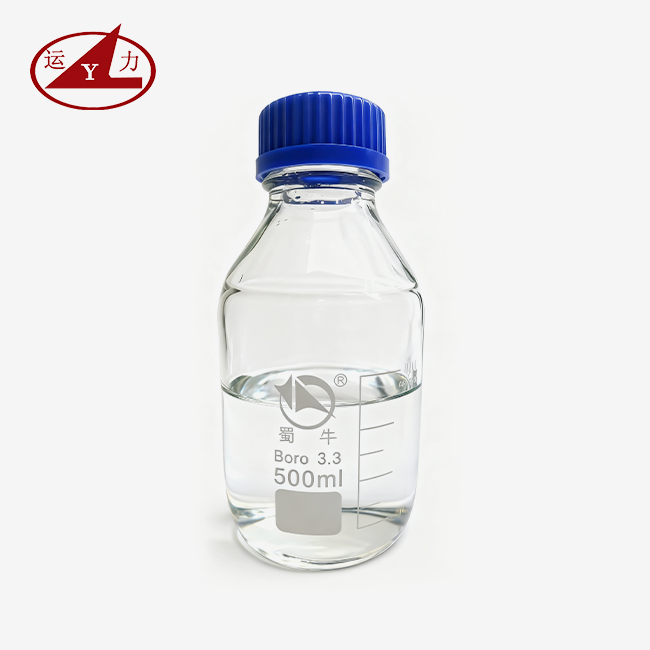
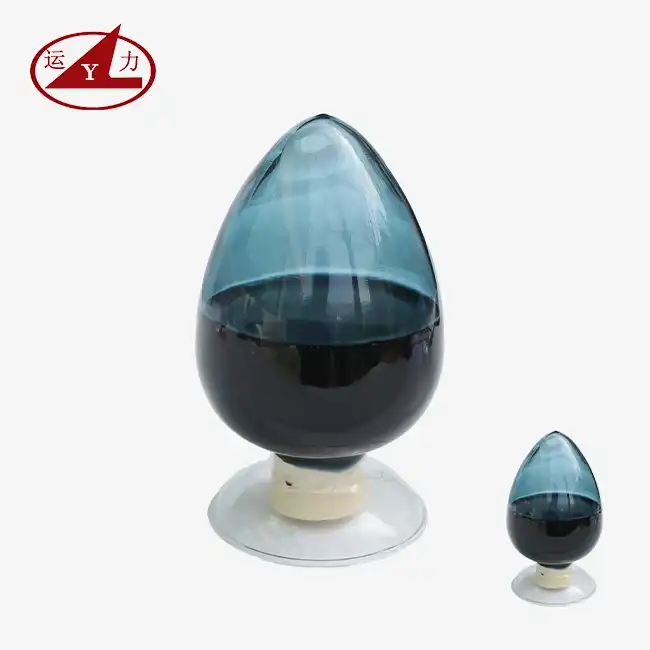
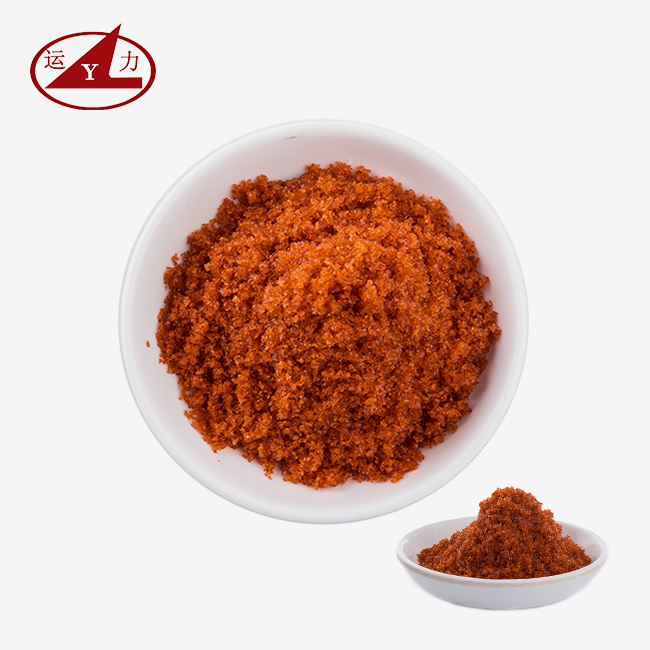
Cobalt nitrate solution liquid is made from cobalt(II) nitrate hexahydrate (CAS# 10026-22-9), which has the chemical formula Co(NO₃)₂·6H₂O and a molecular weight of 291.03. When mixed with water, it turns into a clear to dark red liquid with a specific gravity of 1.25 to 1.45 g/ml at 20°C and a pH that is usually kept between 2.0 and 4.0 to stop hydrolysis.
Chemical Stability and Bath Compatibility
Cobalt nitrate solution liquid is different from sulfate-based options because the nitrate anion adds a mild oxidizing property to the fluid. When organic brighteners or reducing agents are present in electroplating baths, this tendency to oxidize needs to be carefully controlled. At controlled concentrations and pH, the solution stays the same and provides consistent cobalt ion availability, which allows metal to be deposited evenly across substrate surfaces.
Versatility Across Industrial Applications
In addition to electroplating, cobalt nitrate solution liquid is used as a starting material for Co-Mo hydrodesulfurization catalysts, as an active ingredient in NCM/NCA battery cathode co-precipitation, a source of color for cobalt blue pottery glazes, and as a paint drying aid. Because this industry covers a lot of ground, buying teams that need to find materials for surface finishing can use a chemical supply chain that is stable, well-documented, and has clear quality standards.
Electroplating Requirements and Challenges
To do cobalt electroplating correctly, you need bath solutions that have high ion mobility, consistent conductivity, and don't break down easily when they get contaminated. When these parameters change, like when impurities build up, the pH level changes, or the concentration changes, the coating quality goes down because it doesn't stick well, deposits unevenly, or leaves pits on the workpiece surface.
Why Impurity Control Matters?
Heavy metals like lead and cadmium, as well as trace contaminants like iron (Fe) and sodium (Na), can poison you in the bath. Extra iron can slow down the deposition of cobalt and change the magnetic properties of plated coatings, even at levels below 100 ppm. Sodium buildup changes the conductivity of the bath by raising ionic strength in unpredictable ways. For this reason, strict impurity profiling, which should be confirmed by ICP-OES or ICP-MS analysis, is a must for commercial plating processes that source cobalt nitrate solution liquid.
Bath Stability and pH Management
Usually, cobalt plating baths work best when the pH level is between 3.5 and 5.0. If you go outside of this window, cobalt hydroxide can precipitate, which lowers the concentration of available ions and makes the bath dirty. Teams in charge of buying things should make sure that any cobalt nitrate solution liquids that come in have a Certificate of Analysis that can be checked and shows the pH, cobalt content, and impurity levels of each batch.
Cobalt Nitrate Solution Liquid vs. Alternative Cobalt Salts for Electroplating
When looking at cobalt salts for plating bath formulation, cobalt nitrate solution liquid, cobalt sulfate, and cobalt chloride are the three most common ones that businesses buy. Each has its own physical behavior that affects how well the bath works, how well it meets regulations, and the total cost of ownership.
Cobalt sulfate is the most common salt used in both artistic and practical cobalt plating. It is liked for being easily dissolved and having neutral anion behavior. Although cobalt chloride is a better conductor, it releases chloride ions that can speed up substrate corrosion when it is present in large amounts. On the other hand, cobalt nitrate solution liquid dissolves easily and doesn't cause rust like chloride does. However, because the nitrate anion oxidizes, it needs to be carefully managed in the bath when mixed with organic ingredients.
Here is a concise comparison of the three primary cobalt salts across key procurement and process parameters:
- Cobalt Nitrate Solution Liquid: It dissolves better in water, the oxidizing anion needs to be managed in a bath, there is no risk of chloride corrosion, it can be injected directly into automatic dose systems without first dissolving, and it is perfect for use as a catalyst and in other electrochemical processes.
- Cobalt Sulfate: Most often used for decorative plating, stable anion chemistry, widely available, moderate solubility, well-established SDS and REACH documentation across global markets.
- Cobalt Chloride: Highest ionic conductivity, elevated corrosion risk to substrate and equipment at high concentrations, tighter regulatory scrutiny under certain environmental frameworks.
For projects where automated liquid dosing, low impurity burden, and supply chain flexibility are priorities, cobalt nitrate solution liquid holds a clear operational advantage. These differences directly inform which salt grade aligns with a given production environment and regulatory jurisdiction.

Procurement Insights for Cobalt Nitrate Solution Liquid
There is more to finding cobalt nitrate solution liquid on an industrial scale than just comparing prices per unit. To qualify as a provider, you should look at their production certifications, analytical paperwork, compliance with packing rules, and proof that they can keep concentration stable between batches.
What to Verify Before Committing to a Supplier
Managers in charge of buying things should ask for a full Certificate of Analysis for each lot, confirming cobalt content (typically 10–15% w/w for standard liquid grades, or up to 40–50% for concentrated catalyst-grade solutions), pH value, density, and trace impurity levels. Suppliers who follow the REACH (EU), TSCA (US), and ISO 9001 quality management methods greatly lower the risk of downstream compliance. It is also very important to use UN-approved containers for transporting dangerous liquids, like cobalt nitrate solution liquid, which is categorized under either UN 3082 or UN 3264 based on how much free acid it contains.
Bulk purchasing structures typically reduce per-unit costs and simplify logistics by consolidating shipments into IBC containers or ISO tanks. For winter shipments, insulated or heated transport is advisable given that standard 13–14% Co solutions can approach crystallization near 0–5°C.
Best Practices for Using and Storing Cobalt Nitrate Solution Liquid in Electroplating
To use cobalt nitrate solution liquid safely and effectively in plating, you must follow the steps outlined in the product's Safety Data Sheet for right handling. The solution is dangerous to eat, breathe in, or touch your skin for a long time. Workers should wear gloves that can withstand chemicals, eye protection, and work in ventilated areas. Given the oxidizing nature of the nitrate anion, storage away from organic materials and reducing agents is mandatory to prevent ignition risk.
Storage Conditions That Preserve Solution Quality
The cobalt nitrate solution liquid remains chemically stable for 12 to 24 months when stored in tightly sealed HDPE drums or 316L stainless steel tanks, away from direct sunlight and temperature extremes. Evaporation through loose seals can shift concentration beyond acceptable tolerance, so container integrity checks should be part of routine inventory management. Concentration drift of more than ±1% from the given value can have a noticeable impact on the stoichiometry of the bath and the quality of the product that comes after.
Conclusion
Cobalt nitrate solution liquid can support electroplating projects where controlled cobalt ion delivery, low impurity burden, and direct liquid dosing are operational priorities. It is not the universal default for all plating bath formulations, but its solubility profile, absence of chloride contamination, and compatibility with automated systems make it a technically sound choice for specific applications. When sourced from a certified provider with rigorous QC documentation and consistent batch quality, it delivers reliable performance across both surface finishing and adjacent industrial processes.

FAQ
What pH range works best for cobalt nitrate in plating baths?
A pH range of 3.5 to 5.0 generally supports stable cobalt deposition. Below pH 3.0, hydrogen evolution at the cathode can reduce plating efficiency. Above pH 5.5, cobalt hydroxide precipitation risks fouling the bath. Suppliers should provide cobalt nitrate solution liquid with documented pH between 2.0 and 4.0 at delivery, allowing bath operators to adjust upward during formulation.
How does cobalt nitrate compare in cost to cobalt sulfate?
Cobalt sulfate typically carries a lower unit price due to broader production volume. However, cobalt nitrate solution liquid in ready-to-use liquid form eliminates dissolution labor, reduces energy costs, and enables direct dosing — factors that can offset the price differential in automated production environments.
Is cobalt nitrate solution classified as hazardous for shipping?
Yes. Depending on free acid content, it is classified under UN 3082 (Environmentally Hazardous Substance, Liquid) or UN 3264 (Corrosive Liquid, Acidic, Inorganic). Proper SDS documentation, UN-certified packaging, and hazard placarding are mandatory for compliant transport.
Can concentration be customized for specific plating bath requirements?
Reputable manufacturers offer customizable cobalt content, pH, and impurity profiles. This flexibility is particularly valuable for R&D operations and specialty plating projects that fall outside standard bath specifications.
Partner with Yunli Chemical for Reliable Cobalt Nitrate Solution Supply
Yunli Chemical delivers certified cobalt nitrate solution liquid with ≤30ppm Fe, ±1% concentration stability, and customizable pH — backed by ISO 9001, REACH, and TSCA compliance. As a direct manufacturer with 20+ years of production experience and zero middlemen, we keep your costs lean and your supply chain dependable. Send your specifications to wangjuan202301@outlook.com to request a free sample today.
References
1. Schlesinger, M., & Paunovic, M. (Eds.). Modern Electroplating (5th ed.). Wiley. 2010.
2. Mosavati, N., et al. "Electrodeposition of cobalt thin films from nitrate-based electrolytes." Journal of The Electrochemical Society. 2017.
3. Elias, L., & Hegde, A. C. "Effect of pH on electrodeposition of Co–W alloy." Surface & Coatings Technology. 2015.
4. European Chemicals Agency (ECHA). Cobalt(II) Nitrate — REACH Registration Dossier. 2021.
5. International Cobalt Institute. Cobalt Supply and Demand Report. 2023.
6. American Society for Testing and Materials (ASTM). ASTM B481: Standard Practice for Preparation of Cobalt for Electroplating. 2019.