


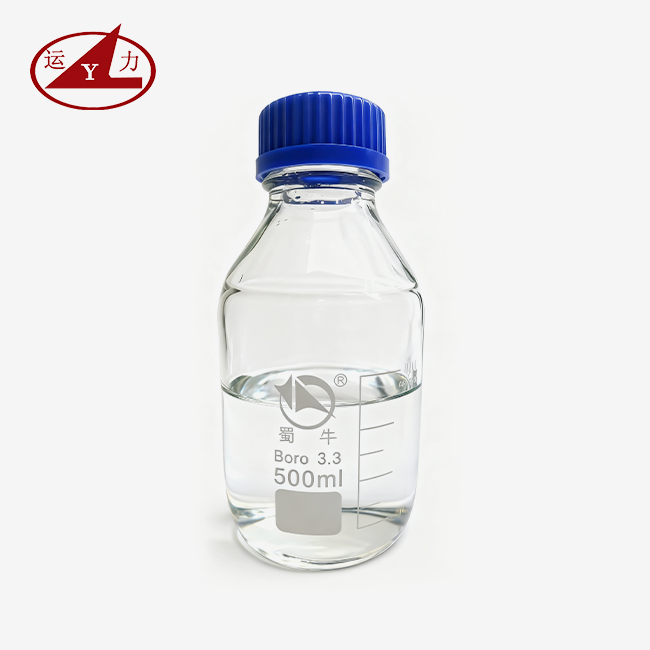
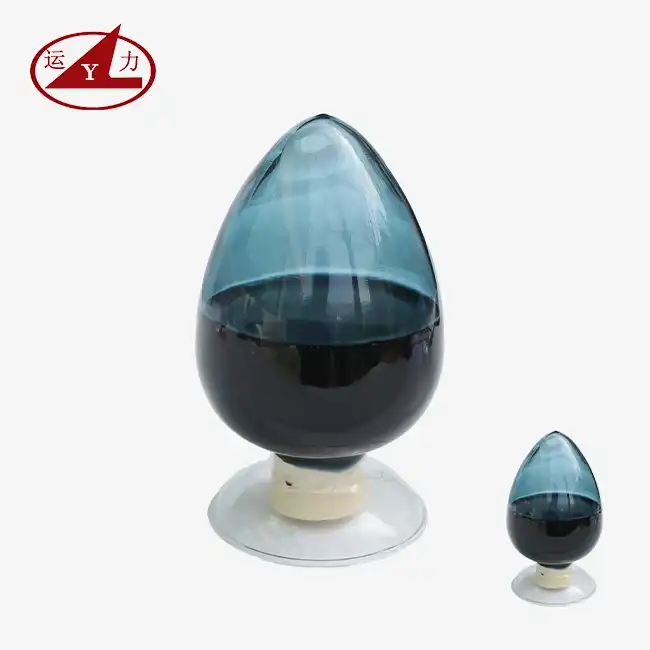
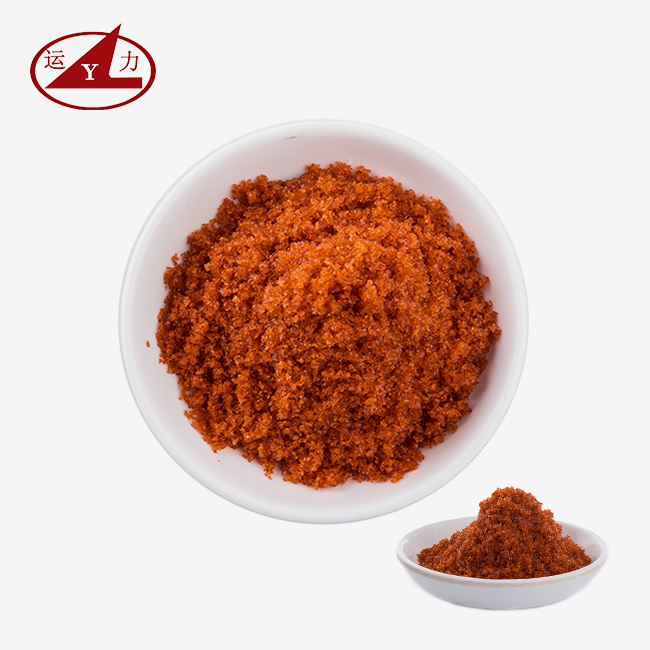
What Is Chromium Acetate 50% Solution Used for Industrially
Chromium acetate 50% solution (CAS 1066-30-4) is used in many different industries, ranging from trivalent chromium electroplating and leather dying to making catalysts and mordanting textiles. We recommend this water-based Cr(CH₃COO)₀ mixture because it has a controlled Cr⁺ content that strikes a good balance between reaction and handling safety. It is better than solid chromium salts or more watery mixtures. Its grayish-green to bluish-green colour comes from a stable coordination chemistry that keeps it from precipitating over long periods of storage. This is a property that has a direct effect on the reliability of the process on the plant floor.
Understanding Chromium Acetate 50% Solution
Chemical Identity and Core Properties
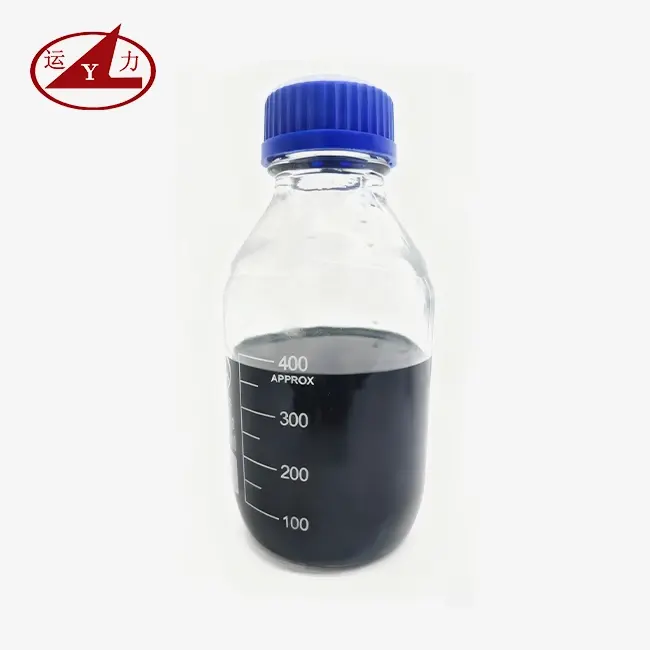
A 50% solution of chromium acetate has the formula Cr(CH₃COO)₃ and a molecular weight of 229.13 g/mol. It is a grayish-green or bluish-green viscous fluid with a density of 1.25–1.35 g/cm³ and a pH that stays between 3.5 and 4.5 at a 50% concentration level. The fact that it mixes completely with water makes it easy to dilute on-site without having to separate the phases. The acetate ligand does more than just act as a counter-ion; it also has a structural role to play. It stabilises the solution and slows down hydrolysis, which keeps the chromium ions in solution instead of forming chromium hydroxide.
Coordination chemistry study that has been published says that this ligand-stabilized design is what makes the shelf life longer than 12 months. Competitors who use chloride or nitrate salts rarely get to that number. The amount of heavy metals is closely monitored. The levels of Pb, Cd, and As are all kept at or below 5 parts per million (ppm), while iron stays below 30 ppm and salt stays below 50 ppm. In electroplating and catalysis, where small impurities change the speed of a reaction or the evenness of a coating, these numbers are very important.
Industrial Applications of Chromium Acetate 50% Solution
Industrial buyers approach trivalent chromium acetate 50% solution from several distinct directions, and each sector places different demands on purity, concentration, and documentation.
Trivalent Chromium Electroplating
The world is moving faster away from hexavalent chromium. REACH Annex XIV rules and RoHS directives have driven automakers and companies that make precision parts to accept Cr plating baths as an acceptable option. Chromium acetate solution mixes easily into these baths and provides a source of trivalent chromium ions with little Crⁿ⁺ contamination. This is a feature that both regulators and end-users carefully look at in SVHC reports. German electroplating engineers have found that trivalent acetate pools that are properly made stay steady for months without crystallising, which was a problem with older chloride-based systems.
Leather Tanning
The United Nations Industrial Development Organization says that chrome tanning still makes up about 80–85% of the world's leather production. It is the most common way to turn raw hides into soft, durable leather. Chromium(III) salts connect collagen fibres, which makes the hide more resistant to water and heat and gives it the softness that is sought after in high-end shoes and furniture. It takes less time to get the tanning drum floor ready because the 50% liquid form dissolves faster and gives more accurate doses than dried basic chromium sulphate.
Catalyst Manufacturing and Organic Synthesis
Many processes, like dehydrogenation, polymerisation, and petrochemical breaking, use chromium oxide catalysts that are made from Cr³⁺ intermediates. Acetate-based precursors make catalysts with more surface area than nitrate-based counterparts. This is because acetate breaks down completely during calcination, leaving behind less chloride or nitrogen that can poison active sites. The formula from Yunli Chemical meets these needs further down the line by carefully controlling the amounts of iron and sulphate that could otherwise make the catalyst less uniform.
Textile Mordanting and Dyeing
In the printing and dyeing industry, trivalent chromium coordinates with dye molecules and fiber hydroxyl groups to form stable metal-complex dyes on wool, silk, cotton-wool blends, and artificial fibers. This mordanting action significantly improves wash fastness and color depth. The liquid form integrates directly into continuous dyeing ranges without the dust hazard associated with powder handling.
Comparing Chromium Acetate 50% Solution with Other Concentrations and Compounds
Choosing the right chromium source involves balancing reactivity speed, handling logistics, and downstream purity. Here is how the chromium acetate 50% solution compares across key dimensions:
- 50% vs. 20–30% chromium acetate: Higher concentration reduces shipping volume per unit of active ingredient, lowering freight costs and storage footprint. However, 20–30% grades suit applications where precise, low-dose addition is critical and dilution errors carry process risk.
- Chromium acetate vs. chromium chloride: The acetate ligand acts as a built-in buffer, yielding slower, more controlled hydrolysis. Chloride variants react faster and introduce corrosive anions that accelerate stress-corrosion cracking in stainless steel dosing equipment.
- Chromium acetate vs. chromium nitrate: Nitrate precursors leave nitrogen oxide residues during thermal processing, which can poison certain catalysts. Acetate combustion is cleaner, producing only CO₂ and water alongside Cr₂O₃.
These differences make the acetate form the superior choice when process stability, equipment longevity, and catalyst purity are non-negotiable.
Procurement Considerations for Chromium Acetate 50% Solution
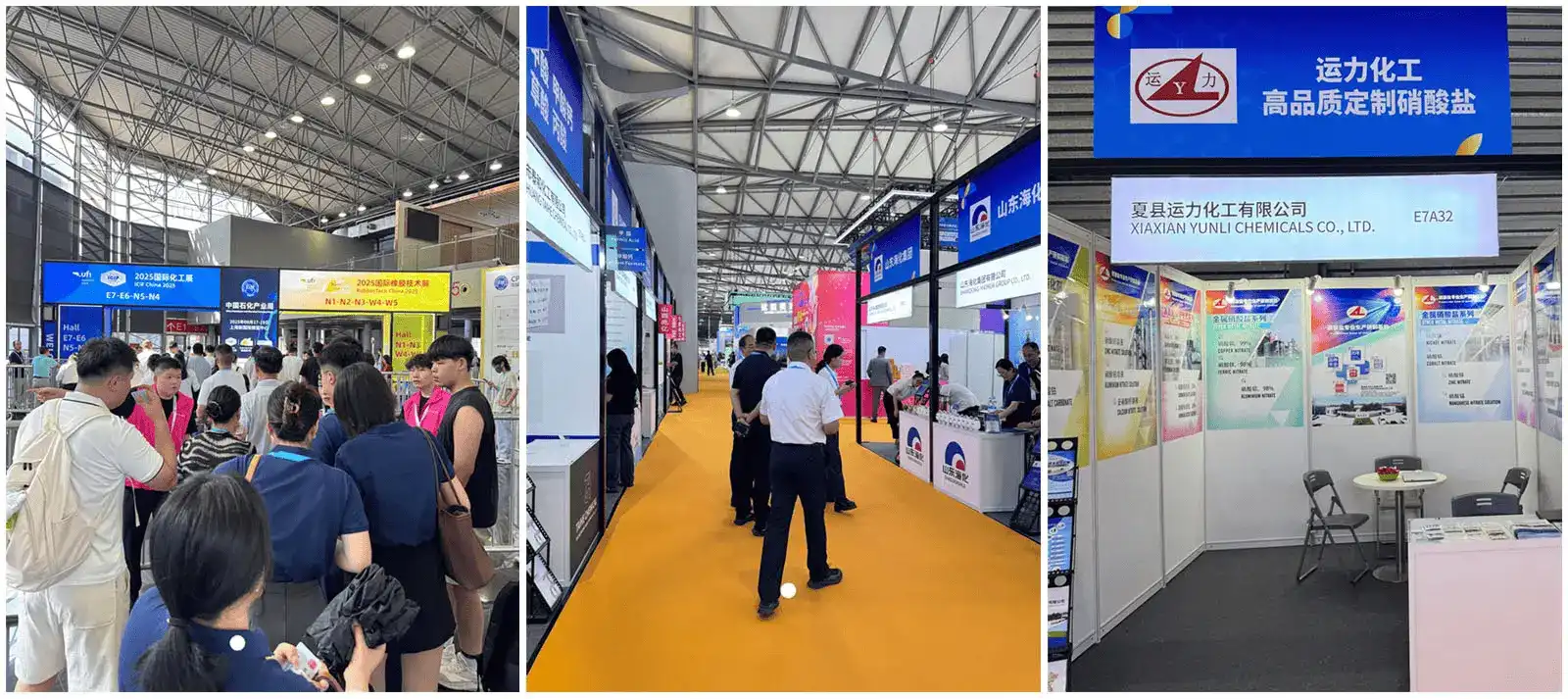
Finding a chromium compound is not just a business transaction. Usually, procurement teams look at providers based on six factors: the uniformity of the active ingredient, the adherence to impurity specifications, environmental licenses, the ability to repeat batches, the level of technical support provided, and the dependability of the operations. Yunli Chemical has been in business since 2005 and has ISO 9001, ISO 14001, and OHSAS 18001 certifications. In 2019, it was named a Shanxi Provincial Enterprise Technology Center. ICP-MS and atomic absorption spectrometry are used by the facility to check the quality of the products themselves. This way, standard compliance is proven rather than just believed.
Annual sales are more than RMB 1 billion, and fixed assets are worth RMB 300 million. This kind of money shows that the business is stable and won't be able to take advantage of the spot market. You can package it in drums, IBC tanks, or bulk, and the quantity can be changed from 40% to 60% to meet the needs of your process. You can get free samples of up to 500 grams, and the minimum order amount is variable, which lowers the risk of the first qualification trials. Full paperwork for REACH and RoHS certification is given, which is a must for supply lines in Europe and North America.
Safe Handling and Best Practices
Chromium acetate 50% solution presents a lower acute toxicity profile than hexavalent chromium compounds, but it still requires disciplined handling protocols. Operators should wear nitrile gloves, chemical splash goggles, and acid-resistant aprons during transfers. Storage should be in sealed polyethylene or stainless steel containers, away from strong oxidizers that could convert Cr³⁺ to the more hazardous Cr⁶⁺ state.
Spill response involves containment with inert absorbent material, followed by disposal in accordance with local chromium compound waste regulations. The pH range of 3.5–4.5 means the solution is mildly acidic, warranting eye-wash stations within proximity of any handling area. Under proper storage conditions — cool, dry, sealed — the product remains stable and analytically on-specification for 12 months or longer.
Conclusion
Trivalent chromium acetate 50% solution occupies a genuinely useful position in industrial chemistry. Its acetate-stabilized Cr³⁺ chemistry makes it more process-friendly than chloride or nitrate alternatives, while its liquid form at 50% concentration offers a practical balance between shipping efficiency and ease of use. Electroplating engineers gain a compliant, stable plating bath additive. Tanners gain a fast-dissolving tanning agent. Catalyst producers gain a clean-burning precursor. Textile processors gain a reliable mordant. Across all four sectors, purity and long-term stability are what separate adequate product from genuinely useful product.

FAQ
What industries use chromium(III) acetate solution most heavily?
Electroplating, leather tanning, catalyst manufacturing, and textile mordanting are the four primary industrial users. Trivalent chromium acetate 50% solution electroplating is currently the fastest-growing segment, driven by regulatory restrictions on hexavalent chromium under REACH and RoHS frameworks.
How do I verify that a supplier's product contains no hexavalent chromium?
Request a Certificate of Analysis showing Cr⁶⁺ content measured by ICP-OES or colorimetric diphenylcarbazide testing. Reputable suppliers like Yunli Chemical provide batch-specific test reports as standard documentation.
Can the concentration be adjusted for my specific process?
Yes. Yunli Chemical offers concentrations between 40% and 60%, along with adjustments to viscosity and pH to match individual plating bath or tanning drum requirements.
What is the typical shelf life under standard warehouse conditions?
With sealed containers stored in a cool, dry environment below 30°C, the solution maintains specification for 12 months or longer. Slight evaporation over time may increase concentration; a density check before dosing is advisable for aged stock.
Is REACH documentation available for European procurement?
Full REACH/SVHC compliance reports, RoHS declarations, and ISO 9001 certificates are available upon request before any order is placed.
Partner with Yunli Chemical for Reliable Chromium Acetate 50% Solution Supply
Yunli Chemical brings 20 years of manufacturing expertise and ISO-certified quality control to every shipment of chromium acetate 50% solution. As a direct-from-factory manufacturer, we eliminate middlemen, offer free samples, and customize concentration and packaging to your process. Contact our technical team at wangjuan202301@outlook.com to request a specification sheet, compliance documents, or a competitive quote.
References
1. American Chemical Society. Inorganic Chemistry — Coordination Chemistry of Chromium(III) Acetate Complexes. 2018.
2. United Nations Industrial Development Organization (UNIDO). Tanning of Hides and Skins: Environmental and Technical Guidelines. 2011.
3. European Chemicals Agency (ECHA). REACH Restriction on Hexavalent Chromium Compounds — Annex XIV Assessment. 2022.
4. Journal of Hazardous Materials. Comparative Toxicity of Trivalent and Hexavalent Chromium in Industrial Wastewater Systems. 2020.
5. Society of Chemical Industry. Surface Finishing Technology: Trivalent Chromium Plating Bath Chemistry and Performance. 2019.
6. Journal of the American Leather Chemists Association (JALCA). Chrome Tanning Efficiency as a Function of Chromium Salt Form and Concentration. 2017.