


Can Copper Nitrate Solution Liquid Improve Ceramic Glaze Results?
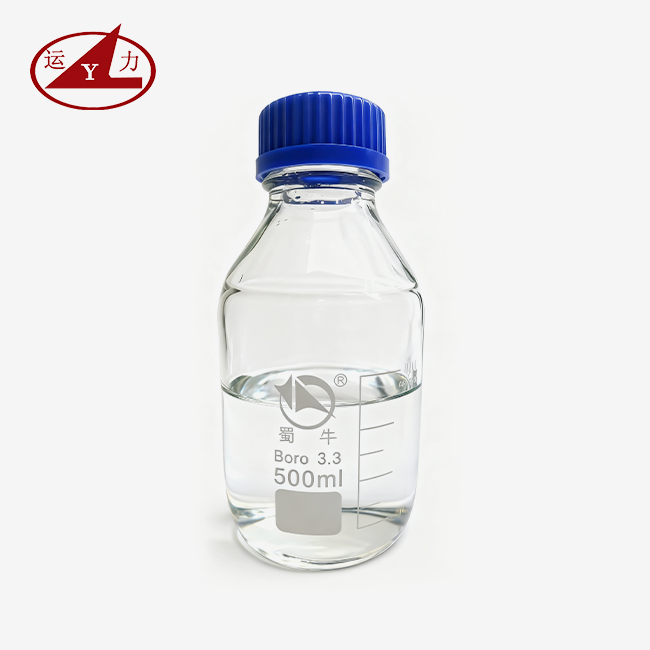
The short answer is yes. Copper nitrate solution liquid (CAS# 10031-43-3) is a proven colorant and flux modifier that ceramic manufacturers have relied on for decades. When introduced into glaze formulations, dissolved copper ions interact with silicate networks during firing, producing rich green, turquoise, and blue hues while simultaneously improving surface hardness and wear resistance. Unlike dry copper salts, the liquid form disperses evenly without clumping, giving production teams tighter color control batch after batch.

Understanding Copper Nitrate Solution and Its Properties
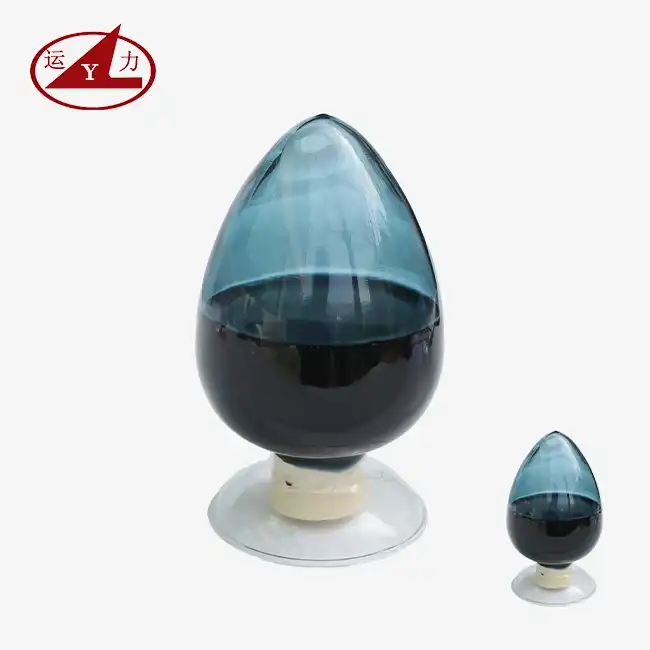
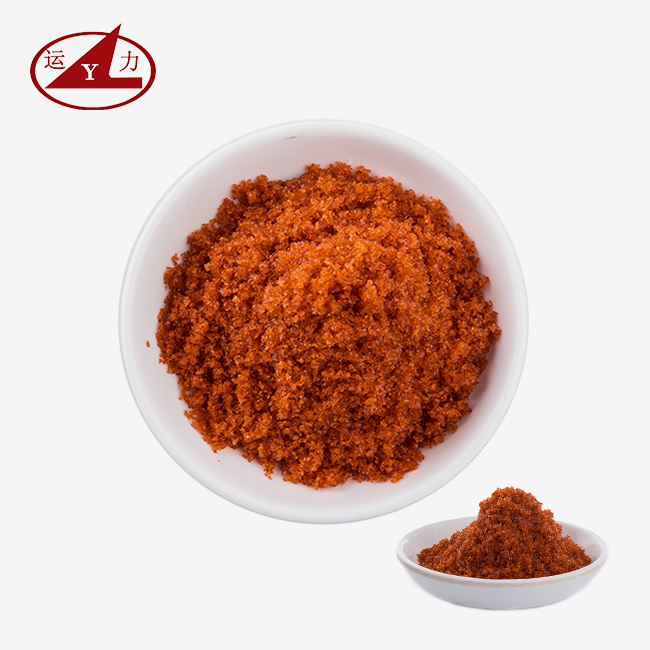
Before procurement experts look at any glaze addition, they need to know a lot about how it works chemically. Copper nitrate trihydrate has the formula Cu(NO₃)₂·3H₂O and a molecular weight of 241.6. When it is solid, it looks like a deep blue columnar crystal. That means it has a specific density of 2.05 and a melting point of 114.5 °C. Because the substance breaks down above 170 °C and releases nitrogen oxides, the firing conditions need to be carefully controlled.
Key Physical and Chemical Parameters
When the substance is mixed with water and ethanol, it completely dissolves, making an acidic water solution. Industrial-grade liquid formulations usually have a pH level between 1.5 and 3.0. This level keeps the copper ions stable and stops them from precipitating too soon while they are being stored. Copper content can be changed from 10% to 60% w/w based on the use. Impurity standards of Fe/Na ≤ 30 ppm and Cl⁻/SO₄²⁻ < 50 ppm are very important for pottery processes where small contaminants can cause glaze pinholes or color changes.
The copper nitrate solution liquid is a strong oxidizer, so it needs to be kept above 15 °C to keep the salt from crystallizing. HDPE or glass-lined containers are suggested; stainless steel tanks rust when exposed to the free nitric acid in the mixture for a long time.
How Copper Nitrate Solution Enhances Ceramic Glaze Quality
How cupric ions (Cu²⁺) behave in a silicate melt is at the heart of how glazes can be made better. Copper ions become part of the glass network as a chromophore during the kiln burning process. The color that is made depends on the atmosphere and the composition of the base glaze. It can range from jade green when oxidation happens to deep blue-gray when reduction happens.
Color Development and Surface Hardness
A study in the Journal of the European Ceramic Society confirms that the copper oxide phases that form when copper nitrate breaks down are more evenly spread out than the copper sulfate phases that form when copper nitrate breaks down. This smaller spread means that the color is more saturated and even, and the glaze surface is smoother. It also burns off completely during heating, leaving no sulfur behind that could cloud the glaze or make it less adherent to the clay body.
Copper Nitrate vs. Other Copper Compounds
Potters and companies that make industrial glazes often compare copper nitrate solution liquid to copper sulfate or copper carbonate. In real life, these are how they compare:
- Copper sulfate adds sulfate ions that can cause bubbles to form during firing, which can leave pinholes in fine stoneware glazes. It also needs careful steps to dissolve before adding.
- Copper carbonate breaks down and releases CO₂. This can make thick glazes crawl and increase the milling energy needed to get uniform particle size.
- Copper nitrate solution liquid gets around both of these problems. In a liquid state, there are no dust risks or problems with dissolving, and the nitrate breakdown route is cleaner at temperatures used for firing ceramics.
Over thousands of kiln cycles, these differences add up to big cost and quality advantages for production lines that make a lot of things.
Choosing the Right Copper Nitrate Solution for Your Ceramic Processes
On the market, not all liquid copper nitrate products work the same. The criteria you use for selection should match your desired color palette, firing temperature range, and production volume.
Liquid vs. Crystal Form
Crystalline copper nitrate trihydrate needs to be dissolved on-site and mixed in special tanks. The copper nitrate solution liquid gets rid of all three steps, which saves time and money by cutting down on the need for work. For automatic production lines that must have regular dosing, a pre-calibrated liquid formulation with confirmed Cu % gives much better process control than field-dissolved crystals.
Concentration and Purity Grade
Copper amounts in industrial clay colorants are usually between 15% and 30% w/w. It's possible that study batches or specialty art pottery will need lower amounts to get subtle color effects. If a supplier lets procurement managers change concentrations without setting a minimum order size, they can try out new glaze recipes without having to commit to bulk volumes. It doesn't matter what purity grade it is; iron contamination above 50 ppm is known to change copper green to muddy brown, ruining the look that makes expensive ceramics worth the price.

Procurement Guide: How to Source High-Quality Copper Nitrate Solution Liquid?
It takes more than just comparing prices to decide where to get regulated chemical inputs like cupric nitrate. Quality and supply continuity are protected by an organized review method.
When purchasing teams look at copper nitrate solution liquid suppliers, these are the main things they should look at:
- Certifications: ISO 9001 for quality management, ISO 14001 for environmental compliance, and REACH registration all show that a maker uses tested, repeatable methods instead of making things on the spot.
- Analytical documentation: Ask for a Certificate of Analysis (COA) that shows the percentage of copper by either gravimetric or titration, as well as ICP-OES data for Fe, Pb, and Ni, and ion chromatography readings for Cl⁻ and SO₄²⁻. These factors have a direct effect on the glaze result.
- Sample availability: If you trust the maker, they will give you free examples before you decide to buy. This lets you test it in-house under real firing conditions.
- Hazmat shipping compliance: Copper nitrate solution is a dangerous substance, so it must follow the rules for shipping it. Make sure that your seller has the right shipping permissions for dangerous goods for your area.
Best Practices and Safety Recommendations for Handling Copper Nitrate Solution in Industry
Handling this oxidizing acid solution safely keeps workers safe and keeps the quality of the product high at the same time.
Personal Protective Equipment and Spill Response
When working with copper nitrate solution liquid, people should always wear gloves, safety glasses, and aprons that can handle acids. As soon as the solution touches the floor, it spreads quickly, so control dikes and neutralization kits with soda ash or lime must be available at all filling stations right away. Solid spills can be cleared up, but liquid spills need to be quickly cleaned up with harmless material and then thrown away in a way that doesn't affect the pH level, as required by local environmental laws.
Storage and Temperature Control
Keep the storage temperature above 15 °C to keep the crystals from forming. If crystals form, warm the container slowly and stir the solution until it is smooth again before using it. Never store the solution in tanks made of stainless steel; HDPE or polyethylene-lined containers are the norm.
Conclusion
Copper nitrate solution liquid really does make pottery glaze work better because it has cleaner decomposition chemistry, more consistent color, and doesn't need the dissolving steps that make solid-form options less consistent. Its low impurity profile, ability to be adjusted in concentration, and ability to work with automated dosing systems make it a useful upgrade for medium to large ceramic manufacturers. The last step to getting consistent, high-quality glaze output is to find a supplier that has been checked out and has ISO and REACH credentials, clear COA documentation, and flexible sampling policies.
FAQ
What amount of copper should I use to color pottery glaze?
Most industrial clay glazes have copper amounts that range from 0.5% to 3% of the total batch weight. This means that the liquid that goes into the process should have 15% to 25% Cu w/w for normal output runs.
Is copper nitrate solution more dangerous than copper sulfate for glaze use?
Copper ions are harmful to both substances in about the same way. When fired, copper nitrate solution liquid doesn't make sulfur dioxide, so it's a better choice for those who care about emissions.
How does free nitric acid in the solution affect glaze formulation?
The pH of the fluid drops to between 1.5 and 3.0 when free nitric acid is present. When fired in a kiln above 300 °C, it burns off completely and doesn't leave any acidic residue in the glaze.
Can I use industrial-grade copper nitrate solution for fine art ceramics?
For production ceramics, industrial grade works well. For studio work where color accuracy at low concentrations is important, a high-purity or reagent-grade solution is best.
How do I verify supplier quality before placing a bulk order?
Ask for a COA with ICP-OES impurity data and a free sample to test the firing in-house. Certifications like ISO 9001 and REACH registration give you even more peace of mind.
Partner With Yunli Chemical — Trusted Copper Nitrate Solution Liquid Manufacturer
Yunli Chemical has delivered precision-grade copper nitrate solutions to ceramic, electroplating, and catalyst manufacturers for over 20 years. Our liquid formulations offer adjustable Cu concentrations, Fe/Na ≤ 30 ppm purity, and full REACH and ISO 9001 compliance — factory direct, no middlemen. Request a free sample or custom quote today. Contact us at wangjuan202301@outlook.com.

References
1. Journal of the European Ceramic Society — "Copper-Based Colorants in Silicate Glazes: Chromophore Dispersion and Firing Atmosphere Effects," 2018.
2. Ceramics International — "Effect of Metal Nitrate Precursors on Glaze Surface Quality and Color Development," 2020.
3. Journal of Chemical Education — "Thermal Decomposition Pathways of Transition Metal Nitrates," 2015.
4. Applied Surface Science — "Impurity Control in Copper Salt Solutions for Industrial Coating Applications," 2019.
5. American Ceramic Society Bulletin — "Liquid vs. Solid Precursor Additions in Industrial Glaze Formulation," 2017.
6. Industrial & Engineering Chemistry Research — "Oxidizing Agent Behavior of Cupric Nitrate in High-Temperature Ceramic Processing," 2021.