


Can Cupric Nitrate Improve Copper Plating Quality and Efficiency?
Cupric nitrate genuinely improves copper plating quality and efficiency when used correctly. As a highly soluble copper salt, Cu(NO₃)₂·3H₂O maintains stable copper ion concentrations within electroplating baths, which directly supports uniform metal deposition and stronger adhesion. Unlike some conventional copper compounds, cupric nitrate introduces no chloride or sulfate residues that could degrade bath chemistry over time. In industrial surface treatment, consistent ionic availability is the backbone of predictable deposition rates — and this compound delivers exactly that. Whether you're running high-volume PCB lines or precision metal finishing, the chemistry here works in your favor.

Understanding Cupric Nitrate in Copper Plating
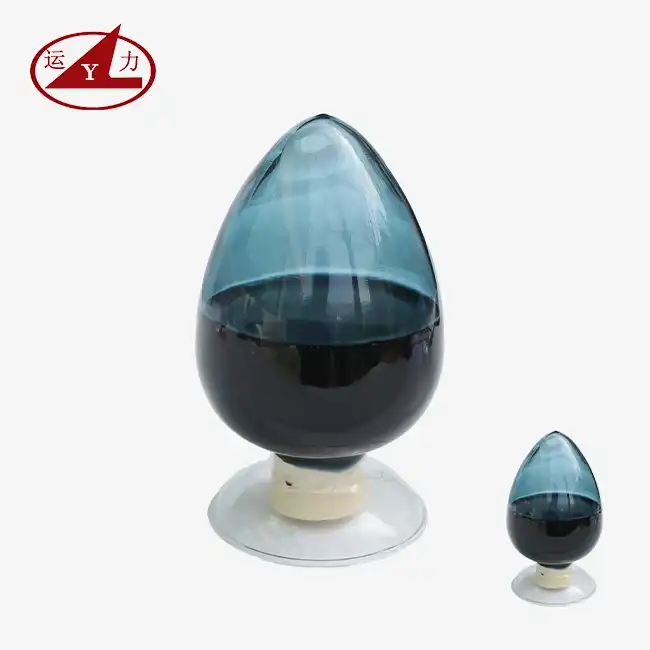
This chemical is called cupric nitrate trihydrate (Cu(NO₃)₂·3H₂O, CAS 10031-43-3, MW 241.6), and it has the shape of dark blue columns. It melts at 114.5°C and has a specific density of 2.05. It is easily broken down in water and ethanol, creating an acidic water solution that keeps a copper-rich ionic environment in plating baths.
How Ionic Stability Drives Deposition Uniformity?
In electroplating, the quantity of copper ions controls the rate of formation and the evenness of the layers. Cupric nitrate trihydrate can dissolve completely and separates easily in water, so it can add back Cu⁺ ions at a steady rate. This stability makes it less likely that concentration gradients will happen, which can lead to uneven deposits or rough surfaces.
Storage and Safety Protocols Every Buyer Should Know
Cupric nitrate trihydrate is hygroscopic, which means it easily takes water from the air and can solidify or partly melt if it comes into contact with damp air. Keep it in cool, dry places below 25°C in containers that won't let air in. It is a strong oxidizer (UN 1477, Class 5.1, Packing Group II/III), so it should be kept away from things that can catch fire, things that reduce oxygen, and organic chemicals. When heated above 170°C, things start to break down, which releases harmful nitrogen dioxide gas. During working, you must wear the right PPE, such as gloves, eye protection, and enough air flow.
Performance Analysis — Copper Nitrate vs. Other Copper Compounds in Plating
Cupric nitrate trihydrate is often compared to copper sulfate pentahydrate, copper(II) chloride, and cupric oxide by people who buy things for industry. Each substance has pros and cons when it comes to how stable it is in the bath, how fast it deposits, and how it affects the environment later on.
Copper sulfate is cheap and widely used, but sulfate ions can build up in plating baths and make it hard to make fine-line electronics. Copper(II) chloride can contaminate things with chloride, which is a known catalyst poison and stainless steel corrosive. Cupric oxide has a lot of copper in it by weight, but it dissolves slowly, which makes ion replacement less reliable.
Where Copper Nitrate Holds a Distinct Edge?
Cupric nitrate trihydrate completely gets rid of chloride and sulfate carry-over. When halogenated impurities are not present in precision PCB plating and catalyst OEM manufacturing, the bath lasts longer and the surface quality is more consistent. A study in the Journal of The Electrochemical Society confirms that nitrate-based copper baths have better throwing power under certain current density conditions. This means that plating can reach geometries that are more recessed more effectively than sulfate-based alternatives.

Honest Limitations Worth Acknowledging
Cupric nitrate is a stronger oxidizer than copper sulfate, which makes it harder to work with and store. When procurement teams source on a large scale, they need to think about adding more safety equipment and making sure that all the paperwork for transport is in order. Copper sulfate may still be the cheaper option for low-precision, high-volume tasks that don't care much about impurities. The decision factor is what your application's tolerance level is.
Optimizing Copper Plating Quality and Efficiency with Cupric Nitrate
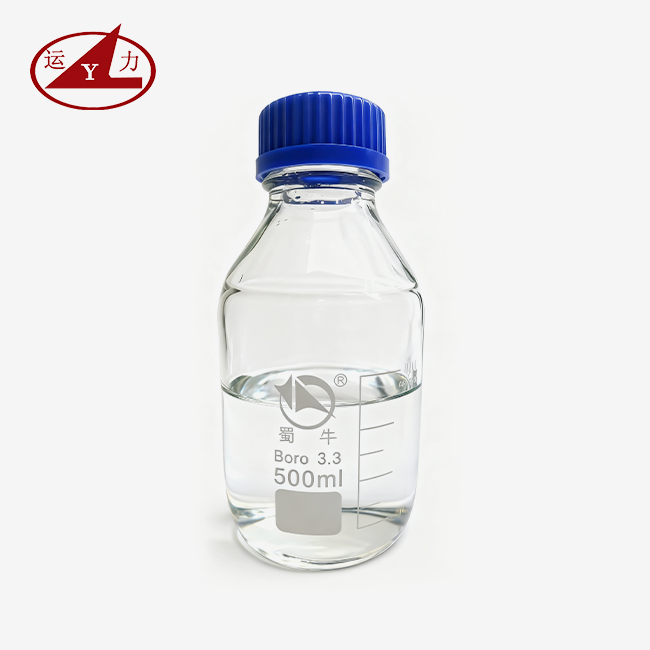
Copper plating operations always have to deal with two problems: uneven layer thickness and slow deposition rates. Both have to do with copper ions that aren't always available and changes in the bath's chemistry. Cupric nitrate trihydrate gets around these problems because it dissolves very easily and separates ions cleanly. When used in widely available pre-dissolved liquid formulations, operators don't have to do any dissolution steps on-site. This saves about 30% on preparation work costs and lowers the risk of undissolved particles getting into the bath.
Quantifiable Gains Reported in Surface Treatment Operations
Metal finishing shops that moved from copper sulfate to cupric nitrate sources saw changes in the smoothness of the deposits and less need for bath refills. In one case where PCBs were being made, lowering the amount of iron in the copper source to below 30 ppm led to a statistically significant drop in rough deposit flaws. Cupric nitrate trihydrate from Yunli Chemical keeps the iron level to ≤30 ppm, and every production batch is checked by ICP-MS.
These are the main performance characteristics of the material that make it good for precise surface treatment:
- Purity: For electronics-grade uses, the purity can be changed up to 99.99%, which makes sure that the copper ions get to where they need to go without any trace metals getting in the way.
- Iron content: ≤30 ppm standard, which protects bath conductivity and deposit brightness directly in settings where fine-line production takes place.
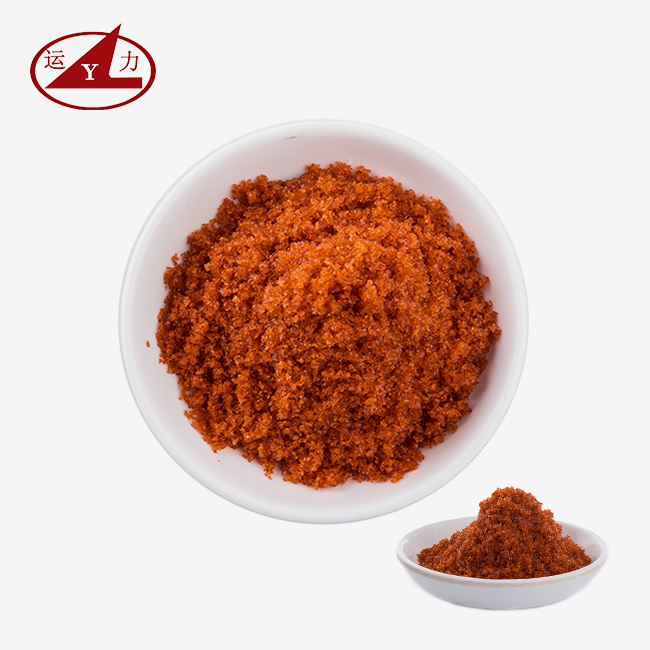
- Particle size: They come in 20–80 mesh sizes or as pre-dissolved water solutions in certain ratios that can be used right away for line integration.
- pH stability: ±0.5 range, keeping the acidic bath at a steady level is important for steady deposition rates.
These requirements directly lead to lower defect rates, longer bath service intervals, and lower plating costs per unit, all of which are seen as positive results by both procurement managers and process engineers.
Procurement Insights for Industrial Buyers
There are more things to look at than just the price per kilogram when choosing a reliable cupric nitrate supplier. When making a procurement decision that affects production continuity, things like batch consistency, quality of documentation, integrity of packaging, and regulatory compliance are all things that are taken into account.
What Certification and Quality Documentation Should Cover?
A good cupric nitrate trihydrate provider should at least give you a Certificate of Analysis (CoA) with test results, trace metal information (Fe, Ni, Pb, Cl), readings of insoluble matter, and pH values. Safety Data Sheets that meet GHS/OSHA guidelines and UN transport documents must be used for cross-border purchases. Yunli Chemical is certified by ISO 9001, ISO 14001, and OHSAS. It is also a province technology center in Shanxi Province, which means it can use modern analytical tools like ICP-MS and atomic absorption spectrometry.
Yunli Chemical sends directly from the plant with self-run export services, cutting out middlemen and keeping prices clear. You can change the labels and packaging to fit your needs, and you can order aqueous liquids at certain ratios. Before committing to large sales, you can get free samples of up to 500 grams to test the quality.
Environmental and Safety Aspects of Using Cupric Nitrate
Being good to the environment in copper plating chemistry starts with knowing how your copper source reacts to getting rid of waste from the process. Cupric nitrate breaks down at temperatures above 170°C into copper(II) oxide, oxygen, and nitrogen dioxide. For any thermal process that uses this material, the right exhaust scrubbing systems must be used.
Cupric nitrate-based plating processes must treat wastewater that has dissolved copper ions, which are controlled by the EPA's Clean Water Act discharge rules. Ion exchange and precipitation are still the most common ways to treat problems. Yunli Chemical has ISO 14001 certification, which shows that it has mature nitrate wastewater and exhaust gas treatment facilities. This makes it a good partner for clients who need to meet stricter environmental compliance requirements.
Controls for exposure at work should include closed transfer systems, negative-pressure storage areas, and regular NO₂ air checks in areas where the material is heated or processed. Contact with the skin causes irritation; according to OSHA Hazard Communication standards, everyone who works with this compound must wear the right safety gear.
Conclusion
Cupric nitrate trihydrate makes copper plating work better as long as the clarity and uniformity of each batch are kept. Its clean ionic dissociation, lack of halogenated residues, and ability to work with pre-dissolved liquid delivery formats solve the main problems of quality and efficiency in surface treatment. The material needs to be stored and handled with care, but its performance benefits make the extra care worth it for precision soldering, catalyst making, and advanced metal finishing. When you buy from a certified, analytically-equipped manufacturer, you get rid of the risk of batch variation that makes the process less reliable over time.
FAQ
Is copper nitrate trihydrate safe to use in industrial plating baths?
No, not without the right controls. It is a strong oxidizer that fits into UN 1477 Class 5.1. Operators must wear PPE, keep the area well-ventilated, and keep the material in sealed cases away from things that can catch fire. Handling in the bath follows standard safety rules for acid-copper plating.
How does purity level affect plating deposit quality?
Metal particles like iron and zinc are directly reduced when the water is purer. Even tiny iron above 50 ppm can change the brightness and conductivity of a deposit, especially in fine-line PCB uses. A useful starting point is to say that the iron level is ≤30 ppm.
Can copper nitrate replace copper sulfate in all plating applications?
Not all the time. It works great when there is a risk of chloride or sulfate contamination and when even availability of ions is important. Copper sulfate may still be cheaper than other materials for high-volume, low-sensitivity uses. Evaluation that is tailored to the application is suggested.
How should I prevent caking during storage?
Keep below 25°C in containers that keep air and wetness out. The material absorbs water quickly and will start to cake up if it comes in contact with moisture. In the business world, sealed drums with inner liners are the norm.
What customization options are available for procurement?
Yunli Chemical provides different levels of purity (up to 99.99%), iron content changes, particle size options (20–80 mesh), pH-stabilized formulas, and liquid solutions that are already dissolved. There is no set minimum order size, and you can get free samples of up to 500 grams.
Partner with Yunli Chemical — Your Verified Cupric Nitrate Supplier
You can get high-purity cupric nitrate trihydrate from Yunli Chemical, which has ISO 9001/14001 approval, ICP-MS batch testing, and more than 20 years of experience making nitrates. We can help you with standard industrial-grade materials or custom formulations for precision plating. Our prices are factory-direct, and we offer a variety of packaging options and technical support. Send us an email at wangjuan202301@outlook.com to get a free sample or talk about your needs.

References
1. Pletcher, D., & Walsh, F. C. Industrial Electrochemistry. Springer, 1990.
2. Schlesinger, M., & Paunovic, M. (Eds.). Modern Electroplating (5th ed.). Wiley, 2010.
3. Dini, J. W., & Snyder, D. D. "Electrodeposition of Copper." ASM Handbook, Volume 5: Surface Engineering. ASM International, 1994.
4. Newman, J., & Thomas-Alyea, K. E. Electrochemical Systems (3rd ed.). Wiley-Interscience, 2004.
5. Journal of The Electrochemical Society — Tantavichet, N., & Pritzker, M. D. "Copper electrodeposition in acidic sulphate solutions." Vol. 150, No. 10, 2003.
6. Schlesinger, M. (Ed.). Electroless and Electrodeposition of Silver, Gold and Their Alloys. The Electrochemical Society, 2012.