


Chromium Acetate Uses in Textile and Industrial Fields
Chromium acetate serves as a vital trivalent chromium compound across multiple manufacturing sectors. As a grayish-green to bluish-green aqueous solution (CAS 1066-30-4), it carries the molecular formula Cr(CH₃COO)₃ with a molecular weight of 229.13. Its complete water miscibility and controlled pH profile make it exceptionally adaptable. In textile processing, it functions as a mordant for wool, silk, and synthetic fibers, anchoring dyes with precision. In leather tanning, catalyst synthesis, and surface finishing, this trivalent chromium salt consistently outperforms conventional alternatives while meeting modern environmental compliance standards.
Understanding Chromium Acetate: Properties and Safety
Chemical Identity and Physical Behavior
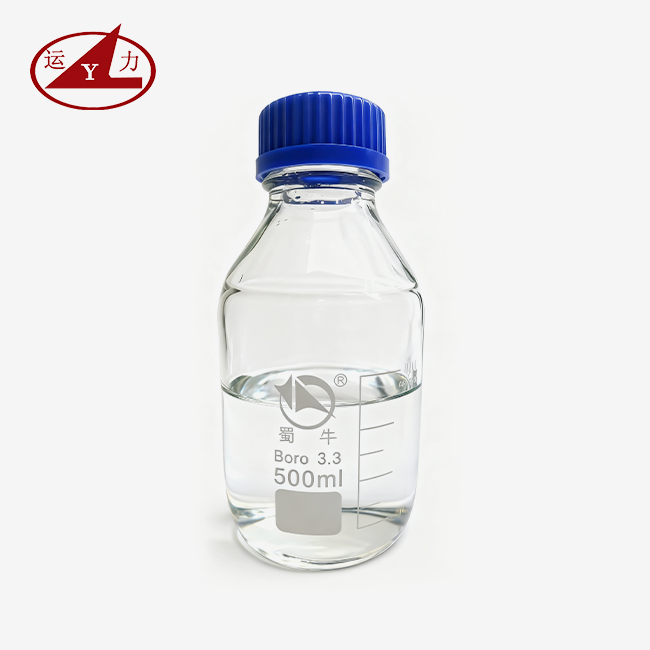
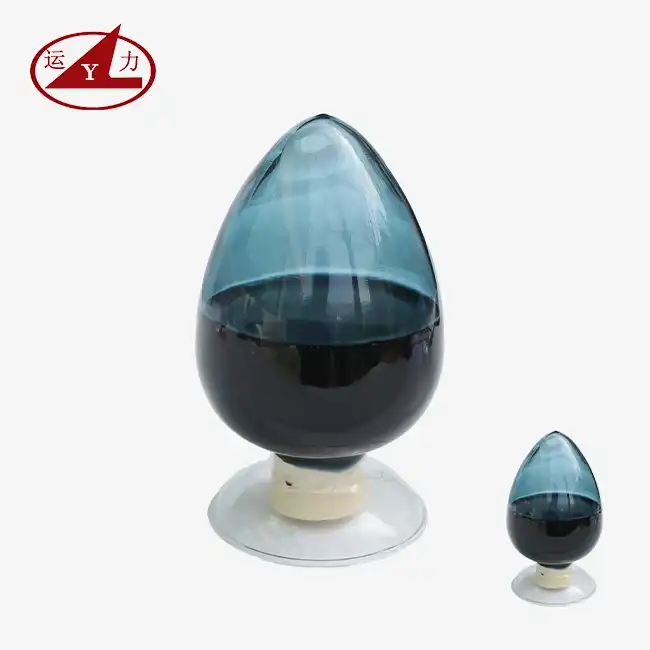
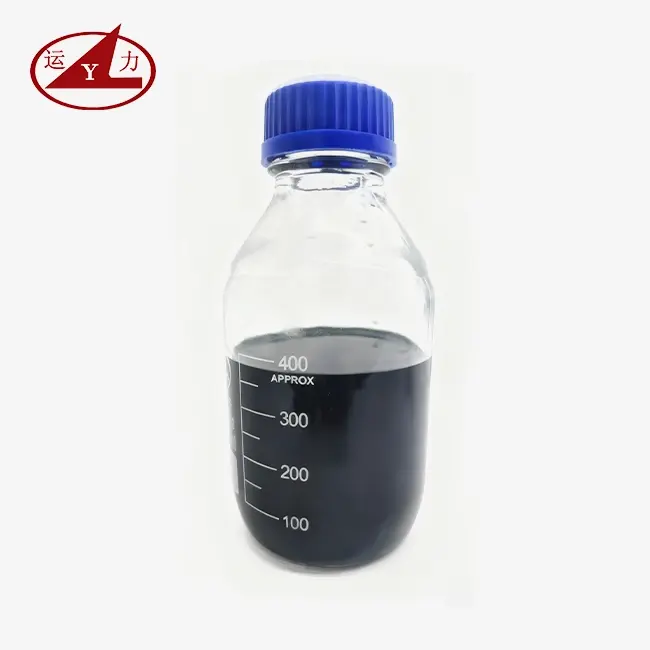
Chromium acetate 50% solution appears as a thick, grayish-green or bluish-green liquid under normal circumstances. It has a density of 1.25 to 1.35 g/cm³ and a pH of 3.5 to 4.5 so that chromium hydroxides don't form too quickly. The acetate ligand wraps around the Cr(III) ion and acts as a kinetic cushion. This lets the ion slowly move away during cross-linking or browning processes. It is very different from chromium salts based on chloride or sulfate, which tend to react too quickly and let harmful chloride ions into the equipment because they don't have this buffering property.
Safety, Compliance, and Storage
Hexavalent chromium substances are much more dangerous to live things than trivalent ones. Chromium(III) is not on OSHA's list of carcinogens, and it is not limited by REACH like chromium(VI) is. Still, the right rules for PPE, airflow, and spill control must be followed when handling things in a business setting.
Things will last longer than a year if you store them right. The density level stays the same when sealed packages are kept in a cool, dry place below 30°C. This stops concentration by evaporation. If you check the density before each batch dose, you can find concentration shift early on. This keeps the process quality high in the long run. Every package needs to have paperwork like a Safety Data Sheet (SDS) and GHS-compliant stickers in order to get through customs and stay legal at work.
Key Applications of Chromium Acetate in Textile and Industrial Fields
The compound's versatility stems from its ability to form strong coordinated bonds with carboxylate, hydroxyl, and amino groups found in natural and man-made substrates. It is useful in many high-value areas because of this trait.
Textile Dyeing and Mordanting
Chromium acetate is used in the printing and dyeing business to soften wool, cotton-wool mixes, silk, and man-made fibers. A mordant creates a chemical bond between the dye molecule and the fiber. This makes the fabric much better at keeping its color even after being washed. Studies on chrome mordant dyeing show that colors that are fixed on protein fibers with chromium can get wash fastness scores of 4–5 on the ISO 105–C06 scale. This is better than many synthetic fixatives. Solid chrome salts can cause dust problems, but the solution form is better for modern textile dyehouses because it doesn't have those problems.
Leather Tanning
Chrome is used to tan about 80% to 90% of the leather made in the world. When the trivalent chromium ion mixes with collagen carboxylate groups in the hide, strong cross-links are made. These cross-links make leather bendable, heat-resistant, and able to keep its shape. Chromium acetate solution is more effective than basic chromium sulfate at evenly and gently coloring the skin. This means that the hide doesn't need to be fixed as often, and each batch is more likely to be the same comfort level.
Catalyst Manufacturing and Organic Synthesis
It can also be used as a building block to make chromium-based catalysts that are used in industrial processes like making polyolefins and dehydrogenation reactions. It needs to be very pure and have less than 50 parts per million of chloride in order to be used as a catalyst. Trace metals like iron or copper can damage active sites. Yunli Chemical's grade has less than 30 parts per million (ppm) of iron, so it can be used in tough catalytic processes.
Photography, Film Printing, and Ceramics
Chromium acetate is widely used in the production of clay colorants and the development of photography film. Pots that can handle high temperatures get a steady green color from it. Heavy metals must meet strict rules that keep amounts of lead, cadmium, and arsenic below 5 parts per million when they are used in these cases.
Chromium Acetate vs Other Chromium Compounds: Making the Right Choice
Selecting the correct chromium source shapes both production efficiency and regulatory outcomes. Here is how the primary options compare across critical parameters:
- Chromium acetate vs. chromium chloride: Chloride types respond more quickly, but they also give off dangerous chloride ions that hasten corrosion in stainless steel mixing tanks and injection systems. The acetate molecule in chromium acetate slows things down, which gives process managers more control space. When used on leather and fabrics, the lack of free chloride also makes it less likely that chloride will damage the fibers.
- Chromium acetate vs. chromium sulfate: Basic chromium sulfate is used most often for painting leather because it is less expensive. On the other hand, sulfate-based systems make runoff with higher TDS levels, which makes it harder to treat wastewater. Chromium acetate solutions make leftover liquor with less sulfate. This makes it easier to follow the Clean Water Act and other similar laws around the world when it comes to releasing it.
- Chromium acetate vs. hexavalent chromium compounds: The difference between chromium acetate and hexavalent chromium compounds is obvious. It is known that Cr(VI) materials can give people cancer (Group 1, IARC), and REACH Annex XVII and the RoHS Directive 2011/65/EU put a lot of rules on them. You can follow these rules if you switch to trivalent chromium acetate and keep the quality of the coating when soldering and finishing the surface.
Procurement Guide: How to Source High-Quality Chromium Acetate?
You need to look at more than just price to find a seller you can trust that sells trivalent chromium salt. How stable the quality is, how many certifications there are, and how well the processes work all affect the health of the supply chain in the long run.
For starters, look at these papers to find a possible chromium acetate manufacturer: ISO 9001 (quality management), ISO 14001 (environmental management), and REACH registration papers. Suppliers that have OHSAS 18001 or ISO 45001 certification show that they follow safety rules that are based on making sure that each batch is the same. Ask for a Certificate of Analysis (CoA) for at least three previous production batches. This way, you can check the changes in the Cr³⁺ content, the stability of the pH, and the heavy metal trace data.
You save money on each unit and don't have to place as many reorders when you buy IBC tanks or drum packages in bulk. This is especially helpful for tanneries and electroplating plants that have production lines that are always going. Make sure that the seller includes SDS documents that are compliant with GHS with every shipment. These are the things that EU and US customs workers need to bring risky goods into the country.
Yunli Chemical doesn't use any middlemen in its export business. What it does itself. It saves time and cuts down on markups when getting papers ready. You can try free samples of up to 500 grams to see how good they are before you buy a lot of them.
Ensuring Quality and Safety: Verification and Documentation
Laboratory Testing Protocols
The first thing you need to do to be sure that a product is real is to find proof from a third party. ICP-MS or atomic absorption spectrometry data on iron, copper, lead, cadmium, and arsenic should be asked for. These tools are run on-site by Yunli Chemical's provincial-level technology center. This lets them send out full analytical reports fast. When you test the pH with a measured probe, the numbers should stay between 3.5 and 4.5 to make sure the solution stays stable while it is being moved and stored.
Technical Support and Batch Stability
There is one thing that procurement engineers worry about the most when they look at chrome coloring agents: how consistent they are from batch to batch. This problem is taken care of by Yunli Chemical with closed-loop process controls and Cr⁶⁺ reduction technology. No hexavalent chromium pollution will be found in the final solution lots because of this. Their additives that stop precipitation keep the solution clear for more than a year if it is stored correctly. This level of success has been shown to work by business partners in Europe.
Conclusion
Chromium acetate is unique in industrial chemistry because it combines good performance with regulatory compliance in a variety of uses, including dyeing fabrics, tanning leather, creating catalysts, and finishing surfaces. People who work in factories that have to follow stricter rules should choose this material because it doesn't corrode easily, reacts slowly, and doesn't harm the environment. There are risks in the supply chain when you don't have a well-thought-out plan to buy from a certified, experienced maker with clear paperwork and regular batch quality. Because it has been making chromium acetate for 20 years and has advanced research tools, Yunli Chemical can help you with even the most difficult chromium acetate needs in a safe and cost-effective way.
FAQ
What is the standard concentration of chromium acetate solution for textile use?
Most of the time, 50% (w/w) Cr³⁺ is used to mordantize textiles, but concentrations can be changed to fit the needs of the dyehouse process.
How does chromium acetate differ from chrome alum in leather tanning?
Chrome alum has sulfate and potassium ions that change the way tanning baths work chemically. The ionic profile of chromium acetate is cleaner, which results in less sulfate being released and more control over how the leather feels in your hand.
What certifications should I request from a supplier?
Ask for at least ISO 9001, ISO 14001, REACH registration, GHS-compliant SDS, and a multi-batch Certificate of Analysis that shows how much Cr³⁺, pH, density, and trace metals are present.
Is trivalent chromium acetate safe for wastewater discharge?
Trivalent chromium doesn't hurt water as much as Cr(VI) does. But the limits on output are different in each place. Before you plan your cleaning process, you should always look at your supplier's environmental safety records and the waste standards in your area.
Can the solution freeze during cold-weather shipping?
It freezes at temperatures between -20°C and -25°C. Using insulated boxes or heated containers is the best way to send things to cold places in the winter. To get the blend back to being smooth, let it thaw slowly and mix it well before you use it.
Partner with Yunli Chemical for Reliable Chromium Acetate Supply
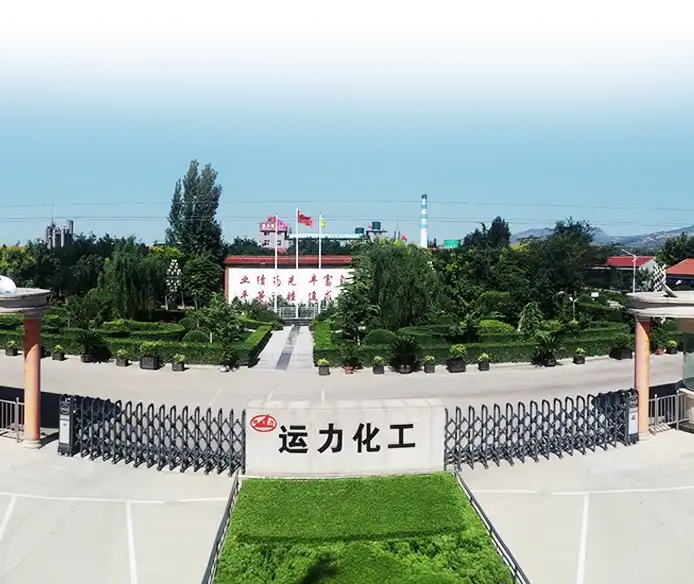
Industrial customers in four countries know they can trust Yunli Chemical to give them good chromium acetate options. We have ISO 9001, ISO 14001, and OHSAS certifications and are a well-known source of chrome acetate. We offer very few impurities, amounts that can be changed, and stable guarantees for a year. Try Yunli for free today and see what the difference is. To get more information and to talk about bulk prices, you can email us at wangjuan202301@outlook.com.

References
1. Covington, A. D. Tanning Chemistry: The Science of Leather. Royal Society of Chemistry, 2009.
2. Christensen, J. M. "Chromium in Industrial Processes." Applied Occupational and Environmental Hygiene, 2000.
3. European Chemicals Agency (ECHA). Restriction of Hazardous Substances: Chromium VI Compounds. ECHA Report, 2021.
4. Hauber, R., and Lamparter, T. "Chromium Mordant Dyeing of Wool: Mechanisms and Colorfastness." Journal of the Society of Dyers and Colourists, 1998.
5. International Agency for Research on Cancer (IARC). Chromium, Nickel and Welding. IARC Monographs on the Evaluation of Carcinogenic Risks to Humans, Vol. 49, 1990.
6. Nair, S., et al. "Chromium(III) Complexes as Catalysts in Organic Synthesis: A Review." Catalysis Reviews: Science and Engineering, 2015.