


Can Ferric Nitrate Nonahydrate Be Used in Chemical Synthesis Safely?
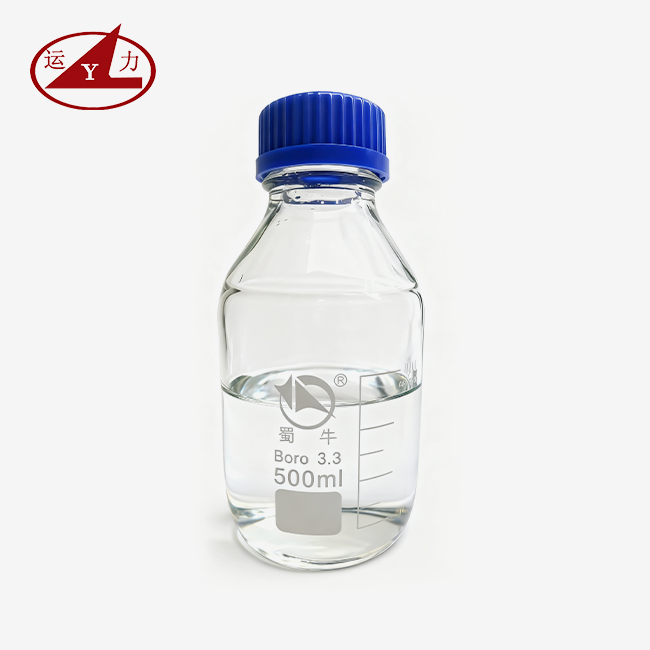
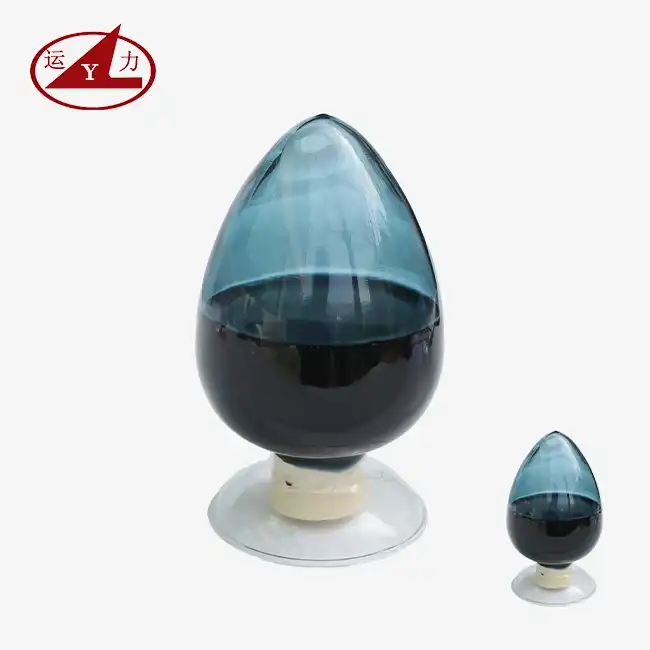
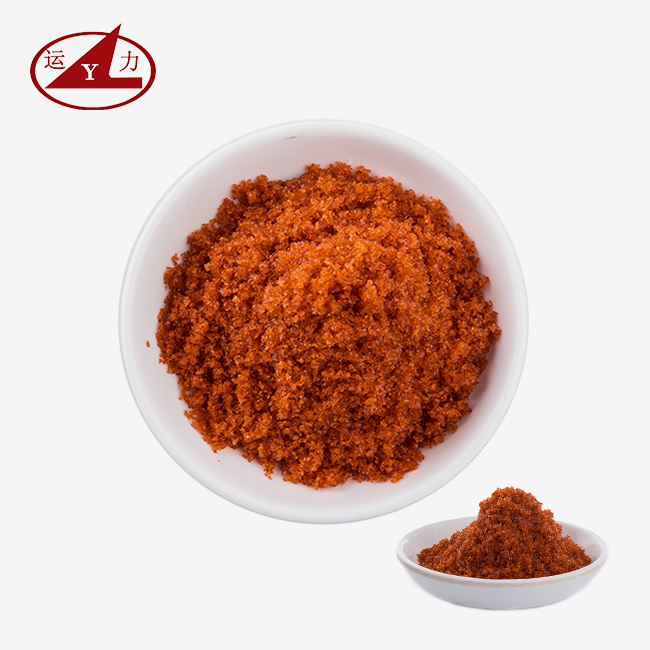
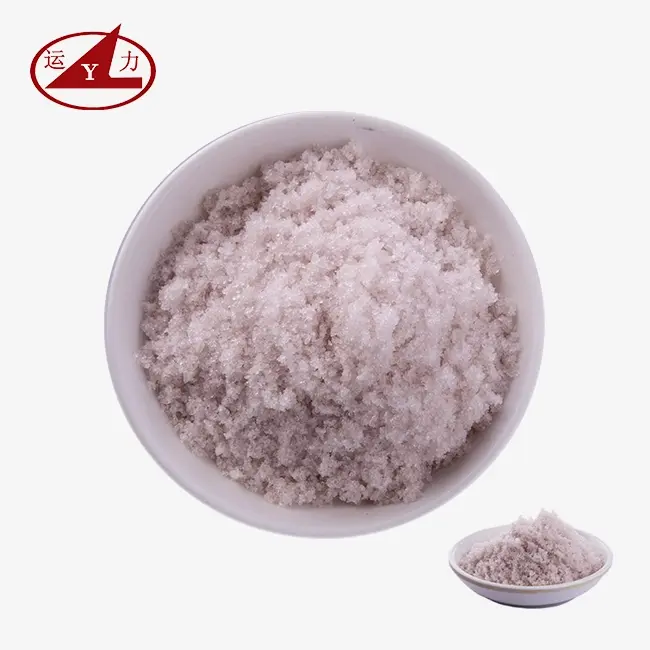
Ferric nitrate nonahydrate (Fe(NO₃)₃·9H₂O, CAS 7782-61-8) can absolutely be used in chemical synthesis safely — provided you understand its oxidizing nature and follow established handling protocols. With a molecular weight of 404.01 g/mol and a melting point of just 47.2°C, this purple crystalline compound delivers reliable reactivity across catalyst production, metal surface conditioning, and specialty chemical synthesis. Its high solubility in water, ethanol, and acetone makes it exceptionally versatile, but its strong oxidizing character demands respect. Handled correctly, it is a workhorse reagent trusted by industrial manufacturers worldwide.
Understanding Ferric Nitrate Nonahydrate in Chemical Synthesis
It is clear that the chemistry field needs iron(III) nitrate nonahydrate. Iron oxides and nitrogen oxides are all that are left over when it is burned. It is not the same as halide-based iron salts, which leave behind chloride or sulfate that can hurt catalyst surfaces or rust sensitive gear.
Key Physical and Chemical Properties
The specific gravity of it is 1.68, and it looks like violet gems with faces. High deliquescent means it actively takes in water from the air, and it can melt in some places when the temperature goes above 30°C. It breaks down at about 125°C, going through basic nitrate steps before giving off iron(III) oxide. Calcination gets rid of all the non-iron species, leaving only the iron oxide phase on silica or alumina supports. This way of breaking down is great for making catalysts.
Role in Synthesis Reactions
In the study of oxidation and nitration, Fe(NO₃)₀ is a weak and selective oxidant. It has been used in organic synthesis, especially in the oxidative nitration of aromatic compounds without a solvent, which is a reaction that is valued for using fewer atoms and having less of an effect on the environment. It's easy to dissolve in water and gives you precise control over the concentration of impregnation solutions, which is important for loading the catalyst evenly.
Safety Considerations When Using Ferric Nitrate Nonahydrate
To do something safely, you need to know about the risks. Iron(III) nitrate is a Class 5.1 Oxidizer according to UN 1466. As soon as it comes in touch with reducing agents, organic acids, or things that can catch fire, it can start a fire or an explosion. For ferric nitrate nonahydrate, these hazards are especially important to manage because the solid form is hygroscopic, highly water-soluble and must be stored away from incompatible materials to prevent dangerous reactions.
Teams in charge of buying things and running things should follow these safety rules:
- Personal Protective Equipment (PPE): Chemical splash goggles, acid-resistant gloves (nitrile or neoprene), and a lab coat or chemical-resistant apron are mandatory. The compound causes skin irritation and mucosal damage on direct contact.
- Storage Conditions: Store in sealed, moisture-resistant HDPE drums in a cool, dry environment below 25°C. Keep segregated from organic chemicals, flammable materials, and reducing agents. A sealed container limits hygroscopic degradation and caking.
- Ventilation: Handle in a well-ventilated area or under a fume hood. Nitrogen oxide fumes released during decomposition are irritating and potentially harmful at sustained exposures.
- Waste Disposal: Neutralize dilute solutions with sodium bicarbonate before disposal. Follow federal and state regulations under RCRA and local wastewater discharge limits for nitrate and iron ions.
Safety gear for people (PPE): You need to wear a lab coat or a skirt that can handle chemicals, chemical splash masks, and acid-resistant gloves made of rubber or neoprene. The compound hurts the mucosa and irritates the skin when it comes into contact with it.
Comparing Ferric Nitrate Nonahydrate with Alternative Iron Salts
A lot of the time, buying managers look at ferric chloride, ferric sulfate, and iron(III) nitrate and decide which one is best. Every salt has its own pros and cons. The best one to use will rely on the chemistry of your process and how your equipment is set up.
It's easy to find ferric chloride and doesn't cost much. However, chloride ions hurt stainless steel pipes and get in the way of biological treatment steps further down the sewer line. Ferric sulfate leads to sulfate loading, which can be a problem when testing drinking water because sulfate levels need to be kept in check.
No need to worry about these issues when you use iron(III) nitrate nonahydrate. Its nitrate anion breaks down during calcination, so there is no pollution left over. Even though it costs a little more per unit, ferric nitrate is better for places where chloride-induced pitting is known to not work, like bioreactors made of stainless steel or precise etching baths for silver alloys. Iron(III) nitrate often has better economics over the whole production cycle when you look at the total cost of ownership, which includes things like equipment rust, reagent cross-contamination losses, and how hard it is to clean wastewater.
Effective Procurement Strategies for Ferric Nitrate Nonahydrate
To make sure that this product has a good supply line, it takes more than just getting a good price. It is very important for catalysts and pharmaceutical intermediates to be uniform from batch to batch, because spikes in impurities can ruin whole production runs. For ferric nitrate nonahydrate, this batch-to-batch consistency is what separates a reliable long-term supplier from a vendor that only looks good on a quotation sheet.
The most important things to look for in a ferric nitrate nonahydrate source are the following papers and skills:
- Certificate of Analysis (COA): Verify purity ≥98%, chloride ≤100 ppm, and pH of a 10% solution within 1.5–2.5. For catalyst-grade requirements, request ≤10 ppm heavy metals.
- Safety Data Sheet (SDS/MSDS): Confirm the document references CAS 7782-61-8 and is current to applicable GHS standards.
- Quality System Certifications: ISO 9001 certification provides baseline assurance of production process control. Suppliers holding ISO 14001 environmental management certification add a layer of regulatory compliance relevant to your own ESG commitments.
- Sampling Policy: Reputable manufacturers offer free samples (up to 500 g) before committing to bulk orders. This allows technical validation before financial exposure.
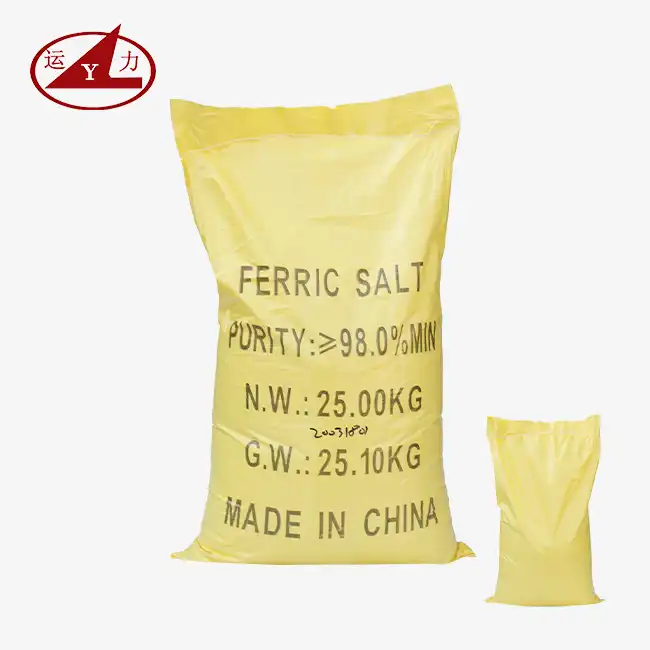
- Packaging Options: For moisture-sensitive shipments, 25 kg PE bags with inner liners, 500 kg drums, or ISO tanks should all be available, with clear UN labeling for oxidizer transport compliance.
At these steps, procurement managers get the information they need to make smart buying decisions that are backed up by facts. This keeps supply-chain risk to a minimum.
Best Practices for Using Ferric Nitrate Nonahydrate Safely in Chemical Synthesis
Before the reaction vessel is filled with gas, the process is safe. As part of getting ready for the response, you should check that none of the tanks have any organic waste left in them and that the ventilation system is working. Mix small amounts of iron(III) nitrate with water or ethanol over time to avoid exothermic spikes in one area. Do not put a lot of it into a warm fluid all at once. For ferric nitrate nonahydrate, these precautions are essential because its strong oxidizing nature and high water solubility can lead to rapid heat release if added too quickly or mixed with incompatible residues.
To make something, you should always keep an eye on the reaction's temperature. It only melts at 47.2°C, so temperatures above 40°C can make deliquescence happen faster and change what's in solution-phase processes. Kind all the waste streams that have iron and write them down so that they can be thrown away safely after the reaction.
A helpful hint for fixing problems: if your reagent stock turns yellow-brown before you use it, that means that some of it has been partially hydrolyzed to basic iron nitrates. This means that water got into it while it was being stored. For exact jobs, this kind of material shouldn't be used until it has been tested again. This is because the impurities may have changed and are now above or below what is allowed.
Conclusion
If you know how to use it right, iron(III) nitrate nonahydrate is a useful and adaptable chemical-making reagent. It is a common iron source used to make specialty chemicals, metal surface treatments, and catalysts because it breaks down cleanly, dissolves in a wide range of substances, and can be adjusted for clarity. There are real safety rules that need to be followed, but they can be done with normal safety processes at work. If you buy from a qualified, experienced maker who can offer certified COAs, customizable grades, and consistent batch quality, you can avoid most of the practical risks we've talked about here. For ferric nitrate nonahydrate, choosing the right supplier is ultimately what turns a hazardous material into a manageable, high-performance raw material for industrial production.
FAQ
Does ferric nitrate nonahydrate corrode lab equipment?
It oxidizes things and has an acidic pH in solution (1.5 to 2.5 for a 10% solution), which breaks down many metals. Use HDPE, glass, or PTFE boxes to hold things. People can touch stainless steel for a short time, but if it's out in the open for a long time, the surface could rust.
What storage conditions prevent caking and degradation?
Do not open the HDPE cases. Store below 25°C in a dry place with a relative humidity of less than 50%. If the conditions are right, anti-caking ingredients added by the maker can extend the shelf life past the usual 12 months.
How does it differ from ferric sulfate in water treatment?
Iron(III) nitrate doesn't add sulfate to treated water. This makes it better in systems that need to control the amount of sulfate or that have biological processes further down the line that are affected by sulfate blocking. When you use something other than ferric chloride, you run the risk of chloride rusting.
Can it be used in pharmaceutical intermediate synthesis?
For sure, reagent-grade (>99%) materials are used in drug research. To be sure it's safe for processes that are close to GMP, buyers should ask for a full impurity profile that includes ICP-MS analysis of heavy metals.
Request a Sample from Yunli Chemical — Your Trusted Ferric Nitrate Nonahydrate Manufacturer
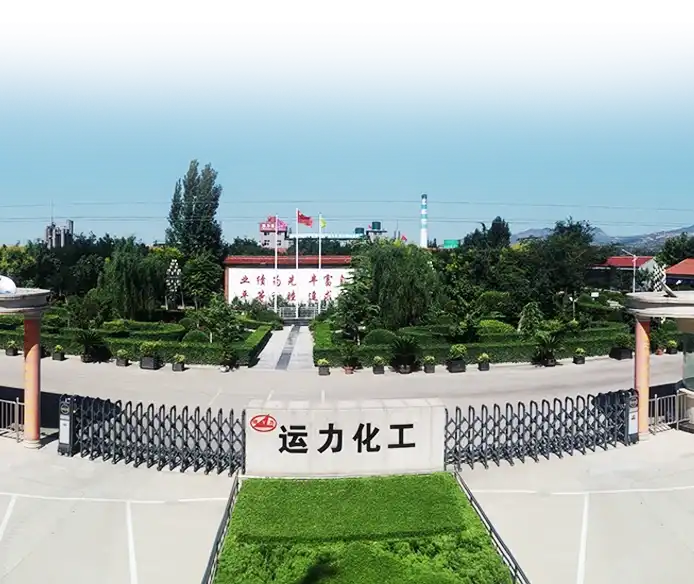
It has sold more than 1 billion yuan worth of high-purity Fe(NO₃)₃·9H₂O to makers all over the world since 2005. The business is certified by ISO 9001, ISO 14001, and OHSAS, and it makes more than RMB 1 billion in sales every year. You can change the purity grade to fit your needs, and we offer free samples up to 500 g with no minimum order amount. Reach out to our knowledgeable staff right away at wangjuan202301@outlook.com to see the full list of needs and ask for a sample.
References
1. Khurana, J. M., & Sharma, P. — Synthesis (2002). Ferric Nitrate as an Effective Reagent for Oxidative Nitration of Aromatic Compounds.
2. Cotton, F. A., & Wilkinson, G. — Advanced Inorganic Chemistry, 6th ed., Wiley (1999).
3. Greenwood, N. N., & Earnshaw, A. — Chemistry of the Elements, 2nd ed., Butterworth-Heinemann (1997).
4. March, J. — Advanced Organic Chemistry: Reactions, Mechanisms, and Structure, 4th ed., Wiley (1992).
5. Ullmann's Encyclopedia of Industrial Chemistry — Wiley-VCH (2012). Iron Compounds: Industrial Applications and Safety.
6. National Institute for Occupational Safety and Health (NIOSH) — Pocket Guide to Chemical Hazards, U.S. Department of Health and Human Services (2019).