


Which Copper Nitrate Solution Liquid Grade Fits Industrial Needs?
Selecting the right copper nitrate solution liquid grade directly determines whether your production line runs efficiently or faces costly disruptions. Industrial buyers across catalyst manufacturing, electroplating, agrochemicals, and ceramics coloring need more than a commodity chemical—they need a precisely formulated, batch-stable aqueous copper nitrate solution that matches their exact process tolerances. With concentration ranges spanning 10–60% Cu content and purity tiers from standard industrial to 4N-grade high-purity, matching the correct grade to your application is a decision that affects yield, compliance, and long-term supplier relationships.

Understanding Copper Nitrate Solution Liquid: Properties and Uses
Chemical Identity and Physical Behavior
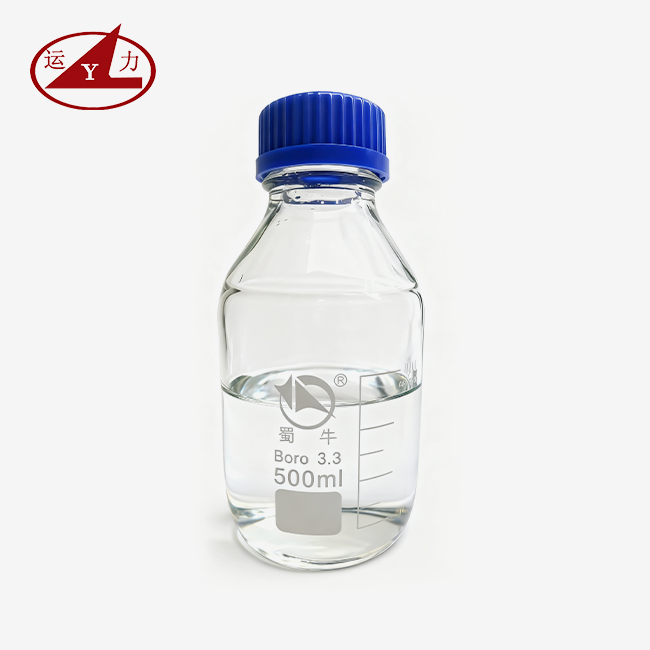
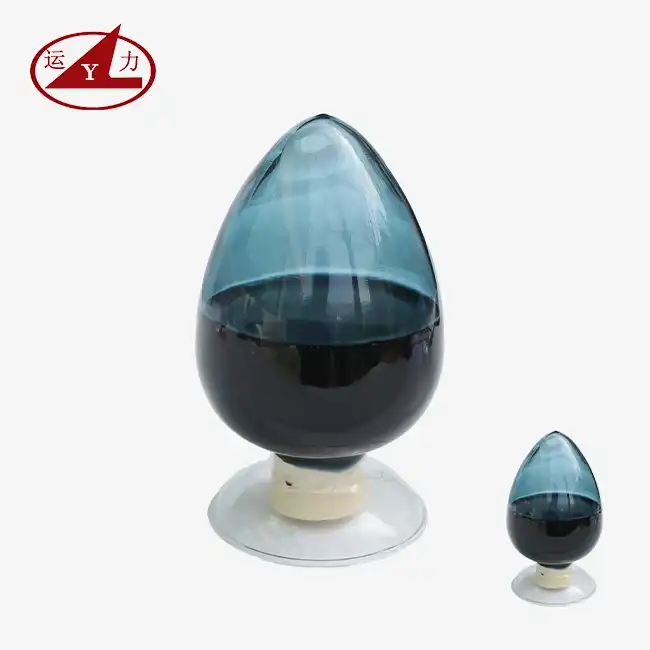
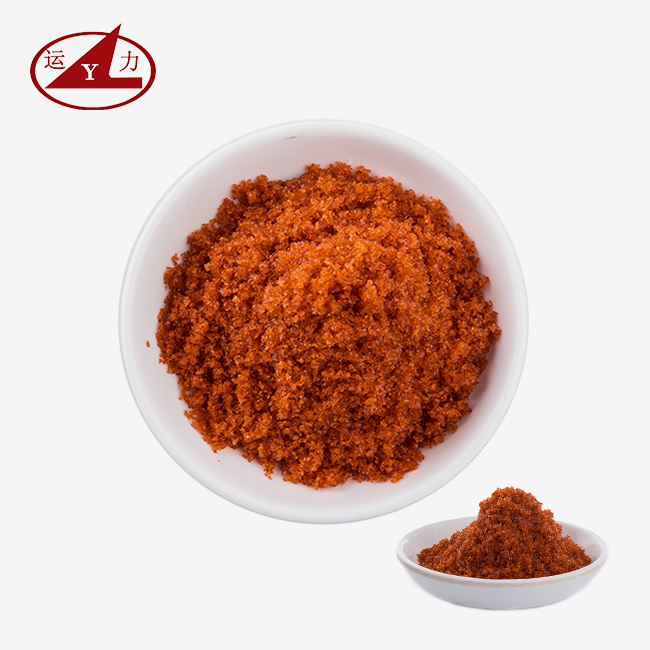
Copper nitrate solution liquid is made from copper nitrate trihydrate (CAS# 10031-43-3), which has the formula Cu(NO3)2H2O and a molecular weight of 241.6. It comes in the form of dark blue columnar crystals that have a specific density of 2.05 and a melting point of 114.5°C. When heated above 170°C, it breaks down and releases harmful nitrogen oxide gasses. What you get is a clear, deep blue liquid that mixes completely with water. It is strongly acidic and highly oxidizing. The solid form absorbs water and is dangerous to handle, but the pre-dissolved liquid completely eliminates the need to make dust and dissolve the material.
Industrial Applications That Drive Demand
Many more end-use businesses depend on cupric nitrate solutions than most buying teams think at first. When making a catalyst, the liquid fills the alumina and silica supports, making it possible for the copper active site to be spread out evenly. This is important for converting NOx and oxidizing hydrocarbons. In electroplating and PCB surface treatment, it raises the concentration of copper in soldering pools without adding contaminants that can't dissolve. The people who make agricultural chemicals use it to add copper micronutrients to water-soluble fertilizers and to make copper-based fungicides. Ceramic and textile companies depend on it to make sure that the copper-salt color stays the same from batch to batch.
Key Decision Criteria for Selecting Copper Nitrate Solution Grade
Picking between grades isn't a matter of personal taste; it's a legal and technical matter with clear results that can be measured.
Copper content concentration, trace impurity profile, and solution stability are the three most important things to look at when judging a supplier's product. Stoichiometry is directly controlled by concentration; a 2% difference in Cu% can cause dose mistakes all along an automatic production line. At amounts as low as 50 ppm, trace elements like iron, chloride, and sulfate can damage the catalyst or cause a plating flaw. Solution stability, which means not crystallizing and keeping the same pH during storage and shipping, keeps the purity of the product safe between the plant and your reactor. For copper nitrate solution liquid, these three criteria — Cu concentration, impurity control and storage stability — are what separate a dependable industrial supplier from one that only meets the minimum specification.
It is clear that liquid solutions work better than solid copper nitrate crystals. To dissolve solid nitrate, you need hot dissolving tanks, more energy, more workers to move the solid, and systems to keep the dust down. These costs go away when you get a ready-to-use liquid. The liquid form also lets exact automatic dosing happen without having to weigh by hand, which cuts down on mistakes made by people and makes it easier to repeat batches.

More and more, sustainability criteria can't be changed. When buyers are under REACH or RoHS pressure, they need suppliers who recycle nitrate wastewater and keep NOx emissions from going out into the air.
Matching Copper Nitrate Solution Grades to Industrial Needs
High-Purity Grade for Electronics and Advanced Catalysts
For PCB plating lines and heterogeneous catalyst synthesis, controlling impurities at a level below ppm is necessary. A cupric nitrate solution that is very pure (Fe ≤ 5 ppm, Cl⁻ < 10 ppm, and SO₄²⁻ < 10 ppm) stops the catalyst from losing its function and plating micro-voids from appearing. At this level, it is common practice to use ICP-OES to check each batch.
Standard Industrial Grade for Agricultural and Ceramic Applications
Ceramic colorists and people who make chemicals for farming use wider tolerance bands. A standard-grade copper nitrate solution in water that has Fe/Na levels below 30 ppm and Cl⁺/SO₄ levels below 50 ppm works consistently and costs less. This level is good for mixing water-soluble fertilizer and copper-salt pottery glaze without setting too high of a purity standard.
Custom Formulations for OEM and Specialty Requirements
For some projects, like custom coatings, closed-loop electroplating systems, or alkaline-soil fertilizer mixes, brighteners or EDTA chelation agents need to be added directly to the solution. Custom concentration changes from 10% to 60% Cu content and pH tuning between 1.5 and 3.0 let procurement teams get a ready-to-use raw material instead of having to blend it themselves. These custom partnerships cut down on steps in the process and improve quality control at the buyer's location.
Procurement Guide: How to Buy the Right Copper Nitrate Solution Liquid?
When buying a dangerous oxidizer with strict storage and shipping rules, it is important to carefully evaluate each seller. These are the main things that procurement managers and quality assurance engineers always look for in a copper nitrate solution liquid supplier:
- Certificate of Analysis (COA) with ICP-OES data: Every shipment should arrive with verified Cu%, free acid (pH), Fe, Cl⁻, SO₄²⁻, and insoluble matter readings. Gravimetric or titration methods for copper content and ion chromatography for anion verification are the industry benchmarks.
- Certifications and management systems: ISO 9001 for quality, ISO 14001 for environmental management, and OHSAS for occupational safety are the baseline. REACH and RoHS compliance documentation is essential for export to the U.S. and European markets.
- Hazardous goods logistics capability: Copper nitrate solution is classified as a strong oxidizer. Suppliers must demonstrate compliant dangerous goods packaging (UN-certified IBC totes or HDPE drums), proper labeling, and documentation for international sea or road freight.
- Trial order flexibility: Reliable suppliers offer samples—ideally up to 500 grams free of charge—and accept small trial orders without minimum quantity constraints before long-term contracts are negotiated.
Together, these factors lower the risk in the supply chain and support the technical evaluation → sampling → production trial cycle that most B2B buyers go through before they choose a provider they will use again.
Storage at the buyer's place of business also needs attention. To keep the copper nitrate solution from crystallizing, it should stay above 15°C. It is best to use HDPE, cross-linked polyethylene, or glass-lined containers because SS304/316 stainless steel corrodes when free nitric acid and the acidic nature of the solution work together.
Case Studies: Successful Applications of Different Copper Nitrate Solution Grades
A company that makes methanol synthesis catalysts switched from dissolving solid copper nitrate trihydrate to getting a high-purity liquid that was already dissolved. The batch preparation time was cut by 15%, and Fe pollution that was making the catalyst work inconsistently was removed. Dosing was done automatically instead of by hand, which got rid of a major source of batch variation. For copper nitrate solution liquid, this real-world case shows how the shift from solid to liquid form improves consistency, reduces contamination risk and supports automated production in catalyst manufacturing.
A Southeast Asian business that makes copper-based fungicides switched to a standard-grade cupric nitrate mix that includes EDTA. The pre-blended liquid worked with their closed-loop reactor feeding system, saved them time by not having to blend the liquid themselves, and cut down on the crystallization problems that had stopped production in the cooler months.
A pottery company needed to make sure that big batches of tiles all had the same cobalt-blue tones, so they settled on a 20% Cu solution with tightly controlled sulfate levels. The color band flaws caused by solid-batch variations were fixed by making the ionic content the same across all tanks.
Conclusion
Choosing the right grade of copper nitrate solution can have a big impact on cost, yield, and safety. Electronics, catalysts, and precise plating all use high-purity liquid formulas. Standard grades are good for farming and making ceramics without being too specific. Custom formulations fill in the blanks for unique OEM uses. The liquid form, instead of solid trihydrate crystals, always lowers the total cost of ownership because it gets rid of the infrastructure needed for breakdown and makes it safer to handle.
Three important parts of a good buying plan are matching grade to application, checking COA data, and working with a certified, experienced producer. For copper nitrate solution liquid, these three steps help buyers avoid concentration errors, trace impurity problems and supply instability that can disrupt catalyst production, electroplating lines and other precision industrial processes.
FAQ
What concentration of copper nitrate solution works best for catalyst impregnation?
Most heterogeneous catalyst producers use 15–25% Cu concentration to achieve target copper loading on alumina supports without exceeding the pore volume of the support material. Higher concentrations risk uneven distribution. Always verify against the support's water absorption index before fixing the impregnation volume.
How should I store copper nitrate liquid to prevent crystallization?
Store the solution above 15°C (59°F) in HDPE or polyethylene-lined containers. If crystallization occurs, gentle warming and agitation will redissolve the salt. Avoid stainless steel tanks; free nitric acid and the oxidizing nature of the solution cause gradual corrosion of SS304/316.
What distinguishes copper nitrate solution from copper sulfate solution?
Copper nitrate solution introduces no sulfate ions, which is critical when sulfate would interfere with the target chemistry—such as in certain electroplating baths or nitrate-based fertilizer formulations. Copper sulfate solution is lower cost but unsuitable wherever anion cross-contamination is a process risk.
Is liquid copper nitrate safer to handle than the solid trihydrate?
The liquid eliminates the hygroscopic dust associated with solid crystals, reducing inhalation exposure. However, spill containment is more critical—liquid spills spread quickly. Neutralization kits with soda ash and HDPE containment dikes must be immediately accessible.
Partner with Yunli Chemical for Precision Copper Nitrate Solutions
Yunli Chemical is a reliable company that has been making copper nitrate solution liquid for more than 20 years. They have ISO 9001, ISO 14001, and OHSAS standards, and their prices are factory-direct, so there are no middlemen. Our options cover 10–60% Cu content, Fe/Na ≤ 30 ppm, and full shipping regulations for dangerous goods for buyers around the world. You can email wangjuan202301@outlook.com to ask for a free sample and COA right now.

References
1. Journal of Catalysis — "Copper-Based Catalyst Preparation via Impregnation with Copper Nitrate Precursors," Elsevier, 2019.
2. Surface and Coatings Technology — "Role of Electrolyte Purity in Copper Electroplating Bath Performance," Elsevier, 2021.
3. Journal of Agricultural and Food Chemistry — "Copper Micronutrient Delivery Systems in Water-Soluble Fertilizers," ACS Publications, 2020.
4. Chemical Engineering Journal — "NOx Emission Control in Industrial Nitrate Processing Facilities," Elsevier, 2018.
5. Journal of Hazardous Materials — "Oxidizing Hazard Classification and Safe Handling of Inorganic Nitrate Solutions," Elsevier, 2017.
6. Industrial & Engineering Chemistry Research — "Liquid vs. Solid Precursor Selection for Metal Oxide Catalyst Synthesis," ACS Publications, 2022.