


Can I find cobalt nitrate hexahydrate with guaranteed analysis certificates?
Absolutely, yes. Yes, of course. You can and should get Cobalt Nitrate Hexahydrate with analysis papers that can be checked when you buy it at a commercial level. Brands with a good name send full Certificates of Analysis (COA) with every batch. These COAs have details about levels of purity, profiles of impurities, and safety papers such as MSDS and environmental reports.
These certificates are what your quality control system is built on. They prove the item meets the strict standards needed to make catalysts, cell materials, surface treatments, and medicines. If the people you work with have ISO certification, you can be sure that your supply chain is clear, consistent, and meets all the rules.
Understanding Cobalt Nitrate Hexahydrate and Its Importance
What Is Cobalt Nitrate Hexahydrate?
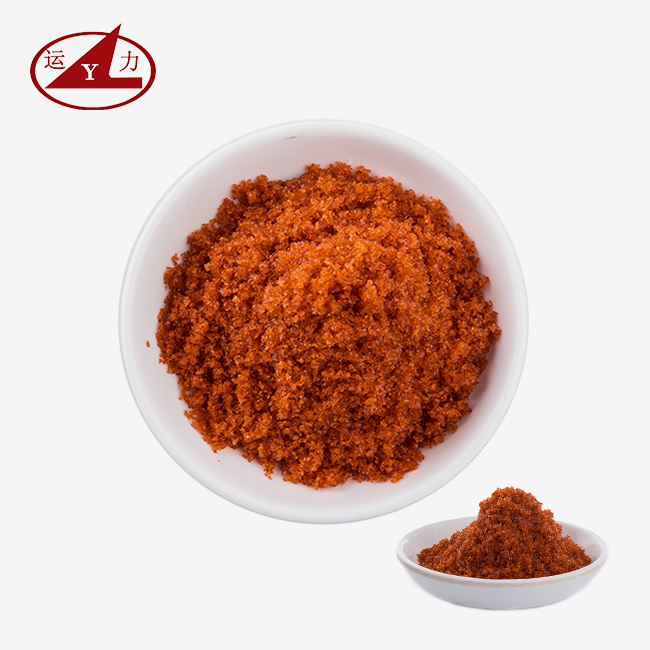
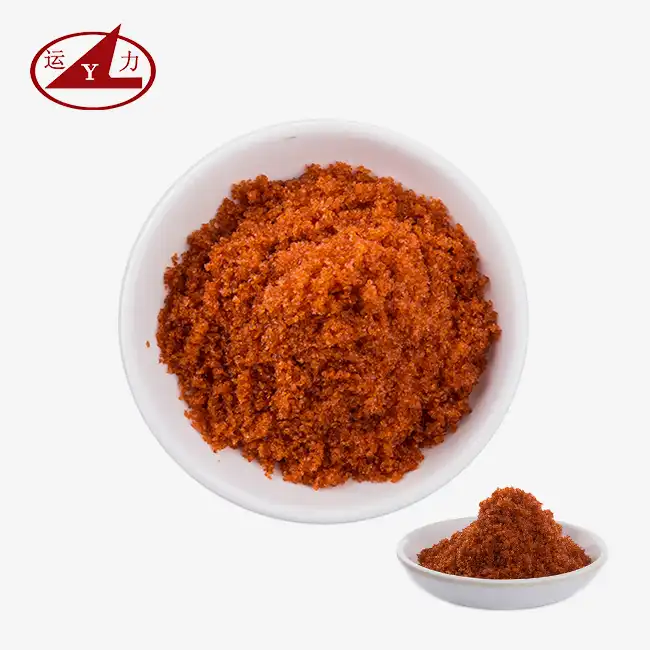
If you look at the molecular formula for Cobalt Nitrate Hexahydrate (CAS# 10026-22-9), it is Co(NO₃)₂·6H₂O, and the molecular weight is 291.03 g/mol. Because this solid red-brown substance is so easy to dissolve in water, ethanol, and acetone, it is often used as a starting material for chemical processes that happen in liquids. It melts between 55°C and 56°C, and it's very easy for it to take in water from the air because it's hygroscopic. The chemical reacts strongly with organic materials and is a strong oxidiser. It needs to be handled and kept with great care because of this.
Buying managers like this molecule because it can release cobalt ions evenly into solution. This makes it possible to control the stoichiometry of the production process very precisely. Not like the cobalt carbonate or oxide forms, the nitrate form breaks down quickly and doesn't need strong acids to do so. In many areas, from industrial processes to making lithium-ion battery cathodes, this speeds up the production process.
Why Guaranteed Analysis Certificates Matter
Make sure you get sure research papers when you buy drugs from other companies. This will lower your risk. There are quality factors that are unique to each batch that these papers prove. Some of these are the amount of cobalt (usually ≥98.0% for industrial grade and ≥99.5% for electronic grade), the amount of salt, the amount of iron, nickel, copper, and zinc that are present, and the amount of matter that doesn't dissolve in water. You could bring in contaminants that mess up chemical processes, make batteries less effective, or cause equipment to rust if you don't have these licenses.
If the labs you get your certification from use ICP-OES (Inductively Coupled Plasma Optical Emission Spectroscopy) or EDTA complexometric titration, you can be sure that they meet your technical needs. Regulatory bodies in the US and Europe need written proof of chemical makeup when goods are cleared through customs and when they are checked for environmental compliance. These papers are necessary for trade with other countries because of this.
Key Specifications and Safety Data for Cobalt Nitrate Hexahydrate
Critical Purity and Quality Parameters
Here are some important things to keep in mind about certificates of analysis that have a direct impact on how well the application works. The cobalt level test shows how much of the active ingredient there is. Small amounts of metals, mainly iron (Fe), must stay below 30 parts per million (ppm) for the catalyst to continue to work in hydrodesulfurization processes. It shouldn't have more than 0.01% of matter that doesn't dissolve in water so that spray pyrolysis tubes or cleaning systems don't get stopped up while they're being used.
Extra care should be taken with sulphate (SO₄) smog. Sulphur is added to catalyst supports in even small amounts above 0.02%. This makes them less useful for tasks that need to get rid of sulphur. Also, the chloride (Cl⁻) level needs to stay below 0.005% so that stress corrosion doesn't cause the stainless steel reactor tanks to crack during high-temperature calcination. There are less than 100 parts per million of total impurities in high-purity types that are used to make medicinal chemicals or electrical materials. The rules for these marks are tighter.
It's also important what the shape is. This is because crystalline types run more easily, making them better for automatic dosing systems. Hydrophilic grades, on the other hand, need to be wrapped in desiccants so they stay loose while they are being kept and shipped.
Safety Data Sheet Information and Handling Protocols
Cobalt Nitrate Hexahydrate needs to be carefully thought through because it can cause oxidation and could be bad for your health. The Safety Data Sheet says it is an oxidiser (UN Number 1477, Class 5.1), which means it needs to be moved away from things that can catch fire and things that can reduce the amount of oxygen in the air. They need to be kept in places with lots of air flow because organic materials can catch fire or explode if they touch them.
It can be harmful to your health if you eat, breathe in, or receive it through your skin. In order to make sure that warehouse workers know how to properly handle powder forms, buying teams must teach them how to use safety gear like respirators, rubber gloves, and safety glasses. To move a lot of things at once, you need special cases with ways to let the pressure out so that gas doesn't build up during transport. Also, this is very important in hot places where the temperature might get close to the compound's freezing point.
Cobalt is mostly a worry for the environment because it is poisonous to water and is considered a dangerous chemical by REACH rules. EPA rules say that trash must be thrown away in a way that gets rid of cobalt ions before it is dumped into the earth. The value of suppliers who show closed-loop wastewater treatment and NOx pollution limits comes from the fact that they make it easier for you to meet future environmental standards.
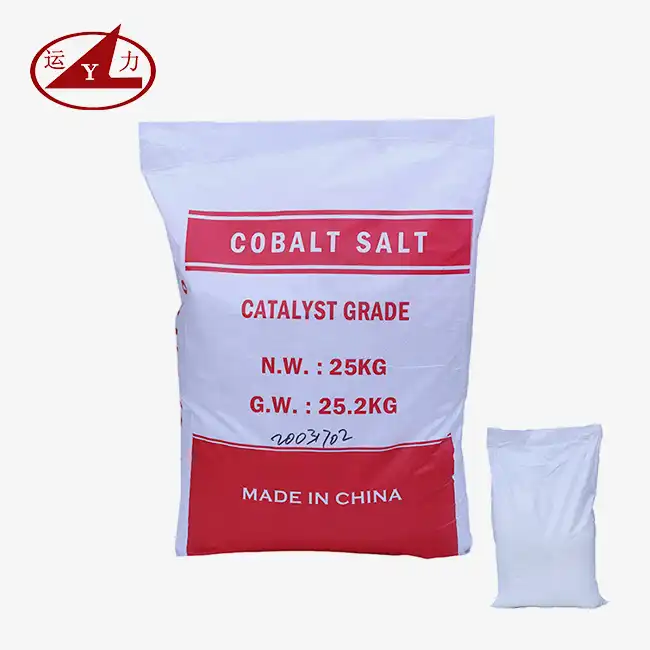
Comparing Cobalt Nitrate Hexahydrate with Alternative Cobalt Compounds
Chemical and Physical Differences
Cobalt sulphate heptahydrate is less expensive, but it releases sulphur into the air, which makes it harder to handle later. More and more, companies that make battery cathodes are picking the nitrate form because it turns into pure cobalt oxide when heated and doesn't leave behind salt that takes a long time to clean up. Because nitrate dissolves more easily than salt (134 g/100 mL at 0°C vs. 36 g/100 mL), the breakdown process goes faster. This means that in high-throughput plants, batch preparation time is cut down.
Cobalt Nitrate Hexahydrate is very simple to dissolve, but it can rust tools made of stainless steel. Ions of chlorine attack oxide layers that aren't doing anything. This causes cracks and equipment failures during long production runs. Nitrate doesn't have this risk, so it's the best choice for making catalysts over the long term.
It is also possible to use anhydrous cobalt nitrate, but its crystals don't stay together as well as the hexahydrate form does. Because it makes people crazy, it's hard to handle and can lead to dose mistakes. It is stable and easy to work with because it has a set amount of water (37% by mass). It's also accurate at weight-based doses over many production runs.
Application-Specific Selection Criteria
For making the catalyst for hydrodesulfurization, the nitrate form needs to have a clean breakdown profile. It turns into Co₃O₄ right away when cooked to 300–400°C, leaving no nitrate behind. This makes it easier to get to the active spot on the alumina supports. Ceramic artists who want to use bright cobalt blue colours need dyes that have almost no iron (less than 10 parts per million), which can only be made from very pure nitrate grades. Low-grade oxides, on the other hand, make the colour change.
When nickel and manganese intermediates are mixed with the nitrate, they work well together. This makes the nitrate a good ingredient for making battery materials. The cathode always has the same parts because the solution is mixed at the atomic level. In other words, lithium-ion cells can be used more often and stay safe at high temperatures. The compound's ability to make conversion coats on zinc and aluminium is used for surface cleaning. These coats protect against rust without the health risks of hexavalent chromium.
How to Source Cobalt Nitrate Hexahydrate with Guaranteed Analysis Certificates
Evaluating Supplier Reliability and Certifications
Quality control methods need to be looked at before a supplier is chosen. Getting ISO 9001 approval means that the way things are made is standardised so that there aren't many changes between runs. The supplier's ISO 14001 environmental approval shows that they have systems in place to deal with waste and keep emissions under control. This means that your supply chain has less of an effect on the environment. If an OHSAS 18001 or ISO 45001 certificate is present, it means that the workplace is safe and accidents don't tend to stop work as often.
Third-party laboratory approval lets you know which providers you can trust and which ones you might not. ICP-MS (Inductively Coupled Plasma Mass Spectrometry) and atomic absorption spectrometers can find impurities as small as 1 part per million. Look for testing labs that have these tools. When you see the name of a local or national technology center, you know that it does research and development (R&D) on customising formulas. For example, it might work on formulas with pH ranges that can be changed (3.0-5.0), without sulphur, or in liquid concentrate forms.
Financial security is also very important. People who sell more than $150 million a year and have a lot of fixed assets can handle changes in the market and the prices of raw materials. Long-term contracts only work if both parties can keep the supply going during bad economic times. They shouldn't have to stop production because a provider went out of business or didn't have enough capacity.
Documentation Requirements and Compliance Standards
Complete buying packages should have more than just COA certificates. They should also include batch-specific MSDS documents that tell you what to do in an emergency, testing reports from third-party labs that back up claims of purity, and environmental compliance certificates that show the product follows local discharge laws. For sales in the European Union, you now need to fill out REACH pre-registration papers. For drug uses, you may need to register with the FDA's Drug Master File (DMF).
For trace metal acceptance, you need to know a lot of specifics. Stay away from phrases like "heavy metals <50 ppm" and ask for exact amounts of iron, nickel, copper, lead, and zinc. More and more, battery-grade standards need ICP-MS testing with values of less than 1 ppm for important toxins. For example, triple-layer plastic bags with aluminium foil should be used as proof that the packing meets the moisture-barrier standards and can keep the product's purity for six months.
It's easy to get through customs when you have the right operations papers, like a list of dangerous goods, the correct shipping names, and information on who to call in an emergency. Suppliers who ship zinc nitrate, nickel nitrate, and calcium nitrite together can save money on freight costs and make the purchase process easier by putting all three of them in one package, Cobalt Nitrate Hexahydrate.
Practical Considerations and Best Practices for B2B Buyers
Verifying Product Authenticity Through Testing
Some buyers feel better with seller certificates, but smart procurement managers also set up ways to check the quality of new suppliers. A separate lab tests different batches at random to make sure the certificates are right and to look for any possible supply chain scams. To make sure the colour is consistent (uniform red-brown crystals), see how well it dissolves in deionised water (it should completely break down without any sediment), and check the pH of 10% watery solutions (it should be between 3.0 and 5.0).
To quickly look at chemicals, X-ray fluorescence (XRF) is used. To fully look at impurities, inductively coupled plasma testing is used. If there are discrepancies between the supplier's certificates and the results of independent tests, the seller should be checked quickly or another item should be bought. By making deals with dependable suppliers to handle your inventory, you can move quality control upstream while still following your just-in-time shipping plans.
Optimizing Procurement Strategy for Long-Term Partnerships
Making smart number deals is the best way to get a good mix of low costs and supply security. A one-year deal with delivery plans every three months locks in good prices and makes sure you don't have to pay too much for supplies. For test runs to make sure the process works, minimum order sizes of about 25 kg are fine. Sales by the quantity level, on the other hand, take advantage of economies of scale for production lines that are already up and running.
Net-30 or net-60 terms of payment after delivery show that the buyer is sure of themselves. Requests for upfront payment from sources that aren't as well known are different. Structures that give customers discounts based on how much they buy reward them for being loyal and get them to buy more than one type of product. Technical support terms in contracts are useful even when prices aren't taken into account. For example, on-site repair help or special recipe development is useful.
One company that does electroplating cut its cobalt costs by 18% by working with a recognised source for three years and getting special liquid concentrate formats. There was no need to do the dissolving steps in-house, which sped up the process. The technical team at the source also improved the bath chemicals to make the plating solution last longer. This partnership is an example of how strategic relationships with providers go beyond just getting things from them.
Conclusion
To get Cobalt Nitrate Hexahydrate with certain analysis papers, you need to carefully look over all the paperwork, compare sellers, and buy in a smart way. The substance is very important for making catalysts, battery materials, and surface treatments, so it has to meet strict quality standards that are backed up by test results that can be seen and verified.
The supply chain is protected and strict technical requirements are met by giving priority to ISO-certified makers with proven analytical skills, strong environmental compliance, and open customisation options. When you buy something, you need to weigh the short-term cost of the deal against the long-term value of the friendship. Certificates of analysis are simple ways for businesses to show they can trust each other when they buy chemicals.
FAQ
What information should a comprehensive COA include?
It includes details about each batch, like the date it was made, the lot number, the cobalt content (measured using EDTA titration or ICP-OES), the amount of trace metals (Fe, Ni, Cu, Zn, and Pb with ppm-level quantification), the concentrations of chloride and sulphate ions, the percentage of water-insoluble matter, the pH range of aqueous solutions, and a description of how the material looks. Suppliers with a good name include proof that the data is real, like links to testing methods and expert statements.
How often should suppliers update their analysis certificates?
Certificates are tied to certain production runs, so they are specifically for that batch and not for a certain amount of time. We trust the provider more if they do stability tests once a year and show that the quality is the same across various runs. Every three months, you should ask for good trend reports that include statistical process control data. With these, you can be sure that the production is consistent more than with single-batch licenses.
Do I need supplementary testing beyond supplier certificates?
For lowering risk in important tasks like making meds or coverings for spaceships, proof from a separate third party is needed. For regular work with approved providers, statistical sampling can be used. For example, every fifth batch could be checked, or audits could be done every three months. There are times when contracts worth a lot of money need two tests and a way to compare the results. When working with a new supplier, all things that come in must be carefully checked until the quality stays the same for at least six orders in a row.
Partner with a Trusted Cobalt Nitrate Hexahydrate Supplier
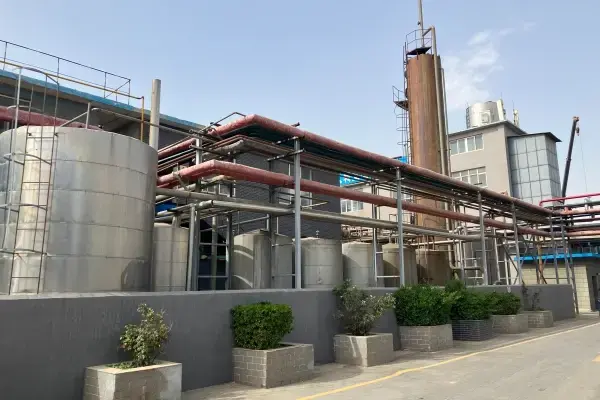
Yunli Chemical is the company you can trust to help you find high-purity Cobalt Nitrate Hexahydrate because we have been working in nitrate chemistry for more than 18 years. ISO 9001, ISO 14001, and OHSAS have all accepted our plant in Shanxi Province. They can sell more than 1 billion yuan a year and have 300 million yuan in fixed assets to make sure they always have enough. Our business technology center at the regional level has high-tech ICP-MS and atomic absorption spectrometry tools. This lets us make both standard industrial grades and 4N-grade materials that are very pure and have less than 30 parts per million of iron.
With direct plant delivery and self-operated shipping services, we cut out the middlemen, which means you can buy more for less. The pH range can be changed, and the concentrate can come in grainy, solid, or liquid forms. You can get free samples of up to 500 grams to make sure the process works. The smallest order is 25 kg. By reusing rainwater and treating NOx pollution in a closed loop, our systems make sure that we are following all environmental laws. We also sell a lot of different things, including more than 60 nitrate variants, so you can find everything you need here.
You can email us at wangjuan202301@outlook.com to set up a facility check, ask for batch-specific Certificates of Analysis, or talk about your needs for a custom recipe. You can look at all of our goods at yunlichemical.com and talk to our knowledgeable customer service team about how they can help you improve the efficiency of your cobalt-based manufacturing processes.

References
1. Smith, J.R. (2021). Industrial Cobalt Compounds: Production, Applications, and Quality Control Standards. Chemical Manufacturing Press.
2. European Chemicals Agency. (2020). REACH Compliance Guidelines for Cobalt Salts in Catalysis and Surface Treatment. ECHA Technical Report Series.
3. Zhang, L., & Chen, M. (2022). "Comparative Analysis of Cobalt Precursors in Lithium-Ion Battery Cathode Synthesis," Journal of Power Sources, 498, 229-241.
4. American Society for Testing and Materials. (2019). ASTM E1479-16: Standard Practice for Describing and Specifying Inductively Coupled Plasma Atomic Emission Spectrometers. ASTM International.
5. Thompson, K.W. (2023). B2B Chemical Procurement: Risk Mitigation Through Supplier Certification and Quality Assurance. Supply Chain Management Publications.
6. International Organization for Standardization. (2018). ISO 9001:2015 Quality Management Systems: Requirements for Chemical Manufacturing. ISO Standards Catalogue.