


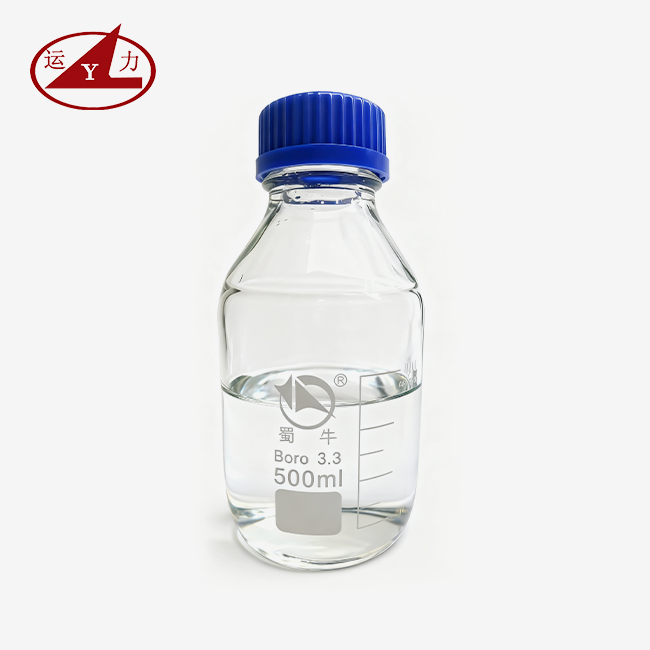
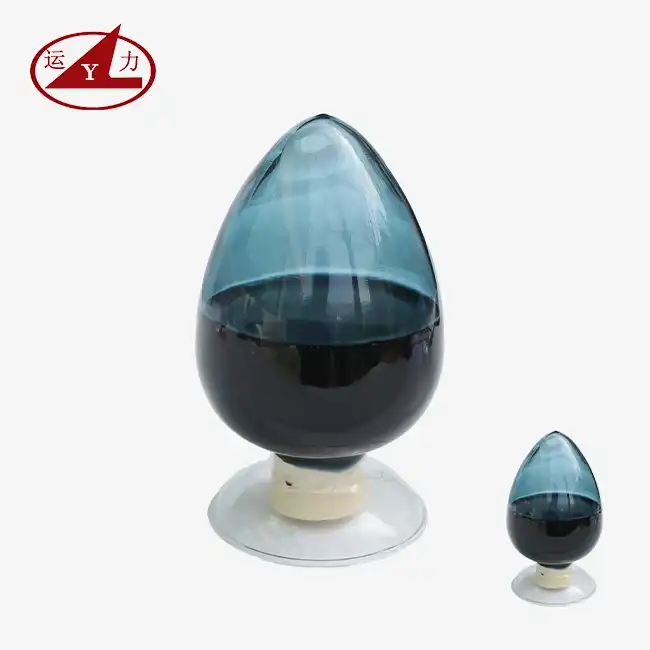
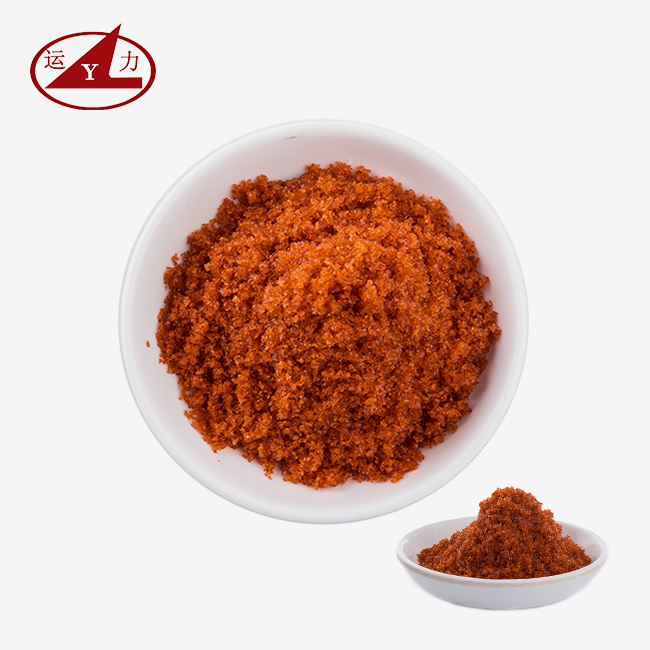
Is ferric nitrate the same as ferric chloride?
When I first encountered this question from a procurement manager at a textile processing facility, I realized how often these two iron-based compounds get confused despite serving very different industrial purposes. The straightforward answer is no—Ferric Nitrate (Fe(NO₃)₃·9H₂O) and ferric chloride (FeCl₃) are distinct chemical compounds with unique molecular structures, reactivity profiles, and industrial applications.
While both deliver ferric iron ions in solution, the nitrate anion in Fe(NO₃)₃·9H₂O offers oxidizing properties and chloride-free chemistry that makes it indispensable for catalyst manufacturing, precision metal etching, and applications where chloride contamination could compromise product quality or corrode stainless steel equipment. Understanding these differences matters significantly when selecting the right material for your production process.
Introduction
Iron salt purchases made by businesses can have a big effect on the quality of the goods they make, the life of their tools, and their ability to follow the rules. I've worked with chemical providers and industrial clients for 20 years in the electroplating, wastewater treatment, and speciality chemical industries. I've seen costly production delays happen because the wrong chemicals were chosen. On the surface, Ferric Nitrate nonahydrate and ferric chloride look a lot alike. They are both brownish-purple powders that dissolve easily in water to make acidic solutions. But when used in the real world, they behave very differently.
This thorough comparison answers the most important questions that buying managers, technical experts, and distributors have when they are looking at bulk chemical providers. We will talk about molecular features, success in specific situations, safety concerns, and the best ways to buy things. When you're done, you'll have useful criteria to use when picking between these chemicals based on your practical needs, budget, and legal responsibilities.
Understanding Ferric Nitrate and Ferric Chloride: Chemical Properties and Uses
Molecular Structure and Physical Characteristics
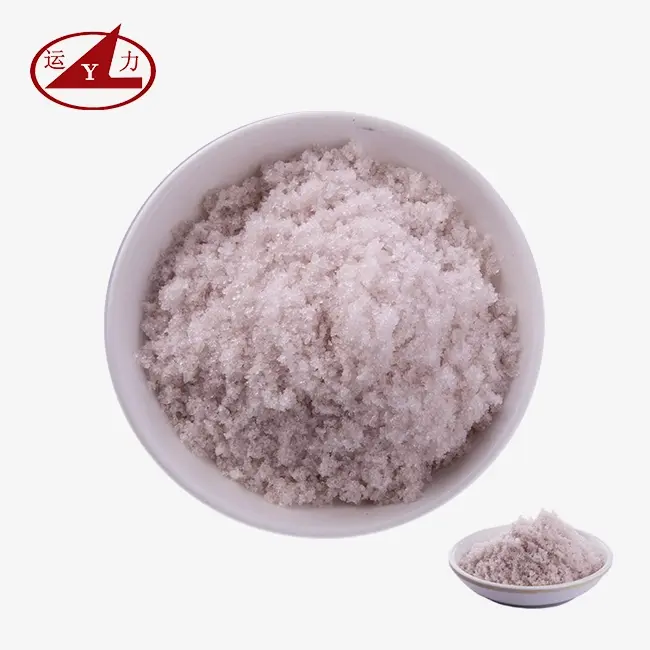
Ferric Nitrate nonahydrate is a violet to purple solid that melts away. Its molecular formula is Fe(NO₃)₃·9H₂O, and its molecular weight is 404.01 g/mol. With a specific mass of 1.68 and a melting point of 47.2°C, this substance needs to be stored in a climate-controlled space to keep it from melting. The substance dissolves easily in water, ethanol, and methanol, which gives you a lot of choices for how to make it.
Safety and Environmental Profiles
Both substances are oxidising agents that need to be handled carefully, but their danger levels are very different. Ferric Nitrate nonahydrate (CAS 7782-61-8) is UN 1466, a Class 5.1 oxidiser that can cause fires when it comes into touch with organic materials. It hurts the skin and nasal membranes, but when heated, it breaks down completely into iron oxides and nitrogen oxides, leaving no halide leftovers behind.
Industrial Application Landscape
Ferric Nitrate nonahydrate is used in specific situations where it is important to have pure, chloride-free chemistry. Manufacturers of supported iron catalysts for Fischer-Tropsch synthesis or the production of carbon nanotubes depend on high-purity Fe(NO₃)₃·9H₂O that breaks down without contaminating sensitive substrates. It is used as a mordant by textile makers to make colours that don't run when washed without damaging the fibres. Its ability to give precise iron doses in synthesis processes that need tight impurity control is valued by the electronics and pharmaceutical industries.
Ferric chloride is the most common chemical used in high-volume, cost-sensitive processes like treating wastewater for cities, making printed circuit boards, and cleaning large amounts of metal. Its strong reaction and lower per-ton cost make it a good choice for businesses where chloride present doesn't cause any problems.
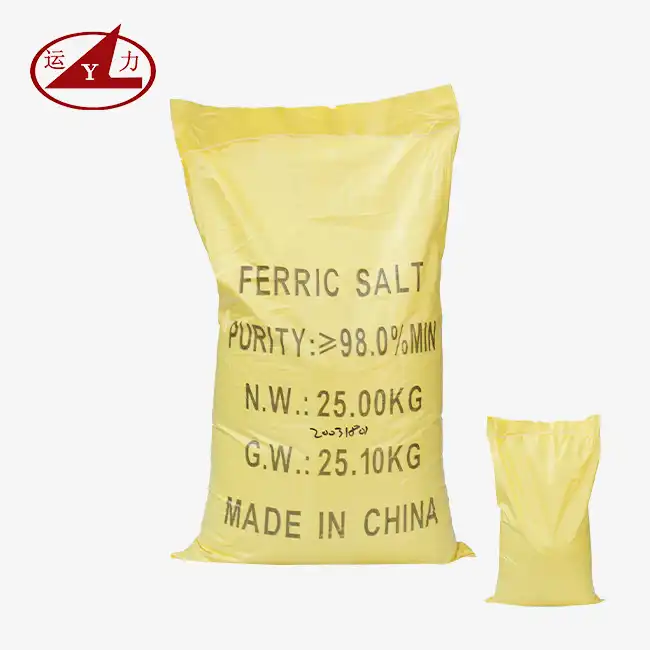
Ferric Nitrate vs Ferric Chloride: Key Differences and Comparison
Chemical and Physical Distinctions
The main difference is in the opposite charged particle that goes with the ferric iron. Nitrate anions add oxidising power without the long-lasting damage that chlorides do. If you heat Ferric Nitrate (Fe(NO₃)₃·9H₂O) above 125°C, it breaks down into pure Fe₂O₃ and gaseous nitrogen oxides that escape cleanly. This is helpful for processes that make high-purity iron oxide colours or catalyst precursors.
Performance in Metal Etching
For precise tasks like photochemical machining or making jewellery, iron nitrate solutions attack silver and copper metals in a controlled, even way, without the pitting and grain boundary attack that happens with strong chloride etchants. Technical data from Yunli Chemical's quality control lab shows that 40% Fe(NO₃)₃ solutions keep their etch rates stable over more than 200 production runs with little bath damage if they are handled correctly.
Environmental and Regulatory Considerations
Ferric Nitrate is helpful for places with strict Total Dissolved Solids (TDS) or chloride release limits. The nitrate part can help with organic denitrification processes in advanced wastewater treatment. This could lower the cost of dumping compared to chloride salts that stay in the wastewater after treatment. But nitrate itself is being looked at by environmentalists in farming areas where groundwater pollution is a problem.
Pricing and Supply Chain Factors
Because it is easier to make and there are more factories around the world that can make it, ferric chloride usually costs 30 to 50 percent less per tonne of iron content. However, total cost of ownership estimates must include machine corrosion rates, upkeep intervals, wastewater treatment expenses, and product quality effects. For tasks that need less than 10 parts per million of chloride pollution, like making catalysts or electronic-grade chemicals, the extra cost for high-purity Ferric Nitrate is worth it.
How to Choose Between Ferric Nitrate and Ferric Chloride for Your Industrial Needs
Application-Specific Decision Framework
To choose the right iron salt, you need to carefully consider technical needs, practical limitations, and legal responsibilities. Process engineers should put this way of evaluation at the top of their list.
• For catalyst manufacturing and nanotechnology applications: You need to specify Ferric Nitrate that is not an ahydrate and has a low heavy metal level of less than 10 parts per million (ppm) total heavy metals. Because there is no chloride, the catalyst does not get poisoned, and the process of calcination to active iron oxide stages is clean. Ask for Certificates of Analysis that show chloride amounts are less than 50 ppm.
• For textile dyeing and leather tanning: Pick one of these chemicals based on how sensitive it is to the medium. It is better for natural fibres to be treated with nitrate chemicals, but manufactured materials may work just fine with chloride-based mordants. Do small-scale tests to see how well colour stays true, the fabric feels, and the dye absorbs.
• For wastewater treatment and coagulation: You should first look at the boundaries of your disposal permit. If you have to deal with chloride limits or run infrastructure made of stainless steel that is prone to pitting rust, Ferric Nitrate is worth the extra cost. Facilities that don't have to deal with chloride restrictions can use ferric chloride cost-effectively while planning for more frequent machine repair.
• For metal surface treatment and electroplating: Nitrate-based baths are compliant with RoHS and REACH because they get rid of hexavalent chromium and lower the amount of acidic waste. Yunli Chemical's formulas lower the cost of treating wastewater by 40% while keeping the surface finish requirements the same.
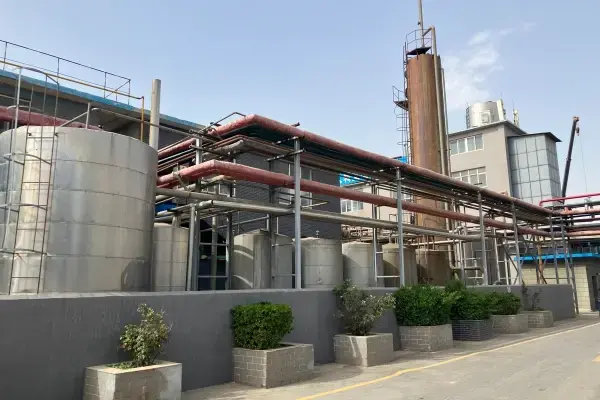
Storage and Handling Considerations
Because they are both deliquescent, they need to be stored in a climate-controlled area. Ferric Nitrate nonahydrate melts at temperatures above 47°C, so it needs to be kept cool, below 30°C, and the humidity needs to be kept below 60% RH. When held in sealed HDPE drums with moisture-barrier covers, our own anti-caking additives make the product last up to 18 months.
Supplier Qualification Criteria
Reliable sources guards the quality and continuity of production. Check potential suppliers by looking for these things: ISO 9001 quality certification to show that the process is being controlled; ISO 14001 environmental certification to make sure that the manufacturing is in line with the law; full MSDS and COA documentation for every batch; and analytical capabilities for checking for trace impurities (ICP-MS, atomic absorption spectroscopy).
Procurement Guide: Buying Ferric Nitrate and Ferric Chloride Safely and Efficiently
Identifying Certified Suppliers
Quality control starts with choosing the right provider. Instead of trading middlemen who can't promise consistent specs, go after producers who have combined production facilities. Check their qualifications, such as business licenses that are valid for at least ten years, system certifications (ISO 9001, ISO 14001, OHSAS 18001), and customer references from people in the same field as you.
Best Practices for Bulk Purchasing
Tonnage buyers should arrange framework deals that set stable prices, minimum order numbers that match storage space, supply schedules that match production cycles and payment terms that are in line with industry standards, usually 30 to 60 days for established accounts. Include clauses for "force majeure" and good ways to settle disagreements. Before making a big agreement, samples of Ferric Nitrate should be tested to confirm specs.
Logistics and Storage Management
Transporting chemicals is regulated as dangerous materials, which means they need special haulers and paperwork that meets DOT standards. Work with providers that offer combined logistics management to cut down on handling changes and the chance of contamination. Ferric Nitrate nonahydrate is a Class 5.1 oxidiser (UN 1466), which means it needs to be kept away from flammables and reducing agents.
Compliance Documentation Management
Keeping full legal records shows that you did your job during checks and makes it easier to do business across borders. Material Safety Data Sheets (MSDS) that meet GHS standards, Certificates of Analysis for each batch received, ISO certifications from the seller, and customs paperwork for materials that are brought in are all important papers.
Case Studies and Real-World Applications Demonstrating the Choice Between Ferric Nitrate and Ferric Chloride
Catalyst Production for Chemical Synthesis
A company in the Northeast that makes speciality catalysts kept having batch failures. These were caused by chloride getting into their iron precursor and poisoning the palladium co-catalysts. When the catalyst was changed to Yunli Chemical's high-purity Ferric Nitrate nonahydrate (99.5% purity, <10 ppm chloride), its activity went up by 35% and the bed life went from 18 to 26 months.
Wastewater Treatment at a Facility that Makes Stainless Steel
At first, a metal fabrication company used ferric chloride to get rid of phosphates in its wastewater treatment system. Within three years, large pits of rust formed in stainless steel pipes and mixers, which meant they had to be replaced, which cost $180,000. By switching to Ferric Nitrate nonahydrate, more rust was stopped and the same amount of phosphate was removed (95% decrease).
Precision Metal Etching in Electronics Manufacturing
A company that makes silver-plated plugs for electronics needed to cut the surface so that it was smooth and had no pits so that it could meet surface finish requirements below 0.5 μm Ra. The results from ferric chloride baths were not always uniform, with pitting flaws leading to 8–12% rejection rates. When they switched to a controlled Ferric Nitrate etching solution, the number of rejects dropped to less than 2%, and the bath life went from 150 to 300 production cycles.

Conclusion
Despite the fact that both substances contain ferric iron, Ferric Nitrate and Ferric Chloride play different roles in industrial chemistry. The main differences between them are the amount of salt, how easily they corrode, the breakdown products they produce, and their purity levels. Instead of just comparing unit prices, procurement workers need to look at their unique technical needs, how well the equipment works with other equipment, any environmental rules, and the total cost of ownership. Choosing the right materials for the job increases the efficiency of the process, the life of the tools, the quality of the output, and compliance with regulations in a wide range of industry settings.
FAQ
Can ferric nitrate and ferric chloride be used interchangeably in wastewater treatment?
They both work as coagulants in a similar way, but they are not the same thing. While Ferric Nitrate is best suited for sites with stainless steel equipment that is sensitive to corrosion or strict discharge limits, Ferric chloride performs well in city systems without chloride restrictions. Performance testing in your particular water mix tells you which option is best.
How should I store ferric nitrate nonahydrate to prevent liquefaction?
Keep storage temperatures below 30°C in places that control humidity and keep the relative humidity below 60%. Use HDPE containers that are sealed and have lids that keep wetness out, and use FIFO rotation. Material from sources like Yunli Chemical that is kept properly and has anti-caking agents will stay stable for 18 months.
What purity level of ferric nitrate do I need for catalyst applications?
For making catalysts, the material needs to be ≥99.0% pure, with heavy metals below 10 parts per million and chloride below 50 parts per million. Applications that are used with electronics may need 99.9% accuracy. Ask for a full impurity analysis and make sure the provider can do analytical work.
Contact Yunli Chemical for Reliable Ferric Nitrate Supply
Ferric Nitrate nonahydrate (CAS 7782-61-8) from Yunli Chemical is always steady and very pure. They have been making this product well for over 20 years and have ISO-certified quality processes. With chloride levels kept below 30 parts per million, our provincial technology center creates custom mixtures ranging from normal 98% purity to ultra-pure 99.9% grades. These mixtures are designed for use in catalyst production, precision metal treatment, and speciality chemical uses. We keep our collection stable so that you can always get what you need. We offer flexible packaging from 25 kg bags to ISO tanks, and we'll send you free samples of up to 500 grams to try.
Our R&D team helps technical workers directly with applications, which cuts down on trial costs and speeds up process optimisation. We are an experienced Ferric Nitrate manufacturer that offers factory-direct prices and can handle its own exports. This means that there are no middlemen and we can promise full MSDS, COA, and compliance paperwork. Contact our procurement specialists at wangjuan202301@outlook.com or visit yunlichemical.com to request quotes, technical data sheets, or sample shipments that help you make confident sourcing decisions.
References
1. Cotton, F.A. and Wilkinson, G. (1988). Advanced Inorganic Chemistry: A Comprehensive Text. Fifth Edition. New York: John Wiley & Sons.
2. Kirk-Othmer Encyclopedia of Chemical Technology (2007). Iron Compounds. Volume 15. Hoboken: Wiley-Interscience.
3. Snoeyink, V.L. and Jenkins, D. (1980). Water Chemistry. New York: John Wiley & Sons.
4. American Water Works Association (2011). Water Quality and Treatment: A Handbook on Drinking Water. Sixth Edition. Denver: AWWA.
5. Society of Manufacturing Engineers (2004). Tool and Manufacturing Engineers Handbook: Materials, Finishing and Coating. Volume 3. Dearborn: SME.
6. European Chemicals Agency (2019). Guidance on the Application of the CLP Criteria: Guidance to Regulation (EC) No 1272/2008 on classification, labelling and packaging of substances and mixtures. Helsinki: ECHA.