


How to safely handle and store copper nitrate?
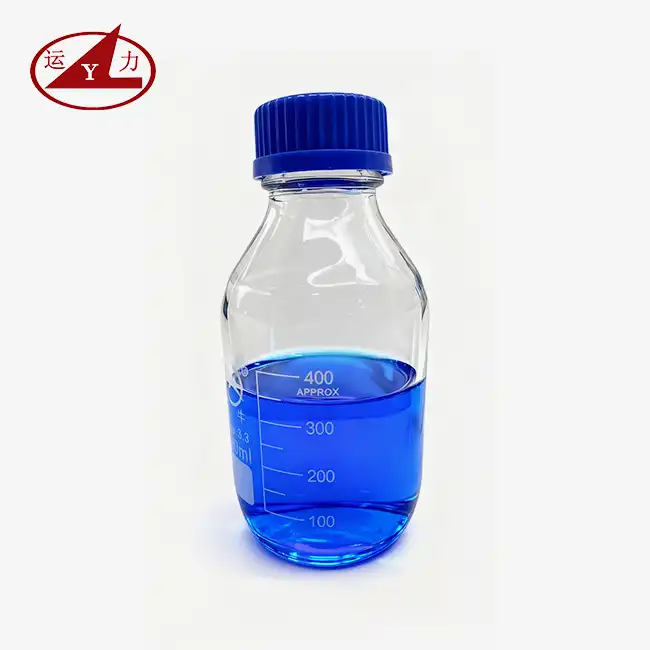
To handle and store Copper Nitrate safely, you need to know that it is a strong oxidiser and absorbs water. The trihydrate form (Cu(NO₃)₂·3H₂O) looks like dark blue columnar crystals that can easily take in water from the air. For proper safety, you need to wear chemical-resistant gloves, safety glasses, and lab coats, and your area needs to have good air flow.
It is best to store it in cool, dry places (below 25°C) in cases that are tightly sealed and away from things that can catch fire, organic solvents, and reducing agents. By following OSHA rules and keeping Safety Data Sheets up to date, workers can avoid skin rashes, breathing problems, and fire risks that come with this useful but difficult chemical compound.
Understanding Copper Nitrate: Properties and Safety Concerns
Chemical Nature and Molecular Structure
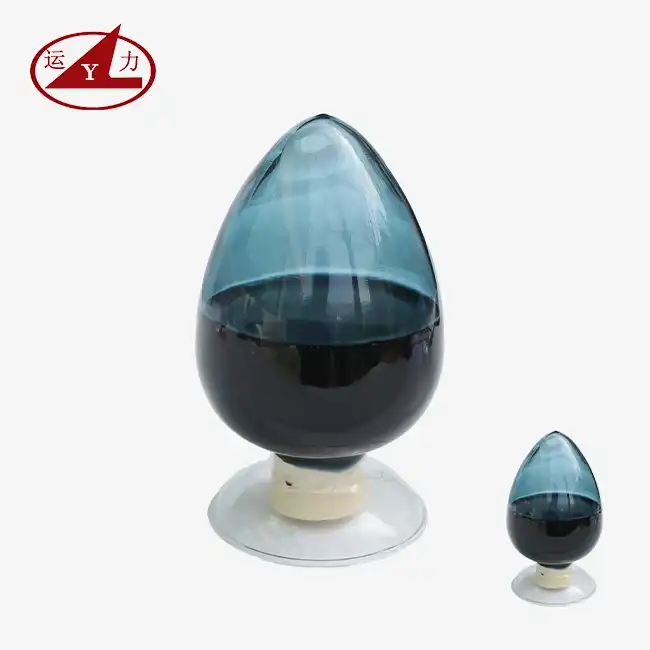
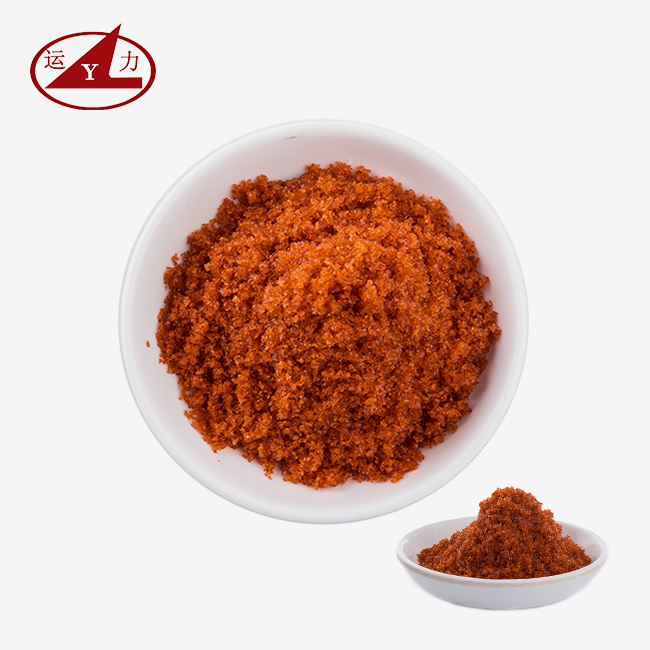
The molecular formula for Copper Nitrate Trihydrate (CAS 10031-43-3) is Cu(NO₃)₂·3H₂O, and its molecular weight is 241.6 g/mol. The combination shows up as dark blue, prismatic crystals that dissolve very easily in water (137.8 g/100 ml at 0°C) and ethanol. It has a specific mass of 2.05 and a freezing point of 114.5°C. When heated to 170°C, thermal breakdown starts, which lets out nitrogen dioxide gases. The water-based solution is acidic, with a pH value of about 4.0. This means it can be used to prepare catalysts and treat metal surfaces in electroplating and pharmaceutical intermediate synthesis.
Reactivity and Oxidizing Characteristics
This nitrate substance helps things burn when it comes in contact with them because it is a strong oxidising agent. The UN 1477 classification as an oxidiser (Class 5.1) shows that it can speed up fires by giving them air during chemical processes. Industries that use Copper Nitrate to make catalysts or activate luminous powders need to be aware of this natural reactivity.
When heated, rubbed, or hit with things that can catch fire, the chemical can cause explosions. Toxic nitrogen oxides (NOx) are released during decomposition. These NOx can be harmful to your lungs and cause problems with environmental regulations, so they need to be controlled with designed ventilation systems and pollution controls.
Health Hazards and Exposure Pathways
Copper Nitrate crystals or strong solutions can irritate the skin and cause chemical burns because they are acidic. When you breathe in dust particles or gases from breakdown, they can irritate your lungs and make you cough and feel short of breath. Copper poisoning can happen throughout the body, causing stomach problems like sickness and vomiting, as well as problems with liver and kidney function.
Workers in the cloth dying, fertiliser making, or battery producing industries need to have their bodies checked regularly for copper levels that may build up due to long-term exposure at work. Medical monitoring systems should keep an eye on the levels of serum copper and ceruloplasmin in workers who regularly handle large amounts of material.
Regulatory Compliance and Documentation Requirements
The Safety Data Sheet (SDS) is the main document that buying teams use to judge how reliable a seller is. Manufacturers who follow the rules give section-complete SDS that include information on the substance's makeup, how to identify hazards, first aid, burning methods, what to do in case of an accident, and toxicological data. Certificates of Analysis (CoA) confirm that the product meets certain purity standards. Industrial grades must meet test levels of 98% or more, and ACS reagent grades must meet 99.0% to 100.5%. Limits on contaminants are very important.
For example, chloride levels below 10 ppm keep metal from getting rusty in patination, and iron levels below 30 ppm keep catalysts working well in methanol synthesis. ISO 9001, ISO 14001, and OHSAS certifications show that a company is serious about quality control and environmental responsibility. This helps global manufacturers keep their supply chains running smoothly.
Common Risks and Hazards in Handling Copper Nitrate
Routes of Exposure and Symptomatic Responses
Inhalation exposure can happen when bags are dumped, materials are moved, or there isn't enough local air ventilation in working areas. At amounts above 1 mg/m³, workers immediately feel a sore throat, a bitter taste in their mouth, and a tight feeling in their chest. Ionic copper can get into the body through damaged skin or gloves made of materials that aren't good enough (non-nitrile choices) and cause redness and other signs of systemic toxicity within hours.
People who don't have enough glucose-6-phosphate dehydrogenase can get severe stomach problems and possibly haemolytic anaemia if they accidentally eat or drink something that was touched by dirty hands in a work area. Long-term contact at work is linked to higher levels of hepatic enzymes and renal tubular failure. This has been seen in workers who don't have access to proper cleaning facilities or who don't switch jobs to reduce their total amount.
Fire Hazards and Environmental Incidents
Stored incorrectly with organic chemicals, warehouse fires started when an oxidiser came into touch with fuel and started a self-sustaining combustion. During 2018, Copper Nitrate got on wooden boxes at a Midwest storage center. This caused a smouldering fire overnight that destroyed 12 tonnes of inventory. Because of the NOx pollution, the EPA had to be told and the community's air had to be monitored.
Copper ions are harmful to fish and invertebrates at levels above 0.013 mg/L (EPA chronic standards), so they can be found in aquatic environments as well. Facilities close to waterways need to have backup containment systems with a 110% capacity and spill reaction kits with neutralising agents like sodium carbonate. This keeps dirt from seeping through or entering storm drains during transfer operations.
Root Causes of Handling Failures
A study of workplace accidents shows that poor information about hazards is the main cause of failure. People who don't know much about deliquescent qualities store opened packages without desiccants, which causes liquefaction that breaks through the packaging and makes it possible to slip. Not enough people are using their personal safety equipment (PPE) because they are uncomfortable, not because it isn't available. Supervisors need to make sure that heat-stress management is in place so that PPE can be used in warm places.
Lack of training about how to handle materials that don't mix with each other leads to putting shelves near ammonia-based cleaners or aluminium metal, which causes exothermic reactions. When choosing providers, purchasing managers should make sure that the facilities they're looking at have strong safety cultures. This can be shown by things like open OSHA 300 logs, third-party safety checks, and training records for workers that cover both normal operations and emergency situations.
Best Practices for Safe Handling of Copper Nitrate
Personal Protective Equipment and Workplace Protocols
As an example of essential PPE, 8-mil thick nitrile gloves have breakthrough times longer than 240 minutes, while rubber or vinyl gloves fail within 30 minutes. Splash-resistant safety goggles with indirect air keep aerosols out while keeping your vision clear in the wet conditions that are common in electroplating jobs. When making a solution, lab coats or aprons made of treated polypropylene that are resistant to chemicals protect clothes and skin from drips.
When working with dusty materials or high-temperature processes, you need to wear respirators. NIOSH-approved P100 particulate filters or supplied-air respirators work well in places where ventilation isn't enough to keep exposures below the ACGIH threshold limit value of 1 mg/m³ for copper dusts and mists.
Workplace rules say that there must be marked handling areas with non-porous floors, emergency eyewash stations within 10 seconds' journey, and safety showers that are checked every week. When moving things, closed-system pumps or hoover conveyors should be used instead of hand cleaning to keep dust to a minimum. During liquid exchanges, grounding and connecting equipment gets rid of static electricity that could set off organic vapours in mixed-use facilities.
Laboratory and Industrial Handling Procedures
For weighing, you need sealed scales with local exhaust that collects particles where they come from. Dissolution rules say to slowly add crystals to stirred water instead of adding them backwards. This stops the release of exothermic heat that could cause solutions to boil and contents to fall out. When making catalyst precursors, keeping the pH between 3.5 and 4.2 stops copper hydroxide from precipitating too soon. This is done by slowly adjusting the nitric acid and keeping an eye on it with precise pH meters.
For large-scale operations, automatic dosing systems that measure Copper Nitrate solutions into reaction tanks are helpful because they get rid of the need to handle 25-kg bags by hand. Lot numbers should be written down in batch records so that problems with quality can be tracked back to their source. To clean equipment, diluted citric acid solutions (2–5%) are used to mix any leftover copper ions, and the equipment is then rinsed three times before different chemicals are added.
Emergency Preparedness and Response Planning
At handling areas, spill reaction kits must have enough absorbent material (vermiculite or clay-based goods) to handle the biggest container size that is being used, which for industrial sites is usually between 25 and 50 kg. Sodium carbonate or sodium bicarbonate are used for neutralisation to raise the pH and cause copper carbonate to settle. This lowers the water's acidity before it is thrown away. Spill reaction teams that have been trained should practise drills every three months that mimic real-life situations, like when forklifts tip over drums or when valves fail on liquid storage tanks.
In emergency reaction plans for fires, water streams that spread oxidiser poisoning are not allowed. Instead, Class D dry chemical extinguishers or filling with inert sand are used to put out the fire. When planning evacuation paths, it's important to think about how toxic NOx gases spread, putting meeting places upwind of storage areas.
Medical response protocols include cleaning the skin and eyes right away (for at least 15 minutes) and giving oxygen to people who have inhaled something harmful and are having trouble breathing. For severe cases of ingestion, hospitals are notified ahead of time so that chelation therapy (EDTA or penicillamine) is available.
Effective Storage Solutions for Copper Nitrate
Environmental Conditions and Facility Requirements
The best conditions for keeping are temperatures between 15°C and 25°C and a relative humidity below 50%. This keeps the hygroscopic moisture absorption to a minimum, which stops solid materials from turning into viscous solutions. In humid areas, climate-controlled buildings with dehumidification systems are necessary. For example, sites along the Gulf Coast or in Southeast Asia need to be constantly watched over by digital hygrometers that sound an alarm when the relative humidity (RH) level rises above 60%.
Ventilation systems should change the air six times an hour, and exhausts should be placed close to the floor to catch heavier-than-air NOx gases before they can break down. For example, flooring made of acid-resistant epoxy or sealed concrete can handle spills and make cleaning easier. On the other hand, copper stains will stay on surfaces that haven't been fixed.
Packaging Standards and Labeling Protocols
Industrial packaging uses polyethylene-lined fibre drums that keep out moisture and are sealed with gamma-ring clamps to keep the contents safe for months at a time. For smaller amounts, wide-mouth HDPE bottles with foil-seal induction covers are used to stop the flow of vapour.
On the label, there must be GHS symbols (an oxidiser flame over a circle, which means health risk), the word "Danger," and H-statements about the product's oxidising traits (H272), acute toxicity (H302, H332), and environmental dangers (H400, H410). Batch codes connect items to their manufacturing dates and quality certificates, and "Keep Dry" and "Separate from Combustibles" signs help warehouse workers separate things in the right way.
Compatibility and Segregation Strategies
Segregation rules say that organic chemicals (like alcohols, acetone, and hydrocarbons) can't be near reducing agents (like metals, sulphides, and phosphides), alkalis (like sodium hydroxide and ammonia), or acids that are stronger than the material itself. To physically separate people, there must be at least 20 feet of space between them or fire-resistant buildings.
Purchasing teams should use chemical compatibility matrices to help them combine their stockpiles. For example, keeping Copper Nitrate in the oxidiser class lets it be close to other nitrates like ammonium, calcium, and sodium nitrate as long as each container stays closed. When barcode scanning finds dangerous closeness, inventory management systems flag mismatched receiving. This causes corrective warehouse plan changes to be made before storage authorisation is given.
Inventory Control and Batch Tracking
First-in, first-out (FIFO) spinning stops ageing, which lowers purity by slow hydrolysis processes changing nitrate to basic Copper Nitrate. Barcode systems that keep track of when things were made can automatically mark materials that have been stored for more than 12 months so they can be analysed again. Cycle counting methods compare physical amounts to ERP records once a week, looking for differences that could be caused by spills or unauthorised use that weren't recorded.
Temperature and humidity data loggers in storage areas keep records that can be used to show compliance during ISO checks or customer facility reviews. These digital systems work with buying modules to make sure there is always a supply without having too much stock that wastes money or becomes obsolete too quickly. They do this by setting restart points at 30-day inventory levels.

Procurement and Supplier Selection: Ensuring Quality and Safety
Supplier Certification and Quality Assurance
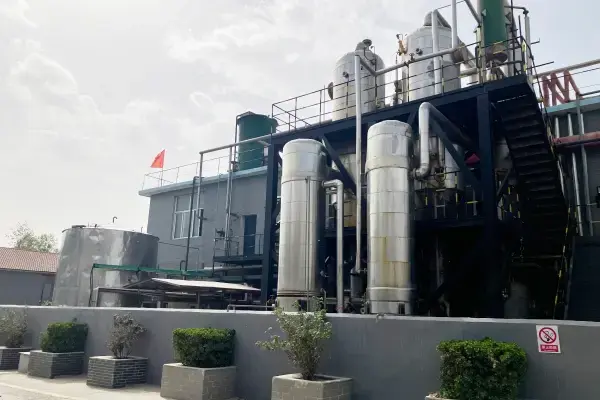
People who work in procurement should give priority to makers who are certified with ISO 9001:2015. This shows that they have a method for managing quality from getting raw materials to controlling production to doing the final inspection. The 20 years that Yunli Chemical has been in business and its approval as a provincial technology center show that it is stable enough to form long-term relationships in industries that need a steady supply of goods.
Suppliers who have ICP-MS and atomic absorption spectrometry can check for trace metal content, which is very important when 4N-grade pure (99.99%) is needed for semiconductor or medicinal uses. Aside from self-reported compliance claims, third-party audits by SGS or Bureau Veritas provide independent confirmation of factory practices. Environmental licenses (ISO 14001) show that a company can handle nitrate wastewater and NOx pollution, which lowers the buyer's risk when rules get stricter.
Certificate of Analysis Validation
A certificate of analysis (CoA) should be sent with every package. It should list the test percentage, moisture content, insoluble matter, and major impurities like chloride, sulphate, iron, and lead. Buyers need to compare these factors with the requirements they are buying. For example, catalyst uses can handle up to 0.005% chloride, while fertiliser grades can handle up to 0.05%. There are differences that need to be checked by separate labs using iodometric titration to find out how much Copper Nitrate is in the sample and ion chromatography to find out about any anionic impurities.
When Karl Fischer titration is used to measure moisture, the trihydrate form is always found, not anhydrous forms or varying hydration states that make stoichiometric estimates more difficult. When you overlay multiple CoAs from different quarters, you can see that the performance is consistent from batch to batch. This shows that the process control is mature, separating reliable makers from sellers who repackage inconsistent material.
Shipping Considerations and Logistics
The UN 1477 classification requires transport trucks to have oxidiser signs and to follow DOT/IMDG rules that limit loading with Division 4 (flammables) or Division 8 (corrosives) materials at the same time. Packaging groups, usually PG III for Copper Nitrate, say what the biggest container can be and how much protection is needed to stop reactions that start when the container hits something. Lead times for ocean freight from Asian providers to North American buyers are 30 to 45 days, so buyers need to keep extra stock on hand or set up vendor-managed inventory arrangements.
Emergency orders can be sent faster by air freight, but there are surcharges for oxidisers and limits that are specific to each flight. Buyers should make sure that suppliers have the right export licenses and can handle customs clearance. Vendors with a lot of experience can provide harmonised tariff codes (2834.29), full business invoicing, and avoid port delays that could affect production plans.
Conclusion
To safely handle and store Copper Nitrate Trihydrate, you need to know a lot about how it oxidises, how it absorbs water, and how it can hurt your health. Industrial programs that work well include the right choice of PPE, designed ventilation systems, and disaster preparation plans that meet OSHA and EPA standards. Controlled temperature and humidity in storage areas, along with strict separation from unsuitable items, stop reaction incidents and product degradation.
Strategies for buying things that focus on seller certifications, CoA validation, and transportation know-how ensure uniform quality while reducing disruptions to the supply chain. Companies in the electroplating, catalyst manufacturing, and speciality chemicals industries can protect worker safety, make sure they're following environmental rules, and improve operating efficiency throughout the Copper Nitrate lifecycle by using these practices that have been shown to work.
FAQ
What immediate actions should I take if Copper Nitrate contacts skin or eyes?
Take off any dirty clothes and run a lot of water over the affected areas for at least 15 minutes. If you get eye contact, keep your eyelids open while you rinse your eyes and get medical help right away. When something comes in contact with your skin, you should wash it off with soap and water and see a doctor if the soreness lasts longer than the first rinse. Do not put neutralising products on your skin directly because they may make burns worse because they release heat.
Can Copper Nitrate be stored alongside other nitrate compounds safely?
Yes, Copper Nitrate can be stored with other mineral nitrates, such as calcium nitrate or potassium nitrate, as long as they are kept in separate containers that are properly labelled and sealed. Keep it away from ammonium nitrate because they break down in different ways. Always look at compatibility grids and make sure there is enough air flow, even within oxidizer-class groups.
What documentation should buyers require from Copper Nitrate suppliers?
Current Safety Data Sheets (SDS) that meet GHS standards, Certificates of Analysis (CoA) that list amounts of purity and impurity, ISO 9001 quality certification, ISO 14001 environmental certification, and product specification sheets that list physical properties are all important papers. Buyers who want to export also need business bills, packing lists, certificates of origin, and customs paperwork. Before receiving shipments, make sure that the SDS include the most recent changes to regulations and that the COA exactly matches the buy requirements.
Partner with Yunli Chemical for Reliable Copper Nitrate Supply
To get good chemicals, you need a seller with both technical know-how and a history of being reliable. Yunli Chemical’s high-purity Copper Nitrate Trihydrate is backed by more than 20 years of manufacturing success and recognition as a local technology center. Our ISO 9001, ISO 14001, and OHSAS standards make sure that the quality of our products, our commitment to the environment, and the safety of our workers are always met during production. As a direct producer of Copper Nitrate, we cut out the middleman and can offer customised specs, such as ultra-low iron content (≤30ppm) for catalyst uses or pre-dissolved aqueous solutions that make handling safer.
We are your key partner for electroplating, textile dyeing, battery manufacturing, and speciality chemical needs because we can produce both trial samples and full tonnes of chemicals every year, offer factory-direct prices, and provide full paperwork such as MSDS, COA, and compliance certificates. You can email our technical team at wangjuan202301@outlook.com or visit yunlichemical.com to get free samples of up to 500 grams and talk about how our flexible supply options can meet your needs for purity, packing, and shipping.
References
1. National Institute for Occupational Safety and Health. NIOSH Pocket Guide to Chemical Hazards: Copper Dusts and Mists. U.S. Department of Health and Human Services, 2020.
2. American Chemical Society. Reagent Chemicals: Specifications and Procedures for Copper Nitrate Trihydrate. 11th Edition, Oxford University Press, 2017.
3. Occupational Safety and Health Administration. Hazard Communication Standard: Safety Data Sheets Compliance Guidelines. U.S. Department of Labor, 2021.
4. Environmental Protection Agency. National Recommended Water Quality Criteria for Aquatic Life: Copper. EPA 822-R-07-001, Office of Water, 2019.
5. International Maritime Dangerous Goods Code. Transport of Oxidizing Substances: Class 5.1 Requirements and Packaging Specifications. International Maritime Organization, 2022.
6. Schwartz, G.M., and DeGarmo, N.K. "Industrial Handling Protocols for Inorganic Oxidizers: Best Practices in Chemical Manufacturing Safety." Journal of Occupational Health and Safety, vol. 35, no. 4, 2021, pp. 287-312.