



Industrial Uses of Molten Salt in Chemical Plants
Every step of the chemical making process needs to be accurate, quick, and reliable. Plant managers and procurement teams across the US are under more and more pressure to improve thermal management while still meeting strict safety and environmental standards. This is why improved methods for heat transfer are so important. Molten Salt technologies have quietly changed how chemical plants deal with high and low temperatures. They provide a liquid-phase heat transfer medium that can work safely between 150°C and 565°C without the high-pressure risks of steam systems or the thermal degradation concerns of organic fluids. By learning about these industrial uses, you can improve operational performance and cut costs over the long term.
Understanding Molten Salt and Its Industrial Role
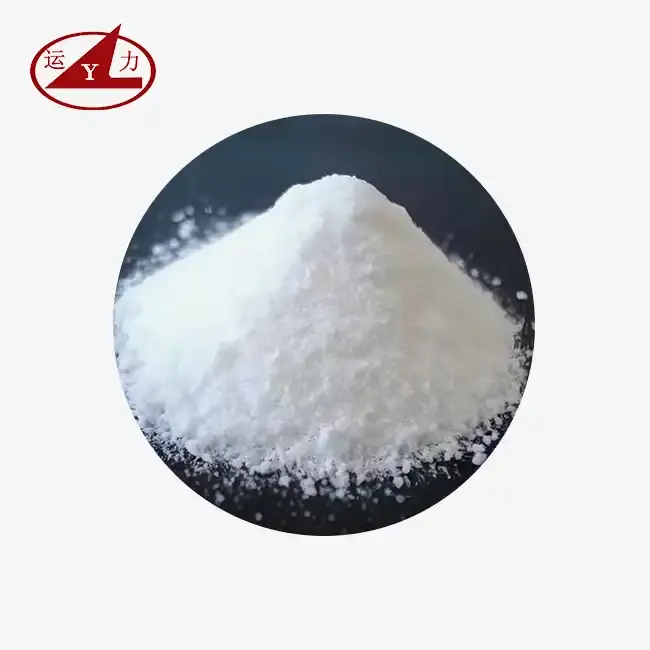
The eutectic mixtures of inorganic nitrates and nitrites that make up Molten Salt are the main components of this complex heating solution. Our recipe at Yunli Chemical is usually made up of 53% potassium nitrate, 40% sodium nitrite, and 7% sodium nitrate. It has a freezing point of 142°C ± 2°C. These ingredients give off amazing thermal properties that regular fluids just can't match.
Superior Thermal Properties That Drive Performance
The physics behind Molten Salt explain why it is being used more and more in chemical processing. These salt mixes hold and move heat very well. They have a specific heat capacity of more than 1.5 kJ/kg·K, which is a lot higher than synthetic thermal oils. A thermal conductivity of ≥0.5 W/m·K makes sure that heat moves quickly through your system. A low viscosity of ≤5 cP at 300°C ensures good flow and lowers the cost of pumps.
The thing that really sets this technology apart is that it works at air pressure. Molten Salt systems work at almost air conditions, even when temperatures are high, unlike steam systems that need expensive high-pressure pipes and a lot of safety equipment. This major benefit greatly lowers the cost of initial investment and ongoing upkeep, while also getting rid of the very high failure risk that comes with high-pressure systems.
Chemical Stability Under Demanding Conditions
Molten Salt that has been properly mixed is chemically inert, so it can be used with stainless steel pipe systems throughout its entire range of applications. If you handle our product the right way, it will keep its chemistry stable from 150°C to 565°C without changing phases or breaking down. For chemical companies that run continuous processes, this steadiness means that performance can be predicted, equipment lasts longer, and there is little downtime.
Key Applications of Molten Salt in Chemical Plants
Molten Salt technology is used by chemical companies in many situations where regular heat transfer fluids don't work well enough or don't offer enough safety gaps.
High-Temperature Chemical Synthesis
Molten Salt heat transfer devices are very helpful for reaction tanks that make pharmaceutical intermediates, fine chemicals, and speciality materials. As an example, the production of melamine needs to be carefully controlled between 350°C and 450°C because it is an exothermic reaction. In this temperature range, organic thermal fluids break down quickly, which can cause problems with upkeep and poisoning. Our Molten Salt solutions stay perfectly stable across this temperature range. This means that heat is always removed from the reactor jackets, and the reaction conditions stay perfect, which increases yield and product purity.
The places that make acrylic acid face the same problems. The polymerisation process makes a lot of exothermic heat, which needs to be carefully controlled to keep reactions from going too far. This heat energy is safely absorbed by Molten Salt cooling circuits, which then send it to waste heat recovery systems or cooling towers. Because of this, operations are safer, conversion rates are higher, and batch cycle times are shorter, all of which directly increase company profits.

Thermal Energy Storage for Process Optimization
Chemical plants rarely work with constant heat loads. Schedules for production change, maintenance windows stop work, and energy costs change a lot throughout the day. By separating heat production from heat consumption, Molten Salt thermal storage devices handle these realities. When the price of electricity is low or there is an abundance of renewable energy, the salt soaks up and stores heat. When demand for your products peaks or energy costs go up, the saved heat keeps your processes running without having to fire up more heaters.
Applications that use waste heat recovery show a lot of promise. A lot of heat is lost through waste gases in metallurgical activities, cement kilns, and high-temperature chemical processes. The intermittent nature and changing temperatures of these streams make it hard for traditional steam-based recovery systems to work. The high thermal inertia of Molten Salt smooths out these changes. It does this by collecting heat energy that would have been lost and using it to heat up feedstocks, make steam, or power organic Rankine cycle engines to produce electricity.
Catalytic Reaction Temperature Control
Extremely accurate temperature control is needed for catalytic processes. Even small changes in temperature can make expensive catalysts stop working, change the selectivity toward unwanted byproducts, or create unsafe working conditions. Molten Salt can hold a lot of heat, so it acts as a thermal buffer to keep temperatures from rising too quickly and give catalytic reactions the stable conditions they need.
Think about the perks our clients in the fine chemicals industry get. Often, temperature-sensitive intermediates and catalysts that cost thousands of dollars per kilogram are used in complex, multi-step processes. Our Molten Salt systems keep temperatures within ±2°C of the setpoint, which protects these valuable materials and makes the conversion process as efficient as possible. Better selectivity means less waste treatment, more pure products, and happier customers, which has an economic effect that goes beyond the immediate process.
Challenges in Using Molten Salt and How to Overcome Them
To successfully adopt Molten Salt, you need to know about the possible operating problems and use tried-and-true ways to solve them.
Corrosion Management Through Proper Materials Selection
In Molten Salt devices, chloride contamination is the biggest threat to rusting. Even when there are less than 50 parts per million of chloride ions, they can cause stress corrosion cracks in austenitic stainless steel that is under heat stress. We keep the amount of chloride in our products below 500 parts per million (ppm) for standard grades and below 20 ppm for high-purity formulations at Yunli Chemical. Ion chromatography is used by our strict quality control team to check each output batch. The choice of material is also very important. Above 400°C, in Molten Salt settings, carbon steel oxidises quickly. For all wet parts, we use stainless steel grades 304H, 316L, or 321. When combined with properly formulated salt, these alloys show great long-term compatibility, keeping their structural integrity for decades.
Freeze Protection and System Design
Because the freezing point is 142°C, the system needs to be carefully designed so that it doesn't solidify during crises or shutdowns. Electrical heat tracking systems must be built into all pipes, valves, and storage tanks in two different ways. Modern impedance heating technology protects against freezes reliably while using very little energy. It is very important to follow the right starting steps. We work closely with our clients to come up with detailed startup protocols that melt salt inventory slowly so that system parts don't experience thermal shock. Our technical team is on-site during initial fills and shutdowns to make sure that your staff knows how to follow the important steps that will protect your investment.
Moisture Control and System Integrity
In Molten Salt systems, water presents a significant risk. When water and salt come into contact at working temperatures, powerful steam is made. By being careful when handling and storing, we keep the moisture content to ≤0.5%. Covering storage tanks with nitrogen stops the tanks from absorbing water from the air and also stops nitrite oxidation, which would otherwise weaken the tanks' heat performance over time.
Selection Criteria for Molten Salt Solutions in Chemical Plant Procurement
When purchasing workers look at Molten Salt providers, they should look at more than just the price.
Technical Performance Specifications
Ask for detailed certificates of analysis that show the amount of chloride, moisture, insoluble matter, and metal impurities. We offer full ion chromatography data and ICP-MS analysis that shows iron level ≤30 ppm at Yunli Chemical. These specs have a direct effect on how long the system lasts and how much it costs to maintain. The factors of thermal efficiency are all important. Check that the figures on viscosity, specific heat capacity, and thermal conductivity come from approved test methods such as ASTM E1461 and DSC analysis. Our specification sheet lists every parameter and the test method that goes with it. This makes things clear and increases confidence in the product's performance.

Supplier Reliability and Technical Support
Yunli Chemical has been making things for twenty years and has learned that working with a source is about more than just getting products to us. Our enterprise technology center at the provincial level offers ongoing technical support to help clients improve system design and resolve operational issues. We have over 1 billion yuan in yearly sales and are certified by ISO 9001, ISO 14001, and OHSAS. This gives you the financial security and quality guarantee that you need for long-term supply agreements.
We make more than 60 different kinds of nitrate, which lets us make mixtures that meet specific temperature or compatibility needs. Our research and development (R&D) team can come up with solutions that are perfect for your plant, whether you need standard compositions or high-purity grades for tough uses. When you buy directly from the factory, you don't have to pay markups to distributors, and the quality is the same from batch to batch.
Regulatory Compliance and Documentation
Chemical companies in the US have to follow strict rules about safety and the environment. For every shipment, we include all the necessary paperwork, like MSDS, COA, and environmental protection certificates. Our advanced wastewater and exhaust treatment systems make sure that the products we make in Shanxi Province meet or go beyond international environmental standards. The flexibility of the packaging helps you meet your business goals. We offer custom labelling, aqueous solutions at specific concentrations, and a range of packaging sizes, from 500-gram samples to bulk deliveries of several tonnes. Your technical team can test the performance of free samples up to 500 grams before committing to production quantities.
Future Trends and Innovations in Molten Salt Technology
The thermal storage business keeps growing quickly, giving chemistry companies new chances to be more efficient and environmentally friendly.
Advanced Formulations for Extended Performance
Ternary and quaternary salt mixture research could lead to higher working temperatures and better thermal stability. Adding calcium and lithium could make the temperature range more useful while still being chemically compatible with what is already in place. At Yunli Chemical, our province technology center is working hard to create new formulas that will make systems work at temperatures higher than 565°C. Corrosion inhibitor kits are another new area of innovation. Unique mixes of additives can greatly lower the rate of rusting, even when chloride levels are slightly higher. This could lower the cost of raw materials while keeping the purity of the system. Together with big chemical companies, we're trying these formulas over a long period of time to make sure they work well in real-world situations.
Integration with Renewable Energy Systems
Chemical plants are trying to reduce their carbon emissions, and Molten Salt thermal storage makes it easier for them to use intermittent renewable electricity more. During times when renewable energy is in excess, solar thermal collectors and electric resistance heaters can be used to charge Molten Salt storage tanks. The saved heat energy then powers chemical processes all the time, which cuts down on the use of fossil fuels and carbon emissions while taking advantage of cheap electricity.
Molten Salt technology is being used more and more in grid-scale energy storage projects. Chemical companies that use a lot of heat can use this technology to offer grid balance services. This will help them make more money and be more flexible in how they run their businesses. Early adopters in the battery materials and electrochemical industries are showing that this unified approach can make money.
Conclusion
For chemical plants pursuing operational excellence, Molten Salt heat transfer systems provide quantifiable benefits. High thermal capacity, operation at air pressure, and long-term steadiness all work together to solve important problems in high-temperature processing. For companies that work with pharmaceuticals, fine chemicals, and speciality materials, the operational benefits make the investment worth it. However, adoption requires careful attention to materials choice, system design, and handling processes. A lot of what makes deployment work is choosing sources with a lot of technical know-how, proven manufacturing skills, and a desire to work with you for a long time. As concerns about sustainability grow and energy prices change, thermal storage technologies will become more important for chemical manufacturing to stay competitive.
FAQ
Q1: What is the maximum safe operating temperature for thermal salt systems?
A: Standard Molten Salt mixtures stay stable up to 500°C when left out in the open air. Systems with nitrogen blanketing can work up to 550°C because it stops nitrite parts from breaking down due to oxidation. For long-term use above 500°C, chemical analysis is needed to check the nitrate-to-nitrite ratio and carbonate buildup on a regular basis. However, proper nitrogen sealing can make salt last longer than 20 years with little degradation.
Q2: How does molten salt compare to synthetic thermal oils for chemical processing?
A: Synthetic thermal oils usually only work up to 350°C before they break down, but Molten Salt works consistently up to 550°C. Inorganic salts are not flammable, which lowers the cost of fire insurance and the need for safety infrastructure. Even though salt may cost more at first than thermal oils, their long service life, wide temperature range, and low vapour pressure make them a great choice for high-temperature applications.
Q3: Can existing steam systems be retrofitted with molten salt technology?
A: A lot of chemical companies are able to successfully add Molten Salt to their current systems. During the retrofit, Molten Salt heaters are usually put in place of steam generators, the right pipe materials are put in, and heat exchangers are added to connect to existing process equipment. Capital costs depend on how complicated the system is, but the savings in energy and better control of the process usually make the investment worth it within three to five years.
Partner with a Trusted Molten Salt Manufacturer
Yunli Chemical has 20 years of experience making high-performance thermal salts that can be used in the most difficult situations. Our ISO-certified factory in Shanxi Province blends provincial-level research and development with strict quality control to make sure that every batch meets strict requirements for chloride content, moisture levels, and heat performance. We know that chemical plants need to be able to depend on their supplies completely. Our RMB 1 billion annual production capacity and large inventory ensure that your deliveries will always be on time, so your business can keep running smoothly.
We not only sell high-quality Molten Salt products, but we also offer full expert help for system creation, setup, and ongoing use. Our team works with your experts to make sure that the recipes are best for the temperature needs and process conditions you have. Email our technical experts at wangjuan202301@outlook.com to talk about your heat transfer problems and get free samples. Yunli Chemical is the best partner for procurement teams that value quality, dependability, and long-term value because we offer direct factory pricing, customisable packaging, and flexible order quantities from a trusted supplier.

References
1. Bauer, T., Steinmann, W., Laing, D., & Tamme, R. (2012). Thermal Energy Storage Materials and Systems. Annual Review of Heat Transfer, 15, 131-177.
2. Gomez-Vidal, J. C., & Tirawat, R. (2016). Corrosion of Alloys in a Chloride Molten Salt for Solar Thermal Technologies. Solar Energy Materials and Solar Cells, 157, 234-244.
3. Zhao, C. Y., & Wu, Z. G. (2011). Heat Transfer Enhancement of High Temperature Thermal Energy Storage Using Metal Foams and Expanded Graphite. Solar Energy Materials and Solar Cells, 95(2), 636-643.
4. Pacio, J., Singer, C., Wetzel, T., & Uhlig, R. (2013). Thermodynamic Evaluation of Liquid Metals as Heat Transfer Fluids in Concentrated Solar Power Plants. Applied Thermal Engineering, 60(1-2), 295-302.
5. Myers, P. D., & Goswami, D. Y. (2016). Thermal Energy Storage Using Chloride Salts and Their Eutectics. Applied Thermal Engineering, 109, 889-900.
6. Liu, M., Saman, W., & Bruno, F. (2012). Review on Storage Materials and Thermal Performance Enhancement Techniques for High Temperature Phase Change Thermal Storage Systems. Renewable and Sustainable Energy Reviews, 16(4), 2118-2132.