


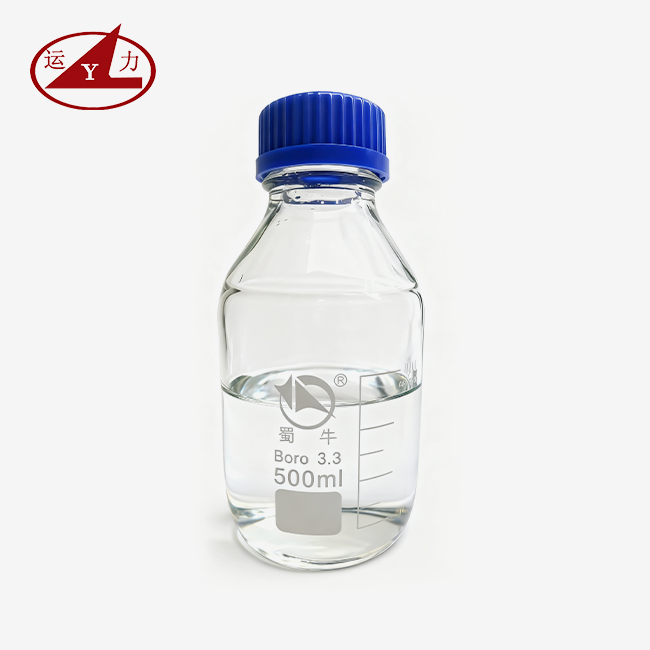

Can we mix calcium nitrate with magnesium?
If the right conditions are met, it is safe to mix Calcium Nitrate with nutrients that are based on magnesium. Calcium Nitrate (Ca(NO3)2·4H2O) and magnesium sources like magnesium sulfate or magnesium nitrate can work well together. It depends on how strong the solution is, how good the water is, and the order in which they are mixed. If you dilute these substances the right way, they won't solidify or block nutrients, so they will stay chemically safe. Working with B2B purchasing managers in farming, electroplating, and fertilizer production has taught me that controlled mixing methods improve the supply of nutrients without hurting the product or the tools used for the job.
Comprehending Calcium Nitrate and Magnesium: Properties and Uses
Chemical Composition and Solubility of Calcium Nitrate
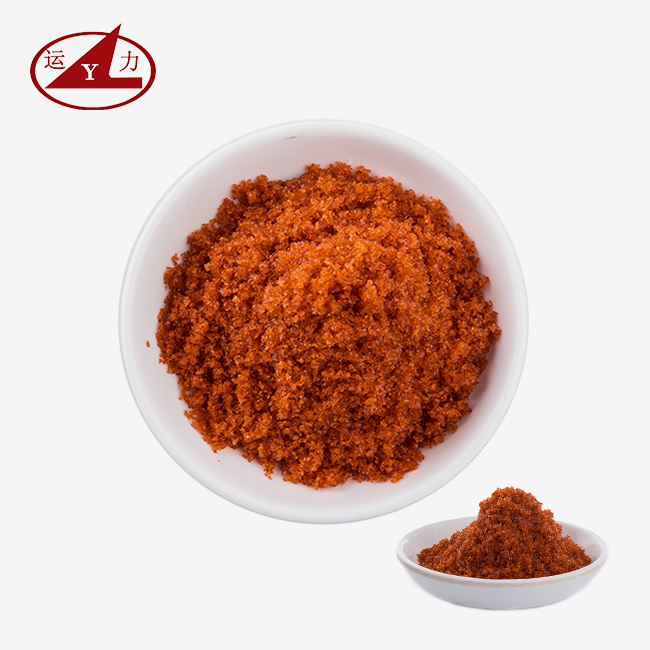
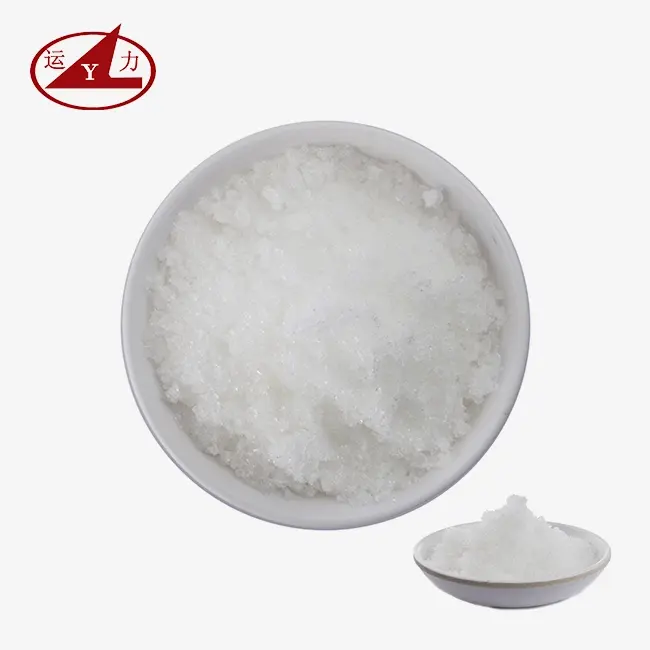
There are 236.15 molecules of Calcium Nitrate tetrahydrate, which is written as Ca(NO3)2·4H2O. It has a specific density of 1.895 and looks like white columnar crystals in a monoclinic system. This material mixes well with water, methanol, ethanol, and acetone, but not with nitric acid. The material breaks down at 132°C and can catch fire, so it needs to be handled carefully near things that can catch fire. It needs to be kept in a sealed container so it doesn't break down while it's being held because it draws water easily.
The Role of Magnesium in Plant Nutrition and Industrial Applications
The main atom in chlorophyll molecules is magnesium. Magnesium is what makes photosynthesis and food flow inside plant cells possible. Not only are magnesium compounds useful in farming, they are also very important in soldering baths, tanning leather, and dying cloth. Epsom salt and magnesium nitrate are commonly used in fertigation systems and on plant leaves. Technical experts test these materials to make sure they don't have too many impurities. This way, the equipment doesn't get stopped up, and the performance is the same for each batch process.
Comparing Physical and Chemical Behaviors
Calcium and magnesium salts deal with each other in different ways because their solubility curves and how their ions behave in solution are not the same. Magnesium sulfate only dissolves about 710 g/L at 20°C, while Calcium Nitrate dissolves more than 1200 g/L with no trouble. When mixed together in the right amounts, both substances stay acidic to neutral in water-based solutions. This makes it less likely that they will solidify. The amount of solid matter should stay below 0.05% so that drip irrigation and spray systems can work without valves. This is something that buying managers should check for when they do quality checks.
Can Calcium Nitrate and Magnesium Be Mixed? Problem-Solving Approach
Addressing Precipitation Risks and Nutrient Antagonism Concerns
A lot of people who work in procurement are afraid that Calcium-Magnesium precipitation will happen, which will create chemicals that don't dissolve and block fertigation lines. Researchers have found that this risk is very low as long as the total salt content stays below 3% by weight and the hardness of the water is managed correctly. The main place where calcium and magnesium don't get along is at the root uptake sites, not in solution. This means that mixing them at the right time is more important than not mixing them at all. It has been shown in greenhouses that co-application works well and doesn't hurt crops as long as the magnesium level in the soil stays high.
Scientific Compatibility Analysis Under Various Conditions
Calcium Nitrate and magnesium sulfate are chemically safe when mixed in amounts greater than 1:100 (fertilizer to water), according to controlled lab tests done at our local enterprise technology center. How solubility changes over time depends on the temperature. Keeping the temperature of the solution between 15°C and 25°C makes it more stable and stops crystals from forming while it is being stored. Acidic water makes it more possible for precipitation to happen, so water with a pH between 5.5 and 6.5 is best for all-around use. When supply chain managers buy these things, they should ask for a Certificate of Analysis (COA) that proves the pH ranges that will work for their processes.
Real-World Case Studies in Foliar Feeding and Fertigation
A famous tomato farmer in California was able to get a Calcium-Magnesium fertigation scheme to work by mixing magnesium sulfate and Calcium Nitrate tetrahydrate in a 4:1 ratio. This method got rid of flower end rot and made sure that the leaves always had the right amount of green during the growing season. In the tank, each chemical was dissolved on its own before the liquids were mixed. This stopped focus jumps from happening all at once, which can lead to rain or snow. A team of technical experts watched this operation for three seasons and never saw any emitters get stuck on 50 acres of drip-irrigated fields.
Comparison of Calcium Nitrate with Magnesium-Containing Fertilizers
Nutrient Profiles and Solubility Characteristics
A plant can use the 16.9% calcium and 11.7% nitrate-nitrogen that Calcium Nitrate gives them right away. It doesn't have any chloride in it, which can hurt plants that are sensitive to it. There is about 9.4% magnesium and 10.9% nitrogen in magnesium nitrate. It is good for you in two ways, just like Calcium Nitrate, but the amounts of the two nutrients are different. A lot of rainy places have soils that don't have enough sulfur. Magnesium sulfate adds the sulfur and magnesium those soils need. Calcium Nitrate works better in automatic dosing systems than magnesium chloride since it breaks down more quickly and doesn't leave any waste. Adding magnesium chloride to water makes acidic chlorides that hurt stainless steel tools.
Cost-Effectiveness and Procurement Logistics for Bulk Buyers
It's important to think about how well the things work and how much they cost per unit when you buy in bulk. Based on the quality grade, Calcium Nitrate costs $450 to $650 per metric ton FOB and magnesium sulfate costs $280 to $420 per metric ton. Landing costs are cheaper when these materials are mixed together in a single fertigation program instead of getting pre-mixed formulas, which are more expensive. Looking for the best prices as a distributor? They should find suppliers that offer a variety of packing choices, such as 25 kg bags and 1000 kg supersacks, that work with the space and flow needs of their building.
Synergistic Benefits and Recommended Application Ratios
They work together to make it easier for your body to receive nutrients when you eat sources of both calcium and magnesium. Researchers at farming schools have found that the best Calcium-to-Magnesium ratios for most plants are between 3:1 and 5:1. But the exact needs change depending on the type of plant and its growth stage. Leafy greens do better when there is more magnesium (2:1) in the soil, while vegetables that are still growing need more calcium to help their cell walls grow. If you give them a soil test result and tell them how much you want to grow, expert support teams at well-known sources can suggest crops.
Procurement Insights for Mixing Calcium Nitrate with Magnesium Fertilizers
Selecting Reputable Suppliers with Quality Assurance
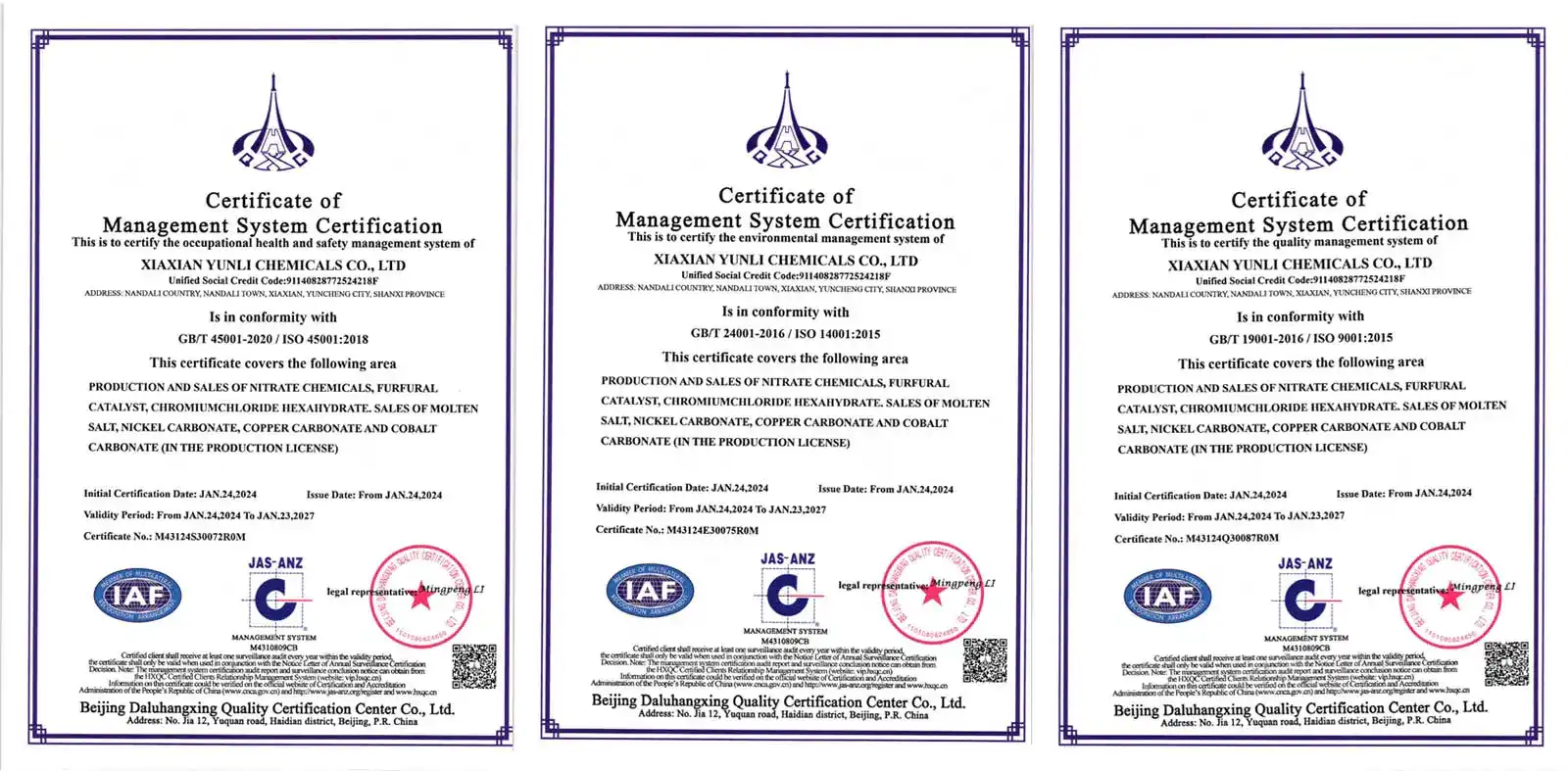
Procurement managers have to look at a number of safety factors that keep the supply chain going smoothly in order to find sellers they can trust. When a plant gets ISO 9001 certification, it means that its quality management systems are reliable, and when it gets ISO 14001 certification, it means that its processes are good for the environment. When a supplier has OHSAS certification, they put worker safety first. This lowers the legal risks that come with working with materials that oxidize. Before agreeing to orders for tons, technical engineers can ask for Material Safety Data Sheets (MSDS) and batch-specific COA paperwork to make sure that the purity standards meet the needs of the application.
Market Trends and Delivery Options for Industrial Buyers
As the market changes, there is a greater need for high-purity Calcium Nitrate grades (≥99% test). This is because electronics and pharmaceutical intermediates are being made. Lead times for standard farming grades are two to four weeks, while lead times for special specs are four to six weeks. Established companies that make more than 50,000 metric tons a year show steady supply, which means that amounts don't run out during busy times. The people in charge of buying things should make deals that set goals and keep prices stable without relying on volatile markets for raw materials.
Storage and Handling Guidelines for Combined Applications
The right way to store things keeps them from going bad and makes sure they mix well during their whole shelf life. To keep Calcium Nitrate from clumping and crystallizing, it needs to be kept in places that are controlled by temperature and humidity levels below 60%. Even though magnesium sulfate can work in a wider range of humidity levels, it does best in containers that keep water out. To keep both types of goods separate and avoid cross-contamination, they should be kept in different areas on-site. This will also make inventory management easy for quality control. As part of the handling process, personal protective equipment methods should take into account the risk of skin irritation and the oxidizer safety steps listed in the MSDS paperwork.
Best Practices and Recommendations for Mixing Calcium Nitrate with Magnesium
Step-by-Step Mixing Protocols and Compatibility Testing
You should test small batches to make sure they will work together in the real world before you mix them all together. First, mix Calcium Nitrate tetrahydrate with clean water until it's no longer rigid. Do this until the mixture is no more than 2% by weight. Before adding magnesium sources, make sure it's all mixed in. Add magnesium sulfate or magnesium nitrate slowly while shaking all the time to keep the mixture from getting too wet in some places. After 30 minutes, check to see if any streaks or clouds appear, which are signs that the two solutions are not compatible. To make sure that the conditions are right for growing output, write down the water source's total dissolved solids, pH, and hardness.
Equipment Considerations and Environmental Factors
Modern fertigation methods with in-line screens (120–200 mesh) keep emitters dry when it rains suddenly. Galvanized steel tanks rust over time when they come in contact with acidic solutions. But tanks made of plastic or polypropylene don't rust when they come in contact with nitrate solutions. Keeping the temperature of a solution below 30°C slows down the breakdown process and keeps the solution fixed for longer. Plan your fertigation for the cooler morning hours, when water drains more slowly and plants receive nutrients better. This way, agronomists can get the most out of their work.
Troubleshooting Common Problems and pH Adjustments
If it still rains after adding the right amount of water, check to see how alkaline the water is and use phosphoric acid to bring it down to a pH level between 5.8 and 6.2. If you use too much hard water, your solutions will be cloudy, which means they don't match. Softening hard water before mixing it can fix most problems with rain or snow. If extra fertilizer gets stuck in an emitter, it needs to be cleaned with water that is acidic (pH 4.5–5.0) to break up mineral layers and get flow rates back to normal. In the field, when things don't go as planned, professional support from providers who know a lot about how to fix problems is very helpful.
Conclusion
Using Calcium Nitrate along with magnesium-based fertilizers is a safe and healthy way to feed plants as long as the right steps are taken. Sometimes these chemicals don't respond badly with each other. It depends on how concentrated the solution is, how good the water is, how the molecules are mixed, and what's around them. I've worked with purchasing managers and technical engineers for 20 years, so I know how important it is to pay close attention to dilution ratios, pH control, and the tools you use. When you do business with other companies, it's best to go with qualified providers who can offer full technical help, good paperwork, and flexible supply plans that can be used for both farms and industry.

FAQ
Q1: Can calcium nitrate be safely mixed with magnesium sulfate for foliar sprays?
A: Yes, if it's mixed the right way. Break down each material one at a time until it's less than 1.5% by weight. Then, mix the drinks so that the pH stays between 5.5 and 6.5. This stops the rain and makes sure the leaf surface is safe for the plants without hurting them.
Q2: What storage conditions prevent degradation when stockpiling both materials?
A: It is best to keep Calcium Nitrate in climate-controlled rooms that stay between 15°C and 25°C and have less than 60% humidity. Magnesium- and calcium-based fertilizers should be kept in different, closed containers so they don't mix. There is also less chance of damage when things are stored separately.
Q3: How do I request samples and bulk quotes for mixing trials?
A: Tell reputable manufacturers what you need, like the purity level you want, how much you plan to buy each month, and where you want the goods sent. Well-known companies let you try out free samples of up to 500 grams to see if they work with your needs before you buy a lot. This lets customers make sure they understand the technical details in a real-life setting.
Partner with Yunli Chemical for Premium Calcium Nitrate Supply
When you need Calcium Nitrate, you can trust Yunli Chemical. This company has been making good items for more than twenty years and brings in more than RMB 1 billion a year. Our Calcium Nitrate tetrahydrate for field fertilizers that dissolve in water is as pure as it gets. This was proven by our business technology center at the regional level, which has ICP-MS and atomic absorption spectrometry. We give you all the information you need to be compliant, like MSDS and COA certificates, so it's easy to include our goods in your quality control processes.
The factory-direct price cuts out the middleman, and we make sure that all tonnage orders are fulfilled on time every time through our own shipping operations. Send an email to wangjuan202301@outlook.com right now to get your free 500-gram sample. Our methods are ISO 9001, ISO 14001, and OHSAS-certified. Learn how they can help your business get the stable supply chain performance it needs.

References
1. Adams, P. (2002). "Nutritional Control in Hydroponics." In Savvas, D. and Passam, H. (eds.), Hydroponic Production of Vegetables and Ornamentals, Embryo Publications, Athens, pp. 211-261.
2. Marschner, H. (2012). Mineral Nutrition of Higher Plants, Third Edition. Academic Press, London.
3. Mengel, K. and Kirkby, E.A. (2001). Principles of Plant Nutrition, Fifth Edition. Kluwer Academic Publishers, Dordrecht.
4. Savvas, D. and Adamidis, K. (1999). "Automated Management of Nutrient Solutions Based on Target Electrical Conductivity, pH, and Nutrient Concentration Ratios." Journal of Plant Nutrition, Vol. 22, No. 9, pp. 1415-1432.
5. Sonneveld, C. and Voogt, W. (2009). Plant Nutrition of Greenhouse Crops. Springer Science, Dordrecht.
6. Tisdale, S.L., Nelson, W.L., Beaton, J.D., and Havlin, J.L. (1993). Soil Fertility and Fertilizers, Fifth Edition. Macmillan Publishing Company, New York.