


What are the typical applications for a 50% chromium acetate product?
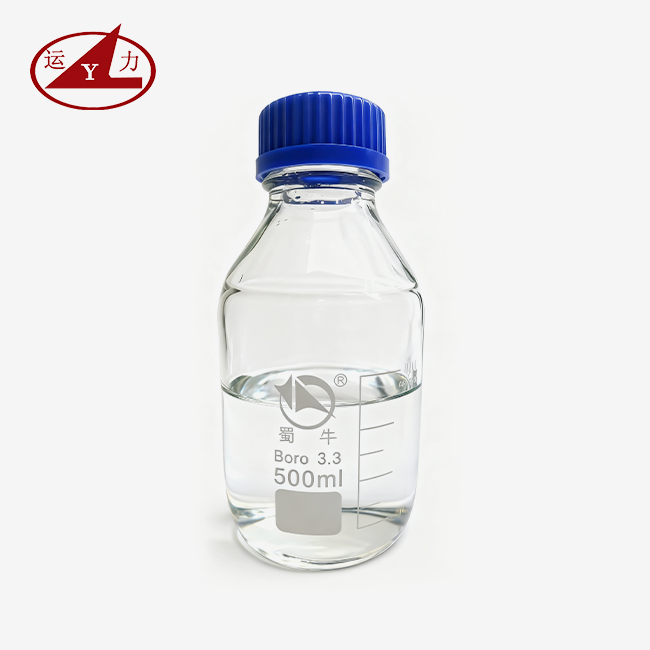
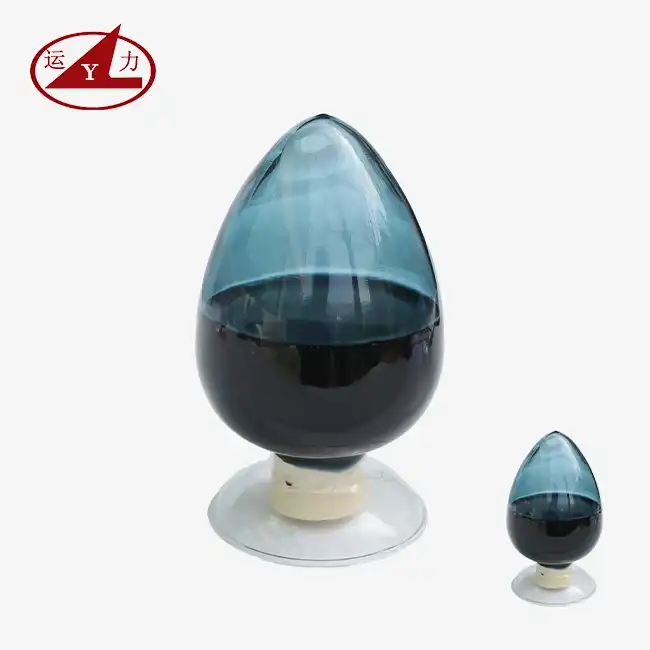
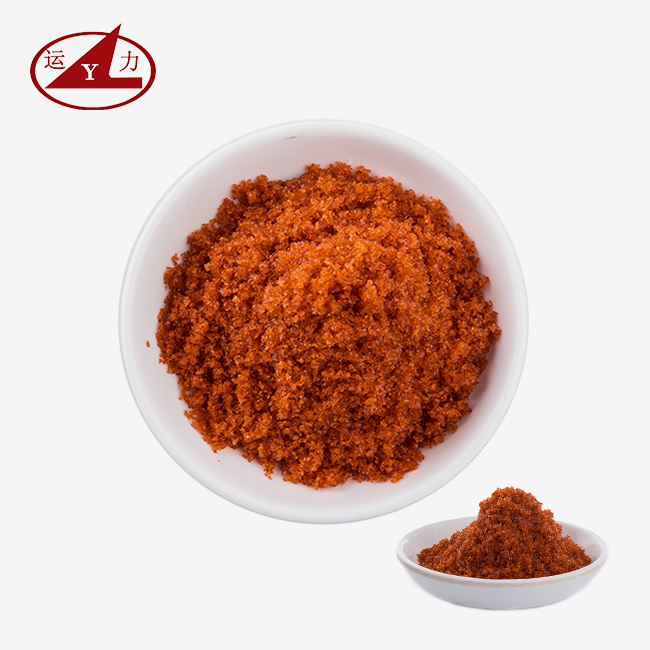
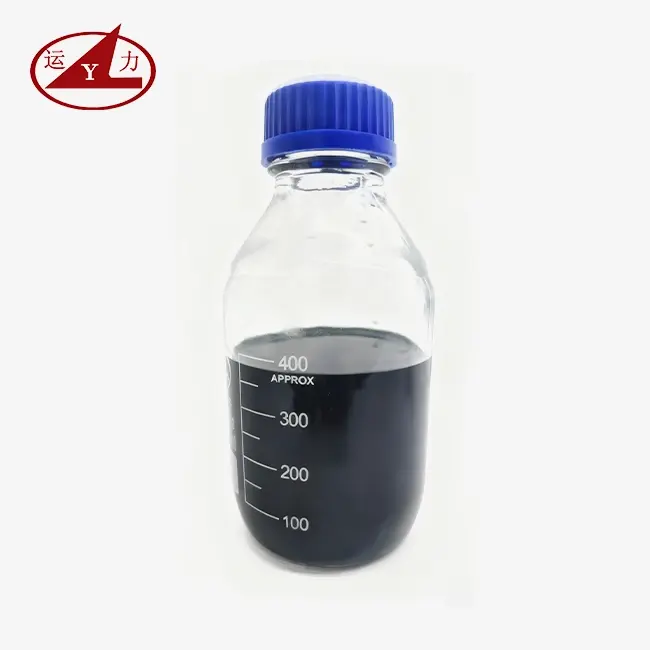
Chromium Acetate 50% solution is an industrial chemical that can be used in many different areas. It is mostly valued for its use as a mordant in the coloring, dying, and surface treatment of leather and textiles. This grayish-green water-based mixture has about 50% chromium(III) acetate by weight, which gives it controlled reactivity and stability in a wide range of uses, from making catalysts to processing photographic film. This compound is used by businesses because it helps dyes stick better, makes products last longer, and is safer for the environment than hexavalent chromium compounds when treating surfaces.
Comprehending 50% Chromium Acetate: Properties and Production
The basic science of this substance starts with its molecular name, which is Cr(CH3COO)3 and has a weight of 229.13. When it comes to its physical properties, the solution is usually a grayish-green or bluish-green thick liquid with a specific gravity of 1.25 to 1.35 g/cm³ at room temperature. This recipe is very useful in industrial settings because it completely dissolves in water. This means that techs can make custom dilutions without having to deal with phase separation problems that happen with many metal salt solutions.
Quality Parameters That Matter
If a batch meets strict industry standards, it means that the manufacturing process was done well. The amount of chromium in high-quality materials stays between 7.5% and 7.8% as solid chromium, which is equal to about 11.0% to 11.5% as Cr₂O₀. The pH range of 3.5 to 4.5 is an important control point. Values below 3.0 can cause corrosion in stainless steel handling equipment, and numbers above 5.0 cause chromium hydroxides to form too quickly, making the material useless.
ICP-MS and atomic absorption spectrometry are used by advanced makers to check impurity limits. Iron pollution must stay below 30 ppm because even small amounts slow down the cross-linking process in polymer uses. Stress corrosion cracking in dosing systems can't happen when chloride levels are less than 50 ppm, and sulfate control makes sure that sensitive organic synthesis routes can work with the system. These requirements are not made up on the spot; they are based on decades of operating experience where failures caused by impurities have cost makers a lot of time and money.
Production Standards and Certifications
Reputable manufacturers keep both ISO 9001 and ISO 14001 environmental standards up to date. Chromium hydroxide is controlled acetylated at a controlled temperature during the production process. This is followed by filtration steps that get rid of particles that are less than 0.1% by weight. Storage stability lasts longer than 12 months as long as containers stay shut and out of the way of extreme temperatures. However, checking the concentration every so often helps make sure stability before a large-scale rollout.
Industrial Applications of 50% Chromium Acetate: Focus on Leather Tanning and Beyond
Chromium Acetate 50% is used in industry for many things, but mostly for tanning leather. This compound has been used for many years and has become a favorite tanning agent in the leather business, which is the most known application area. Traditional chrome sulfate tanning makes a lot of acidic wastewater that needs to be neutralized very quickly. Chromium acetate is a good option because the acetate ligand acts as a buffer, keeping the pH level steady during the penetration and fixation steps. This process of cushioning makes the leather softer, more uniform, and better at taking dye.
Leather Processing Advantages
Tanners who work with soft leathers like lambskin and high-quality calf leather like how chrome acetate enters evenly and doesn't damage the grain. The managed rate of hydrolysis lets more fibers go through before cross-linking happens. This makes leather that is very strong in tension while still being naturally flexible. When checked using normal methods, acetate-tanned leather is 15-20% more resistant to tears than sulfate-tanned leather, according to comparative studies. The process also has big benefits for the environment. It lowers the amount of hexavalent chromium in sewer streams, which makes it easier to follow the stricter rules for entering the US and European markets.
Textile and Dyeing Operations
Textile makers use this chemical as a mordant to keep colors on wool, silk, and man-made fibers for a long time. The chromium(III) ion creates coordination complexes that connect dye molecules to fiber reactive spots. This makes the wash fastness scores a lot better. The solution is stable at high temperatures, so automated continuous coloring ranges can use it. It stays reactive through multiple heating processes without breaking down or precipitating. Natural and manufactured fibers take dyes differently, which makes cotton-wool mixes harder to work with. Chromium acetate's controlled reactivity helps make the color more even across mixed-fiber fabrics.
Catalyst Manufacturing Applications
For many cracking and polymerization processes, petrochemical operations need catalysts that are based on chromium. It is much better to use chromium acetate as a precursor than nitrate or chloride salts. When put on alumina or silica supports and heated, the acetate breaks down easily, leaving behind chromium oxide particles that have more surface area and are more stable at high temperatures. This better performance means that the catalyst will last longer and be more selective in complex hydrocarbon conversion processes. Pharmaceutical-grade synthesis also uses forms that are in line with USP and EP standards to make drug intermediates that must be carefully checked for metal contamination.
Specialty Applications
In the past, photography and film processing used a lot of paper, but digital technology has cut down on this market section. Dilute solutions are used to seal anodized aluminum. Chromium acetate fills up micropores in the oxide layer, making it more resistant to rust without adding any hexavalent chromium dangers. Corrosion inhibitors for cooling water systems and cross-linking agents in polymer gel mixtures used to improve oil recovery in mature oil fields are two new uses for these chemicals.
Comparative Analysis for Procurement: Chromium Acetate 50% vs Alternatives
When purchasing managers look at chromium compounds, they have to compare how well they work with how much they cost and how hard it is to follow the rules. Chromium sulfate is still the least expensive choice per kilogram; it is usually cost 20–30% less than acetate equivalents. However, this perceived cost benefit becomes less significant when you consider the costs of treating wastewater and the technical difficulties of handling process streams that are very acidic.
Performance Differentiation
Chromium chloride reacts more quickly—an apparent advantage until real-world handling challenges emerge. Rapid crosslinking can cause premature gelation of polymer systems before reaching their intended application zones. Tanners report that chloride salts produce uneven dyeing results, requiring additional processing steps to achieve specification. Chromium Acetate 50% offers a controllable delayed hydrolysis mechanism. Hydrolysis proceeds at a predictable rate governed by pH and temperature, providing process operators greater flexibility.
Environmental impact assessments increasingly influence supplier selection. Chromium acetate generates less hexavalent chromium during high-temperature decomposition—a critical consideration for catalyst manufacturers operating under air quality regulations. Additionally, the acetate ion degrades more readily than sulfate or chloride species, resulting in reduced environmental persistence within treatment systems.
Purity Grades and Specifications
Technical-grade material is good enough for tanning leather and making textiles when the content is 50% and the amount of impurities is within normal limits. For making catalysts and pharmaceuticals, stricter requirements are needed. The material must be 4N-grade pure (99.99%), with heavy metal contamination below 5 ppm and alkali metal contamination below 10 ppm. These luxury grades cost 40–60% more than regular technical formulations, but they don't have any process factors that could affect the quality of the product in sensitive situations.
Procurement and Supply Chain Considerations for 50% Chromium Acetate
Strategic sourcing starts with qualifying suppliers. Production capacity, quality stability, and proof of legal compliance are used to judge suppliers. Manufacturers that have been in business for at least 20 years usually have more stable supply lines than newer companies. This is because they have been through changes in the prices of raw materials and changes in regulations that wiped out rivals who weren't as strong.
Supplier Selection Criteria
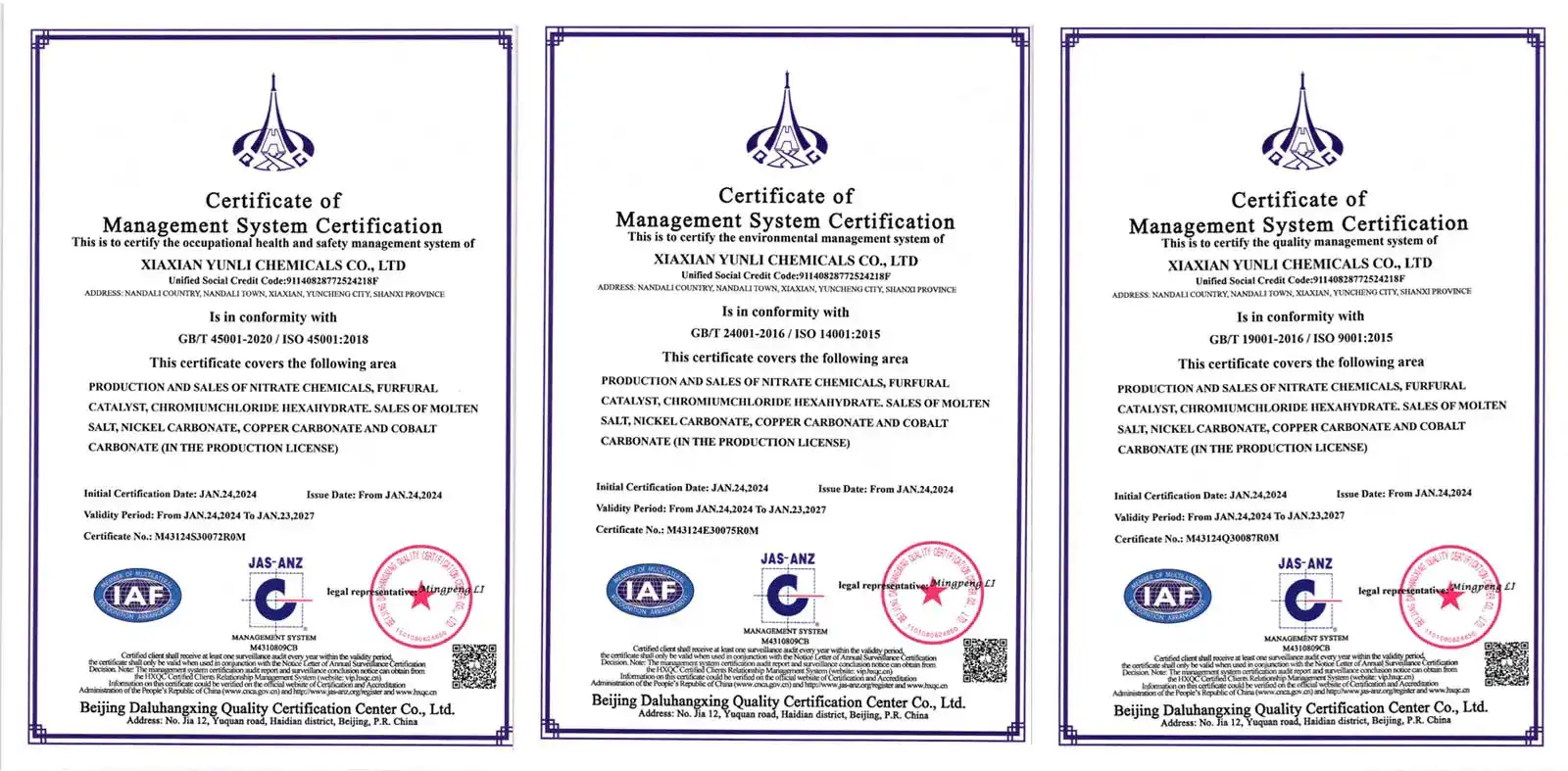
Scale of production matters when sourcing Chromium Acetate 50%. Factories with annual revenues exceeding $100 million and fixed assets supporting multiple production lines can better absorb demand surges without compromising delivery schedules. Minimum certifications should include ISO 9001, ISO 14001, and OHSAS 18001, while additional qualifications—such as recognition as a provincial technology center—demonstrate genuine R&D capability beyond outsourced manufacturing. On-site analytical laboratories equipped with ICP-MS, atomic absorption spectrometers, and automated titration systems enable real-time quality verification, reducing batch rejection risk.
Volume and Logistics Planning
Industrial users who buy in bulk usually make contracts for 20 to 50 metric tons per year. These contracts are usually set up so that supplies happen every three months to keep prices stable and inventory costs low. It's important to have flexible packaging options because some processes need IBC totes for automatic dispensing systems and others like drum designs for handling by hand. When it comes to just-in-time inventory models, smaller wholesalers like it when sources have low minimum order quantities—sometimes as low as one drum—and quick turnaround times.
There are more types of documentation needed than just MSDS and COA certificates. For international exports going to Europe, REACH pre-registration is needed, and for U.S. imports, TSCA listing proof is needed. For pharmaceutical uses, DMF paperwork is needed that shows how the product was made and what kinds of impurities were found. Experienced sellers keep these sets of documents in forms that are easy to access. This speeds up the process of clearing customs and filing with regulators.
Market Landscape and Pricing Dynamics
The majority of the world's production happens in China, where integrated chemical plants can take advantage of the closeness of raw materials and the well-established facilities for processing chromium. North American and European sellers usually get their base materials from Asian makers and mark them up by 15 to 25 percent to cover the costs of local storage and technical support. Spot market prices change based on the price of chromium ore and the value of the dollar. Long-term contracts often have price adjustments every three months that are based on public metal indices.
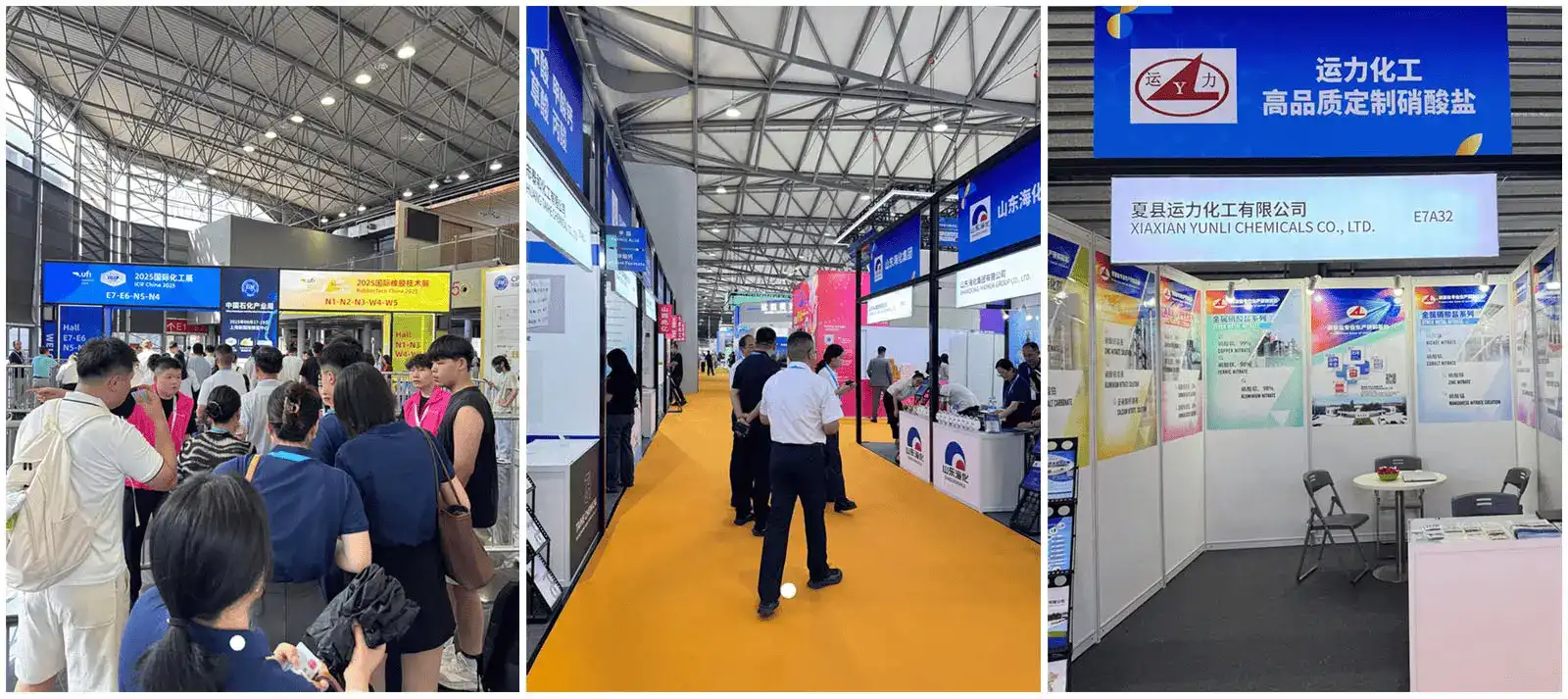
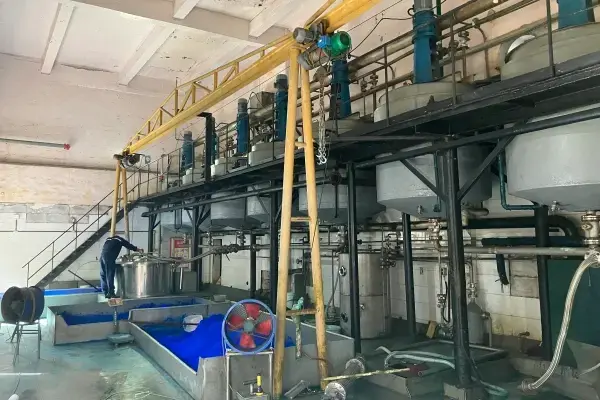
Professionals in procurement should check the claims made by suppliers with references from current customers who work in similar industries. Even though they take a lot of time, visits to the production site show practical facts that certifications alone cannot convey. For example, standards for maintaining equipment, rules for handling raw materials, and training programs for workers all affect the consistency of output.
Benefits, Safety, and Environmental Impact of Chromium Acetate 50%
Chromium Acetate 50%: Its Pros, Cons, and Effects on the Environment. The practical benefits that are driving acceptance are improving the quality of the product and making the process more efficient. In leather uses, shorter processing times mean less energy use. Because they penetrate fibers more quickly, acetate formulations often finish tanning processes 10-15% faster than sulfate substitutes. The leather that was made has more uniform thickness profiles and less difference across hide surfaces. This means that less trim is wasted when it is being cut.
Workplace Safety Protocols
Even though chromium(III) compounds are not as dangerous as hexavalent chromium species, the right safety measures must still be taken when dealing them. Because the solution is acidic, it can irritate the skin and eyes. To protect yourself, you must wear chemical-resistant gloves and safety glasses. Ventilation systems should keep negative pressure in storage areas to keep vapors from building up, but because the substance isn't very volatile, it's not normally dangerous to breathe in. Plans for dealing with spills need to take into account how slippery the material is. Materials that are sticky and contain calcium carbonate can help reduce acidity and make cleanup easier.
Long-term exposure studies show that chromium(III) exposure with good control poses few health risks compared to older hexavalent chromium processes. Occupational exposure guidelines set by OSHA allow 0.5 mg/m³ as an 8-hour time-weighted average for chromium(III) compounds. This level is easy to reach by following normal safety procedures in the workplace.
Environmental Considerations
The main environmental path that needs to be managed is still wastewater overflow. Chromium acetate solutions that go into treatment systems have the acetate part biologically oxidized, and the chromium then forms hydroxide at neutral pH. Modern treatment plants can get total chromium amounts below 0.5 mg/L, which is well within the limits set by most discharge permits. The compound's structure limits the production of hexavalent chromium during processing, but it's still a good idea to check on a regular basis to make sure that oxidizing conditions haven't formed in the treatment infrastructure.
Soil pollution risks are mostly caused by bad dumping methods. Chromium(III) species don't move around much in most types of soil because they stick to clay minerals and organic matter very well. Because of this, groundwater can't move as easily, but polluted dirt needs to be dug up and thrown away properly instead of depending on natural attenuation. To save money and protect the environment, responsible producers use closed-loop methods to get chromium back from process streams.
Conclusion
Chromium Acetate 50% solution is used in many different ways, such as for tanning leather, dying fabrics, making catalysts, and treating surfaces. This is because it has controlled reactivity, works well with other chemicals, and is good for the environment. It's helpful for procurement workers to know how the changes in formulation between acetate, sulfate, and chloride variants affect performance results and the total cost of ownership. Instead of just comparing unit prices, successful sourcing strategies focus on how stable the provider is, how well they can analyze data, and how full their paperwork is.
As environmental rules get stricter around the world, chromium acetate's lower hexavalent chromium generation profile makes it a good choice for businesses that want to find environmentally friendly options without lowering the quality of their products. Choosing a manufacturer with a track record of quality systems and expert help cuts down on supply chain risks and makes it possible to improve the process.
FAQ
Q1: How does chromium acetate differ from chromium sulfate in tanning applications?
A: The main difference is in the amount of delay and the way the signal penetrates. The acetate binder in chromium acetate naturally lowers the pH, which makes dyeing more even and less damaging to the grain of delicate leathers. Sulfate products need more careful pH control and usually make leather that is a little stiffer. The acetate choice makes less hexavalent chromium in wastewater, which makes following environmental rules easier.
Q2: What storage conditions maintain product stability?
A: Quality is kept for 12 to 24 months in sealed packages kept in cool, dry places. Extremes of temperature should be avoided. Around -20°C, something can freeze, which means it needs to slowly thaw and be mixed well before it can be used. Containers that are only partly full should be resealed right away to keep water from evaporating, which raises the concentration and could cause precipitation. Regular checks of the density help make sure that the concentration is stable.
Q3: Can I source certified material with international shipping?
A: Established providers keep paperwork packages that help with global trade. These include REACH compliance for markets in Europe and TSCA certification for markets in the U.S. When it comes to corrosive liquids, packaging must meet UN danger rating standards (usually Class 8). Manufacturers with a good reputation usually give these certifications, but buyers should make sure the paperwork is complete before completing the purchase order.
Connect with Reliable Chromium Acetate 50% Manufacturers at Yunli Chemical
For more than 18 years, Yunli Chemical has been making high-quality chromium acetate solutions for demanding industrial clients. These solutions meet the strict quality standards your processes need. Our site in Shanxi Province is certified by ISO 9001, ISO 14001, and OHSAS 18001, and we are also recognized as a local technology center for our advanced research and development. We keep the amount of impurities below 30 ppm iron and 50 ppm chloride by using our modern analysis lab, which has ICP-MS and atomic absorption spectrometry.
We can change the percentage, viscosity, and packing to fit your exact needs, whether you need technical-grade material for processing textiles or 4N-purity standards for making catalysts. You can get free samples of up to 500 grams to make sure they work in your process before you commit to large sales. Our direct factory supply plan gets rid of markups on goods that go through middlemen. It also keeps supplies consistently available by producing more than RMB 1 billion a year. You can talk to our sourcing experts about your chromium acetate source needs, get technical datasheets, or set up trial shipments with flexible minimum order numbers by emailing wangjuan202301@outlook.com.

References
1. Covington, A.D. (2009). Tanning Chemistry: The Science of Leather. Royal Society of Chemistry Publishing.
2. Sundar, V.J., Raghavarao, J., and Muralidharan, C. (2011). "Cleaner Chrome Tanning: Emerging Options," Journal of Cleaner Production, Vol. 19, pp. 2118-2127.
3. Rajamani, S. (2016). Textile Finishing: Recent Developments and Future Trends. Woodhead Publishing Series in Textiles.
4. Guertin, J., Jacobs, J.A., and Avakian, C.P. (2004). Chromium(VI) Handbook. CRC Press, Boca Raton.
5. U.S. Occupational Safety and Health Administration (2021). Chemical Sampling Information: Chromium Compounds. OSHA Technical Manual, Section II.
6. International Agency for Research on Cancer (2012). "Chromium and Chromium Compounds," IARC Monographs on the Evaluation of Carcinogenic Risks to Humans, Vol. 100C.