


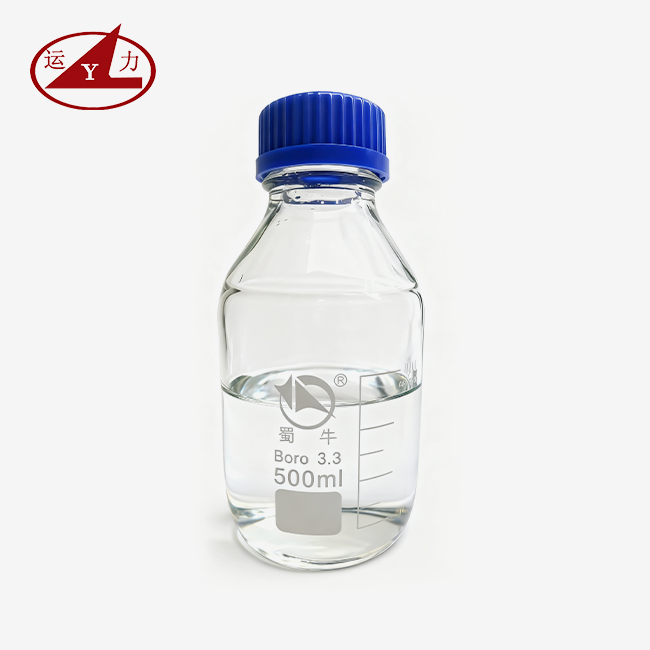

What is chromium chloride?
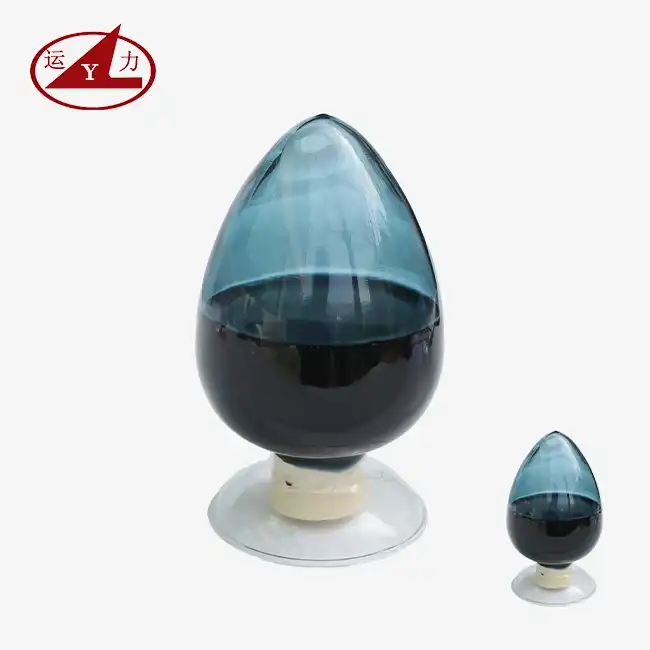
There are three types of chromium compounds. The most common form is chromium chloride hexahydrate (CrCl3·6H2O, CAS 10060-12-5), a dark green crystalline material that is very useful in many business areas. It takes 266.45 g/mol to dissolve this molecule, and it does so very well in both water and ethanol. This makes it the best place to get chromium for electroplating, making catalysts, dying clothes, and making chemicals used in pharmaceuticals. Hexavalent chromium substances are bad for you and the world, but trivalent Chromium Chloride is better. It's safe and effective, and it meets REACH and RoHS standards, so it's a good choice for makers who want to use environmentally friendly materials.


Understanding Chromium Chloride: Properties and Applications
Chemical and Physical Characteristics
It comes in the form of hexahydrate, which looks like monoclinic crystals that are melting. The density is 2.76 and the freezing point is between 86 and 90°C. Because of these qualities, it works perfectly for tasks that need to exactly control the rate of breakdown and release of chromium. It is important to keep in mind that the solution is slightly acidic after it has been dissolved when making electrolytic baths or catalyst preparations. The chemical doesn't dissolve in ether, but it does dissolve well in water, ethanol, and acetone. This selective solubility profile can help process engineers set up good cleaning and reaction conditions.
It is more energetic and soluble than chromium oxide, which is a big plus. Chromium oxide is mostly used to make things hard or as a source for colors. Hexahydrate chromium chloride, on the other hand, is a reacting middle-ground that can be added quickly to complicated chemical reactions. For it to keep its shape, it needs to be kept in sealed containers because it absorbs water. The good thing is that this trait also makes it easy to breakdown quickly in water. This speeds up the production process and uses less energy.
Key Industrial Applications
Because it is so flexible, this material can be used in many high-value roles. This information helps people who are buying buildings decide if the building fits their wants.
Electroplating and Surface Treatment: The switch from six-valent to three-valent chrome plating is a big step forward for safety and rules. The base for both decorative and useful chrome coating baths is chrome chloride hexahydrate. Coatings of complex forms that don't rust and are the same thickness all over can be made with this method. These coats keep their safe and nice-looking qualities while also meeting strict environmental standards. Some things that can be used with them are car parts, bathroom fixtures, and spaceships.
Catalyst Manufacturing: This chemical is a precursor for supported chromium catalysts, which makes it an important part of the olefin polymerization and hydrogenation processes. The low iron level (adjusted to ≤10 ppm) stops the catalyst from getting poisoned, which is a common problem in fine and petrochemical synthesis. Process engineers like that the pH stays stable and that the ligand exchange rates are always the same. This gives them exact control over how active sites are made while the catalyst is being prepared.
Textile Dyeing and Leather Tanning: To dye fabrics and tan leather, chromium chloride is used as a mordant. This means that it strongly bonds color molecules to natural fibers like wool and silk. This makes it better than other mordants at keeping colors true and not running out. Chrome-tanned leather is more durable and flexible, and meets the high standards of companies that make shoes and furniture. It is made by leather tanneries.
Pharmaceutical and Fine Chemical Intermediates: Highly pure grades with arsenic and lead levels below 2 ppm are used to make APIs, which are important for making medicines that help digestion and other organometallic chemicals. Companies that make medicines can save money on certification fees and get governmental permission more quickly because the quality is the same from batch to batch.
Safety and Environmental Considerations
Before you can safely handle something, you need to know what chemicals it is made of. It's not as dangerous to work with trivalent chromium as hexavalent types, but you should still wear the right safety gear. People who work with powdered forms should wear gloves, safety glasses, and the right breathing gear so that the powder doesn't get on their skin or in their lungs. Storage spaces need to be cool, dry, and well-ventilated so that things don't go bad or soak up water.
Environmental management's main goals are to stop waste and cut down on emissions. In modern industries, closed-loop recycling systems are used to gather and reuse solutions that contain chromium. This makes a huge difference in the amount of trash that needs to be thrown away. Companies that want to make things in a way that doesn't hurt the environment should make sure that the companies they work with keep their environmental licenses up to date and improve their garbage treatment systems. Following the EPA and local government rules is the right way to get rid of used solutions. Usually, this means cleaning, drying, and putting chromium-containing trash in dumps in a safe way.

Comparison and Selection: Choosing the Right Chromium Chloride Form
Anhydrous Versus Hexahydrate Variants
Because each product is different, you should use either dry or hexahydrate Chromium Chloride. The salt-free form (CrCl3) has a lot less water than the other forms and looks like violet crystals. So it works well for reactions that need to be dry and for organic synthesis, where water can get in the way of reactions. But since it is kinetically neutral and doesn't mix well with most liquids, it can't be used for electroplating in water or making catalysts.
Chrome chloride hexahydrate is the best choice for over 80% of industrial uses because it dissolves quickly, stays wet, and responds reliably. The six linked water molecules speed up the process of ligand exchange, which helps catalysts form faster and keeps the plating bath stable. Procurement teams should be very clear about the water state in buy orders so that they don't have to deal with delays and problems with compatibility.
Comparing Chromium Salts
Not only chloride salts are useful, but so are chromium nitrate, acetate, and sulfate. It's simple to dissolve and goes away quickly in water, but because it creates nitrate ions, it can mess up some plating or catalytic systems. Chromium acetate costs more than other buffering agents, but it can be useful in places where the pH level stays the same. Chrome sulfate is often used to make leather brown. A lot of places find it hard to use because it can make the water too basic, but it's great at controlling basicity.
The chloride form is the best balance because it isn't too expensive, works with a lot of different things, doesn't have many side effects, and is generally allowed by regulators. If technical experts want to compare sources, they should look at leftover profiles. These should show how much iron, sulfate, and heavy metals are present. There is a direct link between these trace elements and how well the process works and how well the result turns out.
Purity Standards and Quality Certifications
Chromium chloride hexahydrate for industrial use needs to be at least 99% pure, but for more advanced uses, it needs to be at least 99.5% pure with tight controls on impurities. The catalyst will still work and the coating baths will not change color if the iron amount is less than 30 ppm. Things that don't dissolve in water should stay below 0.01% so that electrolytic solutions stay clear and tools don't get blocked.
Suppliers who have ISO 9001, ISO 14001, and OHSAS licenses show that they care about worker safety, quality control, and the environment. It's easy for buyers to do audits and be sure that production standards will always be met with these qualities. A Material Safety Data Sheet (MSDS) and a Certificate of Analysis (COA) must be included with every box. These files show the test results for every group and explain what to do with them.
Procurement Insights: How to Buy Chromium Chloride for Industrial Use?
Bulk Versus Small-Scale Orders
Prices range from about $2.50 to $4.50 per kilogram, depending on how pure it is, how it is packed, and how it is shipped. Through economies of scale, people who buy a lot of something save money. People who are just starting out or small businesses should look for sellers who offer free trials and low minimum order amounts. Leading manufacturers give away up to 500 grams for free so that tech teams can try it out and see how well it works before they buy a lot of it.
You need to think about wait times when you look at the supply line. Based on how things are made and how they are shipped, these can be anywhere from 15 to 30 days for big sales. Companies that need just-in-time service should make framework deals with their suppliers to make sure they have enough goods on hand and can respond quickly to changes in demand.
Evaluating Manufacturers and Distributors
The main place where Chromium Chloride is still made is China. Businesses like Yunli Chemical give good prices, technical know-how, and strict respect to environmental standards. Before picking a provider, purchasing managers should look at how much they can produce, how they control quality, and how they handle the environment. There is a better chance that the goods will always be of the same quality if the testing labs have ICP-MS, atomic absorption spectrometers, and ISO certification.
When you deal directly with the makers, you skip the middleman and get access to expert advice, special formulas, and different types of packaging. Distributors help because they mix orders and take care of the processes in a certain area. Still, buyers should check to see how the sellers store the goods so that they don't go bad while they're being kept.
Certifications and Regulatory Compliance
It takes a lot of paperwork to ship chromium compounds across foreign lines. For example, you need an MSDS, a COA, a Dangerous Goods Declaration, and import permits for each country. Having suppliers who have exported before makes it easier to get through customs and follow the rules for sending Class 8 acidic materials. For things not to leak while they're being shipped, the boxes must meet UN guidelines and have the right labels, inner bags, and padding.
Rules are different in different parts of the world. The European Union, for instance, needs REACH registration, while the US needs TSCA permission. People who are buying should make sure that the buyers' records are up to date and that they can show proof of their claims if asked. This will help buyers escape delays or rejects at ports of entry that cost a lot of money.

Technical Deep Dive: Synthesis, Solubility, and Environmental Impact
Industrial Synthesis Methods
Hydrochloric acid is typically reacted with chromite-containing ores or recycled chromium to produce Chromium Chloride, followed by crystallization and separation. Traditional processes generate substantial wastewater containing chromium and chloride ions, requiring extensive treatment infrastructure. Advanced manufacturers have implemented closed-loop systems that recover acid and reclaim chromium from effluent streams, approaching zero-discharge operations while reducing raw material costs.
Alternative synthesis routes avoid chromium trioxide reduction but carry higher production expenses. Because environmental profiles differ significantly among manufacturing methods, purchasers requiring ultra-high purity grades for pharmaceutical or electronic applications should verify the specific production process employed.
Solubility Profile and Stability
When mixed with water in amounts greater than 50% w/v at room temperature, the hexahydrate form dissolves fully. This turns water into acidic liquids with a pH level between 2.5 and 4.0. The chromium cation breaks down in water, letting protons into solution. This makes the acidity. To get the best results for each job, process engineers can change the pH by adding hydroxide or compounds that keep the pH stable.
Below 100°C, thermal stability is still good, but burning for a long time makes it more likely that the material will dry out and break. Keeping things between 15°C and 25°C will help them stay fresh and stop them from getting hard. Solutions stay solid for a long time if they are kept away from light and things that can damage them. They can last longer than 12 months if they are kept in the right way.
Environmental Management Strategies
For our actions to have the least impact on the world, we need ways that cover making, using, and getting rid of things. Businesses do a lot less damage to the earth when they use crystals that use less energy, recycle waste acid, and precipitate chromium. If a buyer cares about the environment, they should choose a source with clear reporting standards and written measures of environmental performance.
When used in business, closed-loop coating systems and recycling catalysts make things last longer and use less power. By precipitating used solutions with hydroxide or carbonate chemicals, chromium that has been dissolved becomes stable, low-sodium solids that are safe to throw away. Recycling programs for Chromium Chloride containing trash make even better use of resources and reduce the need to dig up new ore.
Conclusion
Chromium chloride hexahydrate is something that all companies need if they want to switch to better, more eco-friendly ways of making things. As it doesn't react badly, is easy to dissolve, and has been allowed by regulators, it is the best source of trivalent Chromium Chloride for electroplating, making catalysts, processing fabrics, and making medicines.
When you buy something, you need to know the changes between water states, look into the quality systems of sellers, and make sure that all the rules are followed. Before deciding to buy a lot of something, technical teams should use representative samples to test the performance carefully. Companies can get reliable, low-cost supplies while also working toward their environmental goals and staying ahead in the global market by partnering with seasoned makers who are open about their environmental practices and offer flexible specs.
FAQ
Q1: What distinguishes chromium chloride hexahydrate from anhydrous forms?
A: Hexahydrate is made up of six ordered water molecules, which means it dissolves and reacts with water right away. Anhydrous Chromium Chloride doesn't move or dissolve quickly, so it can only be used in biological processes that are affected by water. In industrial settings, the hexahydrate form is most often used because it is safe and easy to work with.
Q2: How can buyers verify supplier quality and reliability?
A: Ask for up-to-date COAs that show amounts of impurities like iron, sulfate, and heavy metals. Also, make sure the company is ISO 9001 and ISO 14001 approved, and talk to their experts before you buy to see how good their support is. Ask for free packages so that you can try them out in-house before you place a big order.
Q3: What safety precautions apply when handling bulk quantities?
A: Put on the right PPE, like gloves and safety masks that can handle chemicals. Store it somewhere cool and dry, away from strong bases and things that could damage it. Set up systems that move air so that dust doesn't get into the air while powder is being worked with. People should be taught how to properly get rid of things that contain chromium and how to handle a spill.
Ready to Secure Reliable Chromium Chloride Supply?
The people at Yunli Chemical can help you get Chromium Chloride. They've been making good chemicals for more than 20 years and have plants that are ISO-certified. You can get chromium chloride hexahydrate from us. It is at least 99.5% pure and can have 30ppm or 10ppm iron in it. From 25 kg bags to IBC drums, it can be packed in different ways. It also comes with all the necessary paperwork, like an MSDS and COA. We cut out the middleman and offer a price that comes straight from the plant.
We also have a quality lab on staff that makes sure that the product is stable from batch to batch, which is important for uses like medicines, electroplating, and catalysis. Reach out to our technical team at wangjuan202301@outlook.com to get free samples of up to 500 grams, talk about your specific needs for purity and packaging, or get a custom price from a chromium chloride source you can trust to ship on time and provide helpful technical support.

References
1. Greenwood, Norman N., and Alan Earnshaw. Chemistry of the Elements. 2nd ed., Butterworth-Heinemann, 1997.
2. Cotton, F. Albert, et al. Advanced Inorganic Chemistry. 6th ed., John Wiley & Sons, 1999.
3. European Chemicals Agency. Guidance on the Application of the CLP Criteria: Guidance to Regulation (EC) No 1272/2008 on Classification, Labelling and Packaging of Substances and Mixtures. ECHA, 2017.
4. Schlesinger, Mark, et al. Extractive Metallurgy of Copper. 5th ed., Elsevier, 2011.
5. Kotas, J., and Z. Stasicka. "Chromium Occurrence in the Environment and Methods of Its Speciation." Environmental Pollution, vol. 107, no. 3, 2000, pp. 263-283.
6. Mandich, N.V., and D.L. Snyder. "Electrodeposition of Chromium." Modern Electroplating, 5th ed., edited by Mordechay Schlesinger and Milan Paunovic, John Wiley & Sons, 2010, pp. 205-248.