


Can zinc nitrate hexahydrate be worked on outside the hood?
When working with Zinc Nitrate Hexahydrate, it's important to follow all safety rules. This solid substance is often used in electroplating, surface treatment, and making medicines. However, procurement managers and technical engineers need to know about the risks that come with handling it outside of a fume hood. The short answer is that it relies on the job, the length of exposure, and the technical limits that are in place.
When the right air and personal protective equipment (PPE) are used, Zinc Nitrate Hexahydrate (CAS# 10196-18-6) can be handled outside of a fume hood for short, controlled tasks. Long-term contact or activities that make dust or vapour, on the other hand, need containment systems to keep workers safe from chemical and inhalation dangers.
Understanding Zinc Nitrate Hexahydrate: Chemical Properties and Safety Considerations
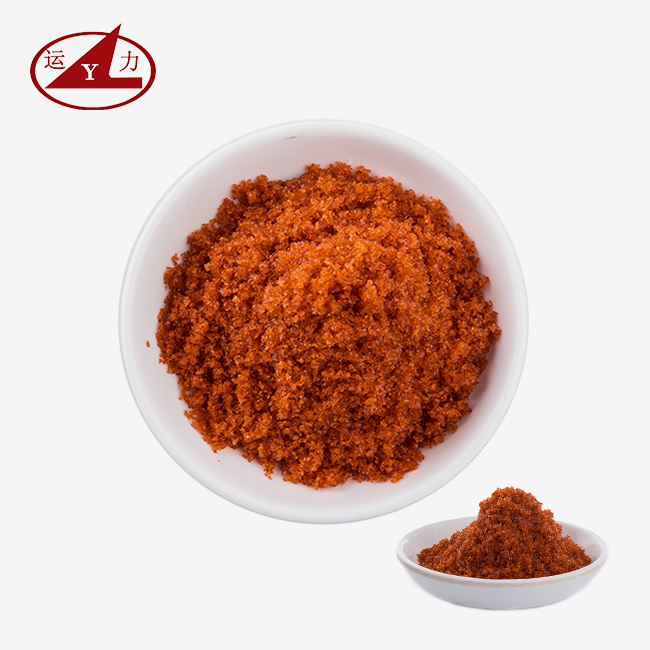
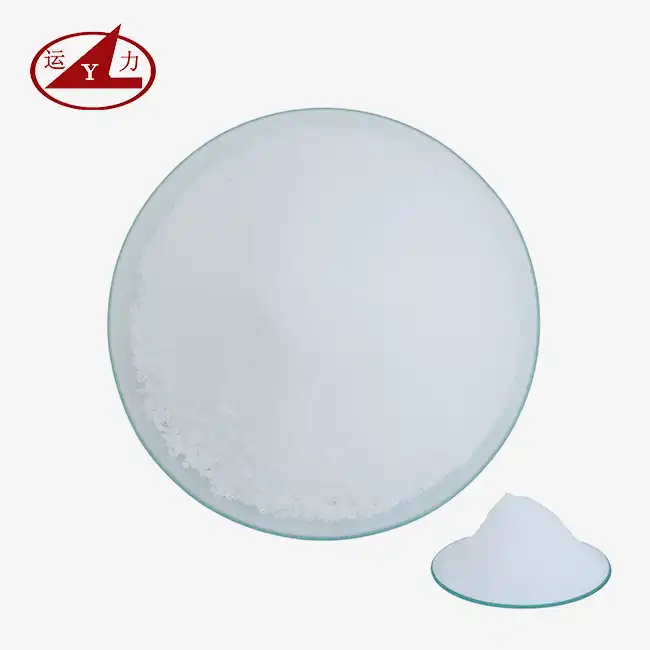
With the molecular formula Zn(NO3)2·6H2O and a molecular weight of 297.47, Zinc Nitrate Hexahydrate appears as colourless tetragonal crystals. With a specific density of 2.065 and a freezing point of 36.4°C, this combination is very good at absorbing water. It changes to a dry form above 37°C. It dissolves completely in water and alcohol, and its solutions are acidic. As an oxidiser, this substance makes fires stronger when it comes into touch with burning substances, so it needs to be kept separate while it is being stored and used.
Health Risks and Exposure Symptoms
Safety Data Sheets list a number of health issues that could be caused by contact. Inhaling dust or vapour can upset the lungs, which can lead to hacking, sore throats, and even inflammation of the airways. Contact with the skin may cause minor irritation or sensitisation responses, especially if it happens for a long time.
Due to the acidic nature of dissolved matter, eye contact can make your eyes red and hurt. Even though it doesn't happen very often in the workplace, ingestion can cause stomach problems and should be treated right away by a doctor. These risks make it clear why handling guidelines stress avoiding direct touch and making as few flying particles as possible.
Storage and Handling Protocols
Controlled keeping conditions are needed to keep chemicals' purity. Controlling humidity is very important because the substance easily soaks up water from the air, which could lead to dissolution in its own crystal water, which is something that new users often notice but don't understand. The best way to store things is in covered, moisture-proof containers that keep the temperature below 25°C.
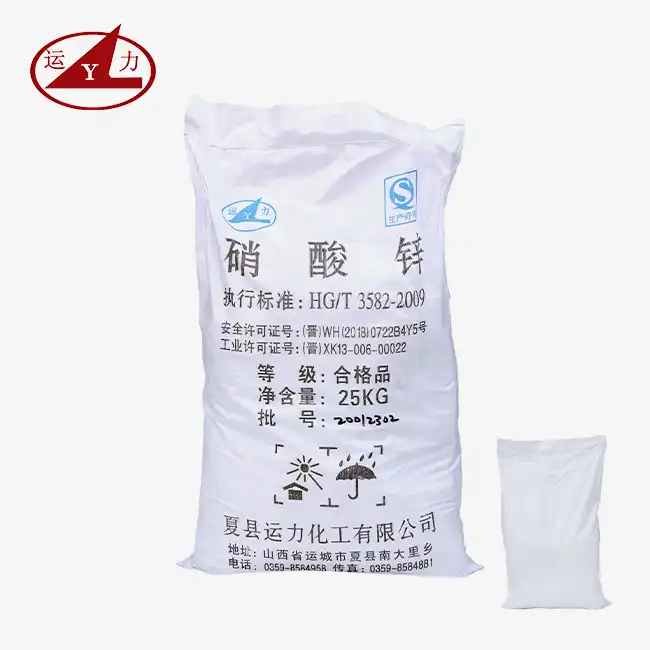
Separating chemicals is also very important; keeping this oxidiser near flammable materials, reducing agents, or organic acids can start a fire. Transport rules name it as UN 1514 (Oxidising Solid, Class 5.1), which means it needs to be properly labelled and shipped. You can package your goods in 25 kg PE-lined bags, IBC totes for bulk users, or special liquid solutions with different amounts.
Can Zinc Nitrate Hexahydrate Be Worked On Outside the Hood?
There are certain practical factors that need to be looked at before deciding whether to handle Zinc Nitrate Hexahydrate outside of a fume hood. The main worries are about the release of dust and vapour, which get worse as the temperature and mechanical disturbances get worse.
Evaluating Workplace Risks
The biggest danger when dealing with solid Zinc Nitrate Hexahydrate is breathing in the dust. Doing things like pouring, weighing, or moving things can send tiny particles into the breathing zone. Because nitrate has a low freezing point, hot processes may produce nitrate vapours, which can be harmful to your lungs. Exposure possibility is raised by things in the environment, like not enough air flow or high temperatures. When workers do the same things over and over, they are exposed to a lot of chemicals, and even low amounts can become dangerous over time.
Regulatory Standards and Compliance
In the US, OSHA rules stress that building limits are the best way to protect workers from chemical exposure. Even though there may not be clear limits on how much zinc nitrate compounds people can be exposed to, good workplace health says that dust levels should stay below 5 mg/m³ for particles that can be breathed in. In the European Union, REACH rules label this substance as having oxidising qualities. This means that employers must keep records of risk assessments and put safety steps in place. As new chemical data comes in, safety managers should check with local officials to make sure that rules are being followed.
Practical Applications and Case Studies
The best electroplating plants keep powder handling to specific areas with local air ventilation to show they know how to handle risks well. Weighing is done in downflow rooms, which filter the air to keep workers from breathing in harmful particles. Pharmaceutical companies that are making catalyst solutions have been able to use closed transfer systems to make dealing in the open air almost impossible. These real-life examples show that operations can go ahead safely outside of containment systems for certain, well-controlled jobs when engineering controls are added to fume hoods instead of being replaced by them.
Comparing Zinc Nitrate Hexahydrate with Other Zinc Salts for Industrial Use
Knowing how Zinc Nitrate Hexahydrate is different from other zinc sources helps buying teams choose the best materials for their needs.
Chemical Behavior and Safety Profiles
Zinc sulphate heptahydrate dissolves about the same, but it adds sulphate ions that can mess up some processes or cause unwanted solids to form in mixed liquids. Because it has a smaller oxidising potential, it is slightly less likely to catch fire, but you should still be careful when handling it. Another popular option is zinc chloride, which has the same hygroscopic properties and acidic solutions as nitrate.
But chloride pollution can cause rusting in sensitive areas like making electronics or using special coatings. The nitrate version works best when clean decomposition is needed during thermal treatment, since nitrate anions evaporate without leaving behind any contaminants. This is a very important benefit in catalyst synthesis and improved ceramic production.
Purity Levels and Performance Impact
Zinc Nitrate Hexahydrate that is used in industry is usually ≥98% pure and can be used for general electroplating and surface cleaning tasks. High-purity grades of up to 99% and heavy metal limits (Fe ≤30ppm, Pb ≤50ppm) are used in high-demand areas like making battery cathodes and pharmaceutical intermediates. The types of impurities have a direct effect on the quality of the product.
For example, trace iron contamination changes the colour of textile dyes, and farming fertiliser rules require that lead content be very low to keep soil from becoming contaminated. Buyers should ask for thorough Certificates of Analysis that list the important elements that are important for their intended use.
Market Considerations and Supply Dynamics
Pricing for Zinc Nitrate Hexahydrate is priced based on both the cost of raw zinc and the difficulty of making it. The prices on the market right now run from reasonable levels for normal industrial grades to very high prices for ultra-pure products that are made to specific needs. Different parts of the world have different levels of supplier concentration.
For example, well-known Asian manufacturers can offer savings of scale for large purchases, while specialised Western manufacturers focus on high-purity, low-volume orders. Lead times for normal goods are usually two to four weeks, but they can go up to six weeks for unique purity levels or packing. When procurement workers understand these market dynamics, they can negotiate better terms and make sure they have reliable supply lines.
Procurement Guide: Choosing Trusted Zinc Nitrate Hexahydrate Suppliers
Beyond price competitiveness, there are other factors that need to be considered when choosing the right source for Zinc Nitrate Hexahydrate.
Certification and Compliance Credentials
Reputable makers keep their ISO 9001 Quality Management System approval up to date, which shows that they follow consistent production standards and methods for tracking products. The ISO 14001 Environmental Management System certification shows a company's dedication to environmentally friendly production practices, such as properly handling nitrate-containing waste water and exhaust gases.
This is an important factor that can't be ignored because environmental laws are getting stricter. Occupational health certifications like OHSAS 18001 or similar ones show that safety programs for workers are strong. Suppliers should be able to easily provide all the necessary paperwork, such as Material Safety Data Sheets that meet GHS standards, complete Certificates of Analysis for each batch, and environmental compliance reports that show they are following the rules.
Quality Assurance and Technical Capabilities
Advanced analytical skills set superior sellers apart from common vendors. Find partners who have ICP-MS or atomic absorption spectrometry for accurate heavy metal measurement and to make sure that trace toxins stay within the limits that have been set.
Facilities that are designated as local or national technology centers usually have better research and development (R&D) tools that let them make customised products that meet the specific needs of each application. Access to technical help is very important; responsive teams that know the challenges your industry faces can suggest the best grades, fix processing problems, and suggest different formulations when supply runs out.
Logistics and Supply Chain Efficiency
When you buy in bulk, you need to carefully coordinate your operations to find the best balance between stocking costs and supply reliability. Minimum order numbers (MOQs) vary a lot. Suppliers who are flexible and don't have a MOQ can work with trial runs and smaller businesses, and big discounts award long-term partnerships. Your handling equipment should match the type of packaging you choose.
For example, 25 kg bags work well for manual tasks, IBC totes make automatic tasks easier, and bulk trucks are best for continuous high-volume tasks. Delivery dependability has a direct effect on production schedules. Look at providers' history of shipping on time and their backup plans in case of supply disruptions.
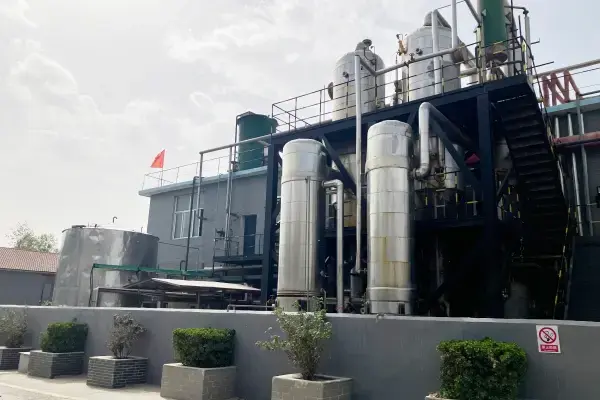
Yunli Chemical is a good example of these qualities because it has been a specialist in nitrate chemistry for 20 years. Our Shanxi plant, which is approved by ISO 9001, ISO 14001, and OHSAS, produces more than 1 billion yuan a year and has a history of being financially stable. As a Provincial-Level Enterprise Technology Center, we offer both normal industrial grades and 4N high-purity materials that are specifically made for use in technology and medicine. We have more than 60 different kinds of nitrates in our extensive product line.
Zinc Nitrate Hexahydrate comes in purity levels ranging from 98% to 99%, and heavy metal specs can be changed to meet EU fertiliser regulations or RoHS compliance requirements. Factory-direct pricing gets rid of the markups that middlemen add, and our self-run export section makes sure that communication is clear and procedures are streamlined. You can get free samples of up to 500 grams to fully evaluate the product before committing to buying it, and our expert team is available to help you with the purchase and implementation processes.
Best Practices for Safe Handling and Storage of Zinc Nitrate Hexahydrate
Putting in place thorough safety measures saves workers and keeps operations running smoothly when managing Zinc Nitrate Hexahydrate.
Engineering Controls and Ventilation Requirements
Safe handling starts with making sure there is enough general air. At least six full air changes should happen every hour in workplaces, and the movement should move contaminants away from areas where people are breathing. When processes make a lot of dust or vapour, local air ventilation becomes necessary. When placed next to transfer points, portable fume extractors remove airborne particles where they come from, greatly lowering the amounts in the surrounding area.
Dedicated fume hoods keep fumes contained when solutions need to be heated close to their freezing point of 36.4°C or when working amounts greater than several kilograms are needed. Downdraft tables are good options for weighing and packing because they combine containment with easy access.
Personal Protective Equipment Essentials
Chemical-resistant gloves made of nitrile or neoprene keep your hands from touching things you're handling normally. For short tasks, disposable gloves are fine, but heavy-duty gloves are better for longer tasks or higher volumes. Safety glasses with side shields protect against splashes, and chemical masks are improved for working with solutions or during transfer tasks.
Depending on the level of exposure, different types of respirators are needed. N95 respirators are good for most activities that create dust, but half-face or full-face respirators with combination screens are needed for activities that create steady airborne concentrations. Lab coats and covers that are resistant to chemicals keep clothes and skin from coming into touch with chemicals by accident. Polyethylene or PVC fabrics are better at protecting than regular cotton.
Emergency Response and Spill Management
Quick action on a spill reduces the risks and damage to the environment. For small spills on hard surfaces, carefully sweep the material into the right containers using non-sparking tools. Keep in mind that the oxidising nature doesn't allow mixing with organic absorbents like vermiculite or sawdust. Safe ways to hold things are with inorganic absorbents like dry sand or sodium bicarbonate.
For big spills, non-essential staff must be evicted, ventilation must be set up to get rid of any dust, and HEPA-filtered hoover equipment must be used for orderly collection. To get rid of contaminated materials, you need to hire licensed professionals who know how to deal with toxic garbage and oxidisers. Rinsing the affected areas with a lot of water dilutes any residues that are left behind. Runoff should be controlled and handled properly to keep it from getting into the environment.
Conclusion
To find out if Zinc Nitrate Hexahydrate can be handled without a fume mask, the risks associated with the task must be carefully weighed against the limits that are available. With the right airflow and PPE, short, controlled tasks that make little dust can be done safely. For tasks that involve heat, big amounts, or long-term exposure, special containment methods are needed. The decision structure is made up of regulatory compliance, risk ratings, and building controls. To make sure that safe implementation is possible in a wide range of situations, procurement pros must work with suppliers who offer uniform quality, detailed paperwork, and technical support.
FAQ
Is it safe to weigh zinc nitrate hexahydrate on an open bench?
It is safe to weigh small amounts of Zinc Nitrate Hexahydrate (usually less than 100 grams) on an open bench with good air flow as long as you wear the right safety gear, like rubber gloves, safety glasses, and a dust mask. Downdraft tables or movable extraction devices are needed to successfully collect airborne particles when working with larger amounts or doing the same task over and over.
How does toxicity compare between zinc nitrate and zinc sulfate?
When exposed to zinc ions, both substances have similar acute toxicity profiles. Eating them or breathing in high concentrations of them has similar effects on the gut and respiratory systems. The nitrate form has extra oxidising risks that the sulphate forms don't have, so it needs tighter storage separation and fire safety steps. Neither should be thought of as harmless; they both need to be handled with care.
What certifications verify supplier reliability for industrial procurement?
Suppliers of Zinc Nitrate Hexahydrate who are known for their reliability keep ISO 9001 quality certification, which shows consistent output, ISO 14001 environmental certification, which shows sustainable practices, and workplace health certifications like OHSAS 18001. Before you start working with a supplier, make sure you get up-to-date certificates, Certificates of Analysis that are special to the batch and show impurity profiles, and full safety paperwork that meets GHS standards.
Partner with Yunli Chemical for Reliable Zinc Nitrate Hexahydrate Supply
Finding a reliable Zinc Nitrate Hexahydrate supplier means finding a balance between quality control, following the rules, and quick expert help. Yunli Chemical has been specialising in nitrate chemistry for more than 18 years and works with electroplating plants, battery makers, drug makers, and catalyst synthesisers all over the world.
Our ISO-certified factory keeps strict quality controls, so we can offer industrial grades that are ≥98% pure and high-purity formulas that can be customised to reach ≥99% purity with carefully managed heavy metal content. Factory-direct price gets rid of extra markups, and our large selection and variety of packing choices, from 25 kg bags to bulk tankers, make it easy for businesses of all sizes to use our services.
As part of our service model, we offer technical advice, and our engineering team helps with creating safety protocols, making applications run more efficiently, and writing up legal paperwork. We offer free samples of up to 500 grams, so you can get a good feel for our products before committing to a large order. If you need a manufacturer that can deliver high-quality products on time, you can email Yunli Chemical at wangjuan202301@outlook.com or visit their website at yunlichemical.com to talk about your needs and get full product specs.
References
1. National Institute for Occupational Safety and Health. "Zinc Compounds: Workplace Safety and Health Guidelines." NIOSH Pocket Guide to Chemical Hazards, 2023 Edition.
2. European Chemicals Agency. "Substance Information: Zinc Nitrate Hexahydrate - Classification and Labelling Inventory." ECHA Database, 2022.
3. American Conference of Governmental Industrial Hygienists. "Threshold Limit Values for Chemical Substances: Zinc and Inorganic Zinc Compounds." TLVs and BEIs Book, 2023.
4. Occupational Safety and Health Administration. "Hazard Communication Standard: Safety Data Sheets and Chemical Management." OSHA Technical Manual, Section IV, Chapter 4, 2021.
5. International Labour Organization. "Safety in the Use of Chemicals at Work: Guidelines for Oxidizing Substances." ILO Code of Practice, 2020.
6. Society of Chemical Manufacturers and Affiliates. "Best Practices for Handling Oxidizing Materials in Industrial Settings." SOCMA Technical Report Series, Volume 17, 2022.