


What does magnesium nitrate do
Magnesium Nitrate is a chemical product that can be used in many different ways, including in farming, making things in factories, and making new chemicals. This very soluble artificial salt (Mg(NO3)2·6H2O) gives magnesium and nitrogen to plants, eliminates water in the production of concentrated acids, and starts the process of making catalysts. Because it has two types of nutrients, it is very useful in hydroponic systems and precision agriculture. It helps make chlorophyll and enzymes that are needed for strong plant growth.
Understanding Magnesium Nitrate: Composition, Properties, and Uses
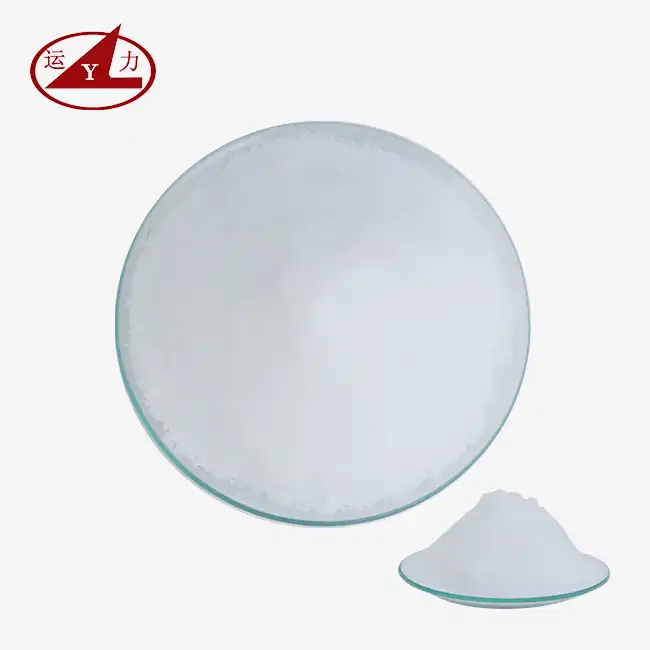
This molecule is identified chemically by its hexahydrate form, which has the CAS number 13446-18-9 and the molecular formula Mg(NO3)2·6H2O. Each Magnesium Nitrate unit is linked to six water molecules, which gives the molecule a weight of 256.41. At room temperature, this crystalline structure looks like colourless monoclinic crystals. It is the most thermodynamically stable hydrate form of all the nitrate salts.
Physical Properties That Matter to Industrial Users
When looking at material specs, there are a number of factors that affect how well it handles and performs in different situations. The specific density is 1.6363 g/cm³, which changes how much space is needed for keeping and how to calculate how to move the material. The freezing point is 89°C, but heating it above 90°C turns it into basic salts, and above 330°C it breaks down completely into magnesium oxide.
Extremely high levels of water solubility allow full dissolution for fertigation and liquid preparation uses. The chemical also dissolves easily in alcohol, which makes it more compatible with a wider range of liquid systems. One important safety note: mixing with organic chemicals increases the risk of sudden burning, so they need to be kept separate in warehouses.
Diverse Industrial Applications
Many different areas can benefit from this nitrate molecule. It works well as a dryer during extractive distillation processes to make concentrated nitric acid, which allows acid concentrations to go beyond azeotropic limits. As an oxidising agent, it is used in explosive production. Its high-purity magnesium source helps the production of catalysts, especially for processes that make methanol and hydrogen. The biggest amounts are used in agriculture, where important nutrients are delivered through foliar sprays and drip watering systems. Speciality uses include making magnesium salts and following guidelines for treating wheat.
Advantages of Magnesium Nitrate Fertilizer and Its Effects on Crop Growth
Agronomists and growers know that this substance is a high-quality source of magnesium that works better in some situations than other options. In contrast to ammonium-based fertilisers, which need to be nitrified before they can be absorbed, the nitrate form of nitrogen is available to plants right away and doesn't need to be changed by microbes. This straight uptake route speeds up the time it takes to treat deficiency symptoms.
The abundance of magnesium is very important for making chlorophyll because it is the core atom in chlorophyll molecules. If plants don't get enough magnesium, their ability to make food decreases, which shows up as interveinal chlorosis on older leaves. When you use this nitrate solution, it quickly fixes problems, bringing back the green colour in days instead of weeks. Another important job of magnesium is to help enzymes do their job. Magnesium is also needed for many biological processes, such as making ATP and proteins.
Comparative Analysis with Alternative Magnesium Sources
When making purchases, people often have to pick between magnesium sulphate (Epsom salt) and the nitrate form. A basic problem with incompatibility affects the choice of sulphate: magnesium sulphate crystallises as calcium sulphate (gypsum) when mixed with calcium nitrate solutions, which happens a lot in greenhouse fertigation. This blocks emitters and stops nutrients from getting to plants. The nitrate form doesn't have this problem at all, and it works fine in complex tank mixes. The comparison of salt indices also favours nitrate formulas, which lower osmotic stress on root systems and allow higher application concentrations without the risk of burning.
When you compare nitrogen sources, you can find more benefits. Calcium nitrate gives you nitrogen and calcium, but not magnesium. You need to add magnesium separately. Potassium nitrate gives you potassium and nitrogen, but not magnesium. Ammonium nitrate only gives off nitrogen, and over time it can make growth soil more acidic. The hexahydrate form gives plants both of the main nutrients they need right away, making fertiliser plans easier to follow and cutting down on the number of tanks needed in commercial operations.
Real-World Yield Improvements
Studies in greenhouse tomato production found that moving from sulphate to nitrate forms of magnesium led to 12–15% higher yields. This was because the nitrate forms of magnesium improved nitrogen balance and got rid of problems caused by sulfate-induced precipitation. When growers applied Magnesium Nitrate consistently throughout production cycles, the frequency of tipburn, a calcium-related problem made worse by inadequate magnesium nutrition, was found to be lower. These measurable results back up the high prices that pharmaceutical-grade materials fetch in high-value food production.
Procurement Guide: How to Source and Purchase Magnesium Nitrate in Bulk
When supply chain managers look at possible sources, they need to look at more than just the price per kilogram. Product purity has a big effect on performance, especially when making catalysts or pharmaceutical intermediates, where small amounts of contaminants can ruin processes or make it impossible to meet product standards. The Yunli Chemical product is ≥99.5% pure, and the iron level is kept at ≤30ppm. For very sensitive uses, it can be adjusted down to ≤10ppm. For this level of quality control, you need advanced analysis tools like ICP-MS and atomic absorption spectrometry.
Evaluating Supplier Credentials and Reliability
Certification guidelines provide an objective way to check that a product can be made. The ISO 9001 quality management certification shows that there are regular rules in place that make sure that each batch is the same. ISO 14001 environmental approval means that production waste streams, especially effluents that contain nitrates and need special treatment, are handled in the right way. OHSAS workplace health certification makes sure that factory workers are safe while they are doing their jobs. Yunli Chemical has all three certifications and has been in compliance with ISO 9001 since the beginning of its business. The 2019 Shanxi Provincial Enterprise Technology Center title shows that the company does research and development that lets them make products to order and with high quality standards.
When building long-term ties with suppliers, financial security is important. Suppliers with fixed assets worth 300 million RMB and yearly sales over 1 billion RMB have the cash on hand to keep Magnesium Nitrate stock on hand during market outages and invest in production improvements. These measures show how well a business can handle short-term shortages of raw materials or economic downturns that could stop smaller businesses from supplying.
Logistics and Packaging Considerations
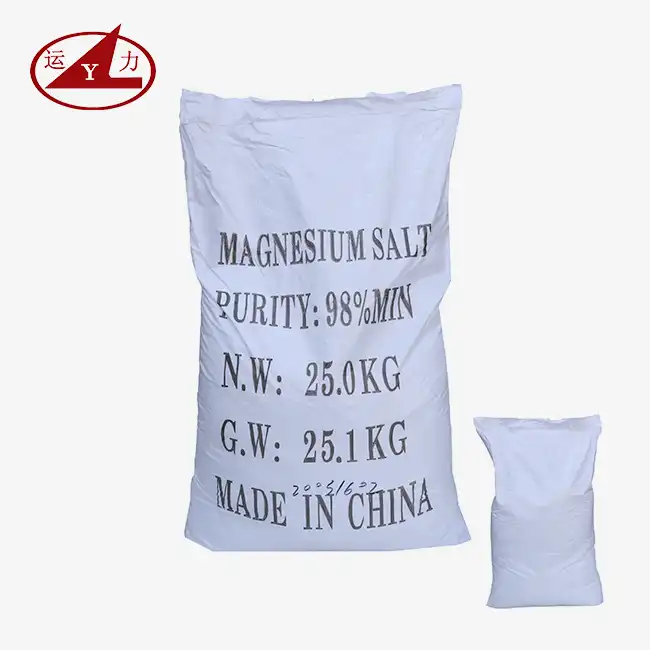
Oxidisers are classified under UN 1474 as Class 5.1, Packing Group III, which means they must follow the rules for transporting dangerous chemicals. Putting up the right signs, keeping flammables separate, and making sure drivers are certified all make shipping more complicated. Because it is hygroscopic, it needs to be packed in a way that keeps moisture out, like in double-layer polyethylene-lined bags or sealed drums for large amounts. With customisable packing choices, suppliers can match the size of the container to the tools that the customer is using to move it. This keeps workers safe and cuts down on product waste during transfers.
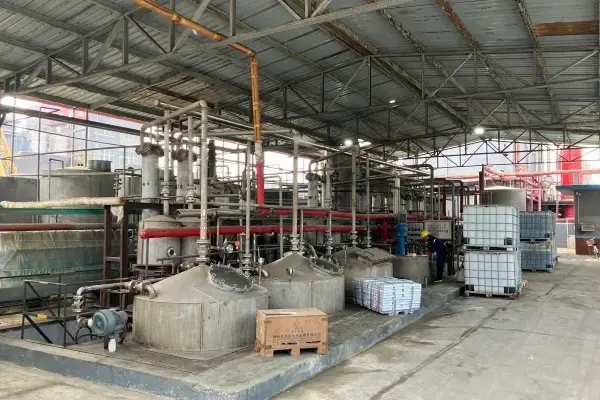
The storage system needs to be able to handle the unique properties of the area. Temperatures below 30°C and controlled relative humidity are suggested to keep caking from happening because of water absorption. To keep fires from starting, warehouses should have temperature control systems and keep organic materials separate. Yunli Chemical doesn't have any limits on the minimum order quantity (MOQ), and they offer free samples of up to 500 grams. This lets customers test the product thoroughly before committing to buying tonnes of it, which lowers the risk of buying it.
Safety, Handling, and Storage Guidelines for Magnesium Nitrate
Understanding how hazards are classified helps you take the right safety steps. This chemical is an oxidiser, which means it speeds up the burning of other substances. It does not burn itself, though. Reducing agents, organic solvents, and flammable packing materials must be kept physically away from each other. Fire warning systems and the right extinguishing agents should be in storage areas. Water spray works well, and dry chemical extinguishers are best for most situations involving nitrate oxidisers.
Personal Protective Equipment Requirements
Basic PPE for workers with solid or solution forms includes chemical-resistant gloves (nitrile or neoprene), safety glasses with side shields, and dust masks for powder transfers. If Magnesium Nitrate gets on your skin, it will irritate it slightly, and if it gets in your eyes, you need to flush them with water right away and for at least 15 minutes. Even though it's not likely to happen in the workplace, ingestion needs medical care and support. The substance doesn't have a very high acute toxicity profile, which makes emergency reaction easier than with more dangerous chemicals. However, standard procedures for handling chemicals are still necessary.
Transportation and Environmental Controls
Because they are dense (1.35–1.55 g/cm³) and corrosive, liquid solutions are harder to handle. Corrosion doesn't happen in storage tanks made of 304/316 stainless steel, HDPE, or FRP. Carbon steel, on the other hand, breaks down quickly and gets iron onto the surfaces. Transport in cold climates needs protected equipment or lower-concentration versions with anti-crystallization additives, since salts can form crystals when temperatures get close to 0°C. A yellow discolouration that happens during storage means that iron has been contaminated by unsuitable materials or by photodegradation of small amounts of organics. This means that the quality must be checked using ICP analysis.
Conclusion
After a thorough analysis, it is clear why Magnesium Nitrate is still an important chemical for farming and industry. The hexahydrate form is the best magnesium source because it dissolves easily, delivers two nutrients at once, and works well with complicated formulas. Professionals in procurement should know about both scientific details (like purity levels, impurity limits, and physical qualities) and practical issues (like seller qualifications, shipping needs, and safety procedures). It can be used to make catalysts, acids, and precision farming tools.
This shows how versatile the chemical is and why it's worth spending money on good materials from trusted makers. When buying choices are made based on stable supply, technical support, and compliance paperwork, along with competitive pricing, established producers with decades of practical experience and study recognition at the local level provide the dependability that long-term partnerships need.
FAQ
Can magnesium nitrate solution be mixed with all common fertilizers?
Is it possible to combine Magnesium Nitrate solution with any other fertiliser? Unlike magnesium sulphate, which forms gypsum when mixed with calcium nitrate, the nitrate form stays stable in calcium-containing liquids. Do not mix high amounts with phosphates (MAP or DAP) in the same tank, because magnesium phosphate will precipitate. Set up A/B tank systems so that nutrients that don't mix dissolve separately and only mix at the very end of the watering line, where they are diluted the most.
What causes product caking during storage and how can we prevent it?
What makes products clump together while they're being stored, and how can we stop it? When relative humidity goes above the critical level for this salt, it absorbs water because it is hygroscopic. Double-layer polyethylene-lined bags keep wetness out, and storage places should keep the temperature below 30°C and the humidity under control. Climate-controlled storage keeps products from clumping together in wet areas, keeping their ability to flow and dissolve.
Does the nitrogen content degrade over time?
Does the amount of nitrogen change over time? Under the right protected conditions, chemical stability stays high, giving the product a two-year shelf life without losing nitrogen. Nitrogen does not escape from the combination unless it is heated very high or comes into contact with strong reducing agents. Chemical breakdown is less important than physical moisture uptake when it comes to ageing, so good storage is the most important thing to keep things fresh.
Partner with a Trusted Magnesium Nitrate Manufacturer for Your Supply Needs
Every supplier relationship at Yunli Chemical is based on more than twenty years of specialised production knowledge. They have provided consistently high-purity materials to industry end-users and distributors all over North America. Our pharmaceutical-grade Magnesium Nitrate is ≥99.5% pure and has an iron level that you can control. It comes with full compliance paperwork, such as MSDS, COA, and environmental certifications. Factory-direct supply gets rid of markups from middlemen, and our self-run export department makes sure that foreign shipping goes smoothly.
Our provincial technology center can make recipes that are exactly what you need, whether you need solid crystals or pre-dissolved liquid solutions that can be adjusted to the strength you need. You can email our technical sales team at wangjuan202301@outlook.com to get free samples up to 500 grams, talk about bulk prices for tonnage contracts, or find out how our stable supply chain and history of on-time delivery can lower your buying risks. You can see our full line of products at yunlichemical.com and learn why makers who care about quality choose us as their long-term supplier.

References
1. Chen, W. and Liu, H. (2021). "Industrial Applications of Magnesium Nitrate Hexahydrate in Catalyst Synthesis." Journal of Chemical Engineering and Materials Science, Vol. 12, No. 4, pp. 287-301.
2. Rodriguez, M. and Thompson, K. (2020). "Comparative Analysis of Magnesium Sources in Hydroponic Tomato Production." American Society for Horticultural Science, Vol. 145, No. 6, pp. 612-619.
3. United Nations (2019). "Recommendations on the Transport of Dangerous Goods: Model Regulations, Rev. 21." United Nations Publications, New York and Geneva.
4. Williams, J. et al. (2022). "Solubility and Compatibility of Magnesium Nitrate in Multi-Component Fertilizer Solutions." Fertilizer Research International, Vol. 38, No. 2, pp. 145-158.
5. Zhang, L. and Anderson, P. (2023). "Quality Control Parameters for High-Purity Inorganic Nitrates in Pharmaceutical Manufacturing." Chemical Purity Standards Quarterly, Vol. 29, No. 1, pp. 78-92.
6. European Chemicals Agency (2021). "Safety Data Sheet Guidelines for Oxidizing Substances: Nitrate Compounds." ECHA Publication Series on Risk Management, Helsinki, Finland.