





What Is Magnesium Nitrate Used For in Industry
Magnesium Nitrate is an inorganic substance that is used in many different ways and is important in many different industries, such as gardening, making explosives, making catalysts, and treating wastewater. Its chemical structure, which is usually Magnesium Nitrate Hexahydrate (Mg(NO3)2·6H2O, CAS# 13446-18-9), makes it easy to dissolve in water and has oxidising qualities that make it useful in many scientific areas. When procurement managers and technical experts know about these industrial uses, they can make better sourcing choices that help them meet quality, compliance, and business efficiency goals.
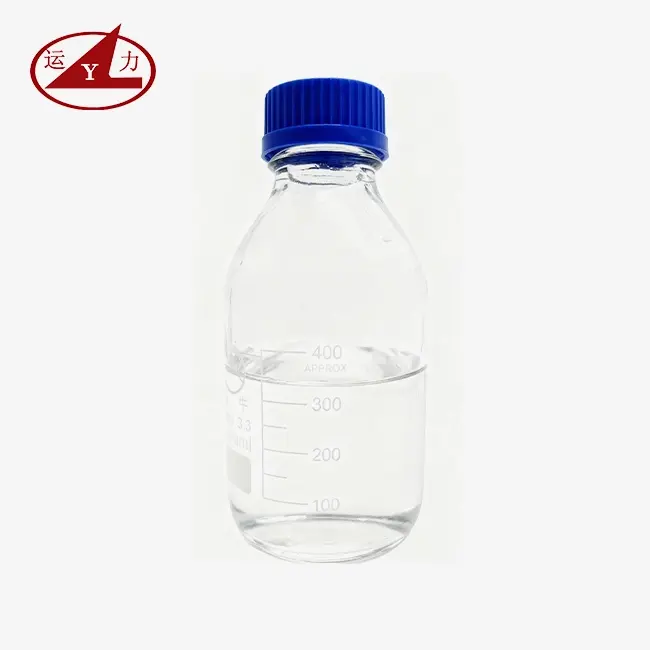
Overview of Magnesium Nitrate and Its Industrial Importance
Magnesium Nitrate is mostly found as hexahydrate, which is made up of colourless, spherical crystals with a specific density of 1.6363 and a freezing point of 89°C. This stable substance is easy to dissolve in both water and alcohol, which makes it very useful in a wide range of industrial settings. It changes into basic salts when heated above 90°C, and it breaks down into magnesium oxide when heated above 330°C. Because the substance has a high oxidising potential, it needs to be handled carefully, especially when it comes to organic chemicals that could spontaneously catch fire.
Key Chemical Characteristics
Compared to other nitrate hydrates, the hexahydrate form stays very stable at room temperature. Because it dissolves completely in water and has a molecular weight of 256.41, it can be easily added to liquid mixtures and fertigation systems. The substance usually has a pH range of 4.0 to 6.0, which means it can be used in acidic processing settings and still keep its shape in storage tanks made of stainless steel, HDPE, or fiberglass-reinforced plastic.
Core Industrial Sectors
The unique features of this chemical are used in many fields. Agriculture uses its two types of nutrients, and chemical industry uses it as a drying agent in the production of concentrated nitric acid. Explosives makers rely on its ability to oxidise, and catalyst makers use its high-purity forms to make sure consistent performance in delicate situations. For example, for catalysts, the iron level must be less than 30ppm, and for farming safety, the heavy metal limits must be less than 20ppm.
Magnesium Nitrate in Agriculture and Fertilizers
An important part of the market for this water-soluble fertiliser is agriculture, where it gives plants magnesium and nitrogen. The hexahydrate form breaks down totally, leaving no residues that could get stuck in drip or emitter watering systems. This substance is useful in greenhouses and hydroponic systems because it mixes well with calcium nitrate solutions. This is different from magnesium sulphate, which turns into solid gypsum when mixed with calcium sources.
Nutrient Delivery Advantages
For plants to make chlorophyll and enzymes work, they need magnesium. Plants also need nitrogen for vegetative growth and protein production. This combination gives plants both elements in forms that they can easily use. For example, plants can quickly use the nitrate nitrogen. This material works well in fertigation plans for high-value speciality crops like peppers, tomatoes, and leafy greens. Its lower salt index than chloride-based fertilisers lowers osmotic stress on root systems, which makes it easier for plants to absorb nutrients when sprayed on the leaves.
Comparative Analysis with Alternative Fertilizers
Compared to potassium nitrate, this magnesium-based choice treats specific deficiency signs that can be seen on later leaves as interveinal chlorosis. Calcium nitrate can't take its place because magnesium and calcium have different biochemical roles, but they work better together when supplied through separate tank systems.
Magnesium Nitrate offers a direct source of both magnesium and nitrogen, whereas magnesium sulphate gives magnesium but not nitrogen. This makes managing the ratios of nutrients more difficult in precision agriculture systems. The choice is based on the results of a soil test, the needs of the crop, and how well the watering system works with the land.
Environmental and Safety Protocols
To use it responsibly in agriculture, you need to know that it is a Class 5.1 oxidiser according to UN 1474 rules. Fire risks can be avoided by storing things properly, away from things that can catch fire and chemical compounds. As part of environmental care, rates of application must be watched to make sure that nitrate doesn't get into groundwater, especially in sandy soils with low cation exchange capacity. Compliance paperwork, like MSDS sheets and COA certificates, makes sure that rules are followed and supports long-term farming methods that balance environmental responsibility with production.
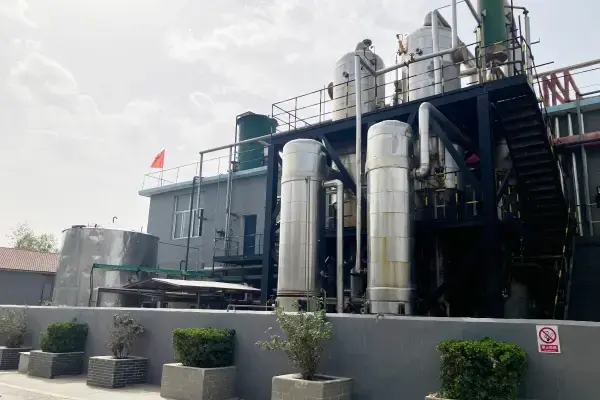
Industrial Applications Beyond Agriculture
This molecule is an important raw material for chemical synthesis and industrial processes that are not related to farming. Because it oxidises and breaks down at high temperatures, it is useful in controlled burning uses. Its magnesium content helps make specialised materials.
Explosives and Pyrotechnics Manufacturing
The chemical is used to release oxygen in explosive mixtures where controlled energy release is important. Manufacturers who work with this stuff follow strict safety rules, like storing it separately, using spark-proof tools, and teaching workers how to handle oxidisers. Specifications for explosives-grade material stress that the solid structure must be consistent and there must be no biological contaminants that could cause reactions to start too soon. Even though strict safety steps are needed for this application, it shows that the compound works reliably in tightly controlled circumstances.
Catalyst Production and Metallurgy
High-purity types with less than 10ppm of iron are used to make magnesium oxide catalysts, which are used in petroleum processes for things like making methanol and hydrogenation reactions. The thermal breakdown route lets producers make reactive magnesium oxide with controlled surface area and particle size distribution. In metallurgical uses, the substance helps treat the surfaces of metals and is a part of making specialised alloys, where controlling minor impurities is important for the quality of the finished product.
Wastewater Treatment Solutions
This chemical is used in municipal and industry wastewater treatment plants as a neutraliser and a source of nutrients for biological treatment systems. Its ability to provide magnesium ions helps microorganisms do their job in activated sludge processes, and the products of its breakdown help keep the pH stable. Operators of treatment plants like that it can do two things, but they have to keep in mind the oxidiser group when they store and handle chemicals.
Procurement Guide for Magnesium Nitrate in Industry
Quality assurance, supply chain dependability, and cost management all need to be balanced in order for procurement methods to work. Purchasing managers can build relationships that support long-term business stability by learning about suppliers' skills and product requirements.
Supplier Evaluation and Quality Standards
Magnesium Nitrate manufacturers that have been around for a while keep their ISO 9001 certification, which shows that they follow the rules for quality management systems, and their ISO 14001 certification shows that they care about the environment. Products that meet standards for medicinal or study use have purity levels at or above 99.5% and are thoroughly analysed for impurities, including heavy metals testing using ICP-MS equipment.
Technical data sheets should list the amount of iron, water-insoluble substances, pH ranges, and COA paperwork that is unique to each batch. Suppliers who let you change the purity grades, concentration, and packing requirements give you choices for a wide range of uses, and for Magnesium Nitrate specifically, these flexible options are particularly valuable because its hygroscopic nature demands tailored packaging and handling protocols across different climatic conditions.
Market Dynamics and Purchasing Variables
The price changes depending on the cost of the raw materials, especially nitric acid and magnesium hydroxide, as well as the amount of energy used for crystallisation and cooling. When making quantity contracts, bulk buyers usually get better terms than spot buyers. Different suppliers have different minimum order amounts. Some allow small study quantities, while others only ship full containers. Transportation rules for Class 5.1 oxidisers affect the cost and time of shipping, and they need to be properly labelled and kept separate from other types of goods.
Building Reliable Supply Partnerships
Buying things is less risky when you have long-term ties with manufacturers who give technical help. Free sample programs from suppliers let customers check the quality of a product before committing to buy a lot of it, and clear price and open payment terms help build trust. Checking a supplier's ability to produce, keep track of goods, and handle logistics makes sure they can handle changes in demand without having to stop supplies. Manufacturers who are designated as regional technology centers or who spend a lot of money on research and development (R&D) show that they can come up with new products and solve quality problems.
Safety, Handling, and Storage Best Practices
Managing materials correctly ensures the safety of workers and the quality of products all along the supply chain. By understanding danger classifications and putting in place the right controls, accidents can be avoided and material standards can be kept.
Hazard Classification and Risk Management
Magnesium Nitrate is a chemical that works as an oxidiser to help other things burn faster, but it doesn't burn itself. Toxicology profiles show a low acute risk when handled normally, but it should not be eaten or touched for long periods of time. One common mistake is overestimating the risk of an explosion. The material needs to be mixed with fuel sources and burning energy in order to be dangerous. Separation from unsuitable materials, like organic chemicals, reducing agents, and finely split metals, should be the main focus of risk assessments.
Storage Optimization
Controlling the temperature below 30°C stops deliquescence and keeps the crystals' shape. Because they are hygroscopic, they need packing that can keep water out. For solids, this means double-layer PE-lined bags, and for liquids, it means sealed containers. Climate control should be available in storage sites, especially in humid places where the critical relative humidity level can lead to caking. Using first-in, first-out rules to rotate inventory keeps things fresh, and under the right protected conditions, they can last for two years. Because the material is stable, its nitrogen level doesn't change, but it does absorb water, which changes how it can be handled.
Regulatory Compliance and Transportation
In order to send goods internationally, they must be labelled as Packing Group III oxidisers according to UN 1474. Shipments come with the right paperwork, like statements of hazardous products and information on how to respond to an emergency. Environmental rules say how wastewater from factories can be released. Advanced cleaning systems handle nitrate-containing waste water by using biological denitrification or ion exchange methods. When companies buy things for European markets, they should make sure that the suppliers follow REACH rules. When companies buy things for local markets, it's best if the sellers have the right safety and environmental permits.
Conclusion
Due to its special mix of solubility, oxidising properties, and dual nutrient content, Magnesium Nitrate is used in a wide variety of commercial applications. The success of procurement relies on matching product specs to application needs, carefully checking the qualifications of suppliers, and following the right safety rules. Purchasing managers who care about quality put a high priority on providers who can offer consistent purity, full documentation, and expert help. As more strict environmental rules and higher performance standards are put in place, it becomes more important for businesses to work with well-known manufacturers who can provide certified goods and reliable service.
FAQ
Magnesium Nitrate is most commonly used in which industries?
Agriculture is the biggest consumer market, especially greenhouse and hydroponic businesses that need fertilisers that dissolve in water. The compound is used in chemical making as a drying agent in processes that concentrate nitric acid. makers of explosives use magnesium oxide as an oxidising agent, while makers of catalysts depend on high-purity grades for making magnesium oxide. It is used in wastewater treatment plants to balance the pH and add nutrients to living processes.
What is its difference from magnesium sulphate when used for fertigation?
Magnesium sulphate makes calcium sulphate precipitates that are not soluble and clog irrigation lines, but Magnesium Nitrate mixes easily. Along with magnesium, the nitrate form provides nitrogen that is available right away, which helps plants make chlorophyll and grow leaves. Differences in the salt index make this substance better for sensitive plants, but magnesium sulphate can be used to add sulphur to plants that need it.
What qualities are most important when buying in bulk?
For industrial buyers, the most important things are purity levels above 99%, water insolubles below 0.05%, and heavy metal levels that meet the needs of the application. For example, for farming use, lead levels should be below 20ppm, and for catalysts, iron levels should be below 30ppm. Complete solubility paperwork, batch uniformity checked with COA certificates, and pH stability within certain ranges all make sure that the material works reliably across production runs. Regulatory standards are met by certifications such as ISO compliance and documents for the classification of hazardous materials.
Partner with Yunli Chemical for Premium Magnesium Nitrate Supply
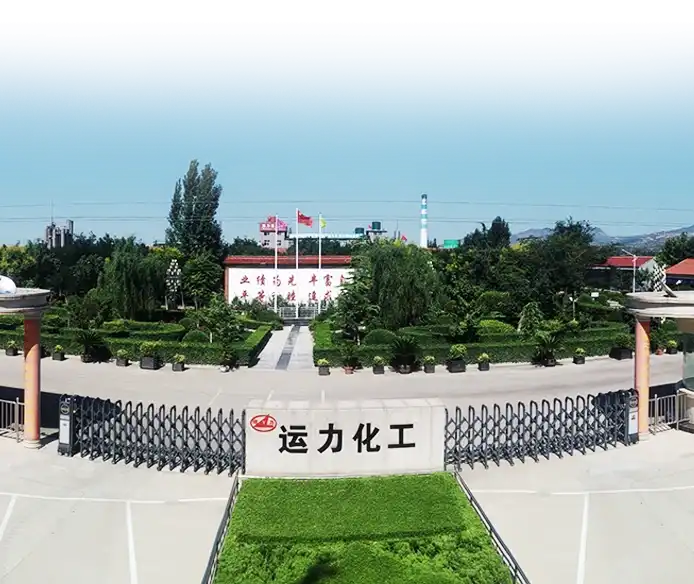
Yunli Chemical has been making Magnesium Nitrate for over twenty years and serves industry and agricultural markets that need a reliable source. Our ISO 9001, ISO 14001, and OHSAS-certified factories in Shanxi Province make materials that meet the highest quality standards. The materials are 99.5% pure, and the iron content can be set to 10ppm or less. We are a recognised Provincial Enterprise Technology Center that combines advanced analysis tools, such as ICP-MS and atomic absorption spectrometry, with adaptable production systems that can meet both normal and high-purity 4N-grade needs.
We remove obstacles to buying by offering factory-direct prices, not requiring a minimum order size, and giving away free samples of up to 500 grams. Our self-run export operations make sure that communication is clear and that foreign procedures are reliable. We can also customise the packaging, labels, and solution concentrations to meet the needs of each application. Our expert team helps with formulations and quality control paperwork, like MSDS and batch-specific COA certificates, whether you're looking for catalysts for manufacturing, precision agriculture, or specialised chemical synthesis.
Get in touch with our purchasing agents at wangjuan202301@outlook.com to talk about your needs with a reliable Magnesium Nitrate maker that is dedicated to supply stability and technical excellence. You can look through our full line of nitrate products at yunlichemical.com.

References
1. Smith, J.D., & Thompson, R.L. (2021). Industrial Nitrates: Production, Applications, and Safety Management. Chemical Engineering Press.
2. Agricultural Nutrients Research Institute. (2020). Comparative Analysis of Water-Soluble Fertilizers in Precision Horticulture. ANRI Technical Publication Series, Volume 14.
3. National Fire Protection Association. (2022). Hazardous Materials Classification and Storage Guidelines for Oxidizing Agents. NFPA Standards Handbook, 8th Edition.
4. Chen, W., Martinez, P., & Kobayashi, H. (2019). Catalyst Precursor Chemistry: Transition Metal and Alkaline Earth Nitrates. Journal of Industrial Catalysis, 45(3), 234-267.
5. Environmental Protection Standards Committee. (2023). Water Treatment Chemical Specifications and Best Management Practices. EPA Technical Guidance Document 820-B-23-004.
6. International Chemical Safety Organization. (2020). Transport and Handling Protocols for Class 5.1 Oxidizing Substances. ICSO Safety Manual, 12th Revision.







