


Why Calcium Nitrite Powder Is Important for Construction
Calcium Nitrite Powder plays a pivotal role in modern construction by addressing one of the industry's most costly challenges: the corrosion of steel reinforcement in concrete structures. This specialized chemical admixture, with the molecular formula Ca(NO₂)₂, forms a protective passivation layer on embedded steel, dramatically extending infrastructure service life in environments exposed to chloride salts, marine conditions, and de-icing chemicals. Beyond corrosion inhibition, it accelerates concrete curing in cold climates and enhances structural durability, making it essential for highways, bridges, parking garages, and coastal developments where long-term reliability directly impacts safety and maintenance costs.
Understanding Calcium Nitrite Powder and Its Role in Construction
Chemical Composition and Corrosion Prevention Mechanism
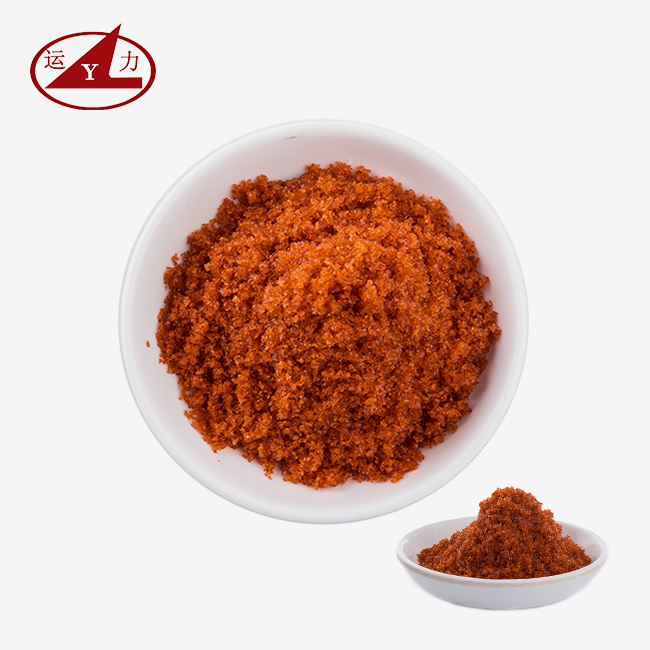
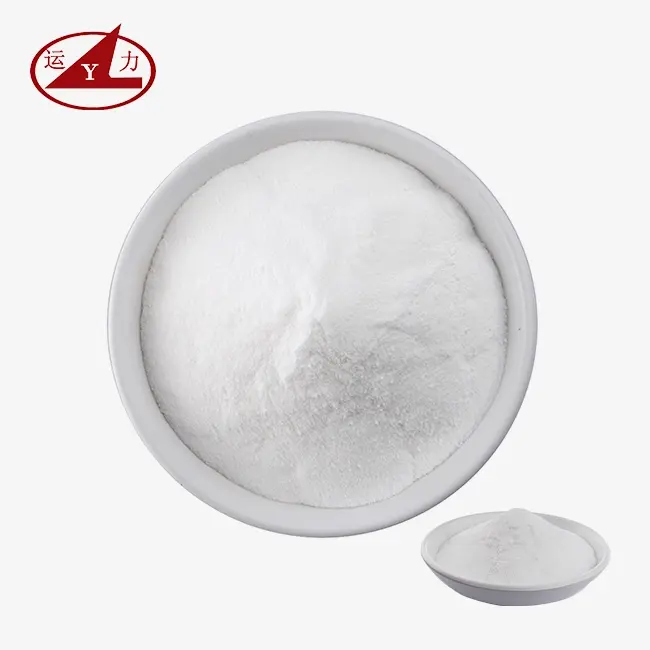
Calcium Nitrite Powder (CAS 13780-06-8) is a colourless to pale yellow powder that blends easily with water and melts at 100°C. Calcium-based formulations keep the chemistry of concrete in balance, while sodium nitrite adds unwanted sodium ions that can make alkali-silica reactions worse. The compound's molecular weight is 132 and its relative density is between 2.23 and 2.53 g/cm³.
This makes sure that it is evenly spread in concrete mixtures. Nitrite ions (NO₂⁻) move to steel surfaces when mixed with water and turn ferrous ions (Fe²⁺) into a thick gamma-Fe₂O₂ passive film. According to ASTM C1582 testing guidelines, this protected layer is three to five times more resistant to chloride than naturally occurring oxide films. This means that the amount of chloride needed to start rusting has gone up from about 0.02% by cement weight to 0.10% to 0.15% by cement weight.
Recommended Dosage and Industry Standards
Dosage rates are usually between 2% and 4% by weight of the cementitious material, but they depend on how much chloride is expected to be present. With 10-15 litres per cubic meter of concrete, structures in moderate environments, like parking decks that get salts to melt snow and ice every winter, work well. Higher concentrations, sometimes up to 20–30 L/m³, are needed in marine splash zones or industrial sites that work with strong chemicals.
These suggestions are in line with the ASTM C494 Type C (accelerating) and Type CI (inhibiting corrosion) categories. The slightly alkaline pH of 8.0–11.0 of the substance in solution works with current superplasticizers and air-entraining agents while still supporting concrete's natural pH buffer.
Environmental Impact and Safety Protocols
Calcium Nitrite Powder is better for the climate than chloride-accelerated admixtures, which make reinforcement rust worse. To keep the powder from deliquescence, it should be kept in cool, dry, well-ventilated warehouses at temperatures below 30°C. Controlling moisture is still very important—high-quality industrial goods keep their moisture level below 2% to make sure they can flow freely.
Even though the compound is less dangerous than many other corrosion inhibitors, workers should wear protective gloves and eyewear when handling it. Compliance documents, such as MSDS, COA, and environmental licenses, make it easier for regulators to approve projects that must be closely watched over by the environment.
Comparing Calcium Nitrite Powder with Alternative Corrosion Inhibitors
Performance Differences Between Common Inhibitors
There are a number of corrosion-inhibiting agents on the market, and each one works in a different way. Calcium Nitrite Powder is different from sodium nitrite because it works better with cement chemistry. Sodium-based products add unwanted alkali content that can cause expansive reactions in aggregates that contain reactive silica. Even though calcium nitrate has the same cation, it doesn't have the anodic inhibition mechanism. Nitrate ions (NO₀⁻) can't make protective oxide films on steel surfaces. Instead, they work as weak setting speed boosters that don't offer much corrosion protection.
Organic corrosion inhibitors, such as amine-based mixtures, provide some protection at lower starting prices, but their long-term performance in high-chloride environments is not always reliable. Migrating corrosion inhibitors (MCI) go through old concrete to get to steel that is buried in it, which works well for rehabilitation uses. However, Calcium Nitrite Powder's immediate protection is most helpful for new construction projects during the most vulnerable curing period, when concrete is still very porous.
Cost-Benefit Analysis for Procurement Managers
Calcium Nitrite Powder-enhanced concrete usually costs 5 to 12 percent more to make at first than untreated mixes. This initial investment saves a lot of money over the course of the structure's lifetime: buildings protected with properly dosed inhibitors have service lives of 50–75 years before they need major repairs, compared to 15–20 years for unprotected reinforcement in severe exposure classes.
When procurement experts look at the total cost of ownership, they know that delaying the start of corrosion-induced cracking, spalling, and delamination cuts down on expensive emergency repairs, traffic jams, and early reconstruction. When lifecycle-cost models are used to finance a project, the specs for blocked concrete are always preferred, even though they cost more to buy.
Selecting and Procuring Calcium Nitrite Powder for Your Projects
Evaluating Supplier Credentials and Product Quality
Checking the certifications and manufacturing standards of the supplier is the first step in writing a good specification. Leading manufacturers keep their ISO 9001 quality management systems, ISO 14001 environmental certifications, and OHSAS safety rules up to date. Asking for Certificates of Analysis (COA) for every production batch proves important factors like impurity limits, moisture levels, and purity levels (≥94% active content for top grades). Iron levels below 30 ppm, sodium levels below 50 ppm, and heavy metals (lead, cadmium) below 10 ppm are needed to make sure the concrete is compatible with sensitive concrete additive systems and to keep building finishes from turning colours.

Well-known companies in the field, such as Sika, BASF, and Fosroc, offer well-known product lines with a lot of data on how they work in the field. Regional companies that offer options that are affordable should show that they can control quality in the same way by showing proof from a third-party lab and examples from finished projects. The availability of technical support is also very important. Suppliers who give on-site advice, mix creation help, and troubleshooting services add a lot of value above and beyond the price of the commodity.
Procurement Strategies and Logistics Considerations
When you buy in bulk across multiple project stages, you get better prices and make sure you always have a supply. Distributors who work with the construction industry in the U.S. usually keep 25 kg bags for smaller jobs and bulk containers and totes for ready-mix operations on hand. When buying things from other countries, you have to make sure that the shipping times work with the project plans and allow for 4–8 week lead times from the makers. It's easier to ship Calcium Nitrite Powder than liquids because they are lighter, which lowers freight costs, and they don't freeze, which makes winter transportation and storage on the job site easier.
When negotiating payment terms, they should be in line with what's normal in the business. For example, established sellers should offer net-30 to net-60 terms to qualified accounts. Requesting price protection against changes in the prices of raw materials is reasonable when there are volume agreements across annual concrete projects. Many companies allow distributors to use their own labels to build a regional brand footprint, as long as the minimum order numbers are in line with the economics of the production run.
Best Practices for Storage, Handling, and Shelf Life Management
Warehouse Conditions and Inventory Control
To keep a product's effectiveness, there must be strict environmental controls all along the supply chain. For optimal storage conditions, temperatures should be between 15°C and 25°C, and the relative humidity should be less than 60% to stop wetness from absorbing and causing caking. Calcium Nitrite Powder requires particular attention to moisture control because its hygroscopic nature can accelerate caking if humidity exceeds the recommended threshold.
The original wrapping, which is usually a moisture barrier lined bag or a sealed container, should be kept whole until it is time to use it. When containers are opened, resealing them right away reduces their exposure to air. If a building doesn't have climate control, pallets must be raised on dunnage to stop ground moisture from moving and stock must be kept away from exterior walls that can change temperatures.
Using first-in, first-out (FIFO) inventory rotation makes sure that older stock is moved before it goes bad. When kept properly, high-purity Calcium Nitrite Powder can last for more than 24 months, but it's important to check the content every so often to make sure it stays active. By dating each box as soon as it arrives and doing checks every three months, possible storage problems are found before they affect field performance.
Mixing Procedures and Quality Assurance
For uniform distribution across batches of concrete, the additions must be made in the right order. Calcium Nitrite Powder dissolves easily in mixing water, which makes pre-solution the best way. Operators add the right amount of water to the gauge before mixing the dry ingredients. In other methods, the powder is added directly to the aggregates in the mixer drum before the water is added. This lets the tumbling action spread the particles out evenly. Avoiding concentrated "hot spots" stops localised acceleration effects that could make it harder to predict the starting time.
In order to make sure that performance issues in the field can be easily tracked, ready-mix operations should set up batch ticket processes that record the rates at which inhibitors are added. Testing for slump retention and air content on a regular basis shows that the admixture is compatible with the other parts of the concrete. For projects that need Calcium Nitrite Powder protection, test batches done before building can show that the goal strength development and workability windows match what the designers thought would happen.
Real-World Applications and Case Studies in Construction
Infrastructure Projects Demonstrating Long-Term Performance
The most difficult place for corrosion-inhibiting additives to be used is on highway bridge decks, which are exposed to high levels of salt from de-icing in the winter and cracks caused by traffic that let contaminants in more quickly. Since the 1980s, state transportation departments in the northeastern and central United States have required Calcium Nitrite Powder protection for bridge deck coatings.
Structures that have been in use for more than 40 years show little reinforcement degradation. Core sampling programs that compare sections that are inhibited and sections that are not inhibited show big differences. Protected areas keep the steel in passive condition even when chloride levels are higher than normal corrosion thresholds, while nearby untreated areas show active corrosion and concrete delamination that needs expensive repair.
Coastal towns with multi-level parking lots are at risk from both sea aerosol deposition and road salts tracked by vehicles. Calcium Nitrite Powder-enhanced concrete was used for all hanging slabs and beams in recent projects in Florida and California. The goal was for the structures to last 75 years without needing major repairs. After five to ten years, condition polls show that these structures have outperformed standard requirements.
Electrochemical testing shows that the passive films on the support are still intact, even though chloride has been able to get in. The fact that facility owners say their upkeep budgets are much lower than expected based on how normal concrete works supports the idea that corrosion prevention saves money over the course of a building's life—and the use of Calcium Nitrite Powder as an anodic corrosion inhibitor is a key reason why such prevention is both effective and cost-efficient in chloride-rich environments.
Testimonials from Engineering and Procurement Professionals
When structural engineers specify Calcium Nitrite Powder, they always say that they do so to lower their risk of liability. If concrete breaks down too quickly, building owners could be sued when they have to pay a lot of money for repairs or worry about safety. Specificating tried-and-true safety measures shows professional care and is in line with new design standards that put an emphasis on service life performance.
When procurement managers switch to inhibited concrete, they say that cost-focused stakeholders' initial resistance goes away once lifecycle analyses show net present value advantages. This is especially true for high-profile institutional and infrastructure projects where reputational factors make the cost of failing early even higher.
Through accelerated ageing methods, material testing labs that work with the building industry can see changes in how resistant materials are to corrosion. When Calcium Nitrite Powder is used to protect concrete prisms with steel embedded in them and doped with chloride solutions, corrosion starts later. In Southern Exposure testing, the protection lasted over 1,000 hours, compared to 100 to 200 hours for controls. These lab results strongly match performance data from the field, which gives specifiers more confidence when they're looking at inhibitor technologies for important uses.
Conclusion
For building projects needing long-term toughness in corrosive settings, Calcium Nitrite Powder offers strong technical and financial value. Its proven way of creating better passive films on steel support, along with its speeding up qualities that are good for cold-weather concreting, makes it a versatile admixture that solves many problems at once. Instead of just looking at price, procurement professionals should judge suppliers based on their quality certifications, technical support, and ability to deliver goods on time.
Field performance is best when it is stored, handled, and mixed correctly. Growing databases of field performance show that service life extensions justify initial cost premiums. Because it is better for the environment than chloride-based alternatives and works with current concrete technologies, the compound is a key ingredient for building structures that will last for many generations.

FAQ
How does calcium nitrite powder affect concrete air content?
Calcium Nitrite Powder has a neutral to slightly lowering effect on entrained air, so the amounts of air-entraining additives usually don't need to be changed much. For freeze-thaw resistance, concrete mix designs that aim for a 6% ± 1.5% air content should go through trial batching when nitrite-based inhibitors are added. Because the way nitrite ions and air-entraining detergents interact with each other depends on the composition, it is important to test for compatibility before starting full-scale production.
Can calcium nitrite be used with polycarboxylate superplasticizers?
Modern polycarboxylate ether (PCE) superplasticizers work well with Calcium Nitrite Powder mixes, but the nitrite may make it harder to keep the shape after it has sagged a bit. To keep target workability windows, mix designs should change the PCE dosage up by 5–10% to account for this interaction. By checking the rheology of the mix during qualification, placing teams are sure to have enough time for finishing and consolidating the work.
What is the recommended dosage for marine exposure projects?
Calcium Nitrite Powder doses at the upper end of the specification range are needed for structures that are in marine splash zones or are constantly exposed to seawater spray. Usually, 20 to 30 litres of Calcium Nitrite Powder are added per cubic metre of concrete, which is 3 to 4 percent by weight of the cementitious material. These high amounts cause long-term chloride loads that can reach 5–10 kg/m² per year, which is higher than lower inhibitor concentrations over time. Long-term performance is improved by using nitrite protection along with extra cementitious materials (slag cement, fly ash), and more concrete cover.
Partner with Yunli Chemical for Premium Calcium Nitrite Powder Supply
Yunli Chemical has been making high-quality building chemicals for over 20 years and makes high-purity Calcium Nitrite Powder that is perfect for tough infrastructure projects. Our facilities in Shanxi Province are ISO 9001, ISO 14001, and OHSAS-certified and have strict controls on impurities. The iron content of the goods they give is below 30 ppm, and the heavy metal content is below 10 ppm. As a direct manufacturer who can also handle its own exports, we cut out middlemen and their markups, and we make sure that the quality is the same for both large orders and regular shipments.
Our provincial-level technology center makes it possible to make custom formulas that meet the needs of each project. These can include pH range adjustments and pre-dissolved liquid solutions that make handling on the job site easier. Our no-minimum order quantity policy, free samples up to 500 grams, and range of adjustable packing options, from 25 kg bags to bulk containers, make us a good choice for procurement managers and wholesalers looking for a reliable Calcium Nitrite Powder provider.
You can email our expert team at wangjuan202301@outlook.com to talk about your needs for corrosion inhibition, to ask for Certificates of Analysis, or to set up sample shipments. We promise a stable supply and low prices. You can look through our full product catalogue at yunlichemical.com and learn how our engineering-based knowledge can help you reach your goals for building durability.
References
1. American Society for Testing and Materials. "Standard Test Method for Determining the Chloride Threshold of Reinforcing Steel in Concrete Using the Ponding Test." ASTM C1582-18. 2018.
2. Berke, N.S., and Hicks, M.C. "Predicting Long-Term Durability of Steel Reinforced Concrete with Calcium Nitrite Corrosion Inhibitor." Corrosion Journal, Vol. 60(9), 2004, pp. 856-867.
3. Nmai, C.K., and Tomita, R. "The Use of Calcium Nitrite as a Corrosion-Inhibiting Admixture in Reinforced Concrete." American Concrete Institute Special Publication SP-145, 1994, pp. 445-462.
4. Federal Highway Administration. "Corrosion Costs and Preventive Strategies in the United States: Supplement to Materials Performance." FHWA-RD-01-157. U.S. Department of Transportation, 2002.
5. Concrete Reinforcing Steel Institute. "Manual of Standard Practice: Detailing for Durability Using Corrosion-Inhibiting Admixtures." CRSI Technical Note ETN-C-1-20, 2020.
6. Trejo, D., and Pillai, R.G. "Accelerated Chloride Threshold Testing: Part II—Corrosion-Inhibiting Admixtures." ACI Materials Journal, Vol. 101(1), 2004, pp. 57-64.