


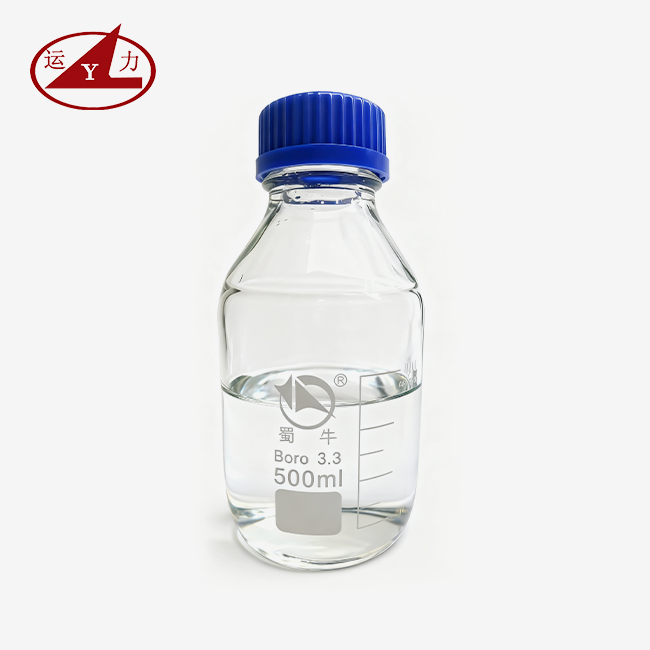
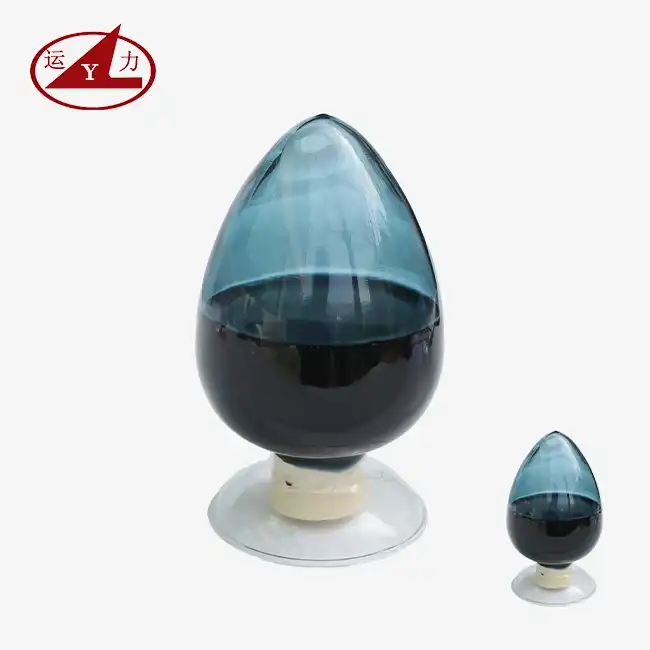
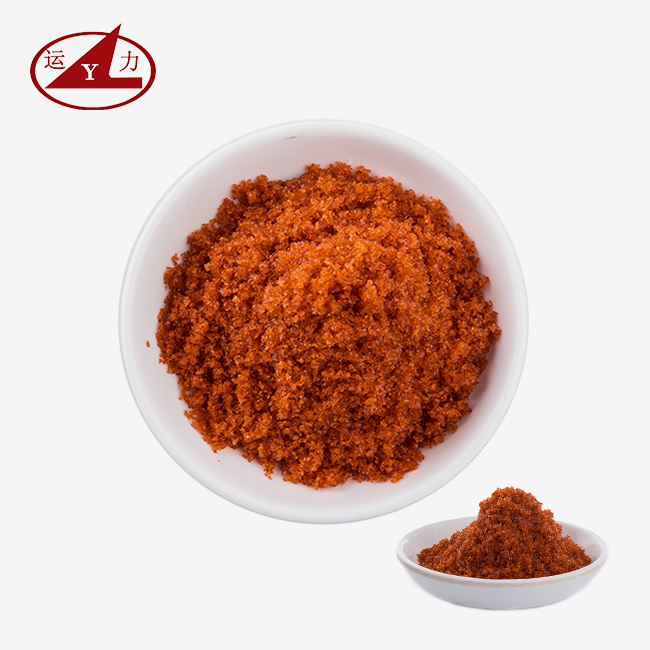
Chromium Acetate 50% Solution Manufacturing Process Overview
The manufacturing of Chromium Acetate 50% Solution involves a precise chemical synthesis process where chromium sources react with acetic acid under controlled conditions to produce a stable, high-purity aqueous solution. This process requires stringent temperature control, pH monitoring, and multi-stage purification to achieve consistent Cr³⁺ content, ultra-low impurities, and optimal stability for industrial applications across electroplating, textile processing, and catalyst synthesis.
Understanding Chromium Acetate 50% Solution
Chemical Identity and Properties
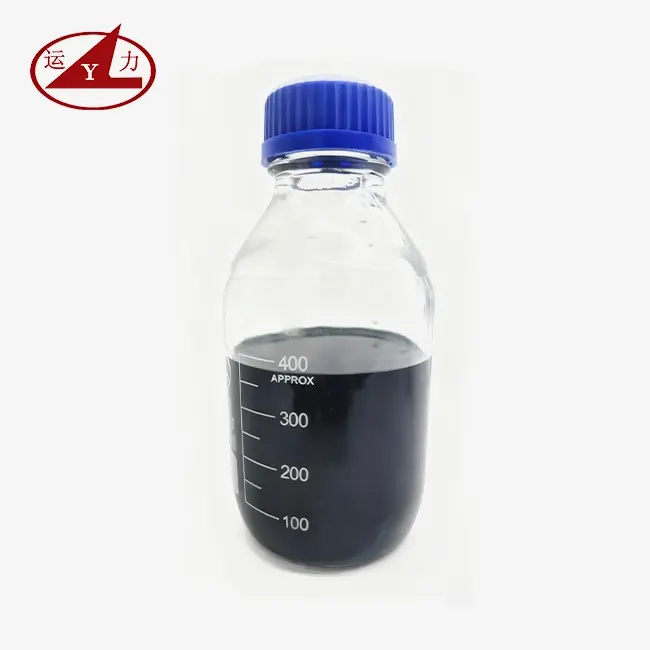
Chromium Acetate 50% Solution is an important part of the speciality chemistry industry. The molecular formula for this compound is Cr(CH₃COO)₃, and its molecular weight is 229.13. When you look at the solution, you'll notice that it has a unique grayish-green or bluish-green colour and a sticky liquid texture. It has a density of about 1.25 to 1.35 g/cm³, which means it can be easily pumped through normal chemical handling equipment. The pH level is between 3.5 and 4.5, which stops hydrolysis before it happens and keeps the material reactive during use. Complete water miscibility means that dilution can happen on-site without worrying about phase separation, which is useful for tasks that need to reach specific amounts.
Industrial Applications and Functional Benefits
Because of its unique coordination chemistry, chromium acetate is used in many industries around the world. It is used as a mordant in the textile and leather industries to make stable bonds between dye molecules and natural or synthetic fibres. This makes colour depth and colour fastness much better, especially on wool, silk, and leather. This solution has been adopted by the electroplating industry as a better option to hexavalent chromium compounds. It meets REACH requirements while keeping the quality of the coating on machinery and car parts. Catalyst makers like chromium acetate because it can be used to make high-surface-area chromium oxide catalysts that are used in organic synthesis and breaking petrochemicals. It is also used as a processing agent in the photography and film industries, which benefit from its stable and controlled reactivity.
Safety Profile and Environmental Considerations
Chromium(III) acetate is much less toxic than chromium(VI) compounds, which is an important difference for procurement managers to know when they are looking at different suppliers. Material Safety Data Sheets say that standard chemical safety procedures, like wearing protective gloves and eyewear, and making sure there is enough air flow, are needed for proper handling. Environmental management tries to keep concentrates from getting into rivers. However, trivalent chromium is much less harmful to the environment than hexavalent forms. Manufacturers who care about the environment use closed-loop wastewater systems and Cr⁶⁺ reduction technologies during production to make sure that the trash they release meets international environmental standards.
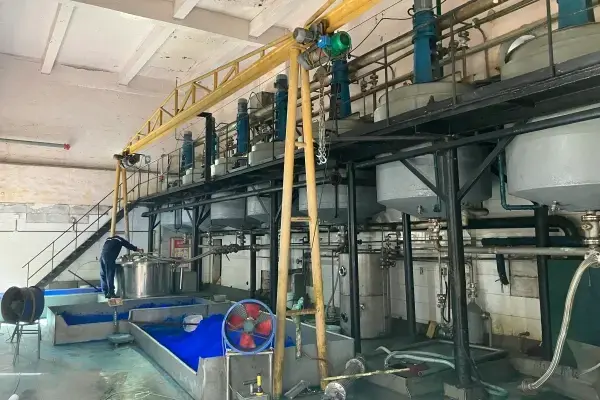
Detailed Manufacturing Process of Chromium Acetate 50% Solution
Raw Material Selection and Preparation
Finding high-quality raw materials is the first step in making good products. The main source of chromium for producers of Chromium Acetate 50% Solution is high-purity chromium oxide or chromium hydroxide. They make sure that the heavy metal content stays below accepted levels, which are usually less than 5 ppm for total lead, cadmium, and arsenic. Chloride and sulphate impurities are checked for in glacial acetic acid or concentrated acetic acid solutions because they can affect how well the finished product works in sensitive situations like medicine synthesis or high-end catalysis. The water used in production has to be deionised or distilled so that it doesn't add any unwanted ions that could ruin the purity.
Reaction Synthesis and Process Control
The synthesis reaction takes place in jacketed reactors that have precise systems for controlling the temperature. When carefully measured amounts of chromium oxide and acetic acid react, heat is produced that needs to be actively cooled to keep the reaction temperatures between 60°C and 80°C. Depending on the batch size and the level of conversion efficiency wanted, the reaction usually lasts between 4 and 8 hours. During this phase, technicians keep an eye on the pH and make small changes as needed to make sure the solution stays in the 3.5 to 4.5 range. Mechanical motion helps mix things evenly, which stops concentration differences in certain areas that could cause unwanted byproducts or partial conversion.
Purification and Quality Assurance
When the reaction is done, the crude solution goes through several stages of filtering to get rid of any solids or particles that are still not dissolved. Filtration systems with membranes can pick up particles as small as 0.1 microns, which is very important for situations where substances need to be injected into porous materials or coated very thinly.
At this point, ICP-MS (Inductively Coupled Plasma Mass Spectrometry) and atomic absorption spectroscopy are used in the lab to check the correctness of the chromium content and measure the amounts of impurities. A lot of attention is paid to the iron content because levels above 30 ppm can cause unpleasant reactions to happen when the product is stored or used. Ion chromatography is used to check the levels of chloride and sulphate to make sure they stay below the specified limits of 50 ppm and similar levels for sulphate.
Stabilization and Packaging
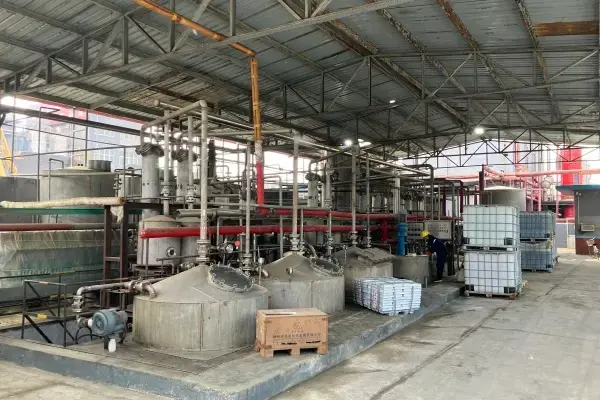
Stabilising agents are added to the cleaned solution to make it last longer than 12 months and stop it from precipitating during transport and storage. These special mixtures change the viscosity and stop the formation of chromium hydroxide that could happen when the temperature changes. Final pH adjustment makes sure that all production batches are the same, which is necessary for customers who use automated dosing systems. Small businesses can use 25-liter drums for packaging, while large businesses can use IBC totes and bulk truck shipping. All containers have the right UN hazard classification labels and come with batch-specific Certificates of Analysis that show the exact amount of chromium, pH, density, and impurity profile.
Choosing Chromium Acetate 50% Solution: Quality and Supplier Considerations
Critical Quality Parameters
When making decisions about purchases, you should focus on four basic factors. Chromium Acetate 50% Solution levels must be at least 50%, which is usually written as 11.0–11.5% Cr₂O₃, and this must be proven by approved testing methods. Small differences in consistency are important because they can affect further processing; batch-to-batch change shouldn't be more than ±2%.
The type of impurities has a direct effect on how well the product works. Iron, chlorides, and sulphates are the most important pollutants. Heavy metals like arsenic, cadmium, and lead must stay below 5 parts per million (ppm) for use in medicine and electronics. Stable pH levels show good manufacturing; solutions that move out of the 3.5–4.5 range during storage indicate poor stabilisation chemistry.
Supplier Certification and Reliability Indicators
Suppliers of chromium acetate that you can trust have ISO 9001 certification, which shows that they handle quality in an organised way, and ISO 14001 certification, which shows that they care about the environment. Documentation showing compliance with REACH and RoHS is now required for companies that sell to European or technology markets. In addition to certifications, you should look into the supplier's production capacity and financial security. Suppliers with yearly sales of more than $100 million and large fixed assets are less likely to have sudden supply problems. It is very important for producers to have technical support. Companies that run provincial-level research centers or advanced analytical labs can make unique formulas and solve application problems.
Comparative Analysis with Alternative Chromium Salts
When chromium acetate is compared to chromium chloride, the acetate form is better at buffering and delaying cross-linking reactions in polymer uses, which makes process control easier. Different types of chromium chloride react more strongly and put stainless steel equipment at a higher risk of rusting. When making a catalyst, acetate is better than chromium nitrate precursors because it is more stable at high temperatures and has more surface area. Even though chromium sulphate is cheap, it adds sulphate ions that aren't needed and mess up dye chemistry and electroplating baths. Knowing these differences helps match the chemical choice to the needs of the process and the compatibility of the equipment.
Procurement Guide: How to Purchase Chromium Acetate 50% Solution Efficiently
Understanding Pricing Dynamics
The price of Chromium Acetate 50% Solution on the market changes depending on a number of factors. The biggest price drops happen when you buy a lot of something. Buying 20 tonnes or more usually gets you 15–25% off of drum sizes. Costs vary a lot depending on the purity grade. For example, pharmaceutical-grade material that meets USP/EP standards costs more than technical grades. Regional factors are also important. If logistics costs stay low, buying directly from factories in manufacturing hubs might be more cost-effective than going through distributor networks. With quarterly or yearly volume promises, long-term contracts often get buyers better prices and protect them from spot market instability.
Best Practices for Order Placement
Sample review is always the first step in smart buying. Reliable sellers offer free samples of up to 500 grams, so your expert team can see how well it works in your application before committing to bulk orders. Ask for detailed Certificates of Analysis that include more than just the amount of chromium in the sample. Make sure you are clear on wait times. Standard goods may ship within 10 to 15 days, but custom concentrations or specs may take 4 to 6 weeks. Make sure the packaging options you choose work with the way you handle things. For example, switching from drums to IBC totes might lower the cost per unit, but you'll need the right storage and transport equipment.
Logistics and Supply Chain Risk Management
When shipping chromium acetate, it needs to be labelled as a hazardous material and carried by carriers who know how to handle chemical logistics. Make sure that your providers keep enough backup stock to cover any production delays. Manufacturers who keep 30 days or more of inventory are more likely to have a steady supply of goods.
Set clear shipping terms (FOB, CIF, etc.) so there is no misunderstanding about who is responsible for what while the goods are in transit. Temperature control is important for shipping, especially in the winter when temperatures can drop to around -20°C. By maintaining a primary vendor and building relationships with several qualified suppliers, you have backup plans without giving up the benefits of concentrated volume purchasing.
Conclusion
Getting high-quality Chromium Acetate 50% Solution requires a lot of technical accuracy, from finding the raw materials to packing them up at the end. The synthesis process takes into account the speed of the reaction, the need for purity, and the need for stability so that consistent goods are made that meet industry and pharmaceutical standards. To be successful in procurement, you need to know about quality standards, supplier credentials, and smart buying methods.
By checking the accuracy of the chromium content, the impurity profiles, the supplier's technical skills, and the supplier's compliance with certification requirements, you can be sure to get reliable material that works regularly in your operations while reducing supply chain risks and maximising the total cost of ownership.
FAQ
What shelf life can I expect from Chromium Acetate 50% Solution?
Good Chromium Acetate 50% Solution stays stable for 12 to 24 months if they are kept in the right way, in sealed containers out of direct sunlight and away from temperature extremes. Over long periods of time, a small amount of evaporation may concentrate the solution. For important uses, it is recommended to check the density before using.
How does chromium acetate compare to hexavalent chromium in electroplating?
Chromium acetate is an option to hexavalent chromium treatments that is safe and doesn't cause cancer. Different coatings have slightly different qualities, but current ones stick to and don't rust parts of cars and machines very well, and they don't have the serious health and environmental problems that Cr⁶⁺ compounds do.
Can I request custom concentrations or formulations?
Reliable makers can change the quantity of chromium acetate by 40 to 60%, as well as the viscosity and offer special additive kits designed for particular processes. Custom formulation usually needs technical advice and small minimum order quantities to make it worth setting up production.
Partner with Yunli Chemical for Your Chromium Acetate 50% Solution Supply
Yunli Chemical has been making Chromium Acetate 50% Solution for more than 20 years and has a lot of experience with this type of product. As a producer of Chromium Acetate 50% Solution with ISO 9001, ISO 14001, and OHSAS certifications, we offer factory-direct prices with no markups for middlemen while still meeting pharmaceutical-grade quality standards. Our provincial-level technology center uses ICP-MS and atomic absorption spectrometry to make sure that the impurities are very low. For example, the iron content is less than 30 ppm and the chlorides content is less than 50 ppm.
This is important for making catalysts and electronic materials. We can make ratios to fit your needs, offer free samples up to 500 grams, and don't have a minimum order size. This makes us the perfect partner whether you're just starting out or need to buy a lot of product. You can email our technical team at wangjuan202301@outlook.com to talk about your specific needs, get more information, or set up shipping of samples. Find out why top businesses in the pharmaceutical, textile, and electroplating industries trust Yunli Chemical to provide safe, compliant, and high-performance chromium compounds.

References
1. Smith, J.R. and Thompson, L.M. (2021). Industrial Chromium Chemistry: Manufacturing Processes and Applications. Chemical Engineering Press.
2. Zhang, W. and Kumar, A. (2020). "Quality Control Protocols for Chromium(III) Acetate Production," Journal of Applied Industrial Chemistry, 45(3), pp. 217-234.
3. Environmental Protection Agency (2019). Best Available Techniques for Chromium Salt Manufacturing. EPA Technical Guidance Document Series.
4. Martinez, C.E. (2022). "Comparative Analysis of Chromium Compounds in Textile Mordanting," Textile Chemistry Review, 38(2), pp. 89-107.
5. International Organization for Standardization (2020). ISO 9001:2015 Implementation in Chemical Manufacturing. ISO Standards Publication.
6. Johnson, P.K. and Lee, S.H. (2023). "Supply Chain Risk Management for Specialty Chemicals," Procurement Management Quarterly, 12(1), pp. 54-72.