


What Is Nickel Nitrate Used For
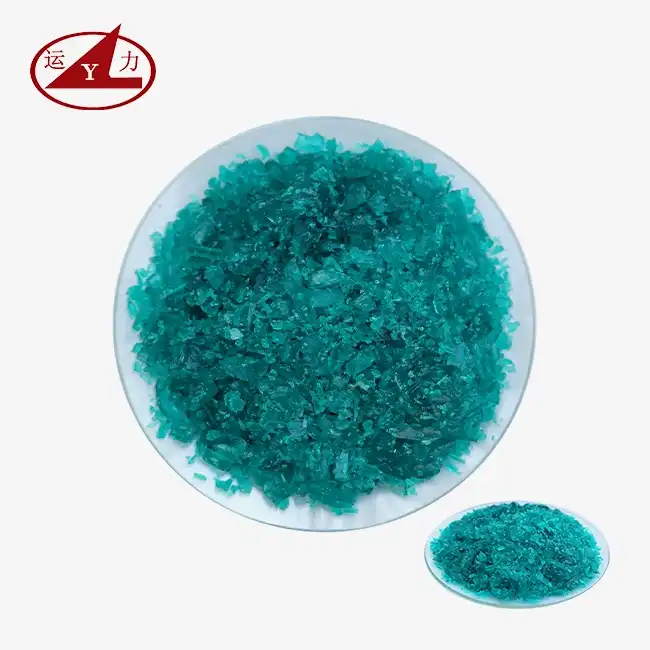
Nickel nitrate hexahydrate (Ni(NO₃)₂·6H₂O, CAS 13478-00-7) stands as a critical inorganic compound widely adopted across industrial sectors ranging from electroplating and catalyst manufacturing to battery production and ceramic glazing. This emerald-green crystalline material delivers exceptional water solubility and clean thermal decomposition characteristics, making it indispensable for applications demanding high-purity nickel sourcing. Industries value this compound for its ability to deposit uniform coatings, support precise catalyst formulation, and enable advanced energy storage solutions without leaving corrosive residues that could compromise product integrity.
Understanding Nickel Nitrate: Properties and Chemical Basics
That is how much Nickel Nitrate hexahydrate weighs in grams per mole. It is a green solid that is crystallized. It is very hygroscopic, which means it quickly takes in water from the air. Care must be taken to store the item so that it keeps its quality. Only 56.7°C is hot enough for it to melt, and 136.7°C is hot enough for it to boil. The material slowly breaks down as it loses water molecules. At temperatures around 100°C, it changes from tetrahydrate to dry salt.
Solubility and Chemical Behavior
That this chemical dissolves in water at rates higher than 99.5% is one thing that makes it stand out. In industries that need nickel ions to be spread out evenly, this trait is very important. The substance breaks down in water, alcohol, and acetone, but not completely. This gives formulators a lot of ways to use it. In this case, acidic water-based solutions are made. For 1% solutions, the pH range is about 2.5 to 3.5.
Safety Considerations and Handling Precautions
Nickel nitrate hexahydrate is a Class 5.1 oxidizer (UN 2725), which means it comes with some risks that need to be considered when it is used or moved. Organic materials can catch fire if they come in touch with them, and eating them can be harmful. Material Safety Data Sheets stress how important it is to have the right safety gear, enough air flow, and a plan B in case of an emergency. Places that store things must keep the temperature below 30°C and the humidity low to avoid deliquescence and caking. Once procurement managers know about these safety standards, they can make sure that all steps taken during the supply chain protect workers and the quality of the products.
Industrial and Technical Applications of Nickel Nitrate
Nickel Nitrate hexahydrate is clearly very important because it works so well in many different fields. It can be used to make nickel, but it can also be used as an exact tool to make materials that have qualities that other nickel salts cannot match.
Electroplating and Metal Surface Treatment
Nickel nitrate helps make coats on metal surfaces that don't rust when soldering. Because the compound is very soluble, the bath makeup can stay the same. Its deposition qualities also help make layers that are all the same thickness. Companies that make car parts, electronics, and decorative finishes use this stuff to meet the needs for coating thickness and adhesion strength. When the nitrate anion breaks down, it doesn't leave behind any halide residues that could damage equipment or make the covering less durable over time.
Catalyst Synthesis and Chemical Processing
People who make catalysts know that nickel nitrate hexahydrate is the best thing to start with when making supported nickel catalysts, which are used to process oil. Early wetness impregnation methods can be used to deeply absorb the chemical into porous support materials because it is easy to dissolve. As it gets hot, nickel oxide nanoparticles are made that are needed for hydrogenation processes, reforming steam methane, and making ammonia. While there are no toxins like sulfur or chlorine, the catalysts don't get damaged. This means that the activity levels stay the same from one production batch to the next. Keeping the performance of a catalyst high in chemical conditions that are hard on it is a problem that this clean breakdown profile directly solves.
Battery Electrode Materials
Nickel nitrate hexahydrate is a nickel source that can dissolve in water and is used by battery makers to make nickel-rich cathodes for lithium-ion batteries. A material must have less than 30 parts per million of iron and less than 50 parts per million of sodium in order to keep the crystal structure needed in NCM (nickel-cobalt-manganese) cathode formulas. To get better energy density and cycle life in finished battery cells, precise stoichiometric control is needed during precursor synthesis. This helps the electric vehicle industry's push for longer range.
Ceramic Color Glazes and Specialty Applications
To create architectural and decorative glazes with a brown-to-green colour, pottery companies use nickel nitrate hexahydrate. Because the particles in the composition are always the same shape, the finishes are always smooth and bright, even if the temperature changes in the oven. The material isn't only used in pottery; it can also be used in lab research, where high-purity grades allow for exact studies in materials science and analysis.

Comparing Nickel Nitrate with Other Nickel Salts for Procurement Decisions
Managers in charge of buying things have to make choices about Nickel Nitrate compounds that have a big impact on how well the process works and how much it costs. It is easier to choose the right material for the job when you know the pros and cons of the different nickel salts.
Nickel Sulfate vs. Nickel Nitrate
Most of the time, nickel sulfate hexahydrate is used instead. It is very popular in the battery business because supply lines are already set up. But sulfate residues that are left over after thermal breakdown can give off sulfur dioxide, which could make some catalyst mixtures poisonous. Nickel nitrate hexahydrate breaks down better at high temperatures, turning into pure nickel oxide and gaseous nitrogen oxides without any sulfur. This benefit is especially helpful when a small amount of sulfur would make the product less useful. Nickel nitrate is the best choice for high-purity and specific catalyst uses, while nickel sulfate is usually the cheaper option for making a lot of batteries.
Nickel Chloride and Carbonate Considerations
Electric baths with nickel chloride solutions are very stable, but they also add chloride ions that can damage stainless steel tools over time. Nickel carbonate isn't used directly in a process; it is mostly used as a base to make other nickel compounds. Procurement managers use a decision grid to compare things like how well the material works with current tools, how pure it needs to be for the job, how well it meets government standards, and the total cost of ownership, which includes the cost of cleaning up waste. People who work as process engineers should help people choose materials so that they can be tested and proven to work in different production settings.
How to Procure Nickel Nitrate: A B2B Buyer's Guide
There is more you need to do than just compare prices to find Nickel Nitrate hexahydrate. You should think about what each service company can do very carefully. Trusted partners are different from commodity providers because they have full papers, stable quality, and a strong technical support system.
Supplier Qualification Criteria
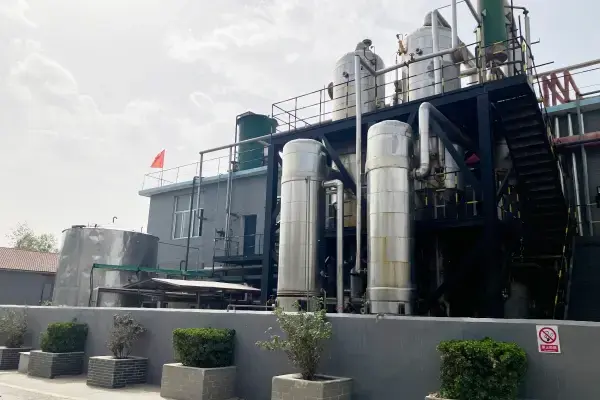
Companies with ISO 9001 approval have quality management systems that have been in place for a long time. This is the first step in making sure that the quality of their products stays high. Licenses for environmental compliance (ISO 14001) and health and safety at work (OHSAS) prove that a company is doing the right thing and lowering the risk in the supply chain. A facility audit or review by a third party is what buying teams should use to make sure that sellers are skilled. These should include things like the amount of work that can be done, the tools used for analysis, and the ways that quality is checked. When suppliers run regional or national technology centers, it shows that they are committed to making new goods and fixing technical issues that help customers with tough application problems.
Documentation and Compliance Requirements
With Certificate of Analysis (COA) records that can be linked to a specific batch, you can check the quality and make sure that the rules are being followed. Full Material Safety Data Sheets that are made for the end market make sure that safety is maintained at every step of the supply chain. Sellers who want to do business with other countries need to show proof that they follow the chemical rules for that area, such as REACH (Europe) and TSCA (United States). It is very important for gadgets to follow RoHS. Depending on what the product is going to be used for, it may need different certifications for food-grade or pharmaceutical specifications.
Packaging and Logistics Considerations
25 kg moisture-proof bags, 1-metric-ton pallets, or large liquid IBC tanks are all standard ways to pack goods for customers who need to store a lot of them. Nickel nitrate hexahydrate is easily damaged by water, so it needs to be packed tightly to keep it from breaking while it is being shipped. If you have risky goods (Class 5.1 oxidizer), you have to make special shipping plans that follow the rules for IMDG (maritime), IATA (air), and ADR (road). Procurement managers should be clear with sellers about shipping times, minimum order amounts, and payment terms when they are negotiating with them. Learning about companies who offer a variety of packing options and unique concentration solutions can help to make things run more smoothly and reduce the need for processing to be done in-house.
Best Practices for Handling, Storing, and Using Nickel Nitrate Safely
It is important to follow strict handling rules that take into account the Nickel Nitrate compound's unique physical and chemical properties from the time it is delivered until it is used.
Storage Environment Control
Nickel nitrate hexahydrate cannot take in water from the air, so storage areas need to keep the temperature below 30°C and manage the relative humidity. The crystals stay in the free-flowing, crystalline form that is needed for correct pouring as long as covered containers are kept in cool, dry places. Things are less likely to catch fire or respond when they are kept away from biological materials, reducing agents, and things that can catch fire. Places that store oxidizing materials should have ways to keep spills under control and keep things at the distances needed by fire codes in the area.
Handling Procedures and Personal Protection
Chemical-resistant gloves, safety shields, and protection clothing are some of the safety gear that people who work with nickel nitrate hexahydrate need. The amount of air flow in a work area should be enough to keep the dust level below the safe levels for workers. For dispensing tasks, it is helpful to have local air circulation or sealed transfer devices that make less dust. Eyewash stations and safety showers need to be easy for people to get to in places where things are moved around a lot. It is important for training programs to stress how to spot environmental signs and give the right first aid.
Disposal and Environmental Compliance
People who are qualified to handle dangerous waste and know how to handle oxidizer materials need to throw away nickel nitrate hexahydrate trash. When solutions with nickel are put into sewer systems, they need to follow the heavy metal release limits in that area. Most of the time, this means that the water needs to be cleaned by precipitation and filtration. Companies that have environmental management systems that work well can help their customers find legal ways to get rid of trash. Disposal methods that are responsible not only follow the rules, but also help companies keep their claims to be more eco-friendly, which is becoming more and more important to everyone.
Conclusion
Nickel Nitrate hexahydrate is useful for many things because it breaks down quickly and cleanly. It can be used for etching, making catalysts, making batteries, and working with ceramics. When making a procurement decision, you should look at more than just price. You should also look at the supplier's quality systems, how complete the documentation is, and how well the supplier can help with technical issues. Because it is an oxidizer, there are strict rules about how to store, handle, and use it. For businesses that want stable supply lines, consistent product quality, and full technical support, building long-term ties with well-known manufacturers is more valuable than buying goods one time.
FAQ
Q1: What distinguishes nickel nitrate from nickel sulfate in electroplating applications?
A: Nickel Nitrate hexahydrate turns into pure nickel oxide at very high temperatures. It doesn't leave behind any sulfur that could hurt tools or make a covering less good. It is better for electroplating jobs that need the cleanest coating because it breaks down easily. But nickel sulfate is still less expensive for general plating jobs where sulfate leftovers don't hurt the job.
Q2: What purity grades are available for battery and catalyst applications?
A: Nickel nitrate made for business use is generally certified to be more than 98.5% pure and have more than 20.0% nickel in it. It is necessary for higher grades to have iron levels below 30 ppm, sodium levels below 50 ppm, and chloride levels below 100 ppm if they are to be used as battery cathode intermediates or to make catalysts. It is possible to make purity standards that are just right for certain uses where even small amounts of contaminants can hurt performance.
Q3: What are the primary safety concerns during shipping and storage?
A: It is important to keep nickel nitrate hexahydrate away from things that don't work with it because it is a Class 5.1 oxidizer that helps biological materials burn. So it doesn't harden, it needs to be packed in a way that keeps water out. Proper labelling, paperwork, and trained staff who handle dangerous goods make sure that they are moved and stored safely at all points in the supply chain.

Partner with Yunli Chemical for Reliable Nickel Nitrate Supply
Yunli Chemical has been making chemicals for 20 years and can help companies that need Nickel Nitrate hexahydrate of good quality. Our ISO 9001, ISO 14001, and OHSAS certifications show that we have strict plans in place to keep your supply chain free of problems with quality and environmental damage. We keep analysis tools like ICP-MS and atomic absorption spectrometry up to date because we are a provincial-level business technology center. We check each batch to make sure it meets your needs and comes with full COA paperwork.
You can order as little as 500 grams for free or as much as you need. You can also pick the level of purity, the style of packaging, and the concentration format. Through our direct plant supply model, we cut out the middlemen and give you technical help from engineers who know a lot about coal and chemicals and how hard your process is. Send our team an email at wangjuan202301@outlook.com to talk about your nickel nitrate needs, get full specs, or set up a review sample for your project.
References
1. Smith, J.R. and Williams, K.L. "Industrial Applications of Nickel Compounds in Modern Manufacturing." Journal of Applied Chemical Engineering, Vol. 45, No. 3, 2022, pp. 234-256.
2. Anderson, M.T. "Comparative Analysis of Nickel Salts in Electroplating Processes." Surface Treatment Technology Review, Vol. 18, No. 2, 2021, pp. 112-134.
3. Chen, L. and Rodriguez, P. "Precursor Chemistry for Nickel-Rich Battery Cathodes." Energy Materials Science Quarterly, Vol. 29, No. 4, 2023, pp. 445-468.
4. Thompson, R.A. "Safety Management of Oxidizing Chemical Compounds in Industrial Settings." Occupational Health and Safety Handbook, 5th Edition, 2022, Chapter 12.
5. Martinez, S.F. "Quality Control and Specification Requirements for Catalyst Manufacturing." Chemical Process Industries Journal, Vol. 52, No. 1, 2023, pp. 78-95.
6. Davis, H.K. and Zhang, W. "Supply Chain Considerations for Specialty Chemical Procurement." B2B Chemical Commerce Review, Vol. 14, No. 3, 2022, pp. 167-189.