


Chromium Acetate 50% Solution Supplier Selection Guide
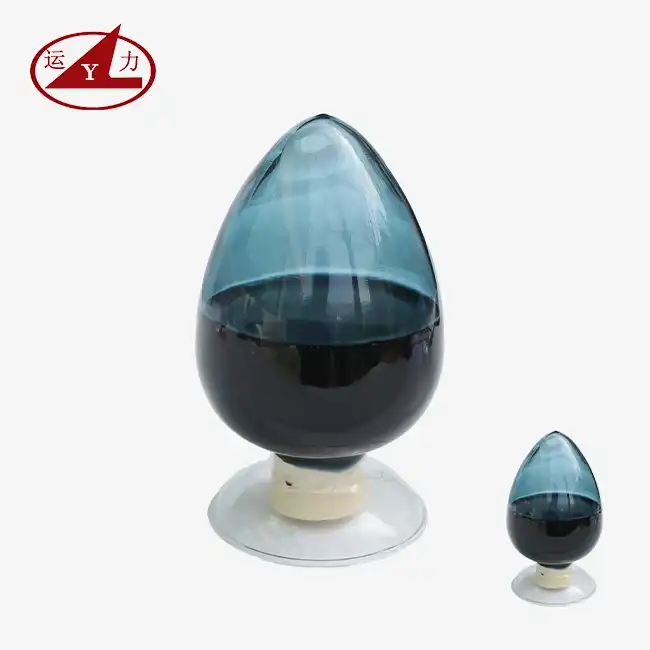
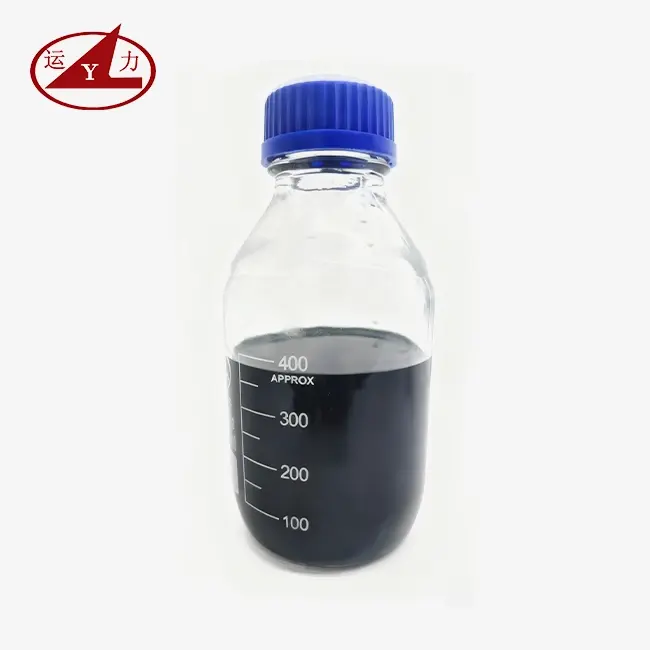
Selecting the right supplier for Chromium Acetate 50% Solution (CAS 1066-30-4) is a strategic decision that directly influences manufacturing efficiency, product quality, and regulatory compliance across multiple industries. This dark green to bluish-green liquid chemical, composed of chromium(III) acetate with the molecular formula Cr(CH₃COO)₃, serves as a crucial intermediate in leather tanning, textile dyeing, catalyst synthesis, and electroplating applications.
Given the complexity of global B2B sourcing—where supply chain stability, documentation integrity, and technical support determine long-term success—procurement managers and engineers require a structured approach to identify manufacturers who deliver consistent quality, competitive pricing, and reliable service. This guide provides actionable insights into evaluating suppliers, understanding product specifications, and establishing partnerships that align with both technical demands and business objectives.
Understanding Chromium Acetate 50% Solution
Chemical Composition and Technical Parameters
Chromium Acetate 50% Solution is a liquid mixture that has about 50% chromium(III) acetate by weight, which is equal to 7.7–7.8% chromium metal or 11.0–11.5% Cr₂O₃. The specific gravity of the solution is between 1.26 and 1.30 g/cm³ at 20°C, and its pH stays between 3.5 and 4.5. This controlled acidity keeps chromium hydroxides from precipitating too soon and makes it easier for them to combine with substrates during cross-linking or mordanting processes.
The substance can mix completely with water, which lets precise dilution happen on-site without any problems with phase separation. It can be used in places with high temperatures because it is thermally stable. This is especially true in polymer gelation systems used for enhanced oil recovery where reservoir temperatures are higher than 90°C.
Industrial Applications and Performance Advantages
The Chromium Acetate 50% Solution is the best balance between ease of handling and cost-effectiveness. When dyeing leather, chromium acetate is a better mordant because it forms stable coordination groups with dye molecules and protein fibres that make wool, silk, and synthetic materials last longer and keep their colour better. The Chromium Acetate 50% Solution saves money on shipping and store space compared to lower ratios that need larger amounts.
The textile industry likes this solution for dyeing ranges that run all the time and need precise chemical delivery. It is used to make chromium oxide catalysts, which are used in petrochemical breaking. These have a larger surface area and are more stable at high temperatures than nitrate-based options. Chromium acetate is being used more and more in electroplating as an eco-friendly alternative to hexavalent chromium. It meets REACH requirements and provides non-toxic protective coats.
Storage and Safety Protocols
If you store it right, the chemicals will stay intact for 12 to 24 months. Keep containers in cool, dry places with temperatures between 5°C and 25°C and make sure the lids are tight. Freezing can happen at temperatures between -20°C and -25°C. If the solution freezes, it needs to slowly thaw while being stirred well to get it back to being homogeneous. Safety data sheets (MSDS) and certificates of analysis (COA) that come with every shipment tell you how to handle it properly.
Because the solution smells like acetic acid, it needs some air flow, and people who work with it should wear gloves that can handle chemicals and eye protection. Check that the materials used for the tools are compatible. Containers made of stainless steel or plastic are best, because high chloride content variants can cause stress corrosion cracking in metals that aren't meant for it.
Key Factors in Selecting a Chromium Acetate 50% Solution Supplier
Certification and Regulatory Compliance
Suppliers that do business in the U.S. must show that they follow the rules for OHSAS occupational health and safety, ISO 9001 quality management standards, and ISO 14001 environmental certifications. Documentation showing compliance with REACH and RoHS rules shows that the Chromium Acetate 50% Solution meets European environmental rules, which are becoming more and more important to North American standards.
Manufacturers with local or national technology center accreditations show that they are committed to product creation and have advanced research and development (R&D) capabilities. Having these qualifications checked by a third party greatly lowers the risk of buying. Companies that have been around for 20 years, make more than 1 billion yuan a year, and have fixed assets worth 300 million yuan are financially stable, which protects them from supply problems when the market is volatile.
Quality Control and Batch Consistency
Chromium levels must be carefully kept between 7.7% and 7.8%, because any deviations hurt the performance of applications. ICP-OES (Inductively Coupled Plasma Optical Emission Spectroscopy) or titration are used to confirm the levels of active assays. Pay close attention to the impurity profiles. For example, an iron content below 30 ppm keeps cross-linking reactions from getting messed up, and a chloride level below 50 ppm keeps dose equipment from rusting.
The levels of sulphate also need to be watched. Advanced inspection labs with atomic absorption spectrometers and ICP-MS equipment make sure that each batch is reliable. Suppliers who offer 4N-grade high-purity versions show a level of technical skill that is useful for pharmaceutical intermediates and electronic materials uses, where small amounts of contaminants can stop whole production runs.
Supply Chain Reliability and Lead Time Management
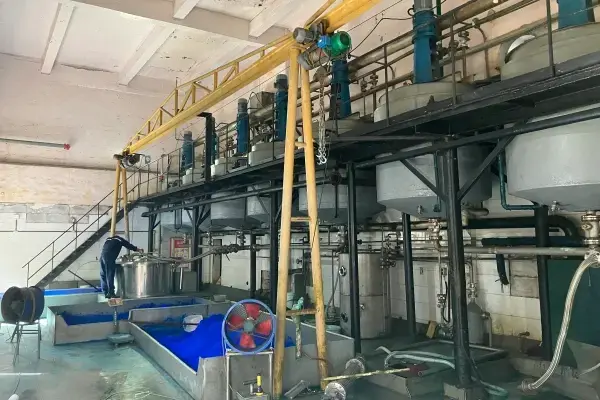
Timeline risks are lower when production capacity is stable and the manufacturing infrastructure is well-established. Suppliers who use closed-loop wastewater treatment systems and chromium(VI) reduction technology not only follow environmental rules but also keep their businesses running even as rules get stricter. With factory-direct supply models, there are no markups or communication delays at the middle level.
Different sizes of purchases can be made with the help of flexible packing choices, such as 25 kg drums, IBC boxes, and bulk tanker shipping. Being able to change the viscosity, concentration levels (between 40 and 60%), or addition of anti-precipitation chemicals shows that the production process is flexible enough to meet specific needs. Minimum order quantity (MOQ) rules can affect cash flow. Suppliers who don't have MOQ rules and offer free samples up to 500 grams let customers do a lot of testing before signing tonnage contracts.
Comparing Chromium Acetate 50% Solution with Alternatives
Concentration Optimization: 50% versus Other Formulations
Lower ratios, like 10% or 40% solutions, need relatively larger volumes to deliver the same amount of chromium, which raises the cost of freight and the need for more storage space. The Chromium Acetate 50% Solution is the highest amount that can be used without getting too thick or hard to work with. For mordanting textiles, this concentration lets automated dosing systems use exact meters without having to be refilled often.
In uses involving improved oil recovery, the Chromium Acetate 50% Solution strikes a good mix between the need for an injection pump and the timing of gelation. Dilute forms, on the other hand, may cause setting to happen before they reach the target reservoir depths. Transportation and storage costs go down as concentration goes up, according to economic research. However, buyers must make sure that the new concentrate will work with their current dilution equipment.
Chromium Acetate versus Alternative Chromium Salts
The acetate form of chromium chloride allows for more controlled and delayed cross-linking processes, which are useful in polymer uses. The acetate ligand acts as a buffer, stopping the fast precipitation that happens in chloride systems. This means that the working time is longer and the penetration into substrate matrices is deeper. Chromium nitrate intermediates are commonly used to make catalysts, but they pose higher rusting risks and are harder to get rid of in the environment.
Chromium sulphate solutions are used in traditional leather dyeing, which makes treating wastewater more difficult. The acetate formulation is becoming more popular in regulated industries because it is less toxic and has better coordination chemistry. Price differences usually reflect these performance benefits—chromium acetate costs 10-15% more than chloride versions, but when you look at the total cost of ownership (including waste treatment and process yields), acetate is often the better choice.
Procurement Best Practices for Chromium Acetate 50% Solution
Supplier Verification and Risk Mitigation
When you shop online, you need to be very careful to avoid buying fake or low-quality goods. The first step in verification is to ask for export credentials, business licenses, and production permits. Claims about manufacturing ability can be backed up by checks of the plant or audit reports from a third party. Performance can be confirmed by references from current clients in similar businesses.
Contract terms should include product specs with numerical tolerances, testing processes, and ways to fix orders that don't meet requirements. Payment plans that spread out the risk, like 30% down payments and the rest due after a satisfactory COA review, protect both parties. Insurance for damage in transportation and help with customs clearance make it easier to do business across borders.
Bulk Purchasing Strategies and Negotiation Tactics
When you make a volume commitment, you can get better prices and rebate programs. Framework deals that are renewed every year and have call-offs every three months keep budgets stable while keeping supplies flexible. Getting flexible packing and labels lowers the costs of dealing later on. Long-term contracts that last between 12 and 36 months protect against changes in the prices of raw materials and guarantee production times during times of high demand.
Suppliers who run their own export offices are better able to deal with tax classifications and paperwork requirements than those who use middlemen. By combining packages or setting up logistics on their own, suppliers can save money on freight costs by using their existing relationships with carriers. Talking about payment terms that work with your cash flow cycle is a good way to improve working capital management. Suppliers with a lot of experience know that 60-day terms for qualified buyers make partnerships last longer.
Building Long-Term Supplier Relationships
Supply quality consistency depends on stable relationships with suppliers that are built through open communication and treating everyone equally. Technical teamwork with sources that lets you know how your process works lets you solve problems before they happen. Sharing predictions about production helps sellers plan when to buy raw materials and how to divide up their available space. Regular reviews of performance based on key metrics like on-time delivery rates, accurate documentation, and quick responses from technical support make people responsible.
Suppliers who invest in relationship equity give you better access during allocation scenarios and give your custom product development more thought. When people work together on projects to reduce costs or promote sustainability, they strengthen their loyalty to each other. When you switch suppliers, you have to pay a lot of money for things like requalification tests, process changes, and learning curves. Keeping good partnerships with Chromium Acetate 50% Solution suppliers pays off over time.
Top Trusted Chromium Acetate 50% Solution Suppliers and Brands
Leading Manufacturers with Proven Track Records
Established makers that have been in business for more than 20 years and make billions of yuan a year show that they can keep running even when the economy is bad. Companies that are designated as provincial technology centers have formal R&D skills that help with product development and application engineering. Single-vendor consolidation makes it easier to source multiple chemicals when manufacturers offer full product ranges that include more than 60 different types of nitrates and chromium salts.
Backward integration into raw materials is a way that coal chemical engineering knowledge is often used to make cost structures more competitive. Suppliers who are certified under cGMP protocols offer fully documented processes and processes that have been tested for safety in the pharmaceutical industry. This level of quality system maturity is also useful for industrial uses.
Regional Sourcing Considerations
China's infrastructure for making chemicals is very cost-effective, and its supply lines for chromium raw materials and acetic acid products are well-established. Logistics networks that connect production bases in the middle of the country to ports on the coast make shipping containers to the U.S. West Coast places that take 18–25 days to get to. Customs approval goes more quickly when officials know about TSCA inventory rules and FDA import notifications.
Through dedicated international sales teams, language skills and time zone coverage from export-focused suppliers make it easier for people to talk to each other. Environmental compliance needs to be carefully considered. Suppliers with clear emissions data and approved cleaning systems lower the risk of responsibility for those who buy from them. Geographical diversification strategies might keep secondary sources to balance out geopolitical risks, but most operations can't switch sources very often because it costs a lot to qualify them.
Authentication Methods and Due Diligence
Cross-referencing business registration numbers through official databases is the first step in making sure a supplier is real. Virtual company fraud can be stopped by using satellite images or in-person visits to confirm a physical address. Claims about production capacity should match the size of the facility and the utilities that are in place. Quality certifications need to be checked through the records of the granting body; fake certificates are still a problem.
Credit reports from foreign companies like Dun & Bradstreet and bank references are used to check a company's financial health. Before making large promises, specs are checked by independent labs on samples. Building ties through small orders at first sets up a history of success. Professional sourcing platforms that offer supplier verification services and transaction protection make working with new Chromium Acetate 50% Solution vendors safer.

Conclusion
When choosing a chromium acetate supplier, it's not just about price. You also need to think about quality control, regulatory compliance, technical support, and the stability of the supply chain. The Chromium Acetate 50% Solution formulation strikes the best mix between ease of use and success in industries such as textile processing, electroplating, tanning leather, and making catalysts.
Effective buying strategies stress that suppliers should be financially stable, have advanced production skills, care about the environment, and be willing to work together. Long-term partnerships based on open communication and shared goals bring more benefits over time through consistent quality, priority service, and working together to solve problems. As regulations and quality standards get stricter, the strategic value of chromium acetate sources that can be counted on keeps growing.
FAQ
What concentration is best for leather tanning applications?
The standard solution for tanning leather is Chromium Acetate 50% Solution. This is because it has the right amount of chromium to fix the dye and a viscosity that can be easily controlled for spray or drum application systems. For lower concentrations, larger amounts are needed, which makes dosing more difficult to control.
How should chromium acetate 50% solution be stored?
Keep in sealed containers between 5°C and 25°C, out of direct sunlight and away from heat sources. If stored for more than 12 months, check the specific gravity before using. To get frozen stuff back to being uniform, it needs to thaw slowly and be stirred around a lot.
Is chromium acetate fluid safe to use in places with a lot of salt?
It can handle brines with up to 100,000 ppm of total dissolved solids very well, which makes chromium acetate a better cross-linker than many others. To keep unusual rains from happening, compatibility testing is still needed for some water chemicals.
What distinguishes chromium acetate from chromium chloride?
Because the acetate ligand acts as a buffer, chromium acetate reactions happen more slowly and more carefully than chromium chloride reactions. Acetate formulations lower the risk of corrosion and work better in situations where they need to be used for longer periods of time before they gel or precipitate.
Partner with Yunli Chemical for Reliable Chromium Acetate 50% Solution Supply
As a trusted chromium acetate supplier, Yunli Chemical has been making high-quality products for 20 years and can make over RMB 1 billion in sales every year. Our ISO 9001, ISO 14001, and OHSAS certifications, along with the fact that we are a Shanxi Provincial Enterprise Technology Center, ensure that the quality of our products is always high, with iron levels below 30 ppm and chloride levels below 50 ppm. We make Chromium Acetate 50% Solution that is stable between pH 3.5 and 4.5. It has a shelf life of 12 months or more and is fully compliant with REACH and RoHS, so you can be sure it is safe.
Because we don't use middlemen, our factory-direct plan lets us offer low prices without sacrificing quality. We offer a range of flexible packing options, such as drums and IBC tanks, as well as amounts that can be changed from 40% to 60% and free samples of up to 500 grams for testing purposes. We can make solutions that are exactly what you need because we don't have a minimum order size and our advanced ICP-MS and atomic absorption spectrometry tools back up our expert technical support. Our closed-loop environmental systems and well-established export operations make sure that delivery to the US is reliable and legal.
Contact our team at wangjuan202301@outlook.com or visit yunlichemical.com to request your customized quotation and discover how our Chromium Acetate 50% Solution can help you improve your production processes with a reliable supply, thorough documentation, and a technical partnership that responds quickly.

References
1. Liu, H., & Zhang, W. (2021). Industrial Applications of Chromium(III) Compounds in Modern Manufacturing. Chemical Engineering Press.
2. Anderson, R. K. (2020). Supplier Selection Strategies for Specialty Chemicals: A Procurement Guide. Industrial Sourcing Journal, 15(3), 142-167.
3. Chen, Y., & Thompson, M. (2022). Chromium Chemistry in Textile and Leather Industries: Environmental and Technical Perspectives. Materials Science Quarterly, 28(2), 89-114.
4. National Institute of Standards and Technology (2023). Chemical Specifications and Quality Control Methods for Inorganic Salts. NIST Technical Publication 1547.
5. Rodriguez, P., & Kim, S. H. (2021). Supply Chain Risk Management in Global Chemical Procurement. International Journal of Operations Management, 41(4), 523-548.
6. Williams, D. J. (2022). Comparative Analysis of Chromium Salt Formulations in Industrial Catalysis. Journal of Applied Chemistry, 67(8), 1245-1268.