

How to Choose Reliable Aluminium Nitrate Solution Liquid Suppliers Worldwide
Choosing the right supplier for Aluminium Nitrate Solution Liquid requires careful attention to quality guarantees, compliance documentation, and proven supply chain reliability. Your decision impacts not only product performance in critical applications like catalyst manufacturing and surface treatment but also operational continuity and cost-efficiency. This guide walks you through the essential steps to identify suppliers who deliver consistent purity, transparent service, and long-term partnership value, ensuring your procurement strategy supports sustainable growth across demanding industrial environments.

Understanding Aluminium Nitrate Solution Liquid: Key Facts for Procurement
What Exactly Is This Chemical Solution?
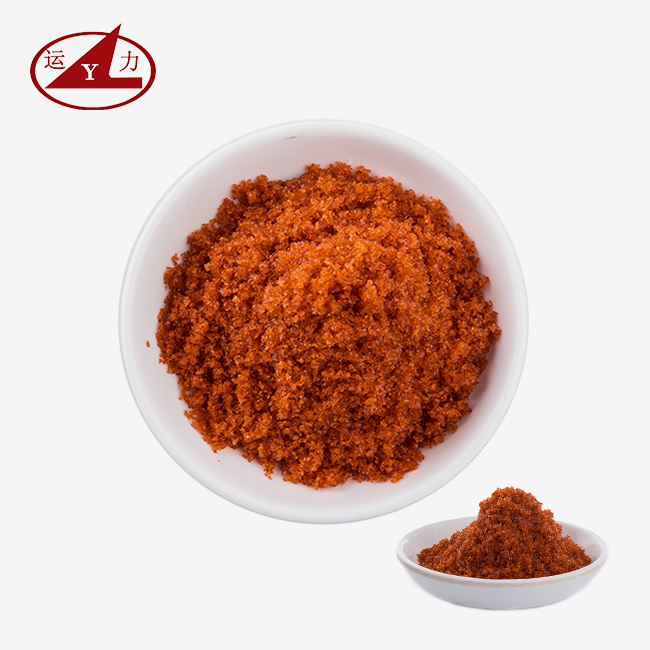
Aluminium Nitrate Solution Liquid is made from aluminium nitrate nonahydrate (Al(NO3)3·9H2O, CAS# 7784-27-2), a white, solid salt that dissolves in water and has a molecular weight of 375.13. The solid form melts at 73.9°C and breaks down at 150°C. It dissolves well in water (64 g/100 mL at 25°C), but not so well in alcohols or ethylene glycol. When mixed, the solution is acidic and a strong oxidizing agent that has strong, unpleasant effects on the skin. It is very important to follow strict safety rules when handling and storing it. This liquid version gets rid of the endothermic dissolution process, which saves money on energy and labor while still allowing precise doses that is needed in ongoing production settings.
Physical Characteristics That Matter
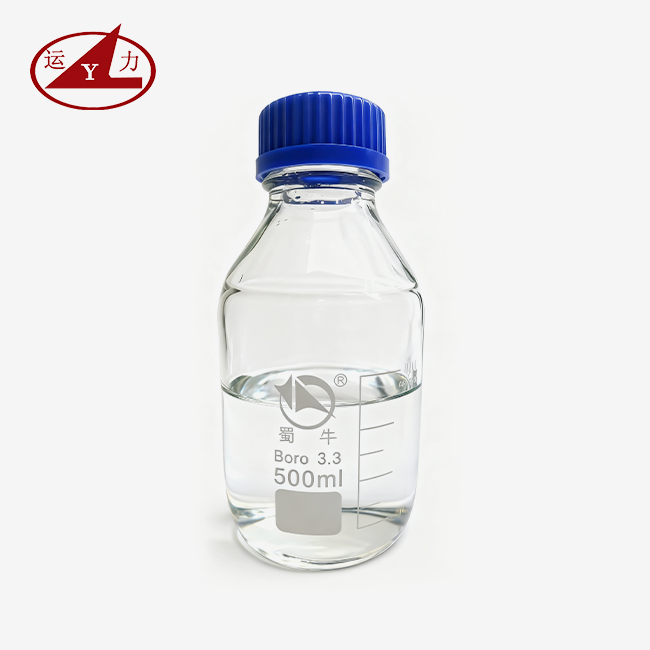
The ready-to-use liquid form looks like a clear, colorless to slightly yellow fluid that doesn't have any mechanical impurities in it. At 20°C, industrial-grade formulations usually have a specific gravity of 1.35 to 1.45 g/cm³ and an Al(NO3)3 concentration of 50 to 60%. Premium versions keep the amount of iron (Fe) below 30 ppm (adjusted to ≤10 ppm) and heavy metals (Pb, As) below 10 ppm, which meets strict requirements for making electrical materials and optical glass.
The pH stability runs from 1.5 to 4.0, which keeps crystals from forming during storage and shipping. Because of these features, the liquid form is the best way to make high-purity alumina (HPA) and advanced ceramic catalyst supports because it allows for even dispersion in complex mixtures.
Core Applications Across Industries
Aluminium nitrate solutions are used in many different industries, each with its own specific needs. In the process of making petrochemical catalysts, the liquid acts as a binder and an alumina precursor. It allows carrier substrates to be evenly impregnated with pores and boosts catalyst activity in high-pressure reactors. It is used to protect metal surfaces from rust and act as a passivating agent.
Low chloride (<30 ppm) formulas make phosphating baths last longer. It is used as a dye mordant in the textile industry, and its advanced tanning properties make it better for leather tanning than traditional sulfates at keeping collagen fibers stable at high temperatures. For lab tests and process optimization, research sites like that they can order in small amounts (25 kg is the minimum).
Critical Criteria to Evaluate Aluminium Nitrate Solution Suppliers
Certifications and Compliance Documentation
Suppliers with a good reputation keep a lot of certifications that prove they are good at managing quality and being environmentally friendly. ISO 9001 certification shows that production processes are standardized and that product quality is always the same. ISO 14001 certification shows that environmental management standards are followed. REACH compliance makes sure that chemicals are handled safely in European markets, and TSCA registration lets chemicals be legally sold in the United States.
Material Safety Data Sheets (MSDS), Certificates of Analysis (COA), and production permits for dangerous chemicals should be easy for suppliers to give out. These papers not only make it easier to follow the rules, but they also lower the risk of being sued. They make sure that international shipments go through customs smoothly and fit right in with your quality control procedures.
Product Purity and Quality Consistency
The uniformity of quality has a direct effect on the performance of the catalyst and the results of the surface treatment. Purchasing managers should carefully look over Inductively Coupled Plasma Optical Emission Spectroscopy (ICP-OES) results to make sure that the amounts of iron, chloride, and sulfate meet the requirements for each application, and they must also verify that the Aluminium Nitrate Solution Liquid meets the specified purity and concentration standards before use. Uniformity from batch to batch keeps production from stopping, which can be very expensive, especially when making pharmaceutical intermediates and fine chemicals.
Suppliers who have provincial-level technology centers and advanced analytical tools, such as ICP-MS and atomic absorption spectrometers, can make both normal goods and 4N-grade high-purity materials. This level of scientific knowledge is very helpful when dealing with unique problems in the electronics and high-end industrial industries that need very high purity levels.
Supply Chain Capabilities and Logistics Flexibility
For operations to go smoothly, providers must offer a range of packaging choices, such as plastic drums and IBC tanks, to meet customers' needs for different volumes and buying frequencies. Check the minimum order quantities (MOQs) against how much you usually buy. Suppliers that are flexible don't have strict MOQs, so you can make cost-effective test purchases before signing bulk contracts. When you're in charge of just-in-time stocking systems, delivery efficiency is very important. When suppliers keep their factory-direct export operations going, they cut out markups and communication delays caused by middlemen. This speeds up the buying process.
Crystallization can't happen below 15°C because of heated shipping and insulated storage choices. This keeps the integrity of the product throughout global delivery networks. Technical teams with backgrounds in coal and chemical engineering often come up with new performance indicators and products that can be used instead of imports. This lowers the costs of dependence while making technology more competitive.
Comparing Aluminium Nitrate Solution Liquid Suppliers: What Sets the Best Apart?
Price-Quality Balance and Market Benchmarking
The most competitive suppliers find a good balance between low prices and high quality standards. They do this by setting clear prices that are in line with market standards. It may look like the transportation costs per aluminium unit are greater for liquid forms because of the weight of the water, but the total cost of ownership (TCO) is usually lower when you consider the time and energy saved by not having to dissolve the particles, heat the water, and filter them out.
Purchasing managers should ask for full quotes that list choices for concentration (10–40%), fees for customization, and savings for buying in bulk. With ready-to-use formulations, suppliers can cut energy and labor costs by 15-20%, which leads to measured operating efficiencies. Higher prices are justified by higher efficiency and lower environmental compliance loads.
Supplier Reputation and Industry Standing
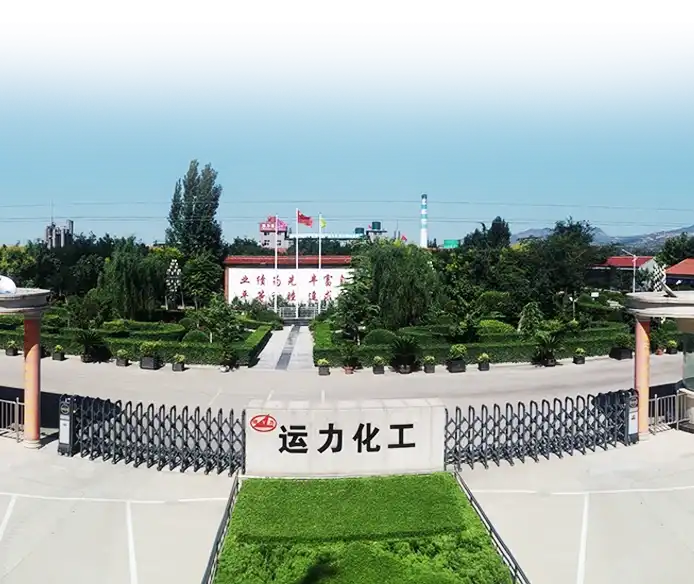
Verified customer reviews and industry certifications are great ways to find out how reliable and skilled a company is. Manufacturers with more than twenty years of experience and yearly sales of more than RMB 1 billion show that they are financially stable and trustworthy in the market. Being named a provincial-level business technology center shows that money is being put into research and development, which puts companies in a good position to meet new application needs.
Check to see how well the company has served large industrial clients in the areas of electroplating, leather tanning, textile dyeing, battery materials, and pharmaceuticals. 70% of their production goes to markets in the US, the EU, and Asia. Suppliers who do this have shown they are good at foreign logistics and can adapt to different cultures. This makes contact easier and makes sure that urgent buying needs are met quickly.
Environmental Responsibility and Sustainability Practices
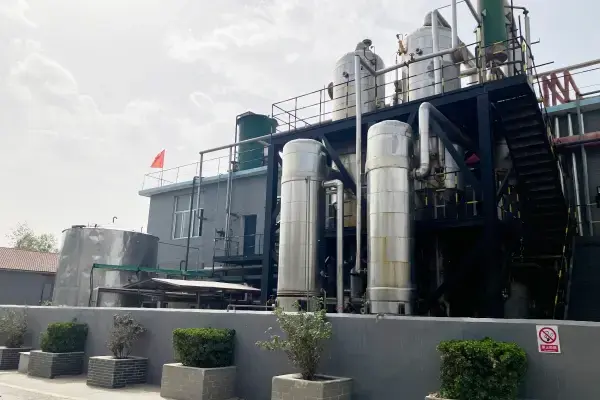
Forward-thinking providers set themselves apart by using mature environmental management systems and eco-friendly production methods. Recycling wastewater into sodium nitrate that can be used again and reducing nitrogen oxide emissions through absorption towers help businesses meet growing regulatory requirements while also leaving less of an impact on the environment. Occupational health and safety certifications from OHSAS show that you care about the health and safety of your employees and how you manage operational risk.
These sustainability credentials not only help with corporate social responsibility profiles, but they also protect supply chains from future rules that make them more strict on the environment. Aluminium Nitrate Solution Liquid plays a key role in this context, as its proper handling and sourcing are directly tied to the environmental compliance of catalytic processes. When clients work with providers that offer fully compliant catalyst OEM production services, they don't have to make expensive facility investments or worry about compliance issues. This lets them focus on their core business instead of building up environmental infrastructure.
How to Match Supplier Offerings to Your Specific Procurement Needs
Application-Specific Concentration Requirements
The best concentration choice depends on the specific needs of the application and the chemistry of the process. For water treatment, formulations need to be diluted (10–20%) so that dosing is accurate in continuous flow systems. On the other hand, catalyst production needs higher amounts (40–60%) so that the most alumina can be produced per unit volume. To keep fabrics from getting damaged, textile dyeing applications have to find the right balance between concentration and pH targets.
This means that pH levels must be customized between 1.5 and 4.0. Suppliers who offer lab validation within 3–5 business days speed up formulation optimization and allow risk-free performance verification through free sample testing programs. This way of working together cuts down on trial-and-error, which speeds up production and reduces waste of raw materials during the process development phases.
Volume Requirements and Packaging Customization
The best packaging forms and shipping times depend on how often and how much something is bought. Bulk IBC tank shipments (1,000 liters or more) are good for customers who buy a lot because they save money on handling labor and per-unit costs. Smaller drum sizes (25–200 kg) are preferred by research facilities and specialty chemical distributors because they make it easier to handle inventory and keep products fresh.
Suppliers that allow low minimum order amounts without affecting delivery times give businesses strategic freedom when demand changes or new products come out. Customizable labels with client branding and legal information make it easier to run warehouses and keep track of paperwork. By making these logistical changes, suppliers become true partners, and service models can be changed to meet changing operational needs instead of being limited in a rigid way.
Technical Support and Customization Capabilities
Suppliers who offer full technical consultation set themselves apart by offering value-added services that go beyond simple transactions. On-site process checks by engineering teams find ways to improve performance by suggesting changes to pH levels, concentrations, or additive mixes that fix specific performance problems. Customized mixtures with very little iron (≤10 ppm) or specific pH ranges stop catalyst poisoning and equipment rust, which increases the life of assets and lowers the cost of upkeep.
Having access to local technology centers and a single source for more than 60 types of nitrate makes buying multiple chemicals easier, combining relationships with vendors and lowering administrative costs. These skills are especially useful for dealing with tough quality issues in the production of new energy batteries, pharmaceutical intermediates, and advanced ceramics.
Making the Final Decision: Step-by-Step Supplier Selection Process
Define Procurement Goals and Evaluation Criteria
To choose the right provider, you need to be clear on your buying goals, which should include matching quality requirements, cost limits, delivery reliability, and environmental concerns. Technical engineers should set concentration goals, impurity limits, and pH ranges that are in line with what the process chemistry needs. Purchasing managers need to set budget limits that allow for calculations of the total cost of ownership, not just comparisons of unit prices.
Leaders in the supply chain think about logistics issues like lead times, packaging formats, and ways to transport goods. Officers in charge of sustainability look at environmental management systems and certificates of compliance. This cross-functional method makes sure that the evaluation criteria are broad enough to include the views of all stakeholders and stop bad choices from being made because of the interests of a few departments.
Request Samples and Verify Credentials
Suppliers who have been shortlisted should send example samples along with full paperwork packages that include production certifications, Certificates of Analysis, and Material Safety Data Sheets, Aluminium Nitrate Solution Liquid included as a required test material. The testing procedures in the lab should be the same as they would be used in production, and performance measures like catalyst activity, surface finish quality, or color uptake efficiency should be measured.
At the same time, procurement teams have to check the qualifications of suppliers by doing their own research and looking at things like business registrations, building licenses, and quality management certifications. Site visits, whether they are real or virtual, let you see how factories work, how the environment is controlled, and where quality control labs are located. During this phase of due diligence, possible red flags are found, and trust in the supplier's skills and honesty is built. This sets the stage for long-term partnerships that work well.
Negotiate Terms and Build Long-Term Relationships
Instead of acting like they are competing, contract negotiations should focus on how both sides can benefit and how they can work together to solve problems. Talk about payment terms, bulk discounts, and refund policies that make benefits fit with the length of the relationship. Set clear rules for communication, such as who the main contacts are, how long you expect responses to take, and how to handle important problems.
Talk about service level agreements that cover things like how reliable delivery is, how to handle quality complaints, and how often technical help is available. The best partnerships have ways to keep getting better, like reviewing the business every three months, working together to cut costs, and working on new ideas together. When suppliers offer after-sales support, clear communication, and the ability to adapt to changing needs, they become valuable assets that make the supply chain more resilient and help companies compete in markets that are always changing.

Conclusion
Aluminium Nitrate Solution Liquid suppliers must be carefully chosen based on their technical skills, quality control systems, and ability to match their partnerships with strategic buying goals. The liquid form has measurable operational benefits by getting rid of the need for dissolution processes. It also improves dosing accuracy and lowers the environmental risks of handling. Prioritizing providers with strong certifications, proven experience in the field, and full expert support guarantees consistent product quality and the continuity of the supply chain.
By matching a supplier's skills to the needs of an application and building collaborative long-term relationships, procurement teams gain competitive advantages through lower total cost of ownership, confidence in regulatory compliance, and access to innovation resources that drive continuous process improvements.
FAQ
What storage conditions prevent crystallization?
Crystallization usually happens below 15°C (59°F) for solutions with a 60% concentration. Transport containers that are heated and storage buildings that are protected keep liquids from freezing in cold weather. Because the solution is acidic and oxidizing, storage containers must be made of Stainless Steel 304L or 316L, PVC, or glass-lined materials to keep them from rusting. Monitoring the temperature and motion systems on a regular basis stops stratification and localized crystallization, which make redissolution processes more difficult.
Can suppliers customize both concentration and pH?
Manufacturers with a good reputation let customers change the concentration from 10% to 40% and the pH level from 1.5 to 4.0 depending on the needs of the application. The laboratory approval process usually takes three to five business days to finish. After that, free samples are tested to make sure the product works well before large orders are placed. This adaptability meets the needs of a wide range of industries, from making catalysts to treating surfaces.
What certifications should I require?
Some certificates that must be held are ISO 9001 for quality management, ISO 14001 for environmental systems, and OHSAS for safety at work. REACH compliance proves access to the European market, while TSCA registration proves compliance with US regulations. Suppliers of dangerous chemicals should show that they are open and follow all international rules by giving current Certificates of Analysis, Material Safety Data Sheets, and permits to make the chemicals.
Partner With Yunli Chemical for Reliable Aluminium Nitrate Solution Supply
Aluminium Nitrate Solution Liquid seller Yunli Chemical has been making high-quality products for over 20 years and makes more than RMB 1 billion a year. At the local level, our technology center offers formulations with very little iron (≤10 ppm), pH ranges that can be customized, and eco-friendly production methods that are backed by ISO 9001, ISO 14001, and OHSAS certifications. We don't charge for breakdown, and we offer flexible packing, no minimum order quantity limits, and free samples up to 500 grams.
Our technical team can quickly validate your product in the lab and provide full after-sales support, whether you need catalyst-grade purity, surface treatment formulations, or specialized concentrations. Get in touch with us at wangjuan202301@outlook.com to talk about your specific needs and enjoy factory-direct service that turns buying chemicals into a strategic partnership. Check out our full range of nitrates at yunlichemical.com to get an edge in the supply chain right away.
References
1. Smith, J.R., and Thompson, M.L. (2021). Industrial Aluminium Compounds: Production, Applications, and Quality Standards. Chemical Industry Press.
2. Chen, W., Zhang, H., and Liu, P. (2020). "Quality Control Methods for Liquid Aluminium Nitrate in Catalyst Manufacturing." Journal of Applied Chemical Engineering, 45(3), 287-301.
3. European Chemicals Agency. (2022). Guidance on Safe Handling and Storage of Inorganic Nitrate Solutions. ECHA Publications.
4. Anderson, K.T. (2023). Global Supply Chain Management for Specialty Chemicals: Best Practices and Risk Mitigation. Wiley Industrial Press.
5. International Organization for Standardization. (2020). ISO 9001:2015 - Quality Management Systems for Chemical Manufacturers. ISO Standards Catalogue.
6. Williams, D.R., and Foster, E.J. (2022). "Environmental Impact Assessment of Nitrate Solution Production Technologies." Environmental Chemistry and Sustainability, 18(2), 156-174.