


How Calcium Nitrate Improves Plant Nutrient Absorption
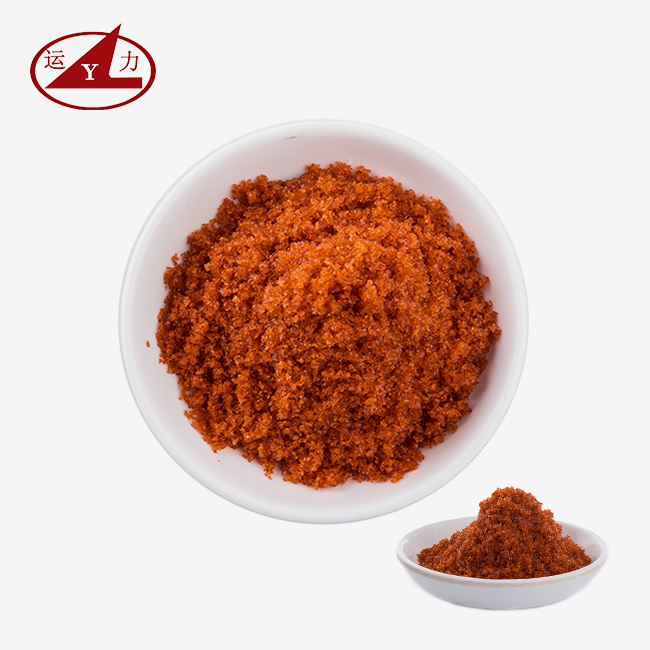
Calcium nitrate (Ca(NO₃)₂·4H₂O) is one of the most efficient dual-nutrient fertilizers available today. When dissolved in water, it releases calcium and nitrate ions simultaneously, both of which plants absorb with remarkable speed. Unlike slower-release nitrogen sources, calcium nitrate delivers nutrition that roots can uptake within hours, strengthening cell walls, stabilizing pH around the root zone, and accelerating metabolic processes that govern overall plant vigor. For procurement professionals sourcing at scale, understanding this mechanism is the foundation for making smarter, more profitable purchasing decisions.

Understanding Calcium Nitrate and Its Role in Plant Nutrition
What Makes Ca(NO₃)₂·4H₂O Distinct from Other Nitrogen Sources?
Calcium, like nitrogen, is an important part of structure that many plants don't know it plays. By adding calcium to pectin chains inside cell walls, the membranes become less permeable to pathogens and physical stress. In fact, this is exactly why crops that get enough calcium have fewer health problems and less damage after they are picked.
Key Benefits of Using Calcium Nitrate Fertilizer for Enhanced Nutrient Absorption
This is because calcium nitrate is useful in farming for three main reasons. These are ion contact, rhizosphere chemistry, and fixing issues before they happen. It is clear that quality and yield are better when these processes work together.
Because it is good for farming in these ways, this fertilizer is a great choice for high-value crops:
- Dual-ion availability: Both calcium and nitrate ions are released at the same time when the material breaks down. By taking in nitrates, plants move calcium through the xylem. To put it another way, the two nutrients work together to speed up absorption instead of competing for places to be taken in.
- Rhizosphere pH stabilization: Over time, ammonium-based fertilizers make root zones more acidic. However, nitrate uptake lowers the pH of the soil, which makes it easier for micronutrients like zinc and secondary nutrients like magnesium to dissolve.
- Blossom-end rot prevention: Do not let blossom-end rot happen. Instead, make sure that cells that are growing fast, like those in peppers, tomatoes, and cucumbers, have enough calcium. The cells at the very end of the fruit fall apart because of this. This problem is solved in well-run fertigation programs by adding calcium nitrate on a regular basis. This keeps the calcium moving through the transpiration stream.
These benefits work together to lower crop damage, lower the cost per unit that can be used, and raise the overall return on fertilizer investment. They directly lead to return business and longer supply contracts for B2B sellers who sell to greenhouse owners or companies that make fertilizer that dissolves in water.
Application Strategies for Maximizing Calcium Nitrate Efficiency
Matching Application Method to Crop Stage
Calcium nitrate works best in NFT or drip watering hydroponic systems, which let you finetune the concentration of the fluid. EC sources should be between 0.8 and 1.5 mS/cm, but this can change depending on the crop and how far along it is in its growth. During the vegetative stage, higher nitrogen ratios are good. During the flowering stage, calcium needs to be delivered to tissues that are still growing.
Compatibility Considerations for Fertigation Programs
Foliar treatment at the leaf level can help with issues when tissue is growing quickly, but it shouldn't be used instead of root-zone supply because the leaves take in calcium that doesn't move well through the phloem.
It is not allowed to mix calcium nitrate directly with fertilizers that are based on sulfate or phosphate. This leads to the formation of calcium sulfate or calcium phosphate, which blocks transmitters and pulls calcium and the counter-ion out of solution. When the phosphates and sulfates are in Tank B and the concentrate is in Tank A, it is mostly best to make it in Tank A. Calcium nitrate, along with magnesium nitrate and zinc nitrate, makes up a full vitamin program that meets all of your micronutrient and protein needs at the same time.
Getting calcium nitrate and related nitrate salts from the same company makes shipping easier, cuts down on wait times, and often lets you get price breaks based on volume, which can save businesses a lot of money if they buy 50 to 500 metric tons of nitrate salts every year.

Comparative Insight: Calcium Nitrate Versus Other Nitrogen Fertilizers
Your crops will do better or worse depending on the nitrogen fertilizer you pick. It will also affect your supply line, the amount of room you need, and how well you follow the rules. The role of calcium nitrate is special in this setting.
It has the same amount of nitrogen as ammonium nitrate, but it is an explosive according to ADR/IATA rules, which makes it very dangerous to store and move. Urea costs about the same as other fertilizers, but plants have to be able to use it first. This might not work well in cold or wet ground. People sometimes take calcium chloride as an extra calcium source. At high amounts, it gives off chloride ions that hurt plants, especially strawberries and cabbage that are sensitive to chloride.
None of these three issues exist with calcium nitrate. The amount of matter that doesn't dissolve in water stays below 0.01% when you buy it from a quality-controlled maker. This keeps the solution clear and keeps the vents from getting clogged. In approved production sites that use ICP-OES testing methods, the amount of heavy metals (Pb, Cd, and Hg) is carefully limited. This meets the safety standards set by REACH and other foreign organizations for farming.
Procurement Guidance: Choosing the Right Calcium nitrate Supplier
What Specifications Matter Most for B2B Buyers
When buying teams look at calcium nitrate sources, they should pay attention to the following science factors: over 99% purity, over 16.9% calcium content, over 11.7% nitrogen content, less than 0.01% water insoluble matter, and heavy metal compliance certificates. Another important thing is that the packaging is strong. The item allows water to easily pass through it, so if the PE-liner seals break during shipping, the item will dry out and become useless.
The biggest difference between technical-grade and agricultural-grade things is how well they stick to solids and how much iron they have in them. People who want to buy high-transparency liquid fertilizer brands or applications for electronics grade should include more ICP paperwork and say "technical grade" on the packages.
There's more to a supplier's reliability than just price. The supply chain is less risky because of stable annual output, ISO 9001 certification, in-house QC labs with atomic absorption spectrometers, and a history of working with big industrial clients. A lower unit price alone can't do these things.
Conclusion
Calcium nitrate tetrahydrate is one of the few fertilizers that can feed plants right away, make cell walls stronger, and change the chemistry of the rhizosphere all at the same time. Businesses that buy and sell garden supplies, water-soluble fertilizer, and farm goods have a lot more to think about than just the price per ton. Things like heavy metal compliance, purity consistency, packaging integrity, and supplier production stability all play a role in how well a program does in the long run. You can get calcium nitrate, magnesium nitrate, and zinc nitrate all from the same place. This makes things easier and ensures that supplies stay steady, which is useful when you need to buy a lot of it or at certain times of the year.
FAQ
Can calcium nitrate be used in all irrigation systems?
Because it breaks down so easily, it works best in drip and NFT systems. You can use sprinklers, but if you use too much, it might leave streaks on the leaves. It is important to always use a screen that is at least 200 microns thick.
What is the correct storage condition for calcium nitrate tetrahydrate?
Do not store it in a room that is warmer than 25°C or drier than 60% of the air inside. Keep the PE-liner bags closed until you are ready to use them. It is the wet air that breaks down crystals because they soak up water. The word for this is deliquescence.
Does calcium nitrate acidify soil over time?
No. Roots taking in nitrate adds hydroxyl ions to the soil solution, which improves the pH instead of lowers it. This is different from ammonium-based fertilizers. This helps when the soil is dry and acidic.
How do I verify heavy metal compliance before purchasing?
Anyone who wants to sell you something should give you a Certificate of Analysis (COA) with Pb, Cd, and Hg ICP-OES data. Good companies test each batch of their goods and let you know the results before they ship them.
Is calcium nitrate compatible with humic acid solutions?
Yes, but only in small amounts most of the time. There may be a lot of calcium in the fluid, which can link to humic acid molecules and cause them to settle out. Make sure that the jars will fit the humic ingredients before you ramp up fertigation programs that use them.
Partner with Yunli Chemical for Reliable Calcium Nitrate Supply
For more than 20 years, Yunli Chemical has been making rare nitrate chemicals. They have three ISO approvals and make more than 1 billion yuan a year in sales. Calcium nitrate is something we make and sell ourselves. We have Ca(NO₃)·4H₂O for farming that is more than 99% pure, has heavy metal certification, and can be packed in any way you want. It's easy to order, there are no middlemen, and you can get free samples of up to 500 g. Send our team an email at wangjuan202301@outlook.com to get a price.

References
1. Marschner, H. Mineral Nutrition of Higher Plants. Academic Press, 1995.
2. Side, A., & Kafkafi, U. Plant Nutrition for Food Security, Human Health and Environmental Protection. International Society of Horticultural Science, 2002.
3. Bunt, A.C. "Media and Mixes for Container-Grown Plants." Journal of Horticultural Science, 1988.
4. Sonneveld, C., & Voogt, W. Plant Nutrition of Greenhouse Crops. Springer, 2009.
5. Grattan, S.R., & Grieve, C.M. "Salinity-Mineral Nutrient Relations in Horticultural Crops." Scientia Horticulturae, 1999.
6. Hochmuth, G., & Hanlon, E. "Commercial Vegetable Fertilization Principles." University of Florida IFAS Extension, 2010.