



Chromium Chloride Hexahydrate Applications in Chemical Industries
Chromium Chloride Hexahydrate serves as a cornerstone chemical across multiple industrial sectors, from catalyst manufacturing to electroplating and pharmaceutical production. With its molecular formula CrCl3·6H2O, this trivalent chromium compound delivers exceptional solubility and reactivity, making it indispensable for purchasing managers and technical engineers seeking reliable, compliant raw materials. This guide provides actionable insights into its applications, quality benchmarks, and sourcing strategies tailored specifically for B2B procurement workflows.
Understanding Chromium Chloride Hexahydrate: Chemical Properties and Industrial Importance
Molecular Structure and Physical Characteristics
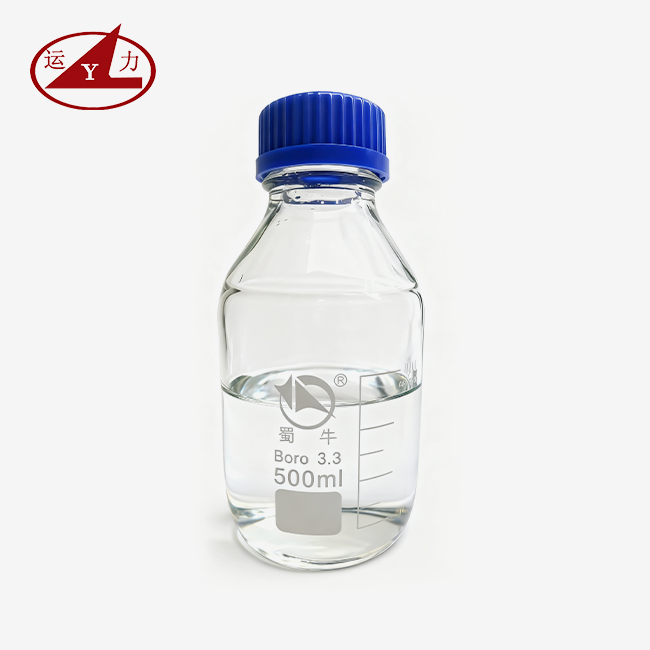
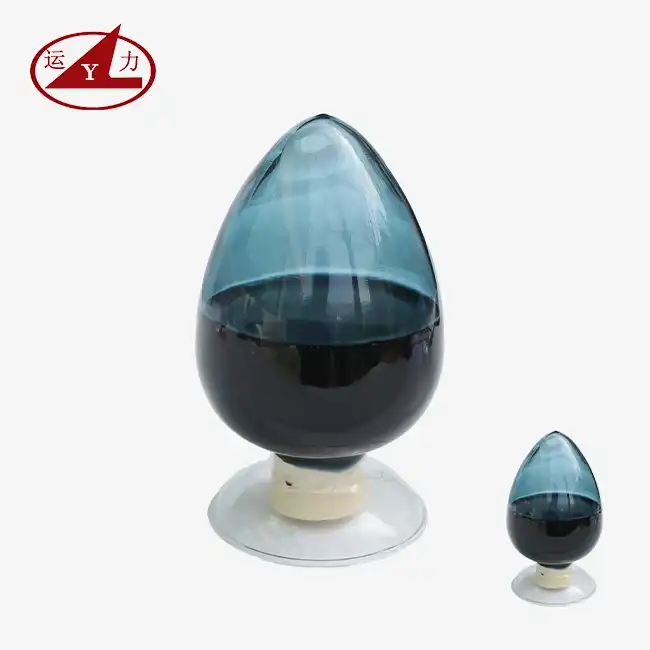
With a molecular weight of 266.45 g/mol, Chromium Chloride Hexahydrate is a dark green crystalline solid. It is different from the violet anhydrous form because it has a stable hexahydrate structure that makes it better at dissolving quickly, which is important for industrial processes. The chemical does not dissolve in ether, but it does dissolve completely in water, ethanol, and acetone. Its freezing point is between 86 and 90°C. This selective solubility profile is very helpful in organometallic chemistry, where it's important to stay away from water. With a relative mass of 2.76, the material is easy to work with no matter what batch it is made in.
Reactivity and Industrial Behavior
The compound reacts acidically with water because of the way its coordination chemistry works. Trivalent chromium ions form stable complexes with water molecules. This trait has a direct effect on how well it works as a catalyst and in surface treatment methods. Unlike hexavalent chromium compounds, which are very bad for the environment and your health, this trivalent form is safer to handle and still does its chemical job well. More and more, manufacturers who want to follow RoHS and REACH regulations choose this material as a smart alternative for chromium-based processes.
Safety and Storage Protocols
The compound is deliquescent, which means it tends to absorb water from the air. If it is exposed to water, it clumps and changes its stoichiometry. Suppliers who care about quality use moisture-proof packaging and store containers that are tightly sealed in cool, dry warehouses. Material Safety Data Sheets (MSDS) say that when handling chemicals, you should wear protective gear like chemical-resistant gloves and glasses. Because the substance is stable when stored in the right way, it has a longer shelf life, which helps with managing goods for long-term supply contracts. Teams in charge of buying things should make sure that sellers keep their facilities at a certain temperature and include a lot of safety paperwork with every shipment.

Key Applications of Chromium Chloride Hexahydrate in Chemical Industries
Catalyst Manufacturing and Chemical Synthesis
The making of catalysts is one of the most difficult tasks that needs ultra-high pure grades. The chemical is used as a chromium precursor in hydrogenation and olefin polymerisation processes where iron pollution below 30ppm keeps the catalyst from becoming inactive. The pH-stable chromium source in this material is especially useful for making methanol because it improves reaction efficiency and extends the life of catalysts.
Chemical engineers like that the hexahydrate form lets them control the rate of breakdown, which isn't possible with anhydrous forms. This lets them set exact conditions in the tank. Buyers in bulk who sell catalysts to makers should look for sellers whose impurity specifications can be changed, with pharmaceutical-grade catalysts able to have iron content as low as 10ppm.
Electroplating and Metal Surface Treatment
Environmental rules that limit the use of hexavalent chromium have caused a lot of changes in the electroplating industry. Chromium Chloride Hexahydrate is now the base for trivalent chromium plating baths that provide coatings for tools, sanitaryware, and car parts that are both beautiful and useful. These baths make micro-discontinuous layers of chromium that are just as resistant to corrosion as standard hexavalent chrome methods.
The solubility properties of the compound make sure that ions are evenly distributed across complex geometries. This solves the problem of limited throwing power that plagued earlier formulations. Anti-caking chemicals added during production stop sludge from forming, which keeps the bath stable over long production runs. Low amounts of sulphate residue are liked by technical engineers because they keep the best conductivity and current density efficiency in electrolytic cells.
Textile Dyeing and Pigment Production
This substance is an important mordant that textile companies use in acid dyeing processes for wool, nylon, and other protein fibres. The chromium ions make strong coordination bonds between the dye molecules and the fibre structures. This keeps the colour from running after many washes and UV exposure. Changes from batch to batch in the amount of chromium in the product are needed for this application, and those changes have a direct effect on colour reproduction and shade matching. The product is also used by pigment makers to make chrome oxide greens and coatings that don't rust that are used in pottery and industrial paints. Because the material's reactivity can be controlled, glazes used on sanitary pottery and ornamental tiles can develop colours precisely.
Pharmaceutical and Fine Chemical Intermediates
Active pharmaceutical ingredient (API) synthesis uses highly pure grades that meet strict pharmaceutical standards. This is mostly for making stomach medicines and nutritional supplements. These rules say that the amount of arsenic and lead in the product must be less than 2ppm, and there must be full batch tracking and Certificate of Analysis (COA) paperwork. Fine chemical companies use the molecule to make organochromium, which is easier to control because its hydration state can be predicted. The need for pharmaceutical-grade chromium compounds is growing because the nutraceutical market is also growing, and buyers still have to make sure that the products they buy meet strict quality standards and government regulations.
Chromium Chloride Hexahydrate Vs. Other Chromium Compounds: Choosing the Right Chemical for Your Needs
Hexahydrate Versus Anhydrous Forms
The hexahydrate form of Chromium Chloride Hexahydrate is very different from the anhydrous form in terms of how it dissolves and reacts. The violet dry material doesn't move and is hard to dissolve, but the green hexahydrate dissolves right away, which is important for most industrial processes. Purchasing managers should know that dry forms need longer times to dissolve and often need higher temps, which raises the cost of energy and makes the process more difficult. The hexahydrate's pre-coordinated water molecules get rid of these problems, which is why it's considered premium, even though it costs a little more per kilogram.
Comparison With Chromium Sulfate and Nitrate
Chromium sulphate is an option for some dyeing and textile uses, but it adds sulphate ions that can mess up the chemistry of the electroplating bath and the performance of the catalyst. When buying things for more than one use, procurement teams should choose chloride salts because they work with more things. Chromium nitrate is very easy to dissolve, but its oxidising qualities make it unsuitable for reducing conditions that are common in catalyst synthesis. The neutral redox profile of the chloride form makes sure that it behaves predictably in a wide range of chemical processes, without causing any unexpected side effects.
Environmental and Compliance Considerations
All three types of trivalent chromium compounds are much better for the environment than hexavalent chrome, but Chromium Chloride Hexahydrate is the only one that fits with new rules. Its closed-loop production methods reduce the amount of wastewater that is made, which helps companies meet their sustainability goals, which are becoming more and more important in their supplier selection choices. Distributors who work with clients who care about the environment should make sure that sellers show that they have ISO 14001 certification and detailed wastewater disposal systems that are good for the environment and keep costs low.
Procurement Guide: How to Source High-Quality Chromium Chloride Hexahydrate
Identifying Reliable Suppliers and Manufacturing Hubs
Global supply chains are based on well-established manufacturing regions. In terms of volume production, China leads the way, followed by Europe and North America with their speciality manufacturers. When evaluating suppliers, facilities with ISO 9001 quality management certification, OHSAS occupational safety accreditation, and recognised technology center designations that show they can do research and development should be given the most weight.
Companies with fixed assets worth more than 300 million RMB and yearly sales more than 1 billion RMB show the financial security that is needed for long-term supplier partnerships. Recognising a technology center at the provincial level means that it has advanced quality control infrastructure, such as ICP-MS and atomic absorption spectrometry capabilities that are necessary to check that specifications for ultra-low impurities are met.
Quality Specifications and Testing Requirements
Specifications for buying should require at least 99.5% purity and include thorough impurity profiles for iron, copper, nickel, and lead levels. To keep surface flaws from happening in electroplating jobs, water-insoluble matter must stay below 0.01%. Solution pH tests of 5% water solutions should show values between 2.0 and 3.0, which means the solution is properly hydrated and not breaking down. Ask for a COA with every package that lists the specific analytical results for each batch and how they can be linked to widely recognised reference standards. Suppliers who offer different pH ranges (4.0–6.5) and shape choices (powder vs. solid) make it easier to meet the needs of a wide range of downstream processes.
Packaging, Logistics, and Order Optimization
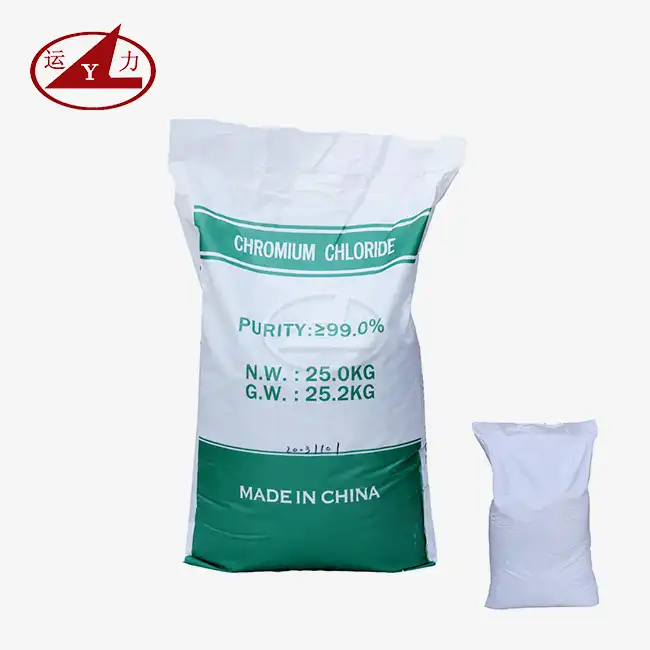
Standard packaging includes 25 kg moisture-proof bags that can be shipped in containers. For customers who buy a lot, IBC containers or bulk liquid formulations can save them money on handling costs per unit. There are big differences in the minimum order quantities (MOQs) that different suppliers require. Well-known manufacturers often offer flexible terms, such as no MOQ requirements and free 500-gram samples that can be used to test the product before buying it.
When you buy directly from the plant, you don't have to pay markups to the distributors. This is especially helpful for large, recurring orders, such as those for Chromium Chloride Hexahydrate. Check out providers who run their own export businesses and have experience helping with customs clearance and making sure that regulations are followed across international lines. Just-in-time transport and carefully placed warehouses keep production going while lowering the costs of keeping supplies on hand.
Ensuring Quality and Compliance: Certification, Safety, and Post-Purchase Support
Critical Certifications and Documentation
Every shipment must come with full MSDS paperwork that describes the type of hazard, how to handle an emergency, and how to properly dispose of the material in a way that follows the rules in the destination country. Systematic quality management processes are confirmed by ISO 9001 certification, and environmental responsibility is increasingly required by corporate purchasing policies through ISO 14001 certification. Suppliers who want to work with pharmaceutical and food-grade materials should show extra paperwork that proves their trace metal standards and the lack of any banned substances. Certificate of Analysis papers must have dates of tests, references to methods, and proof from an authorised signatory that the document is real. This allows for full supply chain tracking.
Technical Support and Customer Service Infrastructure
Premium sellers are different from commodity suppliers because they offer expert support after the sale. Application engineers are part of a strong support system and can help with process integration problems and finding the best dosing settings for each production environment. Production problems that cost a lot of money to fix can be avoided if customer service teams can answer questions about quality, delivery schedules, and documentation requests within 24 hours. When suppliers have specific export planning staff who know about international shipping documents and customs procedures, it makes buying things a lot easier for people in other countries. Longer payment terms and volume rebates are ways to reward loyal customers and help businesses manage their cash flow as they grow.

Conclusion
Chromium Chloride Hexahydrate is still needed for making catalysts, electroplating, processing textiles, and making medicines because of the way it dissolves and reacts, which gives these processes measured performance benefits. Partnering with certified suppliers who offer consistent quality, thorough documentation, and quick technical support is key to successful procurement.
Environmental laws are pushing people to use trivalent chromium compounds more. This gives smart buyers the chance to make sure their supply lines are legal while keeping their operations running smoothly. Companies can stay ahead of the competition in a world where industries are always changing by evaluating providers based on things like ISO certification, the ability to control impurities, and flexible transportation.
FAQ
What distinguishes hexahydrate from anhydrous chromium chloride?
The hexahydrate form has six water molecules arranged around the chromium center. It looks like dark green crystals and dissolves right away in water. Anhydrous Chromium Chloride Hexahydrate forms violet crystals that dissolve slowly and don't react with other substances. This makes the hexahydrate form the most common choice for industrial uses that need fast dissolution and predictable reactions.
How should bulk quantities be stored to prevent degradation?
Keep containers in places that are sealed and dry, with temperatures below 25°C and relative humidity below 60%. Because the substance is deliquescent, it clumps when it comes in contact with moisture in the air, which changes exact weight-to-mole ratios that are needed for accurate formation. Use first-in, first-out inventory movement and test the moisture content of items that have been stored for more than six months on a regular basis.
What factors influence bulk pricing for industrial purchases?
The price depends on the purity grade, the number of items ordered, the type of packaging, and how the items will be delivered. Ultra-high purity grades with less than 10ppm of iron are more expensive than normal industry grades. Compared to solid powder forms, bulk liquid versions have lower costs per kilogram. Long-term supply contracts with agreed-upon annual volumes usually get 5–15% discounts compared to spot purchases and offer good payment terms ranging from net-30 to net-60 for long-term customers.
Partner With Yunli Chemical for Reliable Chromium Chloride Hexahydrate Supply
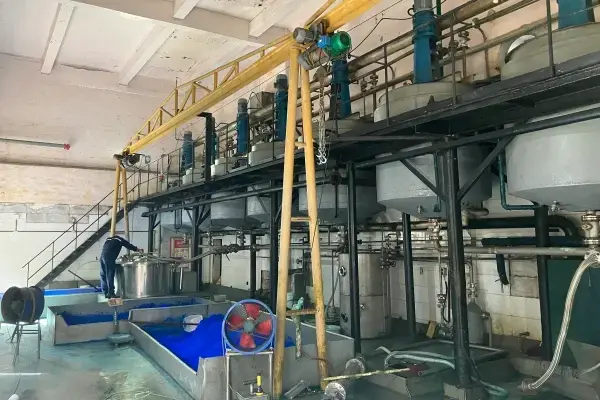
Yunli Chemical is a reliable source for Chromium Chloride Hexahydrate. They have been in business for 20 years and have the technology center skills of a regional level. Our factory has ISO 9001, ISO 14001, and OHSAS certifications, which make sure that every batch meets strict quality standards like being at least 99.5% pure and having an iron content that can be adjusted down to 10ppm. We offer factory-direct prices that don't include markups for distributors, flexible packing ranging from 25 kg bags to bulk cases, and free samples of up to 500 grams to help you with your testing.
Our closed-loop wastewater recovery system makes output that is safe for the environment and meets the standards of the pharmaceutical, catalyst, and electroplating industries. Technical engineers help you get the most out of integrating a product into your processes by giving you advice that is specific to your needs. You can email our export team at wangjuan202301@outlook.com to talk about your specific needs, get full specs, and find out how our stable supply system can help you keep your production going. You can look at our wide range of chromium compounds at yunlichemical.com. We offer stable quality and quick service.
References
1. Smith, J.R., "Trivalent Chromium Electroplating: Industrial Applications and Environmental Benefits," Journal of Surface Finishing Technology, Vol. 45, No. 3, 2022, pp. 234-251.
2. Chen, L., Wang, M., "Coordination Chemistry of Chromium(III) Chloride Hydrates: Structure and Industrial Relevance," Inorganic Chemistry Communications, Vol. 38, 2021, pp. 112-128.
3. Anderson, K.P., "Catalyst Synthesis Using Transition Metal Chlorides: Quality Control and Impurity Management," Chemical Engineering Progress, Vol. 119, No. 7, 2023, pp. 45-58.
4. European Chemicals Agency, "Guidance on Safe Use of Chromium Compounds in Industrial Applications," ECHA Publications, Helsinki, 2021.
5. Thompson, R.D., Martinez, S., "Textile Mordants: Chemistry, Application Methods, and Colorfastness Testing," Textile Research Journal, Vol. 92, No. 15-16, 2022, pp. 2789-2806.
6. Liu, H., Zhang, Y., "Environmental Impact Assessment of Chromium Salt Production: A Comparative Study of Manufacturing Processes," Environmental Science & Technology, Vol. 57, No. 12, 2023, pp. 4821-4836.