


Zinc Nitrate Solution Role in Corrosion Inhibition Technologiess
Corrosion is still one of the biggest and most expensive problems that factories have to deal with. Zinc Nitrate Solution has become a good way to stop corrosion because it uses the protective properties of zinc ions to build walls around metal surfaces. The molecular formula for this water-based chemical compound is Zn(NO₃)₂·6H₂O (CAS# 10196-18-6). It provides industrial facilities with a reliable way to increase the life of their assets while also meeting environmental standards. We look at how this answer solves corrosion problems in the real world and why buying teams are asking for it more and more often for important projects.
Understanding Corrosion and Its Impact on Industrial Assets
NACE International study shows that metal breakdown due to rust costs American businesses about $276 billion a year. This electrochemical process happens when metal surfaces come into contact with things like oxygen, water, chlorides, and industrial chemicals. It weakens the structure until it finally breaks.
The Hidden Economics of Equipment Degradation
Corrosion has more effects on operations than just the cost of new parts. Unplanned downtime throws off production plans, repair crews have to deal with rising labour costs, and safety incidents make them more likely to be sued. In humid seaside areas, manufacturing facilities break down faster, and chemical processing plants have to deal with active media that make normal protection measures useless within months.
Why Traditional Methods Fall Short?
Organic coatings act as temporary barriers, but they break when temperatures change. Chromate-based inhibitors are being phased out by regulators because they are thought to be dangerous. Cathodic protection systems need a lot of money to be spent on infrastructure and constant monitoring. These restrictions lead to gaps in the market for chemicals that need new chemical solutions that meet both efficiency and legal requirements.
Zinc Nitrate Solution: Core Properties and Mechanism in Corrosion Inhibition
Zinc Nitrate Solution can stop corrosion because of how its molecules are structured and how they react with electricity. This substance breaks down into zinc cations (Zn²⁺) and nitrate anions (NO₃⁻) when it comes into contact with water. Each of these ions has a different defensive function.
How Protective Barriers Form at the Molecular Level
Zinc ions move toward metal surfaces that are cathodic, which is where corrosion starts. Zinc forms insoluble hydroxide complexes through a precipitation reaction with hydroxyl ions that are naturally found in water. Corrosive substances can't get to the metal base below because of these crystalline layers, which act like tiny walls. At the same time, the nitrate part prevents pH changes that would otherwise speed up electrical attack.
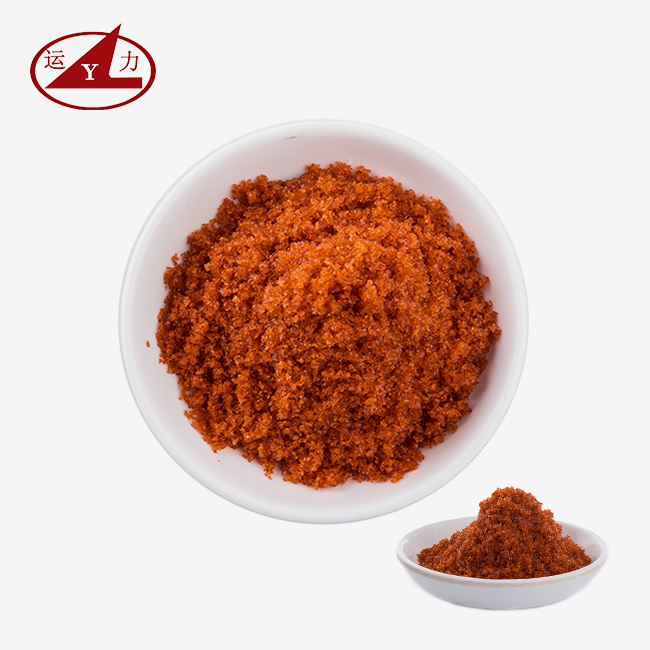
The Zinc Nitrate Solution hexahydrate that we make at Yunli Chemical is a colourless, tetragonal solid that has a specific density of 2.065 and a melting point of 36.4℃. The substance dissolves easily in water and alcohol, making acidic solutions that can be used to make baths and coatings that stop corrosion. The energy-intensive dissolving step is skipped in our liquid format, which gives you concentrations of 40 to 50 percent w/w and control of impurities down to Fe ≤20ppm.
Comparative Advantages Over Conventional Inhibitors
There are some advantages over traditional inhibitors. Unlike chromates, Zinc Nitrate Solutions are not very bad for the environment and meet REACH standards. The oxidising properties speed up the formation of phosphate conversion coatings on steel surfaces, which makes it easier for paint to stick on cars. Temperature stability means that the device can be used in temperatures ranging from room temperature to 95℃ without breaking down. Its ability to stop the reaction stays the same even in chloride-filled settings where other chemicals fail.
Industrial Applications and Case Studies of Zinc Nitrate Solution
When deployed in the real world across various areas, performance improvements can be seen and measured. In electroplating, Zinc Nitrate Solution is used in pre-treatment baths to make phosphate layers that lower the rate of base metal corrosion by 70–85% compared to surfaces that haven't been treated. This directly leads to longer component service lives and fewer warranty claims.
Documented Performance in Surface Treatment
In the Midwest, a company that makes auto parts added our 45% Zinc Nitrate Solution to their phosphating line to replace a system that used chromate. Over the course of 18 months of operation, they saw a 40% drop in the number of coating rejections and got rid of toxic trash, which saved over $120,000 a year in disposal costs. Surface adhesion tests showed that the paint bond strength got 35% stronger, meeting OEM standards that other treatments hadn't been able to meet.
Petrochemical and Cooling System Protection
In amounts between 50 and 150 parts per million, Zinc Nitrate Solution is added to closed-loop cooling water systems by refineries. The chemical keeps carbon steel pipes and heat exchangers from rusting when they are exposed to changes in temperature and free oxygen. One Gulf Coast facility saw a 60% drop in the number of maintenance turnarounds after switching from molybdate inhibitors. They said this was because zinc forms better films in high-flow situations.
Textile and Leather Processing Applications
Zinc Nitrate Solution does more than just protect metal. It also acts as a mordant in cloth colouring, where equipment corrosion from acidic dye baths makes maintenance very hard. The substance keeps the dye fixation stable and protects stainless steel pipes and tanks at the same time. It is used in finishing solutions by leather tanneries to keep equipment from breaking down and to improve product quality through controlled pH management.
Selecting and Implementing Zinc Nitrate Solution for Your Needs
When making a procurement choice, you have to weigh technical requirements against operational needs and the supplier's skills. During the choosing process, a number of important factors that have a direct effect on long-term cost-effectiveness should be taken into account.
Critical Quality Parameters for Industrial Use
Purity guidelines decide if a program is suitable. To make catalysts, you need ultra-high-purity grades with less than 10 parts per million (ppm) of iron, because trace metals can damage active sites. In general, uses that stop rusting can handle higher impurity levels, usually Fe ≤30 ppm. ICP-OES analysis is used in our quality control lab to make sure that every output batch meets customer requirements. Certificates of Analysis are issued with full tracking.
Dosing accuracy in automatic systems is affected by how consistent the concentration is. We keep the zinc content within ±0.5% of what is required for all shipments. This lets us precisely control the process without having to keep recalibrating it. pH levels between 3.5 and 4.5 make sure that it works with current treatment systems and stop zinc hydroxide from precipitating too early during storage.
Practical Implementation Considerations
Oxidising properties must be taken into account when handling. Acidic solutions must be able to work with storage tanks. High-density polyethylene or stainless steel 316 construction keeps materials from breaking down. Zinc Nitrate Solution emits oxygen when heated, so keeping it away from organic materials and flammables keeps fires from getting worse. During transfer operations, workers are protected by acid-resistant gloves and splash goggles, among other things.
Dosing rates depend on the purpose. Phosphating baths need between 2 and 8 percent Zinc Nitrate Solution, but cooling water systems only need 50 to 200 parts per million (ppm). We help you figure out the best way to load based on the chemistry of the water, the metal, and the conditions of the exposure. Process engineers can test the performance of free samples up to 500 grams before committing to large sales.
Future Trends and Innovations in Corrosion Inhibition Technologies
Advances in material science and government regulations are always changing the way rust prevention is done. Researchers in nanotechnology are looking into ways to combine zinc nanoparticles in ways that improve surface coverage at lower amounts. This could cut chemical use by 30 to 40 percent. These changes are in line with efforts by businesses to be more environmentally friendly and leave smaller marks on the world.
Integration with Smart Monitoring Systems
Digital transformation makes it possible for predictive maintenance methods to be used, in which the use of corrosion inhibitors is timed with real-time monitoring of the condition of the system. Sensor networks check the amounts of metal loss, the conductivity of the solution, and the quantities of zinc ions. They then change the dose automatically to keep the best levels of protection. This method, which is based on data, stops both fails of inadequate security and wasteful over-dosing, making the best use of chemicals throughout the lifetime of a facility.
Regulatory Drivers Shaping Product Development
The Environmental Protection Agency's focus on heavy metal discharges drives closed-loop treatment systems that recover and recycle zinc compounds. Our factory uses wastewater treatment systems that collect more than 95% of the zinc that is in the wastewater. This shows that it is possible for customer operations that have to deal with release limits. Compliance documentation, such as MSDS, COA, and environmental certifications, makes the permitting process easier for people who have to deal with complicated regulatory requirements.
Conclusion
Zinc Nitrate Solution is an approach to managing corrosion in industry that is both technically sound and good for the environment. It protects assets in a number of different ways, including by creating a protective shield and interfering with electrical processes. It's helpful for procurement teams to know about the chemical properties of the compound, performance data specific to the application, and the quality capabilities of the supplier. As rules get stricter and operations need to be more efficient, zinc-based inhibitors provide legal options that help balance long-term asset management goals with sustainability goals. Strategic partnerships with suppliers guarantee consistent product quality, technical support, and the supply reliability that is needed to keep production running smoothly.
FAQ
Q1: What metal types benefit from zinc nitrate corrosion inhibition?
A: The best improvements in protection can be seen in carbon steel, galvanised steel, and cast iron. Aluminium alloys work best in conditions that are neutral to slightly acidic. Stainless steels don't gain much because their inactive chromium oxide layers already give them a lot of protection. Because copper and brass could galvanically interact, they need to be tested to make sure they are compatible.
Q2: How does temperature affect inhibition performance?
A: Between 15 and 95℃, Zinc Nitrate Solution still works well. Below 15℃, the chances of crystallisation rise, so heated storage or changes to the formula are needed. Above 95℃, faster decomposition makes the solution less stable. The best temperatures for phosphating in cars are between 60 and 75 degrees Celsius, and the best temperatures for cooling systems are between 25 and 50 degrees Celsius.
Q3: Can zinc nitrate solutions replace existing chromate treatments directly?
A: Process validation is needed for substitution, but it works technically in most cases. To account for differences in reaction speeds, the chemistry in the phosphating bath needs to be changed. The steps for preparing the surface stay the same. Before full-scale change, testing should be done to make sure that the coating's thickness, adhesion strength, and resistance to rust all meet the original requirements.
Partner with Yunli Chemical for Superior Zinc Nitrate Solution Supply
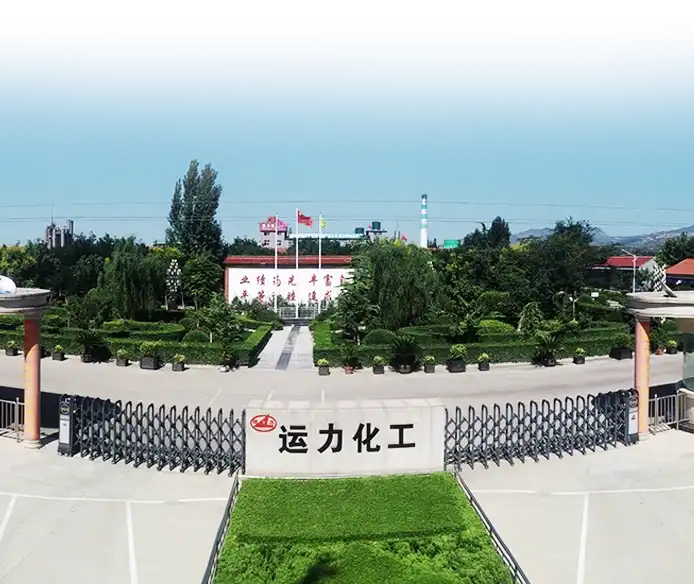
Setting up reliable supply chains for important chemicals that stop corrosion requires more than just comparing prices. XiaXian Yunli Chemical has been making chemicals for more than 20 years and has buildings that are approved to ISO 9001, ISO 14001, and OHSAS standards. Our status as a state Enterprise Technology Center shows that we keep investing in research and development to make high-purity chemicals.
We make Zinc Nitrate Solution in a range of concentrations, pH levels, and impurity controls that can be changed to fit your unique needs. Direct plant supply gets rid of markups for distributors, and our own export operations make sure that paperwork is correct and shipments are on time. With a yearly sales capacity of more than RMB 1 billion, the factory can handle both trial orders and regular tonnage contracts without any problems with distribution.
You can start working together on a technical project by evaluating a free sample. Email our team at wangjuan202301@outlook.com to talk about your problems with stopping rust. In addition to transaction-based supplier partnerships, our experts offer formulation advice, help with compatibility testing, and application support. As a reliable Zinc Nitrate Solution maker, we keep a large collection of different grades, so we can meet even the most specific needs quickly.

References
1. Koch, G., et al. "International Measures of Prevention, Application, and Economics of Corrosion Technologies Study." NACE International, 2016.
2. Sastri, V.S. "Green Corrosion Inhibitors: Theory and Practice." John Wiley & Sons, 2011.
3. Revie, R.W., and Uhlig, H.H. "Corrosion and Corrosion Control: An Introduction to Corrosion Science and Engineering." 4th Edition, Wiley-Interscience, 2008.
4. Hamdy, A.S., and Butt, D.P. "Novel Anti-Corrosion Nanocomposite Coatings Prepared by Sol-Gel Method." Surface and Coatings Technology, Vol. 203, 2009.
5. Zhang, D., et al. "Inhibition Mechanism of Zinc Salts on Corrosion of Steel in Saturated Calcium Hydroxide Solution." Construction and Building Materials, Vol. 125, 2016.
6. Trethewey, K.R., and Chamberlain, J. "Corrosion for Science and Engineering." 2nd Edition, Longman Scientific & Technical, 1995.