


How to Evaluate Ferric Nitrate Solution Quality?
Evaluating Ferric Nitrate Solution quality requires careful examination of iron content concentration, impurity levels, pH stability, and solution clarity. Procurement teams must verify these parameters through laboratory analysis and supplier documentation to ensure the product meets technical specifications for catalyst manufacturing, water treatment, or metal etching.
A reliable solution exhibits consistent concentration (typically 40-50%), minimal heavy metal contamination (≤5ppm), and controlled free acid content that prevents premature hydrolysis while maintaining oxidizing potential. Understanding these benchmarks helps buyers select materials that deliver predictable performance and regulatory compliance.

Introduction
Ferric Nitrate Solutions are important chemicals that are used in many industries, such as making catalysts, managing wastewater, and doing precise etching. More and more, procurement managers have to find materials that meet the needs of scientific performance, cost-effectiveness, and supply dependability. Quality evaluation is no longer just a checkbox exercise; it becomes a strategic skill that has a direct effect on production outputs, equipment longevity, and environmental compliance.
Technical buyers, purchasing directors, and process engineers can use the frameworks in this guide to systematically evaluate the quality of ferric nitrate. We talk about the molecular features that determine the integrity of a product, the testing methods that find hidden flaws, and the supplier verification procedures that lower supply chain risks.
Whether they are looking for etching baths for semiconductors or odor-control systems for cities, readers will learn useful things that they can use to improve their buying criteria and feel more confident when negotiating. The data shown comes from twenty years of experience in nitrate chemistry, making sure that the level of detail used in the analysis matches the needs of real-world industries.
Understanding Ferric Nitrate Solution Quality
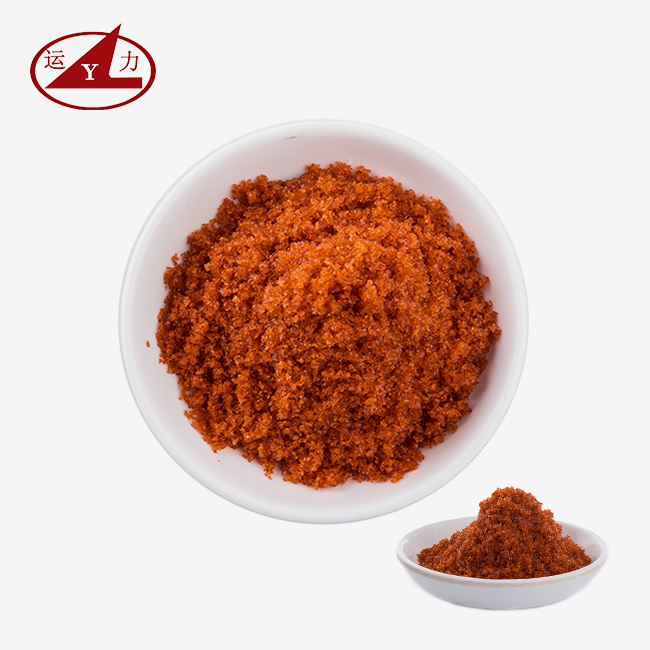
The quality of Ferric Nitrate Solutions is shown by how well their chemical and physical properties work together. The main part of the result is iron(III) nitrate (Fe(NO3)3) that has been dissolved in deionized water. It is often stabilized with small amounts of nitric acid to stop precipitation caused by hydrolysis. The nonahydrate solid form is represented by the chemical formula Fe(NO3)3·9H2O (CAS# 7782-61-8), but liquid forms are more common in industry because they are easier to handle and can be measured directly.
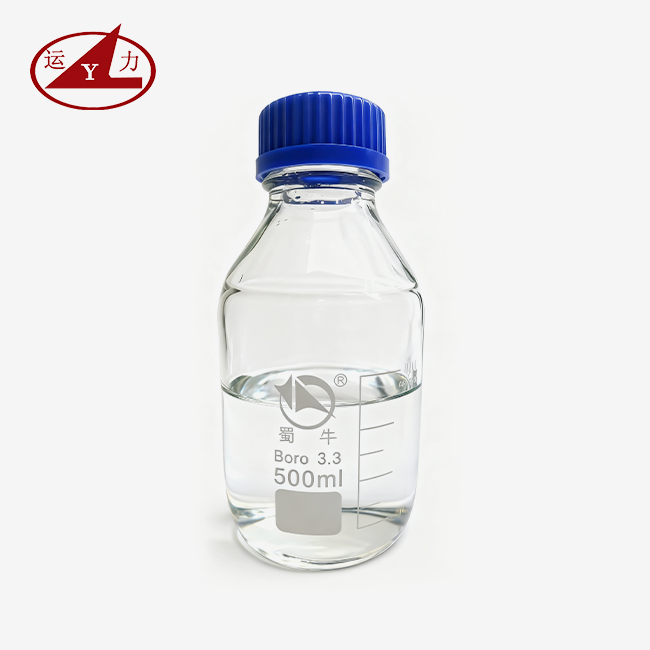
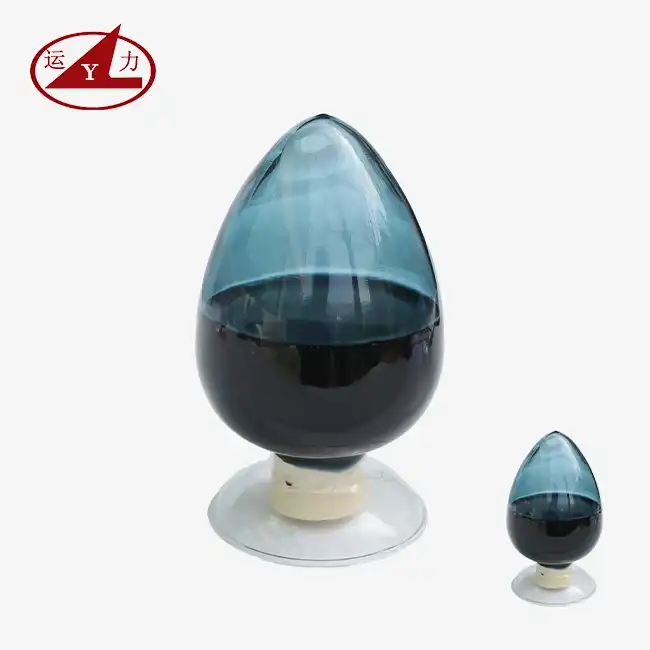
How well the solution works in important processes depends on how pure the chemicals are. A lot of iron makes sure that oxidation processes work well in etching, and low impurity profiles keep catalysts from getting poisoned in hydrogenation systems. Stability is how resistant the solution is to breaking down. Premium grades keep the same concentration for months without forming iron hydroxide precipitates or nitrous oxides. During receiving checks, physical traits like specific gravity (1.25–1.45 g/cm³), appearance (clear reddish-brown to purple), and pH (3.0–3.5) are quick ways to tell if something is of good quality.
The biggest threat to product integrity is contamination. Even at 50ppm levels, chlorine ions cause localized rusting in stainless steel equipment and make it harder to etch silver surfaces evenly. When heavy metals like lead or zinc are used in electroplating lines, they cause galvanic problems. Due to its strong oxidizing nature, organic contaminants can start very powerful oxidation processes. These risks can be found before materials are used in production, thanks to proper evaluation methods that protect both process quality and worker safety.
Key Evaluation Criteria for Ferric Nitrate Solution Quality
Purity Grades and Specifications
Industrial-grade Ferric Nitrate Solutions usually have between 6.5% and 10.5% iron by weight. They can be used to treat water and make bulk catalysts when cost is more important than trace contamination. To protect critical chip processes, electronic-grade materials raise the purity standards so that heavy metals and sodium are kept below 5ppm and 50ppm, respectively. For pharmaceutical synthesis, arsenic and lead limits are even tighter, and vendors are often only allowed to work with companies that have certificates of analysis that are special to each batch.
Knowing how much flaws your application can handle will help you avoid getting too many high-end grades and having to pay a lot of money to fix problems caused by low-quality materials. A company that makes catalysts for copper-based systems might be okay with 100ppm sodium but need very little chloride, while a company that works with wastewater cares more about iron concentration than trace metal content. When you match the specification to the need, you can save money on procurement without sacrificing results.

Analytical Testing Methods
Redox titration is still the best way to check the iron level because it can be accurate to within 0.5%. Laboratories add extra potassium dichromate to get rid of ferrous impurities, and then they use uniform solutions to measure the amount of total iron. Ion chromatography can find chloride, sulfate, and nitrate species with a sensitivity of less than ppm, which is very important for figuring out the risk of corrosion. Inductively coupled plasma optical emission spectroscopy (ICP-OES) creates detailed maps of purity by measuring metallic contaminants across 20 or more elements at the same time.
Buyers should ask for test reports that are no more than three months old and make sure that the data in them shows the quality of the most recent production batches. Check the values that were reported against the MSDS and international standards such as ISO 9001 documentation. Discrepancies can mean either inconsistent testing or a drop in quality, both of which require more in-depth supplier checks before big orders are placed.
Packaging and Storage Standards
Because liquid ferric nitrate is flammable and melts easily, it needs to be kept in a special container. Acidic corrosion can damage steel barrels that aren't sealed with high-density polyethylene (HDPE) or cross-linked polyethylene (XLPE) drums. Intermediate bulk bins (IBC) with a 1000L capacity are good for users who need to move a medium amount of goods, while special tanker trucks are better for businesses that need to move many tons of goods every month. For transportation purposes, all packaging must have the right placards and show the right UN hazard classifications (Class 5.1 oxidizer or Class 8 corrosive).
Protocols for storage keep products stable. Temperatures between 5°C and 25°C stop crystals caused by concentration without speeding up the breakdown of nitrate. Opaque containers stop UV light, which breaks down chemicals over long periods of time. When oxidizers and reducers are kept away from organic solvents, reducing agents, and flammable materials, the explosion risks that come with their contact are eliminated. By following these rules, the shelf life can be extended beyond 12 months while still meeting the requirements for iron content.
Comparing Ferric Nitrate Solution with Alternative Compounds
Because it is cheaper, ferric chloride is the most popular metal etching chemical. However, it leaves chloride residues that damage equipment and make surface finishes less good. Ferric Nitrate Solutions make cutting cleaner with less smut formation. This is especially helpful when making precision electronics and jewelry, where cleaning after the process costs a lot of money. Because it doesn't contain any halide ions, it's better for uses that need noble metal catalysts that get poisoned by chloride.
It is easier for ferrous nitrate to dissolve, but it doesn't have the oxidizing power needed for fast etching or sulfide oxidation. Its tendency to change into ferric forms when exposed to air makes concentrations unstable, which makes dosing more difficult to get right. Nitric acid solutions oxidize quickly but attack base metals without preference. Ferric nitrate, on the other hand, selectively reacts with metals and allows for better process control.
Supplier approval has the same effect on the stability of a compound as its own chemistry. Manufacturers with ISO 14001 environmental certification show that they know how to handle toxic garbage properly, which lowers the chance of batches being affected. Facilities that are OHSAS-certified follow strict handling rules that keep cross-contamination to a minimum while production is going on. Supply chain transparency, shown by records of where raw materials came from and the history of each batch, lets problems with quality be fixed quickly and completely, saving buyers from having to wait for production to resume.
Procurement Considerations for High-Quality Ferric Nitrate Solution
Supplier Selection and Certification
Working with companies that have been named regional or national technology centers shows that they have strong research and development (R&D) and quality control systems in place. The fact that Yunli Chemical is now a Shanxi Provincial Enterprise Technology Center shows that they have been improving their nitrate chemistry for 20 years with the help of high-tech instruments like ICP-MS and atomic absorption spectrometers. Ferric Nitrate Solution is one of the key products continuously refined through this advanced setup, and these analytical tools let you keep an eye on impurities in real time and make changes to the recipe that normal sources can't match.
Portfolios for certification are important. Documented quality management systems are used by ISO 9001 to show that processes are consistent. ISO 14001 is proof that you care about the environment, which is especially important because of the strict rules about wastewater that affect nitrate production. Combined certifications make it easier for buyers in controlled industries to do audits and give buyers a way to get back on track when specs go outside of what is allowed.
Pre-Purchase Testing and Sampling
By asking for 500-gram samples, companies can make sure they like the product before committing to bulk purchases. To find compatibility problems that lab reports might miss, test the sample in real-world process conditions like catalyst synthesis temperatures, wastewater pH ranges, or etching bath compositions. Compare important performance indicators, such as reaction rates, precipitate formation, and the purity of the final product, to materials that are already on the market. Measure any differences in performance that allow for price differences.
Certificates of Analysis (CoA), Safety Data Sheets (SDS), and manufacturing date codes should all be included with samples. Check that the sample batch fits the current production runs and isn't made from freshly made materials that don't reflect the normal quality. If the first results are close but not quite right, test more than one sample again. Variation from batch to batch often shows problems with the system's quality control.
Pricing Structures and Logistics
When buying in bulk, discounts of 10–15% are common for orders over 5 tons, but buyers must weigh the savings against the costs of keeping inventory and the product's shelf life. Setting up yearly supply deals with deliveries every three months keeps prices stable and makes sure that fresh products are always available. Make it clear who pays for the shipping costs. FOB shipping terms put the risk of handling dangerous materials on the buyers, while CIF terms keep the responsibility on the suppliers until the goods are delivered.
Rules about dangerous materials make operations more difficult. When compared to chemicals that aren't controlled, UN-approved packing, proper labeling, and trained workers raise the cost of shipping by 15 to 20 percent. When sending goods across international borders, you need to fill out a Dangerous Goods statement and follow the IMDG codes for sea freight or IATA standards for air transport. Yunli Chemical's straight factory-to-buyer model shows how working with suppliers to run your own export operations can cut out middlemen and speed up the customs paperwork.
Application-Specific Quality Requirements and Best Practices
Catalyst Manufacturing
Catalyst makers need very high purity to keep active sites from getting poisoned. Copper-based methanol synthesis catalysts are slowed down by 8–12% when there is sodium pollution above 50ppm. Accurately measuring the iron content to within 0.3% ensures consistent mixing during the precipitation and calcination steps. The pH range of 3.0 to 3.5 stops premature hydrolysis, which makes particles of different sizes, which has a direct effect on the catalyst's surface area and selectivity.
Handling procedures include adding slowly to alkaline precipitation baths to manage the release of exothermic heat and the rate at which particles form. Automated dosing systems keep feed rates steady in a way that human addition can't, which makes batch-to-batch catalyst performance better. Stainless steel 316L equipment with PTFE gaskets can handle long-term contact with the corrosive solution, but HDPE piping lasts longer for permanent installations.
Water Treatment and Odor Control
Ferric Nitrate Solutions are used by municipal wastewater plants to get rid of hydrogen sulfide in sewer networks and anaerobic digesters. Dosages of 50 to 200ppm are enough to turn sulfides into basic sulfur or sulfates, which stops the release of poisonous gasses and the corrosion of concrete. The nitrate part gives bacteria another way to accept electrons, which stops septic conditions that cause smells. Chemical oxidation works right away, while biological methods take days to weeks to change the population.
Trace purity is less important than iron concentration uniformity when it comes to quality standards. Changes bigger than 0.5% require dosing pumps to be recalculated all the time, which can lead to either not treating enough (bad smells) or treating too much (chemical waste). A free nitric acid content of 0.5 to 2 percent keeps the solution stable without overpowering the alkalinity buffers in wastewater. Operators should do titrations once a week to make sure that the amounts supplied match what the provider says they are, and then they should change the meters to match.
Metal Etching and Surface Treatment
For accurate etching of silver, copper metals, and printed circuit boards, formulas that don't contain chloride are needed to stop pitting and the buildup of residue. Chloride levels below 30ppm in electronic-grade Ferric Nitrate Solutions result in clean etch lines without the need for smut removal after the process. For best results, specific gravity readings (1.35–1.40 g/cm³) are used to plan when to make new etchant baths and refill old ones. This is because density directly affects etch rates and uniformity.
Keeping the temperature between 40°C and 50°C speeds up processes and stops thermal breakdown that creates nitrous oxides. Ventilation systems have to deal with acid fumes to keep workers safe and keep nearby equipment from rusting. To get rid of spent etchant, it needs to be neutralized and iron precipitated before it can be released. Supplier take-back programs are a good choice for facilities that don't have their own wastewater treatment facilities.
Conclusion
To judge the quality of Ferric Nitrate Solution, you need to be very technical and work closely with the supplier. The assessment is based on accurate iron content, impurity profiling, stability verification, and testing that is specific to the application. If buyers master these criteria, they can keep processes consistent, equipment lasting longer, and stay in line with regulations.
By choosing certified makers with clear quality systems, procurement can be turned from a transactional activity to a strategic benefit. The frameworks shown here give teams the tools they need to clearly define objectives, confidently understand analytical data, and negotiate from a position of technical strength. In the end, quality evaluation protects production flow and lowers the total cost of ownership for operations like making catalysts, treating trash, and finishing metal.
FAQ
How can I verify the iron content accuracy in delivered batches?
Ask for Certificates of Analysis that show the results of the redox titration to be sent with every package. Standardized potassium permanganate titration methods should be used for regular in-house checks. When you compare specific gravity measurements to what the supplier says about the concentration, you can get quick confirmation. Deviations of more than 0.02 g/cm³ require a full laboratory analysis.
What safety precautions are necessary when handling ferric nitrate solutions?
Wear gloves, face masks, and protection aprons that are resistant to acid during transfers to keep your skin from coming into touch with the acid, which can irritate it. Keep it away from organic acids and reducing agents to keep it from starting a fire. As required by OSHA, keep ventilation systems in good shape to get rid of acid vapors and put emergency eyewash stations every 10 meters away from work areas where acid is being handled.
Can ferric nitrate solutions be stored long-term without quality degradation?
When kept at 5–25°C in clear HDPE containers, solutions stay stable for 12–24 months. Don't let the temperature change in ways that encourage crystallization or speed up decay. Check the look once a month—cloudiness or sediment formation means hydrolysis, which needs a pH adjustment or replacement. If you seal it right, the water won't evaporate, which would concentrate the free acid too much.
Why Choose Yunli Chemical as Your Ferric Nitrate Solution Supplier
Yunli Chemical brings 20 years of specialized experience in nitrate chemistry straight to your buying plan. Our Ferric Nitrate Solution liquid has an impurity control level that is the best in the business, with iron levels below 30ppm, sodium levels below 50ppm, and heavy metals levels below 5ppm. These specs meet the needs for making catalysts, treating water, and precise etching without the batch-to-batch variations that throw off production plans.
We keep up a level of quality in our infrastructure that mid-tier suppliers can't match as a Shanxi Provincial Enterprise Technology Center with ISO 9001, ISO 14001, and OHSAS certifications. Modern ICP-MS and atomic absorption spectrometers let you keep an eye on more than 20 trace elements in real time, spotting changes before they get to your site. Our factory-direct plan gets rid of markups for distributors and makes sure that you can track your order from the time you get the raw materials to the time you ship them in HDPE drums, IBC tanks, or bulk trucks.
If you have annual sales of more than RMB 1 billion and fixed assets worth RMB 300 million, that means you are financially stable, which protects your supply chain. We offer personalized concentrations, flexible packing, and free 500-gram samples to make sure they fit before you commit. We make it easier to buy things for both short-term and long-term contracts by not having a minimum order size and letting you ship them yourself. You can email wangjuan202301@outlook.com with your requirements or go to yunlichemical.com to see our full range of nitrates and ask for detailed information.

References
1. Smith, J.R. & Chen, L. (2021). Industrial Applications of Iron Nitrate Compounds: Quality Standards and Testing Protocols. Chemical Engineering Press.
2. European Chemical Agency (2020). Guidance on Safe Handling and Storage of Oxidizing Solutions in Industrial Settings. ECHA Technical Report Series.
3. Martinez, A.C. (2019). Quality Control Methods for Inorganic Salt Solutions in Catalyst Manufacturing. Journal of Applied Chemistry, 45(3), 234-251.
4. National Institute of Standards and Technology (2022). Reference Materials for Iron Content Analysis in Aqueous Solutions. NIST Special Publication 260-178.
5. Zhang, W. & Kumar, P. (2020). Comparative Analysis of Metal Etchants: Performance and Environmental Impact. Surface Treatment Technology, 38(2), 112-129.
6. International Organization for Standardization (2018). ISO 9001:2015 Implementation in Chemical Manufacturing: Case Studies and Best Practices. ISO Technical Committee 176.